

Winter Prep in Las Vegas: Is Your Heater Ready?
Short answer: A fall heater tune‑up prevents most winter breakdowns. Check filters, airflow, and safety controls before cold nights hit.
What can change heating reliability or cost
- System age, maintenance history, and parts availability
- Filter condition and airflow restrictions
- Thermostat calibration and schedule settings
- Gas pressure and ignition component wear
- After-hours scheduling during cold snaps
Signs Your Heater Needs Service
- Uneven heat or long runtimes
- Strange smells or new noises
- Rising bills with no usage change
Complete Winter Prep Checklist
DIY Tasks (Do Before First Cold Night):
- Replace the air filter (especially after dusty summer months)
- Clear vents and returns of furniture, rugs, or debris
- Test the thermostat and replace batteries if needed
- Check that all supply vents are open and unobstructed
- Inspect visible ductwork for gaps or damage
- Clear area around outdoor units (if heat pump) of leaves and debris
Professional Service (Schedule in Early Fall):
- Safety inspection of gas lines, heat exchanger, and flue
- Clean and test ignition system and flame sensor
- Check gas pressure and adjust if needed
- Lubricate motors and check belt tension
- Test carbon monoxide levels and safety controls
- Measure temperature rise and airflow balance
- Review energy efficiency and recommend upgrades if needed
Las Vegas Winter Reality
- Cold snaps can arrive fast after mild weeks—temperatures can drop 30°F overnight
- Dust from summer storms and construction can restrict airflow in fall
- Monsoon season humidity can cause condensation issues in gas furnaces
- Early service prevents no-heat calls during peak demand periods
- NV Energy rates spike during cold snaps when heaters run longer
Why Las Vegas Homes Still Need Prep
Even mild winters can bring sudden cold snaps that push heaters to their limits. Las Vegas's extreme temperature swings—from 70°F days to 30°F nights—mean your heater must work harder than in more temperate climates. A tuned heater prevents no-heat calls, keeps energy bills predictable, and ensures safety controls function properly when you need them most.
Main Cost Drivers for Heater Prep and Repairs
- Service type: Basic tune-up ($150-$250) vs. full diagnostic with repairs ($300-$600+)
- System age: Older units (15+ years) may need expensive parts that are hard to find
- After-hours calls: Emergency service during cold snaps costs 1.5-2x standard rates
- Parts availability: Discontinued models may require custom solutions or full replacement
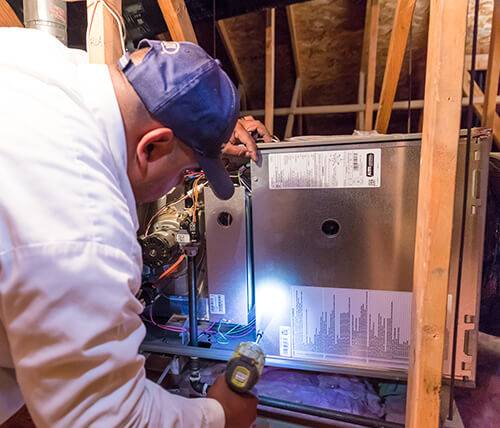
- Access difficulty: Attic or crawlspace installations add labor time
- Safety issues: Carbon monoxide concerns or gas leaks require immediate professional attention
Repair vs. Replace Decision Guide
If the system is 12–15+ years old and repairs keep stacking up, replacement is often the safer long‑term move. Consider replacement if:
- Annual repair costs exceed $500-800
- Efficiency rating is below 80% AFUE (older furnaces)
- Parts are discontinued or hard to source
- Energy bills keep rising despite repairs
- Safety concerns like cracked heat exchangers appear
New high-efficiency furnaces (90%+ AFUE) can cut heating costs by 20-30% in Las Vegas, especially during cold snaps when systems run longer.
Learn about available federal energy credits for energy-efficient HVAC equipment.
Signs You Shouldn’t Ignore
- Furnace cycles on and off repeatedly
- Burning or dusty odors that persist
- Uneven heat between rooms
Helpful resources for Las Vegas homeowners
- Furnace maintenance guide
- Common heater problems
- Annual furnace maintenance benefits
- Heating maintenance
- Heating repair
Prevention Tips to Avoid Winter Breakdowns
- Schedule early: Book a tune-up in early fall (September-October) to avoid wait times during cold snaps
- Filter maintenance: Replace filters after dusty summer months and check monthly during heating season
- Thermostat care: Test thermostat batteries before the first cold night and calibrate if readings seem off
- Vent management: Confirm all supply vents are open and returns are clear of obstructions
- Monitor energy use: Track heating bills—sudden spikes can indicate efficiency problems
- Listen for changes: New noises, smells, or cycling patterns warrant immediate inspection
- Keep area clear: Remove stored items near furnace and ensure proper clearance for airflow
Las Vegas Cold-Snap Prep Moves
- Book a tune-up in early fall to avoid wait times during peak demand
- Replace filters after dusty summer months and monsoon season
- Test thermostat batteries before the first cold night (Las Vegas can drop 30°F overnight)
- Confirm vents and returns are open and clear
- Set thermostat to 68-70°F when home, 62-65°F when away to balance comfort and energy costs
- Keep emergency contact info handy for after-hours service during cold snaps
FAQs About Winter Heater Prep
When should I schedule a heater tune-up?
Early fall is best so you avoid delays during the first cold snaps.
Is a tune-up different from a safety inspection?
A tune-up includes safety checks plus cleaning and performance testing.
Why does my heater smell dusty at first start?
Light dust burn-off is normal, but strong or persistent odors need service.
Can I replace the filter myself?
Yes. Use the correct size and install it with the airflow arrow pointing toward the blower.
What if my heater is 15+ years old?
Consider replacement if repairs are frequent or efficiency is poor.
Need Heating Service?
We prepare Las Vegas heaters for winter with comprehensive tune-ups, safety inspections, and fast repair service. Our licensed technicians check gas pressure, ignition systems, heat exchangers, and safety controls to ensure your heater runs safely and efficiently when cold snaps hit. We also offer heating maintenance plans to keep your system running smoothly year-round.
Call (702) 567-0707 to schedule a fall tune-up or visit heating repair for emergency service during cold snaps.
Carbon Monoxide Safety in Gas Heating Systems
Carbon monoxide (CO) safety is critical for Las Vegas homes with gas furnaces. Understanding CO risks and implementing proper safety measures protects your family during heating season.
How Carbon Monoxide Forms: Gas furnaces produce CO during normal combustion, but properly functioning systems vent it safely outdoors through flue pipes. However, cracked heat exchangers, blocked flues, or improper venting can allow CO to enter living spaces. CO is colorless, odorless, and deadly—symptoms include headaches, dizziness, nausea, and confusion that worsen with exposure.
Heat Exchanger Inspection Importance: Heat exchangers separate combustion gases from circulating air. Cracks as small as a pinhole allow CO into your home's air supply. Visual inspection during annual tune-ups catches obvious cracks, but small failures require specialized testing with combustion analyzers or video inspection cameras. Heat exchanger failure is most common in furnaces 15+ years old or systems that ran with dirty filters (causes overheating and metal fatigue).
Carbon Monoxide Detector Requirements: Nevada law requires CO detectors in all homes with fuel-burning appliances or attached garages. Install detectors on each floor, outside sleeping areas, and near furnace rooms. Use plug-in models with battery backup or 10-year sealed battery units—replace detector units every 5-7 years as sensors lose accuracy over time. Cost: $25-60 per detector vs. immeasurable value for family safety.
Professional CO Testing During Tune-Ups: Annual furnace tune-ups should include ambient CO testing near the furnace and in living spaces, plus flue gas analysis to verify complete combustion. Acceptable ambient CO levels are 0-9 PPM; levels above 35 PPM require immediate service. Technicians also test furnace draft (ensures proper venting) and inspect flue pipes for corrosion, separation, or blockages. These tests take 10-15 minutes but prevent potentially fatal CO incidents.
Emergency CO Response Protocol: If CO detectors alarm, immediately evacuate all occupants and pets, call 911 from outside, do not re-enter until fire department clears the home, and have HVAC system professionally inspected before resuming use. Never ignore detector alarms—even low-level CO exposure causes long-term health effects, and high concentrations can be fatal within minutes.
Heating Efficiency Improvements for Las Vegas Winters
While Las Vegas winters are mild compared to northern climates, heating costs still represent 20-30% of annual HVAC expenses. Strategic efficiency improvements reduce these costs while improving comfort.
Programmable Thermostat Optimization: Set heating schedules that reduce temperatures during unoccupied hours without sacrificing comfort. Typical Las Vegas winter settings: 68-70°F when home and awake, 62-65°F when sleeping or away. Each degree of setback saves 3-5% on heating costs—a 6-degree nighttime setback saves $15-30 monthly on typical winter heating bills. Smart thermostats automate these adjustments and learn optimal pre-heating times to restore comfort before you wake or return home.
Seal Air Leaks Before Heating Season: Air sealing delivers immediate heating savings with low investment. Focus on attic access panels, recessed lighting, ductwork penetrations, and basement rim joists where heated air escapes fastest. Professional blower door testing ($200-400) identifies major leaks; DIY sealing with caulk and weatherstripping ($50-150 in materials) typically reduces heating costs by 10-20%. Air sealing also improves summer cooling efficiency, providing year-round returns.
Attic Insulation Upgrades: Many Las Vegas homes built before 2000 have R-19 or less attic insulation, well below the recommended R-38 to R-49 for local climate. Adding insulation costs $1,500-3,500 but reduces heating bills by 15-30% while also improving summer cooling efficiency. NV Energy offers rebates ($200-500) for insulation upgrades meeting efficiency standards. Payback period: 4-7 years through combined heating and cooling savings.
Duct Sealing and Insulation: Leaky ductwork in unconditioned attics wastes 20-40% of heated air before it reaches living spaces. Professional duct sealing using mastic ($1,200-2,500) plus insulation upgrades eliminate this waste, often allowing downsizing to smaller, more efficient heating equipment during future replacements. Duct sealing saves $200-400 annually on combined heating and cooling costs—payback in 3-6 years with continued savings for the life of the ductwork.
High-Efficiency Heating Equipment: Replacing 80% AFUE furnaces with 95%+ AFUE models reduces fuel consumption by 15-20%. For a home with $600 annual heating costs, upgrading saves $90-120 annually. While payback takes 8-12 years on fuel savings alone, combining with improved comfort, reliability, and avoided repairs shortens effective payback to 5-7 years. Heat pump systems (HSPF2 9+) often provide even greater savings in Las Vegas's mild winters—check our heat pump installation guide for details.
Emergency Heating Backup Plans for Las Vegas
While rare, heating system failures during Las Vegas cold snaps require backup plans to maintain safety and comfort.
Portable Electric Heaters (Short-Term Solution): Quality portable heaters ($100-200 each) provide emergency heat for 1-2 rooms during furnace repairs. Choose models with tip-over protection, overheat shutoffs, and thermostat controls. Never use portable heaters unattended or while sleeping—fire risk is significant with improper use. Electric heaters cost $0.15-0.30 per hour to operate at current Las Vegas electricity rates, making them expensive for extended use but acceptable for 1-3 days during emergency repairs.
Fireplace and Wood Stove Considerations: Many Las Vegas homes have decorative fireplaces that provide minimal heat. Before relying on fireplaces for emergency heating, have chimneys professionally inspected ($100-200) to verify safe operation—blocked flues cause CO buildup and fire hazards. Gas fireplaces provide more reliable emergency heat than wood-burning models, though most aren't designed to heat whole homes effectively.
Hotel/Temporary Housing During Major Failures: For extensive heating system failures requiring 3+ days of repairs during cold weather, temporary hotel stays may be more economical and comfortable than heating a whole house with portable heaters. Check homeowner's insurance policies—some cover temporary housing during HVAC failures that make homes uninhabitable. Document failure causes and repair timelines for potential insurance claims.
Preventive Measures to Avoid Emergency Situations: The best backup plan is preventing failures through annual fall maintenance, early repair of minor issues before they cascade, and replacing aging systems (12-15+ years) before failure rather than after. Emergency repairs during cold snaps cost 1.5-2× standard pricing due to urgency and after-hours service—proactive replacement saves money while providing peace of mind.
Need HVAC Service in Las Vegas?
The Cooling Company provides expert HVAC service throughout Las Vegas, Henderson, and North Las Vegas. Our licensed technicians deliver honest assessments, upfront pricing, and reliable results.
Call (702) 567-0707 or visit heating, furnace repair, heat pump installation, or heating maintenance for details.