

💡 Heating Maintenance Las Vegas - Quick Facts
- ✓$99 tune-up + $79 residential service fee + filter cost
- ✓Schedule in fall before the first cold snap, not after a no-heat emergency
- ✓Dormant furnaces need ignition, sensor, and safety checks after months of inactivity
- ✓Annual maintenance required to keep most manufacturer warranties valid
- ✓Maintenance plan: $199.99 per system + filter cost
- ✓Same-day fall appointments - call (702) 567-0707
What is included in a furnace maintenance tune-up?
Our heating maintenance tune-up includes a 25-point inspection: burner cleaning, heat exchanger safety check, ignition testing, thermostat calibration, electrical testing, airflow measurement, and carbon monoxide safety verification. You also receive a written report with recommendations.
Source: The Cooling Company
Book a $99 Tune-UpHeating Maintenance Las Vegas
Tune Up Before the First Cold Snap
Las Vegas furnaces sit idle most of the year. Don't wait for a no-heat emergency on the first freezing night. Our 25-point fall tune-up catches ignition failures, dirty sensors, and safety issues before you need heat. Need repair now? See furnace repair or no-heat emergency.
Why Fall Furnace Maintenance Matters in Las Vegas
Short heating season, dormant systems, and sudden cold snaps make pre-season tune-ups essential

Avoid First-Cold-Snap Breakdowns
Fall tune-ups catch ignition, sensor, and airflow issues before your furnace sits idle all summer then fails on the first freezing night. The flame sensors, igniters, and capacitors that strand Las Vegas homeowners in November are the same parts a pre-season visit measures and replaces on your schedule instead of theirs.

Lower Heating Bills
Dust on the burners, a loaded filter, and a blower running out of spec all force the furnace to run longer for the same heat. Cleaning, calibrating, and testing every part of the system restores the efficiency it was designed for, which matters most during Las Vegas's short but sharp heating season.

Protect Your Family
Heat exchanger, venting, and combustion checks are the primary defense against carbon monoxide in a gas furnace, and the symptoms of low-level exposure are easy to mistake for a cold. Gas line, ignition, and electrical inspections catch the fire and shock hazards a furnace can develop while it sits unused.

Maintain Warranty
Most manufacturers require documented annual professional maintenance to keep your parts and heat exchanger warranty valid. The written report from each visit is the record you need if a claim ever comes up.
Better Indoor Air Quality
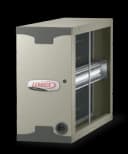
A furnace moves every cubic foot of air in the house through its filter and blower dozens of times a day. Replacing the filter, cleaning the blower wheel, and checking the ducts for leaks that pull in attic dust means cleaner air circulating through your home all winter, not just warmer air.

Longer System Life
A furnace or heat pump that gets cleaned, tightened, and run within its rated temperature rise every year lasts years longer than one that is only touched when it fails. Regular service protects the investment and pushes replacement out to when it is planned, not forced.
Furnace Tune-Up & Maintenance
Same-day fall appointments • All brands serviced
25-point comprehensive inspection
- Full 25-point heating system inspection
- Heat exchanger and combustion safety check
- Ignition and flame sensor testing
- Test all electrical connections
- Calibrate thermostat
- Priority scheduling for plan members
Quick Answers
When should I service my furnace in Las Vegas?
Schedule furnace maintenance in fall (September through November), before the first cold snap. Las Vegas systems sit dormant 8+ months, so a pre-season tune-up prevents no-heat emergencies when overnight lows drop to the 30s.
Is heating maintenance worth it in a mild climate?
Yes. Even short heating seasons involve gas combustion and safety-critical components. A tune-up prevents costly emergency repairs, maintains warranty coverage, and verifies carbon monoxide safety before your family needs heat.
Heating Maintenance Snapshot
Our 25-Point Furnace Tune-Up
A comprehensive inspection covering every critical component of your heating system. Explore our full heating services or learn about maintenance plan benefits.
The 25 points below are grouped the way the technician works through them, and every point comes with the reason it is on the list. The 1-inch filter is replaced on the same visit (the filter itself is billed separately), and the readings from the combustion, electrical, and airflow tests go into the written report you receive before the technician leaves.
System performance
The first pass confirms the system starts, runs, and stops the way the manufacturer designed it to, before anything is cleaned or adjusted.
Check thermostat settings and calibration
We confirm the thermostat reads room temperature accurately and calls for heat at the right setpoint, because a thermostat that is off by a few degrees wastes gas and hides comfort problems.
Test the startup cycle
We watch the full ignition sequence for delays, rough starts, or unusual noises, since a clean startup proves the safety controls and ignition system are working in the right order.
Inspect overall system performance
We evaluate airflow, temperature rise, and cycle timing together, which surfaces hidden performance problems before they turn into breakdowns.
Test the shutdown cycle
We confirm the system shuts down fully after the call for heat ends, so the blower clears the heat exchanger and nothing is left running hot.
Inspect system controls
We check the control board, relays, and operating switches that sequence each heating cycle, and on heat pumps this includes the defrost control that keeps the outdoor coil clear on cold mornings.
Check blower motor and components
We measure blower motor amperage and check the bearings and mounts, because a struggling blower starves the furnace of airflow and shortens the life of the heat exchanger.
Inspect blower wheel
We confirm the wheel is clean, balanced, and undamaged; a dust-loaded or bent wheel cuts airflow and causes the vibration that loosens everything around it.
Airflow and filtration
Las Vegas dust is the enemy of every heating system, so airflow gets its own set of checks.
Inspect and replace 1-inch air filters
We check the filter and replace a standard 1-inch filter to restore airflow and protect indoor air quality (the filter itself is billed separately).
Inspect ductwork
We look for disconnected runs, crushed flex duct, and leaking joints that dump heated air into the attic instead of your rooms.
Clean and adjust blower components
We clean the blower housing and confirm the blower speed setting matches the furnace's rated temperature rise, so heated air reaches every register at the designed rate.
Gas and venting safety
The gas train and the vent path are checked before the furnace runs under load.
Check for gas leaks
We test every accessible gas connection with an electronic leak detector and verify manifold gas pressure with a manometer, because a leak or an overfired burner is a fire and carbon monoxide risk.
Inspect flue pipe and venting
We confirm the flue and vent connectors are secure, sloped correctly, and free of blockages, so combustion gases leave the house instead of backdrafting into it.
Check ignition system
We test the hot-surface igniter or spark ignition for prompt, reliable lighting, since delayed ignition wastes gas and stresses the heat exchanger with every rough start.
Heat exchanger and combustion
This is the carbon monoxide side of the visit, and it is the reason a professional tune-up is not the same as a filter change.
Visual heat exchanger inspection
We inspect the heat exchanger for cracks, rust-through, and warping, and add a camera inspection on furnaces 15 years and older, because a breach lets combustion gases into the air you breathe.
Inspect and clean burners
We clean the burner assembly and check flame shape and color, since dirty burners produce a lazy yellow flame, soot, and higher carbon monoxide.
Combustion analysis and carbon monoxide measurement
We run a digital combustion analyzer at the flue and measure carbon monoxide at the supply registers with a calibrated detector, then record the numbers in your report.
Electrical
Electrical faults are the most common reason a furnace that ran fine last spring will not start this fall.
Tighten electrical connections
We tighten every accessible connection at the furnace and disconnect, because a loose terminal arcs, overheats, and eventually takes the control board with it.
Inspect and test capacitor
We measure the blower capacitor in microfarads against its label rating, and a weak capacitor is replaced before it lets the motor overheat.
Inspect electrical disconnect
We confirm the service disconnect operates correctly so the furnace can be shut off safely in an emergency or for future service.
Measure voltage and current on motors
We compare motor voltage and amp draw against the rated values on the nameplate, which catches a failing motor while it is still running.
Inspect wiring and controls
We inspect the wiring harness and control board for chafing, corrosion, heat damage, and rodent damage, all of which are common in Las Vegas attics.
Mechanical components
The moving and draining parts get checked last, once the system has run long enough to show how it behaves under load.
Check and adjust fan belt tension
On belt-driven blowers we check tension, alignment, and wear, since a slipping belt cuts airflow and a cracked belt strands you mid-season.
Inspect and test safety controls
We test the high-limit switch, rollout switches, and pressure switch to make sure the furnace shuts itself down if it overheats or the vent fails.
Inspect condensate drain
On high-efficiency condensing furnaces we clear the condensate trap and drain line, because a blocked drain trips the pressure switch and stops the furnace with no other warning.
Inspect insulation on refrigerant lines
On heat pumps we confirm the refrigerant line insulation is intact and secured, since bare copper wastes heating capacity and sweats onto the air handler.
What Each Test Measures
The instruments behind the checklist, what a healthy furnace reads, and what a bad number means
The checklist says what we check. This is what the instruments actually read, so the numbers in your written report make sense when you get it. A tune-up without readings is a visual inspection, not a test, which is why every visit records these.
Combustion analysis
Digital combustion analyzer, sampled at the flue collar
The analyzer reports oxygen, carbon monoxide, stack temperature, and calculated combustion efficiency. Carbon monoxide that climbs steadily through a run cycle points to a burner, combustion-air, or heat exchanger problem even when the flame looks normal. The numbers are logged so next year's visit has a baseline.
Carbon monoxide at the supply registers
Calibrated carbon monoxide detector, read at the registers
We measure where the air you breathe comes out, not only at the flue. A reading above 35 ppm at the registers triggers immediate investigation, and the system is not cleared for continued use until the source is found and corrected. A visual heat exchanger check alone cannot rule out a hairline crack; the register reading can.
Flame sensor current
Multimeter in series with the sensor, read in microamps
The flame sensor proves to the control board that the burners lit. A clean sensor reads above 2.0 microamps; dust and oxidation from a summer in the attic pull it under that threshold, and the furnace lights, runs a few seconds, and shuts down. We clean the rod and re-measure so the reading is verified, not assumed.
Igniter resistance
Ohmmeter, measured with the igniter cold
A hot-surface igniter degrades silently and usually fails on the first ignition of the season. Its resistance is compared with the manufacturer's range; a reading drifting high, or an open circuit, means the igniter is at end of life and gets replaced on the scheduled visit instead of on a 30-degree night.
Temperature rise
Two probe thermometers, return air and supply air
The difference between return and supply temperature is compared with the range on the furnace data plate. A rise above the range means airflow is restricted (filter, blower, or ducts) and the heat exchanger is running hotter than it was built for. A rise below it usually means the burners are underfiring or the blower is set too fast.
Airflow and static pressure
Manometer across the air handler, anemometer at the registers
The blower should move roughly 350 to 400 cubic feet per minute per ton of the system's cooling capacity, and the same blower serves the furnace. High static pressure or low airflow shortens heat exchanger life, trips the high-limit switch, and leaves the far rooms cold. The cause is usually a loaded filter, a dirty blower wheel, or an undersized return.
Gas manifold pressure
Manometer at the gas valve test port
Manifold pressure is set against the data plate, typically 3.5 inches of water column for natural gas. Low pressure gives a lazy flame and weak heat; high pressure overfires the burners and pushes carbon monoxide up. Inlet pressure is checked at the same time so a supply problem is not mistaken for a valve problem.
Capacitor and motor readings
Multimeter with capacitance and clamp-amp functions
The blower capacitor is read in microfarads and must fall within the tolerance on its label, usually 6 percent. A weak capacitor makes the motor draw extra current and run hot. Motor amperage under load is compared with the rated load amps on the nameplate, which catches failing bearings and a dust-loaded wheel before the motor fails.
Heat exchanger inspection
Inspection mirror and light; borescope camera on furnaces 15 years and older
The heat exchanger is the metal wall between combustion gases and household air. Years of thermal cycling stress the bends and seams, so we look for cracks, rust-through, and deformation, and we back the visual check with the register carbon monoxide reading above, because the two together are how a breach is actually confirmed.
Signs It Is Time to Schedule a Tune-Up
You do not need a symptom to book a tune-up; the best time is before the season starts. But if any of these is true, schedule now rather than at the next convenient gap.
It has been 12 months or more since a professional visit, or you do not know when the last one was.
Dust and oxidation build up whether or not the furnace runs; the interval is measured in seasons, not hours.
The furnace lights, runs for a few seconds, and shuts off.
The classic dirty flame sensor symptom, and the one most likely to strand you on the first cold night.
You hear a whoosh or a small bang when the burners light.
Delayed ignition means gas is pooling before it lights, and every rough start stresses the heat exchanger.
Some rooms heat and others do not, or airflow at the registers feels weak.
Usually a filter, blower, or duct problem, and it shows up as low airflow and high temperature rise on the test readings.
A dusty or burning smell lasts beyond the first few minutes of the first run of the season.
A few minutes of dust burn-off is normal on the first start; a smell that persists is not.
Your heating bill rose from last winter with no change in rates or thermostat habits.
Lost efficiency is the quiet symptom; the tune-up finds where the heat is going.
The burner flame is yellow, lifting, or flickering instead of steady blue.
Incomplete combustion, and a carbon monoxide risk that needs the analyzer, not a guess.
The system is 10 years old or more and has never had a combustion analysis.
Camera inspection becomes standard in our protocol at 15 years; at 10 you want the baseline readings on file.
If the furnace is producing no heat at all, a tune-up is the wrong booking. Go to furnace repair for a diagnostic, or the no-heat emergency page for same-day service.
Dormant-System Checklist Before First Use
If your furnace or heat pump has not run since last spring, complete these checks before calling for heat, or schedule a professional tune-up to handle them all.
What Happens During Your Furnace Tune-Up
⏱️ 45-60 minutes- 1
Book your fall tune-up
Schedule online or call before the first cold snap. We confirm your appointment and answer questions about your furnace or heat pump.
💡 Pro Tip: September-November is ideal, before heating season demand peaks.
- 2
Full 25-point inspection
Your technician inspects burners, heat exchanger, ignition, electrical components, airflow, and safety controls, then cleans critical parts.
- 3
Performance testing
We test thermostat calibration, temperature rise, and system cycling to confirm safe, efficient heating.
- 4
Report and recommendations
You receive a clear summary of findings, photos when helpful, and options if repairs are recommended before winter.
Furnace vs. Heat Pump Maintenance: What Differs in Las Vegas
The same 25 points, but the safety-critical tests are different, and that changes where the technician spends the most time
Gas furnace
The combustion side is where the risk lives: burners, heat exchanger, flue, gas pressure, and the carbon monoxide readings that go with them. A furnace sits idle for seven or eight months, often in an attic that reaches 150 degrees in summer, so the first-fire parts (flame sensor, igniter, capacitor) get the most attention on a fall visit.
One visit a year, in fall, is the standard. Electric furnaces skip the combustion tests and get their heat strips, sequencers, and amp draw checked instead.
Heat pump
There is no combustion, so the visit shifts to the refrigerant circuit and the controls that switch modes. The reversing valve is exercised in heating mode, the defrost control and outdoor coil sensor are tested so the unit clears frost on a 35-degree morning without running defrost when it does not need to, refrigerant charge is verified in the mode the season calls for, the outdoor coil is cleaned of a summer of dust, and the auxiliary electric heat strips are checked for amp draw and staging.
Because a heat pump is your air conditioner all summer and your heater all winter, plan on two visits a year, one before each season.
Dual-fuel systems
A dual-fuel system pairs a heat pump with a gas furnace and switches between them at a set outdoor temperature. It gets both checklists, plus a check that the changeover point is set sensibly for Las Vegas winters, because a wrong setting either runs the furnace when the heat pump would be cheaper or leaves the heat pump straining below its useful range.
When a Tune-Up Becomes a Repair
Every tune-up is diagnostic first. Most visits end with a clean bill of health and a short list of things to watch. Some do not, and it helps to know how that goes before the technician is standing in your hallway. The findings that turn a tune-up into a repair recommendation are almost always one of a handful: a cracked heat exchanger, a carbon monoxide reading above the action threshold, an igniter or capacitor at end of life, a gas leak, or a safety switch that no longer trips.
When that happens you get photo-backed evidence, a plain explanation, and upfront pricing before any additional work starts. You approve the scope and the cost first, every time. Repair pricing and what a diagnostic covers live on the furnace repair page, and a furnace that is already not heating belongs on the no-heat page, where same-day service is the point. This page owns the tune-up: keeping a working system working.
Maintenance Plans
Choose the plan that fits your needs and budget
One-Time Tune-Up
One-time 25-point furnace inspection and tune-up
- 25-point inspection
- Residential service fee of $79
- Filter replacement (filter cost varies)
- Performance optimization
- Written report
Maintenance Plan
Annual plan per system with seasonal tune-ups
- Two tune-ups per year (spring & fall)
- Priority scheduling
- Written report each visit
- Filter replacement (filter cost varies)
* Prices shown are for reference and may vary based on your specific needs. We provide a detailed, upfront quote, including parts, labor, and any additional services, before work begins. No surprises, guaranteed.
Local Heating Maintenance Coverage You Can Trust
Serving Las Vegas since 2011. Same-day fall appointments available in most areas.
Neighborhoods We Serve
- •Summerlin
- •Henderson
- •North Las Vegas
- •Green Valley
- •Paradise
- •Enterprise
- •Centennial Hills
- •Boulder City
Landmarks & High-Traffic Areas
- •The Strip
- •Allegiant Stadium
- •Downtown Summerlin
One-Time Tune-Up vs. Maintenance Plan
Choose the level of protection that fits your home and budget.
Tune-Up vs. Plan
| Feature | One-Time Tune-Up | Maintenance Plan |
|---|---|---|
| Tune-ups per year | 1 | 2 |
| Priority scheduling | ||
| Written report | ||
| Filter cost | Varies | Varies |
| Best for | One-time service | Year-round coverage |
Our Recommendation: If you want priority scheduling and seasonal tune-ups for both AC and heating, the Maintenance Plan is usually the best value.
Recent Heating Maintenance Reviews
Real customers. Real results. Trusted across Las Vegas.
Heating Maintenance Service Areas
Fast tune-ups in your neighborhood across the Las Vegas Valley.
Related HVAC Services
Explore services that pair with heating maintenance for better comfort and efficiency.
Heating Maintenance FAQs
Common questions about furnace maintenance and tune-ups in Las Vegas.
Did You Know?
Las Vegas furnaces may run only 500-800 hours per year, but sitting dormant allows dust to coat burners and sensors to corrode. Fall maintenance prevents 70% of first-cold-snap no-heat calls.
Schedule Your Fall Tune-Up Today
Don't wait for a no-heat emergency on the first freezing Las Vegas night. Get your furnace serviced now and enjoy worry-free warmth all winter.
TCC Platinum Package
Year-round maintenance that pays for itself
$199.99 per system per year, 15% off service & repairs, priority scheduling, and waived diagnostic fees for members. Two tune-ups per year (AC + heating).
- ✓ Priority dispatch during heat waves and cold snaps
- ✓ 15% off repairs and parts
- ✓ Reminder scheduling so nothing gets skipped