

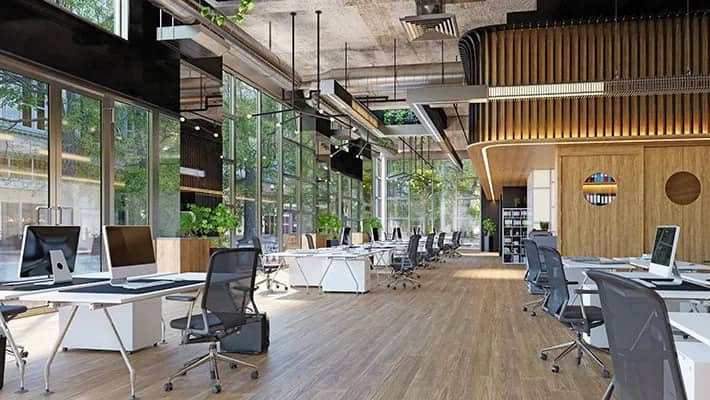
Short answer: Commercial AC unit costs range from $3-10.50 per square foot installed, with typical systems costing $5,000-$50,000+ depending on size, type, and features. In Las Vegas, factor in high ambient heat ratings, dust-resistant designs, and peak demand management to avoid costly energy bills.
What can change commercial AC unit cost
- System type (RTU, VRF, chiller, packaged unit)
- Building size and cooling load requirements
- Efficiency rating (SEER, IEER) and features
- Installation complexity (rooftop access, crane work, duct modifications)
- Brand selection and warranty terms
- Local labor rates and permit fees
- Peak season vs. off-season installation timing

How Much Does a Commercial Air Conditioning Unit Cost
Las Vegas Context: Commercial buildings in Las Vegas face extreme conditions that impact AC unit selection and cost. Summer rooftop temperatures can exceed 140°F, requiring high ambient-rated equipment that costs 10-20% more than standard units. Desert dust loads filters faster, increasing maintenance costs. Monsoon season (July-September) adds humidity load, forcing systems to work harder. Peak demand charges during afternoon hours (2-6 PM) can double energy bills if systems aren't properly sized or controlled. When budgeting, factor in these desert-specific considerations beyond base equipment costs.
Knapp Schmidt Architects reports that small businesses with one cooling zone can expect to pay $3 to $4 per square foot for their AC. But this can range from $7.50 to $10.50 for larger businesses. However, this just an estimation of average costs. So, it can vary depending on the size of your business and what brand you purchase, which means your price could hit five figures or more. Given the number of variables that affect the price, your costs could be much higher or lower depending on your needs. The following are some of the most important factors to consider before deciding which AC is right for your business.Type of Unit
Single and multi-split constant air-volume (CAV) systems are some of the most common types of commercial AC units. They feature an outdoor compressor and an indoor blower, and they are most useful in smaller businesses with relatively few rooms to cool. Variable air volume (VAV) systems modify the amount of air they move based on the current temperature, making them more efficient than CAV systems. An integral component of many large HVAC systems in buildings, Variable refrigerant volume (VRV) systems include a coolant in their blowers and allow you to heat and cool individual rooms as needed.Brand & Features
Each AC brand offers a different set of features and warranty terms, which need maintenance and potential repair considerations. And, you may find one suits your needs and budget better than another. Lennox is popular for efficiency and offers some of the highest SEER levels in the industry, making this a good choice if you’re trying to cut down on expenses. Top-of-the-line brands like American Standard and Carrier are known for their reliability and value but can be expensive. Some brands like Heil offer high-tech features that offer granular control. Others like York are known for their relative simplicity and reliability of their AC units, heat pumps, and their respective components.Size of the Commercial Building
The size of your building is one of the most important factors to consider when choosing an AC unit. And size will also affect the AC unit cost. If your central air conditioner is over or underpowered, it may have difficulty keeping a stable temperature in your building. Even worse, it might start and stop frequently, which increases wear and tear on your AC and can shorten its lifespan. It can also cause your energy bill to rise. Assuming each room in your building is 8 feet tall, you can estimate its cooling needs by dividing your building’s square footage by 500, then multiplying this number by 12,000 to determine how many BTUs your HVAC system should move.Labor
Labor costs can vary widely from contractor to contractor, but a lower price might not be all it seems. Some professional contractors may include costs for insurance or other factors in the price they quote you for labor, while others will add them in later as a line-item. Be sure to account for these when budgeting for the installation, maintenance, and potential repair of your new HVAC system. Finding the right contractor for your HVAC repairs can be a daunting task, but find comfort in knowing that a thorough analysis of their quotes and references can lead you to the best option. You'll want to find out what each contractor includes in their quote for labor before comparing them. Sometimes, a seemingly higher price with one contractor might be a better offer than a lower price with another, depending on the specific requirements of your HVAC units. You may also consider asking for references to better evaluate the offers from each contractor, if possible.Common Issues That Could Arise
Commercial HVAC systems are designed to meet the demanding requirements of maintaining a comfortable climate in large spaces, this however tends to shorten their lifespan compared to residential units. This is due to the much higher operating temperatures they are required to deliver. Residential units operate at temperatures between 65 and 80 degrees Fahrenheit, offering different options for energy efficiency and providing significant savings for customers. Commercial units, on the other hand, are typically designed for temperatures above 70 degrees. If you're having trouble with your HVAC unit, it's important to contact an HVAC contractor for appropriate repairs. So let's take a look at some of the issues that could arise.1. Problems with the coils
High operating temperatures can undermine the energy efficiency of your HVAC units by causing issues with the coils, which are the key component of the condenser. The coils, made from copper tubing that coils around a series of finned, heat-conducting cores, endure constant wear and tear due to high operating temperatures - leading to oxidation over time. The resulting reduction in conductance can reduce energy efficiency or lead to a complete failure of the HVAC unit.2. The compressor
One of the significant problems with the compressor relates to leaks. These are often caused by excessive vibration during operation, which is facilitated by loose screws on the unit. If this occurs, refrigerant may leak from the compressor to the surrounding air, leading to a drop in energy efficiency, or worse, complete failure of the unit. The compressor can also overheat due to reduced lubrication, usually as a result of oil leaking through cracks in bearings or seals over time. Therefore, identifying potential issues early and conducting timely repairs is crucial to maintaining the climate control in your facilities, ensuring comfort for your customers, and saving on energy costs.3. The duct work
Ductwork leaks are commonplace in commercial air conditioners and can pose a significant obstacle to achieving energy efficiency. Your HVAC unit circulates air throughout the entire building using ducts, and a leak in these ducts can greatly impair this, not only affecting air circulation but also making energy savings nearly impossible. Listening for hissing sounds when your HVAC unit is running is a good way to detect potential duct leaks. Thermostat issues, causing it not to turn on when needed, are also common and can be identified by an HVAC expert.Type of Business
Every business has unique cooling requirements. These depend on a range of factors from the type of business to the number of people working there. For instance, a restaurant may need more cooling or a stronger heating system compared to a small office. Factors like these should be considered when determining the cost of a new AC unit. The nature of your business, the goods or services you offer, and the number of people and appliances in your workspace all affect your cooling needs. For example, each window and kitchen contributes about 1-1,200 BTUs respectively. Consider these factors when determining the tonnage of your AC unit to optimize energy efficiency. Minimizing disruption to your business calls for adequate planning when buying a new commercial HVAC unit. Consult with a qualified HVAC technician to get an estimate of your new AC unit cost, including installation. Or if you're only replacing a part, find out the part replacement cost. This proactive approach ensures you continue to provide a comfortable climate for your customers while maximizing your savings.Cost Drivers: Understanding Commercial AC Unit Pricing
Several factors significantly impact your total commercial AC unit cost:
- Equipment cost: Base unit price varies by brand, efficiency rating (SEER/IEER), and features. Higher efficiency units cost more upfront but save on energy bills.
- Installation complexity: Rooftop units require crane work ($500-2,000+). Duct modifications, electrical upgrades, or structural reinforcements add costs.
- System type: RTUs ($1,500-6,000/ton), VRF systems ($2,500-6,000/ton), or chillers ($800-3,000+/ton) have different price points.
- Size and tonnage: Larger systems cost more but may have better per-ton pricing. Proper sizing prevents overspending on oversized equipment.
- Labor rates: Peak season (May-September) may have premium rates. Licensed, insured contractors cost more but provide better warranties.
- Permits and inspections: Commercial projects require permits ($200-1,000+) and may need engineering drawings.
- Soft costs: Engineering, commissioning, and BAS integration add 10-25% to total project cost.
Prevention and Maintenance: Protecting Your Investment
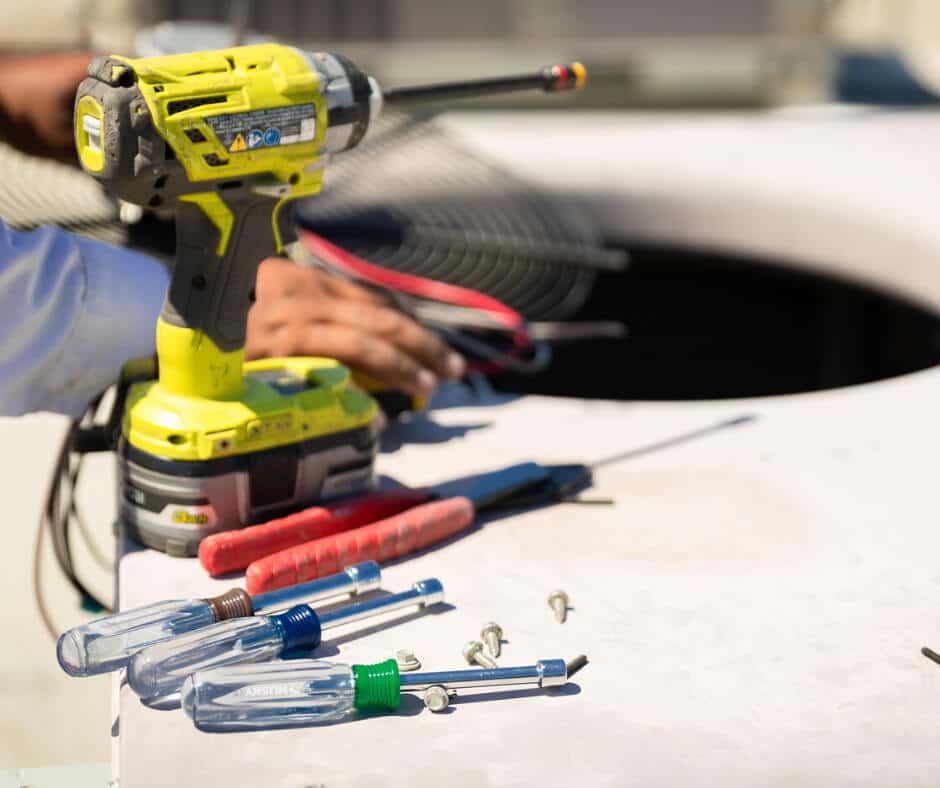
Proper maintenance extends equipment life and prevents costly repairs. In Las Vegas, these steps are especially critical:
- Regular filter changes: Desert dust loads filters faster. Change filters monthly during peak season to maintain efficiency and prevent coil fouling.
- Coil cleaning: Schedule professional coil cleaning every 3-4 months. Dirty coils reduce efficiency by 10-30% and increase energy costs.
- Refrigerant monitoring: Check refrigerant levels annually. Low charge indicates leaks that waste energy and damage compressors.
- Electrical inspection: High ambient heat stresses electrical components. Annual inspections catch loose connections before failures.
- Peak demand management: Use programmable thermostats or BAS to reduce cooling during peak hours (2-6 PM) when possible, without sacrificing comfort.
- Warranty compliance: Follow manufacturer maintenance requirements to keep warranties valid. Document all service visits.
Decision Checklist: Choosing the Right Commercial AC Unit
Use this checklist to evaluate options and compare quotes fairly:
- ✓ Load calculation: Require ASHRAE-based Manual J load calc (not square-foot rules) to ensure proper sizing
- ✓ Efficiency ratings: Compare SEER (residential-style) and IEER (commercial) ratings. Higher ratings save on energy bills
- ✓ High ambient rating: Verify equipment can operate at 125°F+ ambient (critical for Las Vegas rooftops)
- ✓ Warranty terms: Compare parts and labor warranty lengths. Extended warranties may be worth the cost
- ✓ Parts availability: Choose brands with local parts support to minimize downtime during repairs
- ✓ Installation timeline: Plan installations during off-peak season (October-April) when possible to avoid premium rates
- ✓ Lifecycle cost: Compare 10-15 year total cost (equipment + energy + maintenance), not just first cost
- ✓ Contractor credentials: Verify licenses, insurance, NATE certification, and references before signing
Local Essentials and Challenges for Las Vegas
Las Vegas commercial sites face a combination of rooftop heat, long runtime hours, and utility demand charges that can change both equipment selection and operating cost. Rooftop units need high-ambient ratings for 125°F+ days, and dust loading means filters and coils require more frequent service. Peak demand windows (typically weekday afternoons) can drive monthly costs higher if staging and schedules are not optimized.
Neighborhood Coverage for Commercial AC Unit Projects
We support commercial customers across the valley, including:
- Downtown Las Vegas
- Spring Valley
- Summerlin
- Henderson
- North Las Vegas
- Paradise
- Enterprise
Trust Signals and Guarantees
- Serving Las Vegas since 2011
- 55+ years combined experience
- Licensed, EPA-certified
- BBB A+ rated
- Lennox Premier Dealer
- 100% satisfaction guarantee
Find Us on the Map
Related service: Planning an AC installation or upgrade? Explore our AC installation and AC replacement services for Las Vegas homeowners.
Ready for a Commercial AC Unit Cost Estimate in Las Vegas?
If you're a building manager or business owner in Las Vegas looking into commercial AC replacement, schedule an appointment with The Cooling Company. Our professional team understands the unique demands of desert climate operation and can guide you through the process, ensuring:
- Accurate load calculations based on your building's specific needs
- Equipment selection optimized for Las Vegas conditions (high ambient heat, dust, peak demand)
- Transparent pricing with detailed line-item quotes for fair comparison
- Proper sizing to avoid overspending on oversized equipment
- Warranty and repair terms clearly explained
- Installation scheduling that minimizes business disruption
Contact us today at (702) 567-0707 or request a free estimate for your commercial AC unit replacement project.
Need HVAC Service in Las Vegas?
The Cooling Company provides expert HVAC service throughout Las Vegas, Henderson, and North Las Vegas. Our licensed technicians deliver honest assessments, upfront pricing, and reliable results.
Call (702) 567-0707 or visit AC repair, maintenance, heating, or installation for details.