
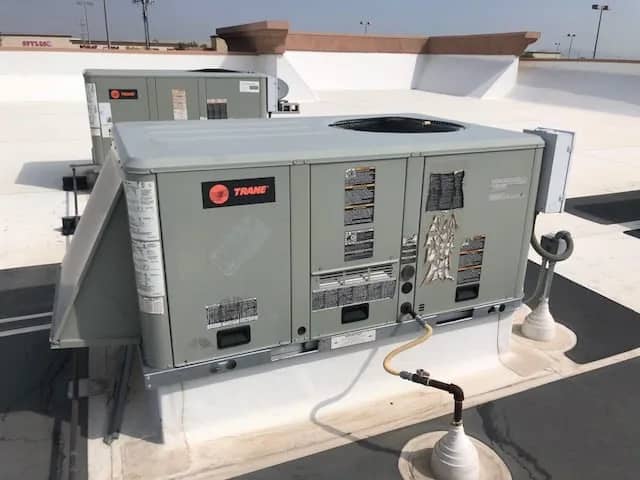
Short answer: Investing in a new HVAC system, including air conditioning units, is a significant decision and often accompanied by a substantial cost. Given the impact on your budget, one that most homeowners wish they could avoid, it's essential to consider the efficiency of various brands to ensure your comfort. Most HVAC systems, including air conditioning units, are designed to last 15-20 years and if you plan to remain in your home for that long, you will need to replace the HVAC system, including the ac eventually.
Our pricing guide breaks down the costs you can expect.
Before Your Current HVAC Unit Dies
If you don’t want to find yourself without cool air during a hot Las Vegas summer or without heat during the cold days of winter, then don’t wait until your HVAC system, including your air conditioning unit, dies before replacing it. HVAC systems usually give warning signs as they near the end of their life. If your system is more than 15 years old, is not heating or cooling with as much efficiency despite regular maintenance, and isn’t as energy efficient as it used to be, it could be time to replace it. Call your HVAC professional for an inspection. They will be able to advise whether it merely needs a tune-up, more extensive repairs, or needs replacing. It may be that only the air conditioner or furnace needs replacing rather than the entire HVAC unit, which will help you save money on your budget. If a full replace isn’t in the cards, targeted upgrades can still deliver big payoffs, see our Retrofit Air Conditioning guide for how to stretch your budget further.
If You’re Doing Constant Repairs
If you find yourself calling your HVAC technician on a regular basis because your system is always acting up, it’s time to stop spending money on endless repairs and replace the system instead. Just as it isn’t worth spending money on constant repairs to an old car, it isn’t worth it to continually fix an old failing HVAC system. When you add up the quotes for what you’ve spent over time, you may find you’ve spent more money on repairs than you would have on buying a new system. Spare yourself the frustration, inconvenience, and expense, and replace the unit for more comfort. A well-functioning HVAC system, including air conditioning units, is more efficient, will lower your electric bill, and makes life more comfortable for the whole family.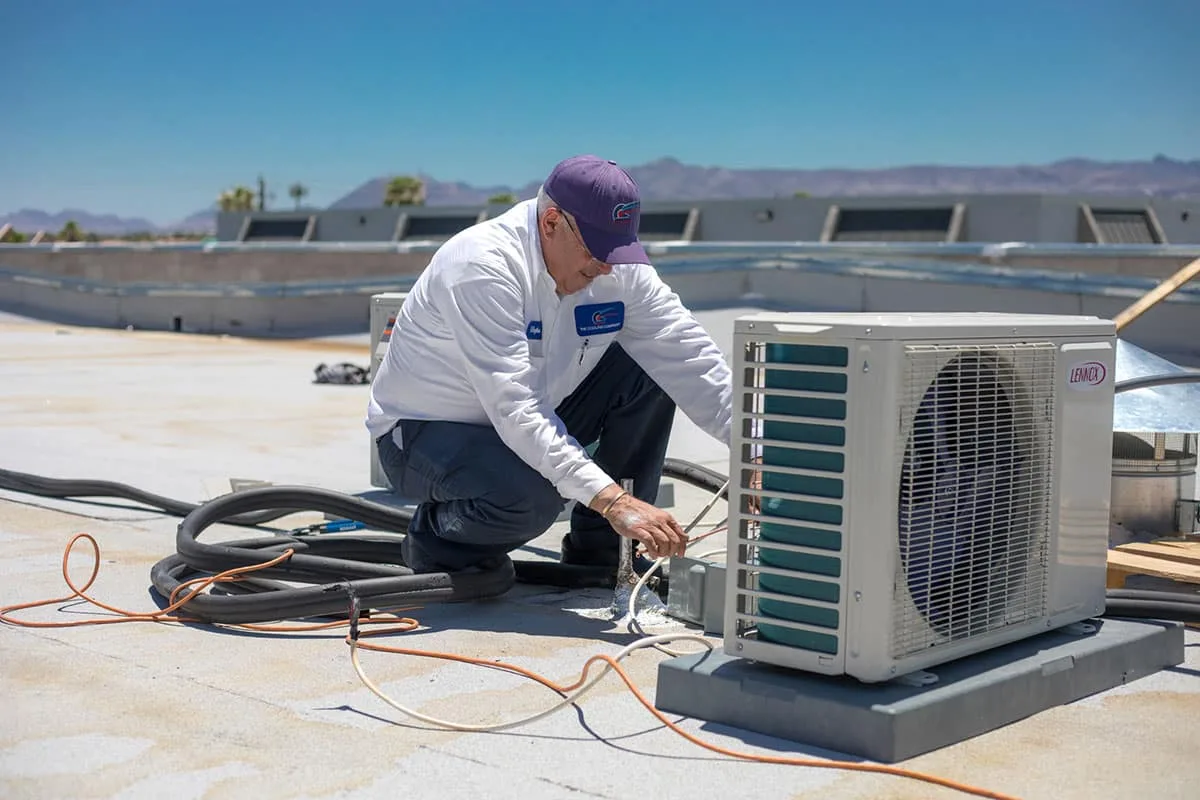
When Doing Renovations
If you’re tackling a home renovation project, it’s the perfect timing to consider replacing your HVAC system, including the air conditioning unit. Home renovations usually mean you’ll be facing weeks, if not months, of disruption. It makes sense to kill two birds with one stone and install a new HVAC at the same time rather than face further disruption on an installation at a later date. This is also the ideal opportunity to investigate more energy-efficient brands that provide better ventilation, such as a system with a higher SEER rating. It’s also a great time to upgrade to a zoned system or a programmable thermostat. To understand exactly how much a higher SEER rating can save you each season, see our full breakdown. Upgrades like these will help you run a more energy-efficient and budget-friendly system as you can choose to heat or cool only the rooms that are in use and not unoccupied rooms. It also means family members can set their preferred temperature in the room they are in, ending family squabbles over the ideal temperature and keeping everyone happy.When Purchasing a New Home
When you’re purchasing a new-build home, you are able to choose everything from scratch, including a brand new HVAC system that suits your household needs. With a variety of air conditioning unit brands to consider, it's vital to remember to use efficiency and comfort as primary factors. If you’re buying a previously-owned home, you will probably look at many factors like structural issues, plumbing, electrical wiring, the size of the house, design, and features. Remember to get quotes and factor the potential HVAC system replacement into your budget.The HVAC system, or your home's heating, ventilation, and air conditioning system, is probably not top of mind. However, inspecting the HVAC unit is advisable when buying a home, especially if it is an older one. Older HVAC systems may showcase signs of rust, mold, damaged ducts, or worn parts. This suggests it might be time for a replacement. Finding the correct replacement isn't always easy, and you may need a guide to walk you through the process and estimate the costs involved. An HVAC contractor will also look at other aspects of the home that may affect the HVAC system’s performance such as insulation and air leaks. In addition, asking an HVAC contractor to assess the system may reveal that the HVAC unit is incorrectly sized. You should take advantage of their services to correct this as soon as possible. An improperly sized unit not only affects the comfort of your home but also impacts your utility bills and overall demand for energy. According to Energy Star, an improperly sized HVAC unit can lower performance by up to 30 percent. An oversized HVAC system, on the other hand, results in what is termed short-cycling. Air conditioners cycle on and off as needed to keep your home at the temperature set on the thermostat. An oversized unit will reach the temperature faster but results in the unit switching on and off more frequently. This frequent cycling causes the unit to work harder, leads to increased wear and tear and reduces the lifespan of the unit. Just as bad, an undersized HVAC system doesn’t have enough capacity to cool the home adequately. This means it will continually run, attempting to reach the desired temperature. An HVAC system that is running almost 24 hours a day will increase your energy bill dramatically and also shorten the lifespan of the unit.Shop for an HVAC System During The Off-Season
Most people have been led to believe that the best time to buy an air conditioner is during winter and the best time to buy a heating system is during summer. The rationale is that air conditioners will sell at a lower price during winter and heating systems will be cheaper during summer. However, this isn't always the case and doesn't factor in the seasonal weather. Winter and summer are when homes use the HVAC system the most and when HVAC companies are at their busiest selling new units, performing maintenance, and conducting repairs. As business is generally booming during the busy summer and winter months, HVAC companies are less likely to offer deals and sales. In a place like Las Vegas, where winters are milder than many other parts of the country, it is possible to find good deals in winter. However, to stand a better chance of finding a good deal, the best time to buy an HVAC system is in the offseason, i.e. Spring or fall. During spring and fall, most people aren’t running their HVAC systems as often which, in turn, means HVAC companies are not as busy and are not selling as many new units. This drop in demand enables them to offer deals on their services and equipment. Your best bet is to reach out to companies during this time. They may be sitting with unsold units they are desperate to sell. To move stock quickly, many HVAC companies will reduce the price of the units. Moreover, because HVAC technicians are not that busy on callouts in the offseason, HVAC companies may also offer discounted installation rates. So keep an eye out during the offseason. You could score a great deal on a new air conditioner or heating system as well as lower installation rates! Buying an HVAC system during the offseason also means less inconvenience. With fewer calls to make and less strain on their resources, companies can offer you expedited services. It's also a good time to get an estimate and negotiate costs, ensuring you get the best deal for your air conditioning system.If you’re replacing an air conditioner during summer and you have to wait weeks for the installation to be completed, you’ll suffer the discomfort of sweltering days with no cool air. Not a pleasant thought. This is where service professionals come into the picture to repair and avoid such inconveniences. If, however, you’re replacing it during offseason when temperatures are more tolerable, you’ll cope just fine without air conditioning for a few days. A key point to remember is that offseason shopping may also bring you some potentially attractive specials from retailers.What To Consider When Buying a New HVAC System
Pricing
The cost of central whole-house HVAC systems ranges from around $2,000 for lower-end systems to as much as $13,000 for premium models. This article aims to provide you with some concrete numbers to guide your HVAC purchase decision. For a deeper examine Las Vegas–specific price ranges, see our New HVAC Cost guide. Pricing depends on the brand, type of system, size of your house, and whether you’re buying additional products like humidifiers, air purifiers, and smart thermostats. It is always recommended that you check multiple articles for comprehensive information on prices. Don’t be afraid to negotiate a lower price and indicate that you’re shopping around for the best price at various HVAC companies. Remember, if you're buying in the offseason, you have some leverage. Yes, you want a new HVAC system, but the HVAC company also wants a sale and will be more inclined to knock down the price when sales are slow. Most HVAC retailers also offer financing to make a purchase more affordable.Type of Unit
When buying a new heating and cooling system, you can choose a different type of system. Other types of HVAC systems include ductless mini-split systems, heat pumps, and window units. Make it a point to study all types of systems before making a decision. And don’t forget capacity, our AC sizing guide shows you how to pick the perfect tonnage for your square footage. If you have a large home, central air is best. Window units are cheaper, costing between $200 to $600, and are a good option for an additional room you’re building or a small apartment. Ductless systems are growing in popularity. Because they don’t require ductwork, they are easier to install. Ductless systems also allow you to heat and cool only the rooms that are occupied as well as set different temperatures in different areas of the home.Tax Credits and Rebates
When buying a new HVAC system, ask your HVAC contractor about service specials, rebates, and manufacturer promotions. If you are upgrading to a more energy-efficient HVAC system, you may qualify for rebates and promotions such as the following:- NV Energy provides rebates when installing a heat pump and an air conditioner with a SEER rating of 15 and above. You could get as much as $1,000 back in your pocket when installing an air conditioner with a SEER 20 rating.
- You can receive rebates on Lennox products from $275-$1,300 between March and June.
Note: The federal 25C tax credit that previously covered qualifying ENERGY STAR HVAC equipment expired December 31, 2025 and is not available for 2026 installations.
Hire a Licensed Contractor
When selecting an HVAC contractor, don’t be tempted to hire the cheapest or unlicensed contractor. Installing HVAC equipment requires specialized knowledge and skills. You want it done right the first time. Contract professionals with licensed certifications to avoid any hassle. At the Cooling Company, our HVAC technicians are EPA-certified so you’ll have peace of mind knowing that your HVAC installation is done properly. Make sure the contractor offers the protection of a guarantee, warranty, or insurance. This assures you that should that there be a problem with the product or installation, you can return the product and receive your money back or have parts replaced at no extra cost. Buying an HVAC system is a big investment. If replacing your HVAC system isn’t urgent, take some time to plan and research the best time to buy an HVAC system, compare prices, and inquire about discounts and rebates. Knowing when the best time is to buy an HVAC system and what to take into consideration can help you make a smart decision that saves money. If you are unsure on when is the best time to buy an HVAC unit, give us a call. Our experts, being highly trained professionals, are always happy to help!Related service: Need AC service in Las Vegas? Explore our AC repair and AC maintenance services. Planning a swap? Start with AC replacement, estimate ranges on the pricing calculator, or get a free quote.
Frequently Asked Questions
What is the best month to replace an HVAC system in Las Vegas specifically?
March and October are the two best months for Las Vegas homeowners. In March, the weather is mild enough that you can tolerate 4–8 hours without cooling during installation, and HVAC companies have more scheduling availability before the summer rush begins in May. October is similarly mild and is when manufacturers often release rebates on the current model year before new inventory arrives. Avoid May through September if possible, installation crews are fully booked, lead times on equipment stretch to 1–2 weeks, and a same-day breakdown with a 115°F forecast becomes a genuine emergency. If you're seeing warning signs now, call in spring rather than waiting to see how the summer goes.
How much can I actually save by buying in the off-season versus peak summer?
The savings vary by company, but the combination of reduced labor demand and end-of-model-year equipment discounts can save Las Vegas homeowners $500–$1,500 on a full system replacement during spring or fall versus peak summer. Installation lead times also drop from 1–2 weeks in summer to 1–3 days in the off-season, meaning you spend less time with a failing or absent system. Some manufacturers run spring promotions through Premier Dealer networks that add another $200–$600 in rebates. The total financial case for off-season replacement is real, the key is acting before your system fails rather than after. See our AC installation page for current pricing and available equipment.
How do I know if my system will make it through another Las Vegas summer or not?
The clearest predictor is how the system performed on the hottest days last summer. If it struggled to maintain 78°F when the outdoor temperature was 110°F or above, if the compressor cycled off on high-pressure lockout, or if you had refrigerant added, those are serious warning signs it won't handle another extreme summer reliably. A system that's 11+ years old and has had two or more repair calls in the past 18 months has a high probability of failing during peak demand. The spring tune-up is the best diagnostic opportunity: our technicians can measure refrigerant charge, test capacitor health, and check compressor amp draw to give you an honest read on remaining useful life before temperatures hit 100°F.
Can I negotiate the price of a new HVAC system in Las Vegas?
Yes, and the off-season gives you the most leverage. When a company has open installation slots and is sitting on model-year inventory, they are more willing to bundle labor discounts, extended warranties, or free add-ons like smart thermostat installation. Multiple competing quotes are the most effective tool: getting three itemized quotes from licensed contractors consistently produces 8–15% better pricing than accepting the first offer. Ask specifically about manufacturer rebates, utility rebates through NV Energy's PowerShift program ($250–$550 for qualifying heat pumps, verify tiers at nvenergy.com), and any financing promotions. Never negotiate just on the bottom line, compare the same equipment model and warranty terms so you're evaluating a real apples-to-apples comparison.
Does replacing just the outdoor AC unit without the indoor unit make sense in Las Vegas?
Almost never. Mismatched indoor and outdoor components are the single most common cause of premature system failure and efficiency loss in Las Vegas. A new high-efficiency outdoor unit paired with a 10-year-old indoor coil will not achieve its rated SEER2 efficiency, will void the manufacturer's warranty on the outdoor unit, and puts all the stress of the transition on an aging coil that may fail within 1–3 years anyway. The rare exception is when the indoor coil is less than 5 years old and was confirmed to be in excellent condition by a technician. In almost every other scenario, the math strongly favors replacing both units together, the incremental cost of adding the indoor unit is far less than the efficiency losses and risk from mismatching. Our HVAC cost guide shows full system price ranges so you can plan accordingly.
Share This Page