


Short answer: Cut commercial HVAC costs before summer by tuning controls, cleaning coils, verifying sizing, and scheduling preventive maintenance. In Las Vegas, where commercial heat loads push systems to their limits, these pre-summer actions can reduce energy bills by 5–15% and prevent costly emergency repairs during peak demand season. Focus on filter changes, belt inspections, thermostat calibration, and control sequencing to avoid peak demand charges.
What can change commercial HVAC costs
- Las Vegas commercial heat load and peak demand charges
- Dust loading requiring more frequent filter changes
- Monsoon season impacts on rooftop units
- System sizing (oversized units waste energy, undersized fail during peak)
- Control scheduling and sequencing effectiveness
- Preventive maintenance frequency and quality
- Energy bills and peak demand patterns
Cutting commercial HVAC costs before summer starts saves energy and avoids emergency repairs. Focus on tuning controls, cleaning coils, and verifying system sizing. Schedule filter, belt, and thermostat checks. Small repairs now often prevent big bills later. Work with a qualified HVAC pro for documented savings estimates.
Key Takeaways
- Tune controls and thermostat schedules to match occupancy patterns.
- Clean coils and replace filters to restore efficiency and airflow.
- Verify system sizing and document the calculations with a pro.
- Choose simple retrofits first, like VFDs, economizers, and better controls.
How can you cut commercial HVAC costs before summer?
Start with a focused tune-up and priority repairs. A tune-up restores efficiency and often reduces run time. Address dirty coils, worn belts, and loose electrical connections. These items hurt performance and raise energy bills.
Next, retune controls and thermostats to match real occupancy. Turn back setpoints during nights and weekends. Use staging to avoid running all compressors at once. These steps lower peak demand and cut utility charges.
Ask for a simple savings estimate before work begins. Our commercial HVAC maintenance cost estimating guide shows how to build accurate budgets. A good estimate lists expected kWh or therm savings. Request the assumptions and baseline data. Keep the estimate for future comparison.
What quick fixes give the biggest savings?
Cleaning outdoor coils and condenser fins often yields fast gains. Dirty coils reduce heat transfer and force compressors to run longer. A coil cleaning can improve efficiency by several percent. That change is visible in monthly utility bills.
In Las Vegas, dust and debris accumulate quickly on rooftop units, especially during monsoon season. Regular coil cleaning before summer peak reduces compressor runtime and energy bills. Replacing high-pressure drop filters also helps airflow and efficiency. Check MERV ratings and pressure drop. Use filters that balance capture and low resistance. Swapping to clean filters lowers fan power and improves cooling delivery. Las Vegas buildings often need monthly filter checks during peak season due to dust loading.
Which maintenance tasks are low cost?
Inspecting belts and pulleys is low cost and high value. Worn belts slip and waste energy. Tighten or replace belts that show wear. Inspect pulleys for misalignment to avoid repeated belt wear.
Lubricate motors and check bearings on older units. Proper lubrication reduces friction and extends part life. Small amounts of oil or grease can prevent bigger motor failures. Track lubrication schedules in a maintenance log.
What routine checks save energy and money?
Measure system airflow and compare values to design targets. Low airflow raises coil temperatures and reduces cooling capacity. Use a vane anemometer or pitot tube to check ducts. Record values on each zone and report deviations.
Verify refrigeration pressures and subcooling on chillers and condensing units. Proper charge keeps compressors efficient and avoids short cycling. Check superheat and subcooling against manufacturer ranges. Note any drift for follow-up service.
Balance zone temperatures and check dampers for proper operation. A blocked or stuck damper wastes conditioned air and energy. Recalibrate damper actuators where needed. Measure zone temps at multiple locations during a cycle.
How to inspect belts and filters?
First, turn off the unit and lock out power for safety. Look for frayed belts and measure tension with a gauge or thumb test. Replace belts that match manufacturer age or show cracks. Record replacement dates in your maintenance log.
For filters, note the pressure drop across the filter bank. Replace filters when pressure rise passes manufacturer guidance. Avoid over-filtering if it raises static pressure too high. Track stock levels to avoid delayed replacements.
What do airflow readings tell you?
Airflow numbers show if fans and coils perform as designed. Low CFM often means dirty coils or clogged filters. High static pressure usually points to duct restrictions or small filters. Use readings to prioritize coil cleaning or duct work.
Comparing readings to design helps spot failing fans or motors. A drop of 10 to 20 percent in airflow often reduces capacity similarly. Fixing this issue can be a low-cost way to recover lost cooling.
How does HVAC sizing affect costs?
Oversized systems short-cycle and waste energy on short, frequent runs. Short cycles reduce dehumidification and raise tenant discomfort. An oversized compressor starts more often and wears parts faster. That increases maintenance and replacement costs.
For a detailed cost breakdown, see our HVAC pricing guide.
Undersized systems run continuously and may not meet peak cooling needs. A unit that runs at 100 percent capacity all day shorts component life. Both oversize and undersize hurt efficiency and occupant comfort. Correct sizing gives stable runtime and proper dehumidification.
If you suspect wrong sizing, ask for documented load calculations. Use the latest design rules and measured building data. Request a written summary that shows assumptions and final tonnage recommendation.
Why oversized units cost more?
An oversized system cycles on and off more often than a right-sized system. Each start draws higher current and increases wear. Frequent starts shorten compressor and contactor life. That adds repair and replacement costs.
Short cycles also fail to remove enough humidity in hot climates. Tenants may raise thermostats to feel comfortable. Higher setpoints increase energy use and lower comfort. A right-sized system runs longer and dehumidifies better.
In Las Vegas, oversized commercial units are especially costly because they drive peak demand charges. Each compressor start during peak afternoon hours increases the peak kW reading, which NV Energy uses to calculate demand charges. Right-sizing reduces both energy consumption and peak demand penalties, saving significant money on monthly bills.
Use our energy savings calculator to estimate your potential savings.
Can control and scheduling reduce spend?
Smart schedules can cut runtime when spaces are empty. Set thermostats back during nights and weekends. Use occupancy sensors in seldom-used rooms. These adjustments reduce wasted cooling hours and lower monthly bills.
Programmable thermostats and simple timers are low cost. They automate setbacks and reduce human error. Pair thermostats with clear schedules and a backup plan. This reduces override incidents and keeps savings steady.
Consider adding demand limiting or peak shaving if your utility has demand charges. A simple shed strategy can reduce peak costs. Test strategies during shoulder months before summer peaks.
Should you use setback schedules?
Setback schedules lower setpoint or raise cooling setpoints when buildings are empty. Start with small setbacks to avoid comfort complaints. Monitor temperature recovery time before peak hours. Adjust setbacks that meet comfort and saving goals.
In Las Vegas commercial buildings, setbacks during nights and weekends can reduce energy bills by 5–10% while maintaining comfort during occupied hours. Track energy use after implementing setbacks to confirm savings. Use interval data from meters if available. Make changes gradually and record occupant feedback. Many sites find steady savings in the first month. Be mindful of peak demand charges—ensure systems can recover before peak demand windows to avoid penalty spikes.
How do building automation systems help?
A building automation system links sensors, thermostats, and controllers. That link allows coordinated scheduling and alarms. BAS can stage equipment and minimize simultaneous starts. Staging reduces peak demand and extends equipment life.
Modern BAS systems also log alarms and trends for easy troubleshooting. Trend data shows drift in sensors or setpoints. Use trend reports to plan repairs and validate savings after upgrades.
When should you replace or retrofit equipment?
Replace a unit when repair costs exceed half the value of a new system. Older equipment often lacks modern controls and efficiency. Retrofits like variable speed drives and economizers can give large returns. Evaluate expected savings and payback before spending.
If a unit fails in peak season, plan replacement quickly to avoid long downtime. Choose equipment that matches the documented load. Keep a list of critical spares and contractor contacts for emergency response.
Document expected life and replacement costs in a capital plan. For detailed pricing, see our commercial HVAC replacement cost guide. Include known deferred maintenance items. A rolling plan helps spread costs and avoids last-minute emergency replacements.
What retrofit options give the best payback?
Variable frequency drives on fan and pump motors often give strong returns. VFDs reduce motor power at part load and cut energy use. Look for VFDs on chilled water pumps and large air handlers first. Payback often falls under three years.
Add economizers where outdoor conditions allow free cooling. Economizers bring in cool outside air to reduce mechanical cooling. Use sensors and controls to avoid bringing hot or humid air. Proper setup can reduce run hours in spring and fall.
How much does partial replacement cost compared to full replacement?
Partial replacements target failing components like compressors or controls. Costs run far below full unit replacement. Partial work can extend life and buy time for budget planning. Full replacements add efficiency and reduce long-term maintenance.
Compare life-cycle costs, not just upfront price, when making decisions. A higher efficiency unit may save on utilities and repairs. Use documented savings to justify the higher capital cost.
What should you ask an HVAC contractor?
Ask contractors to document sizing calculations and the assumptions used. Request a written list of recommended measures with estimated savings. Demand references and recent job photos. These items help verify competence and results.
Confirm technician certifications and continuing training. Ask if techs are NATE-certified or have factory training. NATE certification shows tested knowledge and common best practices. For outside readers, request NATE-certified technicians when hiring locally.
Ask for a maintenance plan and a clear warranty on parts and labor. A good plan lists frequency and scope for each visit. Warranties reduce risk during the initial months after work.
What questions prove a contractor knows commercial HVAC?
Request example load calculations and control logic drawings. Ask about startup checklists and test reports. Probe how they will measure and verify post-work savings. Contractors who provide test reports often stand behind their work.
Ask how they handle unexpected issues found during service. Get a process for change orders and approvals. Clear communication avoids surprises and keeps budgets intact.
What pricing and contract terms should you watch for?
Watch for vague scope descriptions that leave out needed tasks. Require line-item pricing for major deliverables. Ask about overtime, travel, and disposal fees. Clear terms protect budgets and allow fair vendor comparisons.
Consider a service agreement with response time guarantees. Faster response reduces downtime and tenant complaints. Compare included tasks and emergency rates before signing.
Final steps and call to action
Start with a documented plan and low-cost measures. Clean coils, change filters, and tune controls first. Then use measured data to justify medium-cost retrofits. Track savings to guide future investments.
Pre-Summer Commercial HVAC Cost Reduction Checklist
- ✓ Schedule preventive maintenance before peak season
- ✓ Clean outdoor coils and condenser fins
- ✓ Replace filters and check pressure drop
- ✓ Inspect belts, pulleys, and motor bearings
- ✓ Calibrate thermostats and verify setpoints
- ✓ Tune control schedules to match occupancy
- ✓ Verify system sizing with load calculations
- ✓ Review energy bills for peak demand patterns
- ✓ Test sequencing to prevent simultaneous starts
- ✓ Document baseline energy use for comparison
If you are in Las Vegas or nearby, call The Cooling Company at (702) 567-0707. The Cooling Company serves Las Vegas, Henderson, and North Las Vegas with comprehensive commercial HVAC services. We understand Las Vegas commercial heat loads, dust loading, and peak demand charges. Ask for documented load calculations, a written savings estimate, and NATE‑certified techs. Our commercial HVAC maintenance agreements include preventive maintenance, emergency response, and energy optimization strategies tailored to your building. For readers outside our area, request NATE‑certified technicians and documented savings when you hire locally.
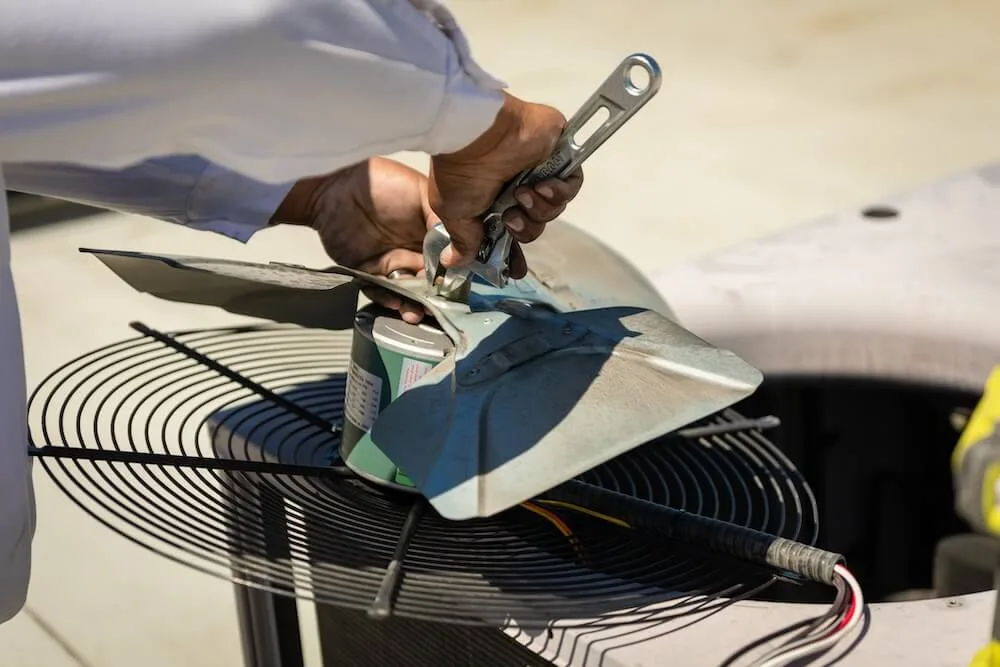
Local Essentials and Challenges for Las Vegas
Las Vegas commercial HVAC systems run long hours in high rooftop heat and face aggressive demand charges. Dust loading and monsoon humidity spikes can strain filters, coils, and controls. Plan for high‑ambient ratings, robust filtration, and staged starts to reduce peak demand spikes during weekday afternoons.
Cost Drivers to Watch
- Equipment size and system type (RTU, VRF, chiller, boiler)
- Controls scope, BAS integration, and commissioning
- Rooftop access, curb changes, and crane scheduling
- Maintenance frequency and filter replacement cadence
- Utility demand charges and rebate eligibility
Decision Guidance Before You Spend
Require documented load calculations, compare proposals by lifecycle cost, and verify high‑ambient ratings for rooftop equipment. Ask for a clear PM plan, line‑item quotes, and a commissioning scope so you can compare apples to apples.
Prevention and Maintenance Priorities
Regular coil cleaning, belt inspections, and filter changes protect capacity and lower energy bills. In Las Vegas, monthly filter checks during peak season and quarterly coil cleaning keep airflow stable and reduce emergency calls. Track kW/ton and runtime trends to spot drift.
Neighborhood Coverage for Commercial HVAC
We serve commercial properties throughout the valley, including:
- Downtown Las Vegas
- Summerlin
- Spring Valley
- Paradise
- Henderson
- Green Valley
- North Las Vegas
Trust Signals and Guarantees
- Serving Las Vegas since 2011
- 55+ years combined experience
- Licensed, EPA-certified
- BBB A+ rated
- Lennox Premier Dealer
- 100% satisfaction guarantee
Find Us on the Map
Share This Page
Related reading: what to explore next?
Expand your knowledge with these related guides from our experts. Each article provides in-depth information to help you make informed decisions about your HVAC system and home comfort needs.
Need commercial HVAC service help in Las Vegas?
If you're facing a commercial HVAC emergency in Las Vegas, Henderson, or North Las Vegas, The Cooling Company offers fast, reliable service from licensed, NATE‑certified technicians. We understand that commercial heating and cooling emergencies don't wait for business hours and can impact your operations, employees, and customers.
Our commercial HVAC services include:
- Emergency commercial HVAC repair with fast response times
- Commercial HVAC maintenance agreements to prevent breakdowns
- Energy audits and peak demand reduction strategies
- Controls upgrades and sequencing optimization
- Commercial HVAC installation and replacement
Call us now at (702) 567-0707 for emergency service or to schedule a commercial HVAC consultation. Our team is ready to help restore your comfort quickly and safely.
About The Cooling Company
The Cooling Company has been serving the Las Vegas valley with professional HVAC services for over a decade. Our team of licensed, NATE-certified technicians specializes in air conditioning repair, heating system maintenance, and complete HVAC installations. We're committed to providing honest, reliable service with upfront pricing and a 100% satisfaction guarantee on all work performed.
- Phone: (702) 567-0707
- Reviews: 4.8/5 stars (780+ reviews) - See reviews
Service Areas
We proudly serve homeowners and businesses throughout the Las Vegas metropolitan area, including Las Vegas, Henderson, and North Las Vegas. Our service technicians are available for same-day appointments in most areas, with emergency service available 24/7 for urgent HVAC issues.
References
- U.S. Department of Energy (Energy.gov) (accessed 2026-01-03)
- U.S. Environmental Protection Agency (EPA) (accessed 2026-01-03)
- ASHRAE (Standards and guidance) (accessed 2026-01-03)
- ENERGY STAR (Heating & cooling) (accessed 2026-01-03)
Need HVAC Service in Las Vegas?
The Cooling Company provides expert HVAC service throughout Las Vegas, Henderson, and North Las Vegas. Our licensed technicians deliver honest assessments, upfront pricing, and reliable results.
Call (702) 567-0707 or visit commercial HVAC, AC repair, maintenance, or installation for details.