

Energy Consumption
Energy consumption is the amount of energy used by a system or appliance over time. In home comfort, it includes HVAC heating and cooling, water heating, and major appliances. Consumption is influenced by equipment efficiency, usage patterns, thermostat settings, insulation, and maintenance. Lowering energy consumption reduces utility bills and environmental impact.
💡 Key Takeaways
- ✓Energy consumption is the amount of energy used by a system or appliance over time. In home comfort, it includes HVAC heating and cooling, water heating, and major appliances. Consumption is influenced by equipment efficiency, usage patterns, thermostat settings, insulation, and maintenance. Lowering energy consumption reduces utility bills and environmental impact.
- ✓Heating, cooling, and water heating are often the biggest energy drivers.
- ✓Efficiency ratings (SEER, EER, UEF) help compare equipment energy use.
- ✓Maintenance and proper sizing are key to real-world savings.
Energy Consumption
/ˈɛnərdʒi kənˈsʌmpʃən/
Definition
Energy consumption is the amount of energy used by a system or appliance over time. In home comfort, it includes HVAC heating and cooling, water heating, and major appliances. Consumption is influenced by equipment efficiency, usage patterns, thermostat settings, insulation, and maintenance. Lowering energy consumption reduces utility bills and environmental impact.
What affects energy consumption in HVAC and water heating?
Efficiency ratings, thermostat settings, insulation, usage patterns, and maintenance all influence how much energy is used.
Source: The Cooling Company

Quick Facts
How Energy Consumption Works
Efficiency upgrades cut HVAC and water-heating energy use.
Real-World Application
A homeowner sees high summer bills and learns their aging AC and water heater are major contributors. After upgrading equipment and sealing leaks, energy use drops noticeably.
Pro Tip
Start with easy wins: adjust thermostat schedules, change filters, and insulate hot water pipes. Then target bigger upgrades like high-efficiency HVAC or water heating.
“Start with easy wins: adjust thermostat schedules, change filters, and insulate hot water pipes. Then target bigger upgrades like high-efficiency HVAC or water heating.”
Important Things to Keep in Mind
- Heating, cooling, and water heating are often the biggest energy drivers.
- Efficiency ratings (SEER, EER, UEF) help compare equipment energy use.
- Maintenance and proper sizing are key to real-world savings.
Did You Know?
Space heating/cooling and water heating typically account for the majority of household energy use.
FAQ
How can I lower energy consumption quickly?
Change filters, optimize thermostat settings, seal air leaks, and address duct losses.
Do efficiency ratings predict real energy use?
They help compare equipment, but actual consumption depends on sizing, installation, and usage.
Is water heating a big part of energy use?
Yes. It is often one of the top two household energy loads along with HVAC.
Related Services
Need help with energy consumption? Our licensed technicians in Las Vegas are ready to assist.
Share This Page
Why Homeowners Trust Us
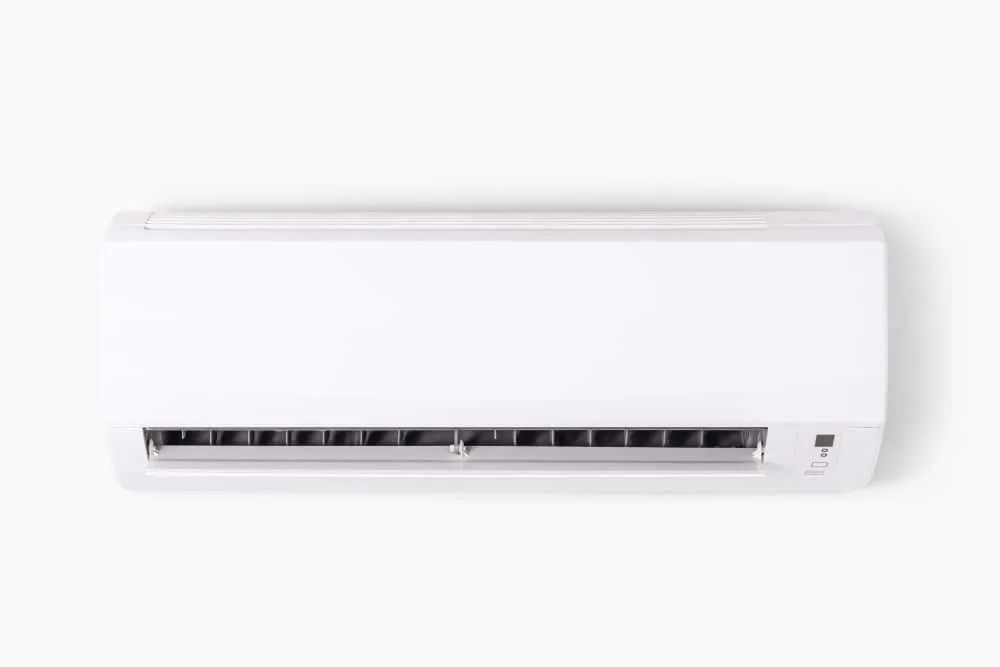


Reduce Your Energy Bills with Efficient HVAC and Water Heating
Get a Free Estimate
Fill out the form below. Our goal is to reach you within minutes.