


Short answer: Commercial HVAC maintenance costs in Las Vegas typically range from $1,852–$2,021 per project, with annual maintenance plans varying by building size, equipment count, and service tier. In Las Vegas, factor in extended summer runtime (8–12 hours daily), desert dust requiring frequent coil cleaning, monsoon season impacts on condensate systems, and peak demand charges that make preventive maintenance essential for controlling energy bills.
For more information, see our guide on commercial HVAC maintenance best practices.
For more information, see our guide on commercial HVAC systems guide.
What can change commercial HVAC maintenance costs
- Number of units and total system tonnage
- Equipment age, condition, and replacement value
- Service tier (basic PM, enhanced, or full-service contracts)
- Visit frequency and scope of work
- Las Vegas climate factors: extreme heat load, dust, monsoon season
- Peak demand charges and energy cost structure
- Roof access, building layout, and site complexity
Few budget items surprise Las Vegas facility managers more than an unexpected HVAC bill in the middle of a heat wave. If you are looking for straight answers on pricing right now, our Commercial HVAC Maintenance service page breaks down plan options and how to request a tailored quote for your building.
For a detailed cost breakdown, see our HVAC pricing guide.
Air conditioning is not optional for offices, restaurants, or retail spaces in this climate, and that constant demand shows up in national spending. The U.S. HVAC repair and maintenance industry generates about $80 billion in revenue each year, a reminder that comfort, equipment reliability, and energy costs all meet in the mechanical room. Understanding what maintenance should cost, and what it can save, is the first step to keeping those bills predictable.
Understanding Commercial HVAC Maintenance Costs
Commercial HVAC maintenance cost is not a single flat number. It is a bundle of labor, materials, and risk management shaped by how many systems a building has, how hard they run, and how easy they are to reach and service. In Las Vegas, rooftop package units, long operating hours, and intense summer heat make preventive work more important than in milder regions, but the basic cost logic is the same: pay smaller, scheduled amounts to reduce the odds of large, disruptive failures. Local cost data helps set expectations. Analysis of hundreds of commercial HVAC projects in Las Vegas shows average job totals between $1,852 and $2,021 per project, a range that mixes maintenance, repair, and some upgrade work. Routine maintenance visits for a small business will often fall below that full-project average, while complex multi-unit properties can land at or above it, especially when deferred repairs are folded into a visit.What Commercial HVAC Maintenance Includes For Businesses
Commercial maintenance is a structured inspection and tune-up of all the equipment that heats, cools, and moves air through the building. Technicians check filters, coils, belts, electrical connections, safety controls, blowers, refrigerant conditions, and condensate drainage. The goal is to preserve capacity and efficiency, catch wear before it becomes a breakdown, and confirm the system is operating within manufacturer specifications and local code. In Las Vegas, that often includes extra attention to coil cleanliness and airflow because dust and high rooftop temperatures strain equipment throughout the cooling season.Who Needs Commercial HVAC Maintenance In Las Vegas
Any business that depends on consistent indoor comfort benefits from a maintenance plan. That includes professional offices, medical suites, restaurants, retail tenants, schools, light industrial spaces, and multi-tenant buildings. Even small offices with only one rooftop unit are at risk if that single system fails during peak heat. For businesses that rely on customer foot traffic or temperature-sensitive products, such as restaurants or boutiques, loss of cooling for even a few hours can cost far more than a planned maintenance visit.Why Las Vegas Climate Makes Maintenance So Critical
The desert climate magnifies every weakness in a commercial HVAC system. Long, intense cooling seasons mean equipment runs hard for much of the year (8–12 hours daily during peak summer), which accelerates wear on motors, contactors, and compressors. Las Vegas commercial buildings face extreme heat loads (110°F+ summer days), frequent dust storms that foul coils and filters, choking airflow and forcing systems to work longer to deliver the same cooling. Sudden monsoon humidity spikes stress drainage systems and controls, while peak demand charges make preventive maintenance essential for controlling energy bills. Regular maintenance helps offset those local stressors by keeping airflow and heat transfer as close as possible to design conditions.Maintenance Versus Repair And Replacement Costs
Maintenance costs are small, predictable expenses aimed at reducing large, unpredictable ones. A scheduled visit typically covers inspection, cleaning, adjustment, and basic parts such as filters and belts. Repairs involve diagnosing and replacing failed components, often on an emergency schedule and at premium labor rates. Replacement is the most capital-intensive option, involving new equipment, crane work for rooftop units, electrical and control modifications, and permitting. When maintenance is neglected, minor issues that would have been inexpensive to correct can evolve into repair or replacement events that dwarf years of plan costs.Common Types Of Commercial HVAC Systems And Components
Most Las Vegas commercial buildings rely on packaged rooftop units that combine cooling, heating, and air movement in one cabinet. Others use split systems with indoor air handlers and outdoor condensers, or larger chilled-water or variable refrigerant flow (VRF) systems in multi-story buildings. Across all of these, maintenance focuses on similar components: fans and motors that move air, coils that transfer heat, compressors that provide cooling, controls that coordinate operation, and safety devices that shut systems down when conditions are unsafe. Each added system or zone increases the scope and cost of a maintenance visit.Typical Tasks Performed During A Maintenance Visit
During a routine visit, technicians typically inspect and replace filters, visually check ducts and grilles, clean accessible coils as needed, confirm thermostat and control operation, tighten electrical connections, measure key operating temperatures and pressures, and clear condensate drains. They also document findings and recommend corrective repairs for any failing components or code issues. For buildings with many units, this systematic approach allows managers to prioritize which items must be addressed immediately and which can be planned into future budgets.How Commercial Maintenance Pricing Is Usually Structured
Maintenance pricing is commonly structured per unit, per ton of cooling capacity, or as a flat annual contract for a defined portfolio of equipment. Some agreements bundle filter changes and minor repairs into the base cost, while others separate those to keep the core fee lower. Multi-year contracts may include price protection or discounts in exchange for predictable budgeting. For Las Vegas properties, agreements often specify spring and fall visits timed around the cooling season, plus defined response times for issues found during those inspections.Quick Snapshot Of Typical Cost Ranges And Variables
Within the Las Vegas commercial market, a small single-unit site may pay a modest fee per visit, while a large multi-tenant building with dozens of rooftop units can see maintenance invoices that resemble medium-size project totals. The HomeYou data range of $1,852 to $2,021 per commercial HVAC project captures how quickly costs rise once multiple units, heavy cleaning, or repairs are involved. Age, accessibility, and past neglect are often the biggest variables that push a routine visit toward the top of that range.How This Guide Helps You Plan Your HVAC Budget
This guide breaks down the drivers behind those invoices so decision-makers can distinguish fair pricing from red flags, and understand when a higher quote reflects legitimate added scope. The aim is not to chase the absolute lowest cost, but to align maintenance spending with risk tolerance, tenant needs, and equipment condition. Common questions or objections from managers include “Can we skip this year?” or “Is a plan worth it if the system seems fine?” The evidence suggests that consistent maintenance reduces both emergency calls and energy waste, which is especially valuable in a market where cooling is non-negotiable for business continuity.Key Factors That Drive Commercial HVAC Maintenance Pricing
No two commercial properties in Las Vegas face identical maintenance costs, even if their square footage is similar. Rooftop access, number of tenants, equipment mix, and operating hours all change the amount of work required during a visit. Understanding these levers helps explain why quotes can differ substantially across buildings and why a “good deal” for one property may be unrealistic for another. There is also an underlying economic backdrop. Globally, the commercial HVAC services market is projected to grow from $45.47 billion in 2025 to $69.32 billion by 2030, driven in part by demand for comprehensive service packages and energy-efficient operation. That growth reflects a long-term shift toward more proactive, contracted maintenance and helps explain why service providers place increasing value on well-scoped agreements.Number Of Units And Total System Tonnage
The most direct cost driver is how many HVAC units a site has and how large they are. Each additional rooftop unit or air handler adds inspection time, measurement points, and potential cleaning tasks. Larger capacity systems often have more complex components and controls that need careful testing. As a result, per-visit cost tends to rise with both unit count and total cooling capacity, especially when equipment is spread across multiple roofs or mechanical rooms.Equipment Type Age And Condition
Older equipment and systems that have not been maintained regularly take longer to service. Dirty coils, deteriorated insulation, and corroded electrical connections all add tasks to a visit. Technicians may need extra time to verify safe operation and document items that are near failure. In contrast, newer systems that have been on a consistent maintenance schedule usually require less corrective work, which keeps visits closer to the base scope and cost defined in a contract.Roof Access Building Layout And Site Complexity
Las Vegas commercial buildings often place HVAC equipment on roofs to free up ground space. If those roofs have limited access, require special safety measures, or span multiple levels, technicians spend more time just moving between units. Large campuses with multiple buildings or tight back-of-house corridors introduce similar complexity. These access and layout challenges do not change the technical tasks, but they do increase the labor hours needed to complete a full inspection.Visit Frequency From Filter Changes To Full Inspections
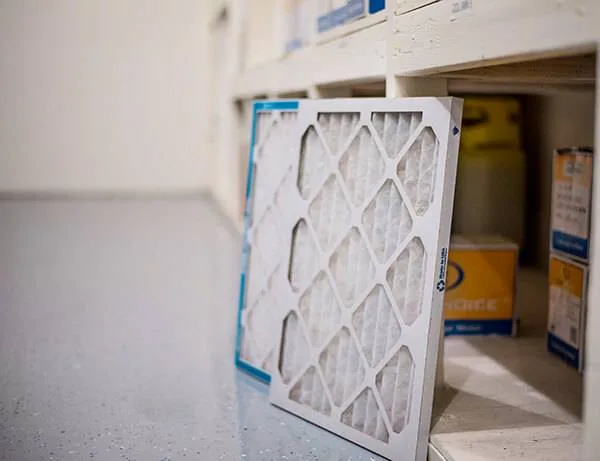
Some businesses opt for comprehensive inspections a couple of times each year, with filters changed during those visits. Others with high dust loads or heavy operating hours schedule additional filter-only trips between full tune-ups. More frequent service naturally increases total annual cost, but it can lower per-visit pricing when structured in a contract. In dusty Las Vegas environments, desert dust storms require aggressive filter management—consider upgrading to higher-MERV filters or electronic air cleaners. After dust storms, inspect and clean coils immediately. Neglecting filter changes often leads to airflow problems and repair calls that cost more than the extra maintenance visits would have.Scope Of Work From Basic Checks To Deep Cleaning
Not all maintenance scopes are equal. A bare-bones plan might cover visual inspections and basic measurements, flagging issues but not correcting them. More robust plans include coil cleaning, belt replacement, drain pan treatments, and minor repairs within a set allowance. Deep cleaning of heavily fouled coils, extensive electrical repairs, or control upgrades are usually billed separately. The more that is bundled into the base maintenance scope, the higher the quoted price, but also the lower the likelihood of surprise add-on costs during the season.Business Type Hours Of Operation And Usage Patterns
How a building is used is just as important as its size. Restaurants and kitchens generate heat and grease that load HVAC systems more heavily than office spaces. Retail stores may operate long hours with frequent door openings that increase cooling demand. Medical and data facilities often require tighter temperature and filtration control. These usage patterns push equipment harder, which in turn justifies more frequent and more detailed maintenance, affecting the annual budget.Typical Commercial HVAC Maintenance Cost Ranges
Exact maintenance pricing is unique to each property, but the local and national data points provide a framework. The Las Vegas commercial HVAC project average between $1,852 and $2,021 per job suggests what happens when maintenance, repairs, and minor upgrades are combined. By contrast, a well-designed preventive program aims to keep most visits below that project-style range by catching issues early and smoothing work across the year. Labor is a central piece of those costs. For large HVAC installations in Las Vegas, contractors charge an average of $27 per hour, according to reporting by Forbes. While maintenance work is not identical to installation, it relies on the same skilled labor pool, so hourly service rates tend to move in the same direction. Understanding that baseline helps explain why seemingly small additions to scope, such as extra coil cleaning, can shift an invoice noticeably.Per Unit And Per Ton Pricing Examples
Service providers often start with an internal per-unit or per-ton guideline, then adjust for site-specific factors. For a simple site with a handful of rooftop units, that approach produces straightforward, predictable pricing across visits. As units become larger and more complex, or as site access becomes challenging, the per-unit cost tends to rise. For multi-tenant properties with many similar systems, some contractors offer volume pricing that brings the average per-unit figure down while still covering total labor and material needs.What A Single Maintenance Visit May Cost
For a small office with one well-maintained rooftop unit, a routine seasonal visit that involves inspection, filter replacement, and basic testing typically falls below the Las Vegas project average identified by HomeYou of $1,852 to $2,021. Costs approach or exceed that range when technicians must service many units, perform extensive cleaning, or complete several corrective repairs during the same visit. This is why it is useful to separate pure preventive maintenance pricing from repair budgets when planning.Small Office Or Professional Suite Cost Scenarios
Single-tenant professional suites with limited operating hours and modest cooling loads usually land at the lower end of local cost ranges. These spaces often have only a few units, good access, and relatively clean indoor environments. For such properties, a preventive plan that includes seasonal inspections and prompt attention to small issues can keep total annual spending well controlled, especially compared with the disruption and premium charges that come with emergency service during peak heat.Restaurant And Kitchen Heavy Load Cost Scenarios
Restaurants, commercial kitchens, and food-service tenants place much higher demands on HVAC systems. Cooking equipment adds significant heat, and grease-laden air complicates filtration and exhaust. Maintenance visits here often require more thorough cleaning, closer inspection of motors and belts, and more frequent filter changes. While that increases annual maintenance cost compared with a basic office, it also reduces the risk of failures that could shut down food service and quickly outweigh the added preventive spending.Retail Store And Strip Mall Tenant Cost Scenarios
Retail tenants in strip centers occupy a middle ground. They typically rely on a small cluster of rooftop units that see long daily runtime but relatively clean indoor air conditions. Maintenance costs depend on how those units are divided between landlord and tenant responsibility and how easy roof access is from each suite. Consistent tune-ups help avoid comfort complaints during sales peaks and prevent energy waste from neglected filters and coils, which is important when margins are tight.Multi Tenant Or Multi Story Building Cost Scenarios
Multi-tenant and multi-story buildings aggregate many of the cost drivers discussed earlier. Numerous units, complex access, varied tenant schedules, and mixed equipment types all increase the scope of each maintenance cycle. For these properties, a portfolio-style agreement that clearly lists each piece of equipment, visit frequency, and included tasks is often the most economical path. It allows the contractor to plan manpower efficiently and the owner to forecast maintenance spending with fewer surprises.Portfolio And Multi Location Maintenance Pricing
Businesses that operate multiple locations across Las Vegas or the broader region can sometimes negotiate portfolio pricing that averages costs across sites. This approach aligns with broader market trends toward bundled commercial maintenance: the global commercial HVAC maintenance services segment is expected to grow at a compound annual growth rate of about 6 percent from 2025 to 2030. For local operators, a well-structured portfolio agreement can deliver both cost stability and consistent comfort standards across all properties.Maintenance cost planning checklist
- Inventory all HVAC equipment (make, model, serial, age, tonnage)
- Calculate replacement value for each major asset
- Review historical maintenance and emergency repair spend
- Assess building criticality and downtime cost tolerance
- Factor in Las Vegas-specific challenges: extended summer runtime, dust loading, monsoon season
- Compare service tiers (basic PM, enhanced, full-service) side by side
- Request line-item pricing with parts-markup caps
- Set contingency reserves (1–4% of replacement value) based on age
- Plan for peak demand charge reduction through preventive maintenance
- Schedule pre-summer maintenance to avoid breakdowns during heat waves
Las Vegas-specific prevention tips
Desert dust management: Desert dust requires aggressive filter management—consider upgrading to higher-MERV filters or electronic air cleaners. After dust storms, inspect and clean coils immediately. During monsoon season, ensure condensate drains are clear. Schedule maintenance before peak summer to avoid breakdowns during heat waves when emergency rates are highest. Track energy usage monthly—sudden increases may indicate maintenance needs.
Need commercial HVAC maintenance help in Las Vegas?
Las Vegas building owners trust The Cooling Company for professional commercial HVAC maintenance services. Our licensed, NATE-certified technicians understand Las Vegas-specific challenges: extreme commercial heat loads, desert dust requiring frequent coil cleaning, monsoon season impacts on condensate systems, and peak demand charges that make preventive maintenance essential for controlling energy bills.
Our commercial HVAC services include:
- Commercial HVAC maintenance agreements tailored to your building
- Site audits and cost estimating with line-item pricing
- Energy audits and peak demand reduction strategies
- Emergency commercial HVAC repair with fast response times
- Controls upgrades and sequencing optimization
Call (702) 567-0707 or visit our commercial HVAC services page to schedule a consultation and receive a tailored maintenance plan. We serve Las Vegas, Henderson, North Las Vegas, and surrounding commercial areas.
Local essentials and challenges
Las Vegas buildings run cooling systems longer and harder than most markets, especially in retail corridors and west-side office parks. Rooftop equipment sees extreme heat soak, while dust storms can spike filter pressure drops overnight. Maintenance plans should reflect seasonal intensity and access logistics that slow rooftop work during the hottest hours.
Cost drivers to watch
- Unit count, tonnage, and equipment mix (RTUs vs split systems)
- Filter frequency and coil-cleaning intervals driven by dust
- Operating hours and tenant load profiles
- Access requirements for rooftops or mechanical rooms
- Controls, economizer, and BAS troubleshooting needs
- After-hours response coverage and response time guarantees
Decision guidance for plans
- Choose PM-only if downtime is tolerable and equipment is newer.
- Upgrade to enhanced service for mixed-use sites with varied schedules.
- Use full-service contracts for high-risk zones like kitchens and data rooms.
- Require line-item scope so you can benchmark against other quotes.
Prevention to reduce emergency spend
- Schedule pre-summer tune-ups and post-monsoon inspections.
- Replace filters monthly during dust season.
- Track refrigerant charge and compressor amps in peak months.
- Keep a simple log of alarms, runtime, and service calls.
Neighborhoods we serve around Las Vegas
Our commercial maintenance plans support properties in Summerlin, Henderson, North Las Vegas, Downtown, Spring Valley, Paradise, Green Valley, and Centennial Hills. We account for local access constraints and building ages when setting visit frequency and scope.
Trust and guarantees
- Serving Las Vegas since 2011 with 55+ years of combined experience
- Licensed, EPA-certified technicians with NATE training
- BBB A+ rated and Lennox Premier Dealer
- Upfront pricing and a 100% satisfaction guarantee on work performed
Visit our Las Vegas location
Share This Page
Related service: Stay ahead of costly breakdowns. Explore our AC maintenance and AC repair services for Las Vegas homeowners.
Need HVAC Service in Las Vegas?
The Cooling Company provides expert HVAC service throughout Las Vegas, Henderson, and North Las Vegas. Our licensed technicians deliver honest assessments, upfront pricing, and reliable results.
Call (702) 567-0707 or visit commercial HVAC, AC repair, maintenance, or installation for details.