

Short answer: Common HVAC problems in cannabis grow rooms include inconsistent temperature/humidity, excessive energy consumption, poor air quality/odor control, and equipment malfunctions. In Las Vegas, desert heat, dust, and high energy costs amplify these challenges. Solutions include proper sealing, smart controls, HEPA/carbon filtration, and regular maintenance.
Local essentials for Las Vegas cannabis HVAC
- Odor control compliance: Activated carbon and negative pressure are often required for Nevada regulations.
- Power service planning: Large dehumidification loads require electrical coordination and demand management.
- Desert dust filtration: HEPA and pre-filters need tighter replacement intervals than in humid climates.
- Water and drainage: Condensate management is critical during monsoon humidity spikes.
What can change HVAC problem frequency or severity
- Facility size and grow room layout
- Building infiltration and sealing quality
- HVAC system capacity and age
- Lighting type (LED vs HPS) and heat output
- Growing medium (soil vs hydroponic)
- Maintenance schedule and monitoring systems
- Local climate (Las Vegas heat, dust, energy rates)
Las Vegas-Specific Challenges for Cannabis Grow Rooms
Las Vegas cannabis facilities face unique HVAC challenges due to the desert climate:
- Extreme heat: Summer temperatures exceeding 110°F create massive cooling loads, requiring oversized systems or supplemental cooling
- Desert dust: Fine particulate matter clogs filters faster, requiring more frequent filter changes and impacting air quality
- High energy costs: NV Energy rates make HVAC the largest operational expense—dehumidifiers alone can account for 50% of total energy use
- Monsoon season: Sudden humidity spikes during July-September can overwhelm dehumidification systems
- Temperature swings: 40-50°F daily temperature swings require systems that can handle rapid cycling
- Regulatory compliance: Nevada regulations require odor control and air quality monitoring, adding complexity to HVAC design
Understanding the Unique Climate Needs of Cannabis Plants
Cannabis plants require precise environmental conditions that vary throughout their growth cycle. One of the most critical parameters is humidity. During the seedling stage, humidity levels should be maintained between 65% and 70% to support healthy development. As plants transition into the flowering phase, humidity needs to drop significantly, generally to a range of 40% to 50%, to prevent mold and mildew growth. Humidity swings are one of the biggest risks for mold. Here’s a deeper look at How to Prevent Mold in Your Grow Room with Effective HVAC Solutions. These shifting humidity requirements present a challenge for HVAC systems, which must be capable of quickly and accurately adjusting to changing conditions. Failure to maintain proper humidity can lead to reduced yields, pest infestations, or compromised bud quality. Additionally, the temperature must be carefully monitored alongside humidity, as the two factors are inextricably linked. High temperatures can exacerbate humidity issues, leading to a vicious cycle that can stress the plants and hinder their growth.Why Humidity Control is Challenging
One of the main difficulties in managing humidity is the tendency for condensation to form within grow rooms. This is often exacerbated by building infiltration issues such as gaps, cracks, or poorly sealed doors and windows. According to Dr. Nadia Sabeh, Ph.D., president of Dr. Greenhouse, these structural flaws can undermine even the most advanced HVAC equipment by allowing uncontrolled air exchange, which disrupts climate stability. Therefore, ensuring the physical integrity of the grow space is a foundational step in effective humidity management. Sealing leaks and improving insulation can significantly enhance HVAC performance and reduce the risk of condensation-related problems. Furthermore, the use of dehumidifiers can be particularly beneficial during the flowering stage, as they help to maintain optimal humidity levels without overly cooling the environment. This balance is crucial, as cannabis plants are sensitive to both high humidity and temperature fluctuations, which can lead to stress and affect overall plant health. Moreover, the choice of growing medium can also impact humidity levels. For instance, soil retains moisture differently than hydroponic systems, which can lead to variations in humidity that growers need to monitor closely. Utilizing moisture sensors and data logging technology can provide real-time feedback, allowing growers to make informed adjustments to their climate control strategies. This proactive approach not only enhances plant health but also maximizes the potential for a bountiful harvest.Common HVAC Problems in Cannabis Grow Rooms
1. Inconsistent Temperature and Humidity Levels
Grow rooms often struggle with maintaining uniform temperature and humidity, leading to microclimates that stress plants. This inconsistency can result from inadequate HVAC capacity, poor air circulation, or faulty sensors. Uneven conditions may cause some plants to experience excessive moisture, while others dry out, both scenarios detrimental to growth. Additionally, fluctuating temperatures can disrupt the plant’s metabolic processes, affecting cannabinoid and terpene production. For instance, if temperatures soar too high, plants may enter a state of stress, which can lead to wilting or even death. Conversely, overly low temperatures can slow down growth and delay flowering, ultimately affecting yield. To combat these issues, growers often invest in advanced climate control systems that utilize real-time data to adjust conditions dynamically, ensuring that every plant receives the optimal environment for growth. Want to learn how to fine-tune these climate variables? Check out our guide on Optimizing Temperature and Humidity Control in HVAC Grow Rooms.2. Excessive Energy Consumption
HVAC systems, particularly dehumidifiers, are among the most energy-intensive components in indoor cannabis cultivation. Dehumidifiers alone can account for up to 50% of total energy use in these facilities. This high consumption not only increases operational costs but also raises environmental concerns. Energy bills getting out of hand? Discover Energy Efficient HVAC Options for Grow Rooms: Top Choices for 2025In Las Vegas, where NV Energy rates average $0.11-0.13/kWh, a 10,000 sq ft facility can see monthly HVAC bills exceeding $15,000-25,000 during peak summer months. Energy inefficiency often stems from outdated equipment, oversized units, or systems running continuously without smart controls. Without optimization, growers risk ballooning electricity bills that can erode profit margins.
Use our energy savings calculator to estimate your potential savings.
To mitigate these costs, many cultivators are turning to energy-efficient technologies, such as variable speed fans and programmable thermostats, which can significantly reduce energy usage while maintaining optimal growing conditions. Additionally, implementing energy audits can help identify areas for improvement, allowing growers to make informed decisions about their HVAC systems.
Cost Drivers for Cannabis Grow Room HVAC
- System size: $50-150 per sq ft for complete HVAC installation (10,000 sq ft = $500K-1.5M)
- Dehumidification: $5,000-25,000 per unit depending on capacity
- Energy costs: $10,000-30,000+ monthly during peak season for large facilities
- Filter replacement: $500-2,000 monthly for HEPA and carbon filters in Las Vegas dust conditions
- Maintenance contracts: $1,000-5,000 monthly for commercial HVAC service
- Smart controls/IoT: $10,000-50,000 for integrated monitoring and automation systems
3. Poor Air Quality and Odor Control
Airborne volatile organic compounds (VOCs), including terpenes emitted by cannabis plants, can accumulate to high concentrations within grow rooms. Studies have reported terpene levels ranging from approximately 20 parts per billion (ppb) to as much as 3,500 ppb. Without proper filtration and ventilation, these compounds can cause unpleasant odors and potentially affect worker health. Moreover, inadequate air filtration can allow pathogens and pests to thrive, further jeopardizing crop health. The presence of mold spores and other contaminants can lead to significant crop losses if not addressed promptly. To enhance air quality, growers are increasingly adopting high-efficiency particulate air (HEPA) filters and UV light systems that not only capture harmful particles but also neutralize pathogens. Regular monitoring of air quality, combined with effective odor control measures, can create a healthier environment for both plants and personnel.4. Equipment Malfunctions and Maintenance Issues
HVAC systems are complex, and failures can occur due to clogged filters, sensor inaccuracies, or mechanical breakdowns. Without regular maintenance, these issues can escalate, leading to costly downtime and crop losses. In some cases, growers may not detect problems until plants show signs of stress, by which point damage may be irreversible. To prevent such scenarios, implementing a proactive maintenance schedule is crucial. Regularly checking and replacing filters, calibrating sensors, and inspecting mechanical components can help ensure that HVAC systems operate efficiently. Additionally, investing in monitoring technology that provides alerts for potential malfunctions can allow growers to address issues before they escalate, safeguarding both their investment and the health of their plants. By prioritizing maintenance, cultivators can create a more resilient growing environment that minimizes disruptions and maximizes yield potential.Effective Solutions for HVAC Challenges
Optimizing Humidity Control with Proper Infrastructure
Addressing building infiltration is a critical first step. Growers should conduct thorough inspections to identify and seal any gaps, cracks, or holes that could allow uncontrolled air exchange. This reduces the burden on HVAC systems and stabilizes the internal environment. Incorporating high-quality dehumidifiers and humidifiers that can operate within the precise humidity ranges required for different growth stages is essential. Additionally, integrating smart sensors that provide real-time data allows for dynamic adjustments, ensuring conditions remain optimal.Enhancing Energy Efficiency
To combat high energy consumption, growers should consider upgrading to energy-efficient HVAC components. LED lighting, which produces less heat, can reduce cooling loads. Energy recovery ventilation systems can reclaim energy from exhaust air, lowering overall power usage. Moreover, leveraging digital controls and IoT platforms enables growers to monitor energy consumption closely and optimize system operation. AI-driven analytics can predict maintenance needs and adjust settings proactively, preventing wasteful overuse.Improving Air Filtration and Odor Management
Effective air filtration systems are vital to maintaining a healthy grow environment. High-efficiency particulate air (HEPA) filters and activated carbon filters can capture VOCs and other airborne contaminants, reducing odors and improving air quality. Strong odors and VOCs are a real challenge. Here’s our checklist for HVAC Design in Indoor Grow Rooms to keep air quality under control. David Craveiro, Sales Manager at Dantherm Group, highlights that odor control is not only important for internal air quality but also for minimizing external emissions that could impact neighboring areas. Implementing robust filtration and ventilation strategies helps growers comply with regulations and maintain good community relations.Regular Maintenance and Monitoring
Routine inspection and servicing of HVAC equipment prevent unexpected failures. Cleaning or replacing filters, calibrating sensors, and checking mechanical components should be part of a scheduled maintenance plan. Utilizing smart sensors and AI-driven monitoring systems allows growers to detect anomalies early. Real-time alerts enable swift intervention, reducing the risk of environmental fluctuations that can harm plants.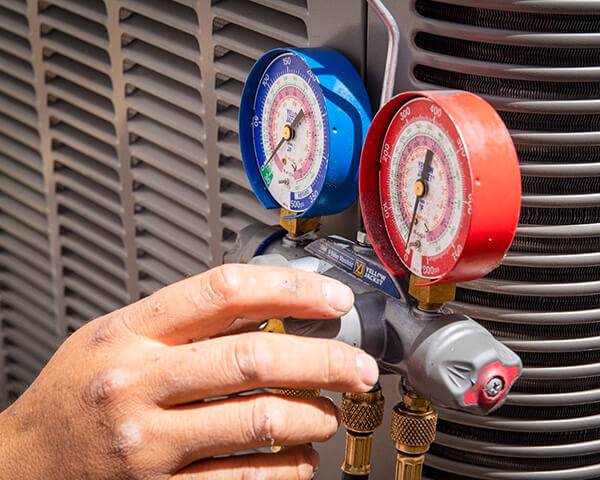
Emerging Trends and Technologies in Cannabis HVAC Systems
The cannabis cultivation industry is witnessing rapid technological advancements in HVAC systems. Digitalization and connectivity are transforming how growers manage their environments. Smart sensors, IoT platforms, and AI analytics provide unprecedented control and insight into climate conditions. These innovations facilitate predictive maintenance, energy optimization, and precise environmental adjustments tailored to each growth phase. As sustainability becomes a priority, HVAC solutions are increasingly designed to minimize energy consumption while maximizing performance.The Role of Smart HVAC Systems
Smart HVAC systems enable growers to monitor temperature, humidity, CO2 levels, and air quality in real-time from remote locations. This capability allows for immediate responses to environmental changes, reducing plant stress and improving yields. Additionally, integrating HVAC data with other cultivation parameters helps optimize overall operations, from lighting schedules to irrigation, creating a holistic approach to plant health.Preventive Measures for Long-Term Success
Prevention is key to avoiding common HVAC problems in cannabis grow rooms. Investing in quality infrastructure, sealing the grow space, and selecting the right equipment tailored to the facility’s size and plant needs set the foundation for success. Implementing smart controls and regular maintenance schedules ensures that systems operate efficiently and reliably. Educating staff on the importance of environmental management and monitoring further supports a proactive cultivation strategy.Decision Guide: When to Upgrade or Repair
Consider full system replacement if:
- System is 10+ years old and requires frequent repairs
- Energy bills have increased 30%+ despite maintenance
- System cannot maintain target humidity/temperature ranges
- Expanding facility size or adding grow rooms
- Compliance issues with odor control or air quality regulations
Repair or optimize existing system if:
- System is less than 7 years old and well-maintained
- Issues are isolated (filters, sensors, single component failure)
- Adding smart controls or sensors can improve efficiency
- Budget constraints require phased upgrades
Prevention Checklist for Las Vegas Cannabis Facilities
- Daily: Monitor temperature/humidity sensors, check for unusual odors or sounds
- Weekly: Inspect filters for dust buildup, check for visible leaks or condensation
- Monthly: Replace filters (more frequently during dust storms), calibrate sensors
- Quarterly: Professional HVAC inspection, coil cleaning, ductwork inspection
- Annually: Comprehensive system tune-up, energy audit, compliance review
- Before peak season: Test all systems, replace worn components, optimize settings
Summary of Best Practices
- Seal all building infiltration points to maintain climate stability.
- Use HVAC equipment capable of precise humidity and temperature control.
- Incorporate energy-efficient technologies such as LED lighting and energy recovery ventilation.
- Install high-quality air filtration systems to manage VOCs and odors.
- Leverage smart sensors and AI-driven analytics for real-time monitoring and predictive maintenance.
- Schedule regular HVAC maintenance to prevent equipment failures.
- Stay informed about emerging HVAC technologies and market trends.
- In Las Vegas, account for desert dust, extreme heat, and high energy costs in system design and maintenance schedules.
Solve Grow Room HVAC Problems Before They Cost You
Effective HVAC management is a cornerstone of successful cannabis cultivation. By understanding the unique environmental needs of cannabis plants and addressing common HVAC challenges, growers can create optimal conditions that maximize yield and quality. Prioritizing infrastructure integrity, energy efficiency, air quality, and smart technology integration ensures a resilient and sustainable grow operation. For a broader look at everything you need to build a thriving cultivation space, read our Blog: Essential HVAC Requirements for Cannabis Grow Rooms. As the industry evolves, embracing innovation and preventive care will empower cultivators to overcome climate control hurdles and thrive in a competitive market.Ensure Your Grow Room Thrives with Expert Commercial HVAC Solutions
Don't let HVAC issues compromise your cannabis cultivation or erode your profit margins. Partner with The Cooling Company to guarantee your grow rooms are equipped with the precise climate control necessary for maximum yield and quality. Our certified technicians specialize in commercial HVAC services tailored to the unique needs of cannabis facilities in Las Vegas.
We understand the critical importance of maintaining optimal temperature, humidity, and air quality for successful cultivation. Our services include:
- Custom HVAC system design and installation for new facilities
- Energy-efficient upgrades and retrofits to reduce operational costs
- 24/7 monitoring and maintenance programs to prevent crop losses
- Odor control and air filtration systems for regulatory compliance
- Emergency repair services to minimize downtime
With our expertise in Las Vegas desert conditions and commercial cannabis operations, we help you optimize your HVAC investment while protecting your crops. Contact Us today to schedule a consultation and take the first step towards a resilient and sustainable cultivation future.
Neighborhoods and industrial zones we serve
- North Las Vegas industrial parks and Apex
- Henderson and the St. Rose corridor
- Las Vegas Valley industrial districts near I-15 and I-515
- Enterprise and Southwest warehouse zones
Why facilities trust The Cooling Company
- Serving Las Vegas since 2011 with 55+ years combined experience
- Licensed, EPA-certified technicians and commercial process expertise
- BBB A+ rated with a 100% satisfaction guarantee
- Experience with odor control, filtration, and humidity-sensitive facilities
Service area map
Share This Page
Related service: Experiencing AC problems in Las Vegas? Explore our AC repair and AC maintenance services for Las Vegas homeowners.
Need HVAC Service in Las Vegas?
The Cooling Company provides expert HVAC service throughout Las Vegas, Henderson, and North Las Vegas. Our licensed technicians deliver honest assessments, upfront pricing, and reliable results.
Call (702) 567-0707 or visit AC repair, maintenance, heating, or installation for details.