

Short answer: Creating the perfect environment for cannabis cultivation goes beyond just lighting and nutrients. One of the most critical factors in ensuring a healthy, high-yielding crop is the HVAC system. Proper heating, ventilation, and air conditioning tailored specifically for cannabis grow rooms can dramatically influence plant health, energy efficiency, and overall operational success. This article explores the best HVAC systems designed for cannabis cultivation, key considerations for selecting the right setup, and recent innovations shaping the industry.
See why homeowners trust us, view our best HVAC companies in Las Vegas.
Try our energy saving tips to see how much you could save.
This is part of TCC's Commercial Cannabis HVAC resource library. View all cannabis facility HVAC guides →
Why Proper HVAC Sizing Matters in Cannabis Cultivation
Choosing the right size HVAC system is fundamental. An oversized unit can cause rapid cycling, where the system frequently turns on and off, leading to inconsistent temperature and humidity levels. This fluctuation stresses plants, potentially reducing growth rates and yield. Conversely, an undersized system may fail to provide adequate airflow and climate control, resulting in hotspots, elevated humidity, and increased risk of mold or mildew. To avoid these risks, growers should follow proven HVAC sizing guidelines for grow rooms. GrowerIQ.ca highlights that proper HVAC sizing is crucial to maintaining stable environmental conditions. Ensuring consistent airflow and temperature control helps growers deliver uniform care to every plant, which is essential for maximizing quality and yield. The right balance supports healthy transpiration and nutrient uptake, ultimately fostering robust growth. In addition to the immediate effects on plant health, the implications of improper HVAC sizing extend to the overall energy efficiency of the cultivation facility. An oversized system not only wastes energy but can also lead to higher operational costs, which can significantly impact a grower's bottom line. On the other hand, an undersized unit may struggle to maintain the desired climate, leading to increased wear and tear on the equipment, which can result in costly repairs and replacements over time. Therefore, investing in the right size HVAC system is not just a matter of plant health; it is also a crucial financial decision that can influence the long-term sustainability of the cultivation operation. Moreover, the specific requirements of cannabis plants can vary depending on their growth stage. For instance, seedlings and clones may require different humidity levels compared to mature plants. A well-sized HVAC system allows for the flexibility to adjust settings based on the specific needs of the plants at various stages of growth. This adaptability can enhance the quality of the final product, as plants that receive optimal environmental conditions are more likely to produce higher concentrations of cannabinoids and terpenes, which are essential for the desired effects and flavors in cannabis products. By ensuring that the HVAC system is appropriately sized and capable of meeting these dynamic needs, growers can better position themselves for success in a competitive market.
Key Environmental Parameters: Temperature, Humidity, and VPD
Optimal Temperature Ranges
Temperature control is a vital aspect of any grow room’s HVAC system. Cannabis plants thrive within specific temperature ranges depending on their growth stage. During the vegetative phase, maintaining temperatures between 70-85°F (21-29°C) is ideal. When plants enter the flowering stage, slightly cooler conditions between 65-80°F (18-27°C) help optimize bud development and resin production. OptiClimate emphasizes that maintaining these temperature windows ensures metabolic processes function efficiently, promoting vigorous growth and preventing heat stress or cold damage. Additionally, fluctuations in temperature can trigger stress responses in plants, potentially leading to stunted growth or reduced yields. Growers should also be mindful of nighttime temperatures, as a drop of 5-10°F (3-5°C) during the dark cycle can enhance the production of terpenes and cannabinoids, contributing to the overall quality of the final product.Humidity and Vapor Pressure Deficit (VPD)
Relative humidity (RH) is equally important. Too much humidity invites mold and mildew, while too little can cause plants to dry out and stunt growth. The concept of Vapor Pressure Deficit (VPD) combines temperature and humidity to provide a more accurate measure of how plants transpire and absorb water. For more on this topic, see our guide on optimizing temperature and humidity control in HVAC grow rooms. The Resource Innovation Institute points out that optimizing VPD is key to growing “Olympic-caliber plants.” By carefully balancing temperature and RH, growers can maximize photosynthesis and nutrient uptake, leading to healthier plants and better yields. Understanding the ideal VPD for each growth stage can also help growers fine-tune their irrigation practices. For instance, during the vegetative stage, a VPD of 0.8-1.2 kPa is recommended, while in the flowering stage, a lower VPD of 1.0-1.5 kPa is optimal. This nuanced approach not only enhances plant health but also minimizes the risk of disease, ensuring a robust and resilient crop.Energy Efficiency: A Growing Priority for Cannabis HVAC Systems
Energy consumption in cannabis cultivation facilities can be substantial, especially due to the need for continuous climate control. Integrating energy-efficient HVAC solutions not only reduces operational costs but also supports sustainable growing practices. Learn more about the latest energy-efficient HVAC options for grow rooms. Altaqua reports that integrated HVAC systems can improve energy efficiency by up to 35% per pound of yield compared to traditional setups using separate air conditioning and dehumidifiers. Additionally, these systems help reduce crop loss by 20% over a harvest cycle, highlighting their dual benefits of cost savings and improved plant health. Many modern cannabis facilities are adopting advanced technologies such as heat recovery chillers and geothermal systems, which Catalyst BC identifies as becoming standard in the industry. These innovations help growers minimize their carbon footprint while maintaining precise environmental control.Specialized HVAC Systems Tailored for Cannabis Cultivation
The cannabis industry has unique climate control needs that differ from other agricultural or commercial applications. This has spurred the development of specialized HVAC systems designed specifically for grow rooms and greenhouses. HVAC Informed notes that these systems emphasize precise temperature and humidity control, energy efficiency, and integration with other cultivation technologies. For example, advanced HVAC setups can be linked with lighting and irrigation systems to allow real-time monitoring and adjustments, optimizing both plant health and energy use. Such integrated controls enable growers to respond dynamically to changing conditions, ensuring that environmental parameters remain within optimal ranges throughout the plant lifecycle.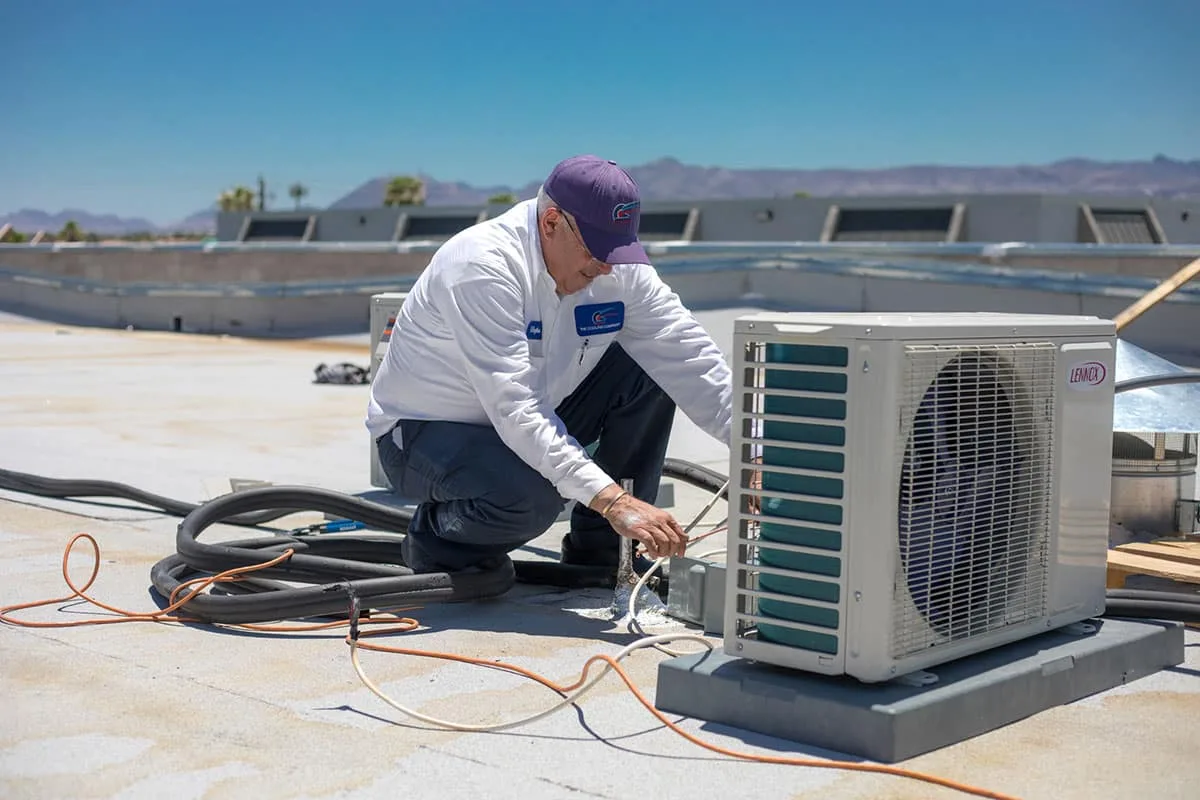
Airflow and CO₂ Management
Proper airflow is critical to prevent stagnant air pockets that can foster mold and pest infestations. Coohom’s study on commercial grow room HVAC design underscores the importance of managing airflow alongside temperature, humidity, and CO₂ levels. Maintaining adequate ventilation not only supports healthy respiration in plants but also helps distribute CO₂ evenly, which is vital for photosynthesis. HVAC systems designed with these factors in mind contribute significantly to maximizing growth rates and yields.Top HVAC System Choices for Cannabis Grow Rooms
When selecting an HVAC system for a cannabis grow room, several options stand out based on efficiency, control capabilities, and suitability for cultivation environments. 1. Integrated HVAC and Dehumidification Systems These systems combine air conditioning and dehumidification functions into a single unit, streamlining climate control. By reducing the need for multiple devices, integrated systems enhance energy efficiency and simplify maintenance. Altaqua’s research highlights that integrated systems can reduce energy consumption significantly while improving crop outcomes. This makes them an excellent choice for medium to large-scale operations aiming for sustainability and cost-effectiveness. 2. Heat Recovery Chillers Heat recovery chillers capture waste heat generated during cooling and repurpose it for other uses, such as water heating or space heating. This technology reduces overall energy consumption and operational costs. Catalyst BC notes that these chillers are becoming increasingly popular in cannabis cultivation due to their ability to lower utility bills and support environmental goals without compromising climate control precision. 3. Geothermal HVAC Systems Geothermal systems leverage the earth’s stable underground temperature to provide efficient heating and cooling. Though the initial installation cost can be higher, these systems offer long-term savings and consistent performance. For growers looking to invest in sustainable infrastructure, geothermal HVAC can deliver reliable climate control with minimal environmental impact, aligning well with the cannabis industry’s growing emphasis on green practices. 4. Advanced Climate Control with Automation Modern HVAC solutions often include smart controls that integrate with lighting, irrigation, and environmental sensors. This allows growers to monitor and adjust conditions remotely, ensuring optimal growth parameters are maintained 24/7. Catalyst BC emphasizes that automation not only improves energy efficiency but also enhances plant health by enabling precise, real-time adjustments based on environmental data.Practical Tips for Implementing HVAC in Cannabis Grow Rooms
Choosing the right HVAC system is only part of the equation. Proper installation, regular maintenance, and ongoing monitoring are essential to maximize the benefits of your climate control setup. You can also review the most common HVAC problems in cannabis grow rooms and how to prevent themEnsure Proper Sizing and Placement
Work with HVAC professionals who understand cannabis cultivation to accurately size your system. Consider factors such as room volume, plant density, lighting heat output, and local climate conditions. Proper placement of vents and ductwork ensures even airflow and prevents hotspots.Monitor Environmental Conditions Continuously
Use sensors to track temperature, humidity, and CO₂ levels in real time. This data helps identify issues early and allows for prompt adjustments, maintaining a stable environment that supports healthy plant growth.Maintain Equipment Regularly
Regular cleaning, filter replacement, and system inspections prevent performance degradation. Well-maintained HVAC systems operate more efficiently and have a longer lifespan, protecting your investment.Investing in the Right HVAC System Pays Off
For cannabis cultivators, the HVAC system is a cornerstone of successful growing operations. A well-designed, properly sized, and energy-efficient HVAC setup ensures optimal temperature, humidity, airflow, and CO₂ management, key factors that directly impact plant health and yield. Emerging technologies such as integrated climate control systems, heat recovery chillers, geothermal HVAC, and smart automation are transforming the industry, enabling growers to achieve better results while reducing energy consumption and operational costs. By prioritizing HVAC considerations early in the cultivation process and selecting systems tailored to cannabis-specific needs, growers can create an environment where plants thrive, harvests flourish, and sustainability goals are met.Ready to Optimize Your Grow Room with Expert HVAC Solutions?
At The Cooling Company, we understand the precision required for cannabis cultivation environments. Our certified technicians are ready to provide you with the most efficient and effective HVAC systems tailored to your specific needs. Whether you're looking to install a new system or upgrade your existing setup for optimal plant growth and energy savings, we have the expertise to ensure your grow room thrives. Don't let HVAC challenges affect your yield. Schedule Now with us today and take the first step towards a more productive and sustainable operation.Frequently Asked Questions
What HVAC system type works best for a small Las Vegas cannabis grow room (under 500 sq ft)?
For small grow rooms under 500 sq ft in Las Vegas, a ductless mini-split with a separate dedicated dehumidifier is typically the most cost-effective approach. Mini-splits provide precise temperature control, are quieter than packaged units, and are well-suited to the continuous operation demands of indoor cultivation. The key is pairing the mini-split with a properly sized dehumidifier, standard AC alone can't manage the humidity loads generated by plant transpiration and intense grow lighting. Budget $3,000–$8,000 for equipment and installation for this combination at small scale. For anything above 500 sq ft or with high-intensity lighting, I recommend evaluating integrated climate control systems that combine cooling and dehumidification in a single unit for better efficiency and control.
How do I choose the right HVAC system size for my cannabis grow room?
Proper sizing requires calculating your total heat load, a Manual J or equivalent calculation that accounts for grow light heat output (your single largest heat source), plant transpiration rates, ventilation requirements, and the outdoor ambient temperature (which in Las Vegas reaches 115°F). A common rule of thumb is 1 ton of cooling for every 400–600W of grow lighting plus a dehumidifier sized for your canopy's transpiration rates, but this is only a starting point. Oversizing causes rapid cycling that creates humidity spikes and temperature swings, fatal to terpene and cannabinoid development. Undersizing means chronic heat stress in Las Vegas's summer. I strongly recommend working with an HVAC professional experienced in grow room design rather than relying on simplified calculators. The cost of proper engineering upfront ($500–$2,000) prevents expensive equipment failures and lost harvests.
Are heat recovery chillers worth the investment for Las Vegas cannabis facilities?
For facilities over 2,000 sq ft of canopy, heat recovery chillers deserve serious consideration. These systems capture waste heat from the cooling process and repurpose it for water heating, space heating, or process heating, reducing your overall energy consumption. In Las Vegas, where NV Energy commercial electricity rates and tiered billing can make large grow operations expensive to run, any technology that reduces total kWh consumption pays meaningful dividends. The upfront cost premium over standard chillers runs 15–30%, with typical payback periods of 4–8 years through reduced energy costs. For smaller operations, the capital cost may not justify the ROI, but for commercial-scale facilities, heat recovery chillers are increasingly becoming standard, and worth including in your initial capital budget rather than retrofitting later.
How often does HVAC equipment need maintenance in a cannabis grow room compared to a standard commercial building?
Significantly more often. Cannabis cultivation creates an extraordinarily demanding environment for HVAC equipment: high humidity and heat cycles accelerate corrosion and component wear, plant matter and pollen can clog filters and coils rapidly, and continuous 24/7 operation (versus the 8–12 hour cycles of most commercial buildings) multiplies run-time hours quickly. A system that might need annual maintenance in a standard office building should be inspected quarterly in an active grow room. Filter changes every 2–4 weeks are typical rather than monthly. Condenser coils should be cleaned monthly in Las Vegas's dusty environment. Proactive maintenance on grow room HVAC isn't optional, a system failure during flowering can destroy an entire harvest worth tens of thousands of dollars.
Can I install a geothermal HVAC system for a Las Vegas cannabis grow facility?
Geothermal is technically feasible in the Las Vegas Valley, the desert terrain isn't an obstacle to horizontal or vertical loop installation, but it comes with significant upfront costs that require careful financial analysis for grow room applications. Ground loop installation in Las Vegas's rocky desert soil typically runs $15,000–$30,000 per ton of capacity for vertical bore systems, compared to $2,000–$5,000 per ton for conventional equipment. The long-term energy savings are real (geothermal systems deliver 3–5 units of heating or cooling per unit of electricity consumed versus 2–3 for premium conventional systems), but the payback period at Las Vegas commercial electricity rates runs 10–20 years for grow applications, longer than many cannabis facility operating horizons. For established, long-term facilities committed to a location, geothermal is worth modeling; for most operators, advanced conventional systems with heat recovery offer better ROI.
Related service: Need AC service in Las Vegas? Explore our AC repair and AC maintenance services for Las Vegas homeowners.
Share This Page