


Short answer: Comparing air conditioner efficiency requires understanding SEER, EER, and SEER2 ratings, but real-world savings depend on proper sizing, duct sealing, and quality installation. In Las Vegas, extreme heat and extended runtime make efficiency upgrades pay back faster than in milder climates. Focus on fixing duct leaks and ensuring correct refrigerant charge before upgrading equipment—these often deliver bigger savings than SEER increases alone.
Air conditioning choices affect comfort and energy bills. This article explains how to compare air conditioners, how ratings translate to real savings, and which upgrades give the biggest real-world returns. It keeps a clear focus on SEER, EER, HSPF, and new SEER2/EER2 labels. It also covers proper sizing, duct sealing, controls, and quality installation. Those steps usually yield realistic.
Las Vegas-Specific Efficiency Considerations
Las Vegas presents unique challenges that affect how efficiency ratings translate to real savings:
Extreme Heat and Extended Runtime
- Design temperatures: Las Vegas cooling load calculations must account for 115°F+ design temps, not standard 95°F
- Extended runtime: AC systems run 18+ hours daily during peak summer months (June-September), making efficiency gains more valuable
- EER importance: High EER ratings matter more here because systems operate at peak capacity frequently
- Payback period: Higher electricity rates and longer cooling seasons make efficiency upgrades pay back faster than in milder climates
Desert Environment Impact
- Dust accumulation: Desert dust clogs filters and coats coils faster, reducing efficiency by 10-30% if not maintained
- Monsoon season: July-September humidity spikes add cooling load, requiring systems sized for peak conditions
- Attic ductwork: Many Las Vegas homes have attic ducts where temperatures exceed 150°F, making duct sealing critical
- UV degradation: Intense sunlight degrades outdoor unit components faster, affecting long-term efficiency
Energy Bills and Rate Structure
- NV Energy rates: Time-of-use rates (1-7 PM peak) make EER and variable-speed systems more valuable
- Peak demand charges: Some plans include demand charges based on peak kW, making part-load efficiency important
- Extended cooling season: March through October operation means small efficiency losses add up over time
- High summer rates: Peak season rates make efficiency improvements pay back faster than in other regions
Key Takeaways
- Use a room-by-room Manual J load calculation (not a square-foot rule).
- Select equipment with Manual S and verify ducts with Manual D for comfort and efficiency.
- Avoid oversizing: short-cycling wastes fuel and can create uneven temperatures.
We assume you want practical guidance you can use with local rates and a contractor. The goal is to help you make a cost-aware decision. That means showing how to estimate kWh, run simple payback math, and prioritize fixes that give the largest, quickest benefits.
What do AC efficiency ratings mean?
Efficiency ratings give a quick way to compare how much cool air a unit makes per watt. Rating tests are standardized in the lab. They give numbers you can use to compare models on the spec sheet. However, lab tests assume steady airflow, correct refrigerant charge, and clean coils. Real homes differ in ways that change the outcome.
Ratings also drive rebate rules and code compliance in many areas. Utilities and state programs often set minimum rating requirements for incentives. That is practical, but a high rating alone will not guarantee savings unless the system is sized correctly, installed to good practice, and paired with sealed ducts and proper controls. Use ratings as a starting point in a broader evaluation.
What is SEER?
SEER stands for Seasonal Energy Efficiency Ratio. It estimates seasonal cooling output per watt-hour based on a set of test conditions and cycling patterns. SEER averages performance across parts-load conditions a typical system sees during a cooling season.
Manufacturers provide SEER on spec sheets. It is most useful for comparing how different models perform on an annual basis in a given climate. Keep in mind SEER assumes ideal airflow and charge. Real homes with shading differences, insulation gaps, or unusual duct layouts may see different results.
How does EER differ?
EER is the Energy Efficiency Ratio measured at a fixed, high outdoor temperature. It is a snapshot of peak performance on the hottest days. EER shows how much cooling you get per watt under those extreme conditions.
If your utility charges more during peak hours or includes demand charges, EER becomes important. A unit with high SEER but low EER may save on annual kWh but still cost more during peak events compared with a unit tuned for better peak efficiency.
Why HSPF matters for heat pumps?
HSPF is the Heating Season Performance Factor. It measures heat output per watt-hour for heat pumps over a heating season. If a heat pump is your main winter heat source, HSPF affects winter bills directly.
When evaluating heat pumps, balance HSPF with SEER and EER. Some models trade off cooling efficiency for improved heating performance. Pick a unit with good ratings in both seasons if you expect year-round use.
How is COP related to these ratings?
COP is the Coefficient of Performance. It is a simple ratio of heating or cooling output to electrical input at a single operating point. A COP of 3 means the system moves three units of heat for each unit of electricity consumed.
COP is useful in modeling specific conditions because it is precise for a given temperature. SEER and HSPF are seasonal averages. Use COP when you need snapshot performance for defined outdoor temperatures or when modeling low-temperature operation of heat pumps. (Source: DOE Better Buildings HVAC)
How should I use SEER, EER, and HSPF?
Start by matching ratings to your climate and billing structure. In hot climates with many cooling hours, SEER will drive yearly energy use. Where afternoon peaks define cost because of time-of-use rates or demand charges, EER will affect your bill more. In cold climates where heat pumps run in winter, HSPF is a major factor.
Next, compare like-with-like labels. Newer DOE test methods produce SEER2 and EER2 numbers. If one quote shows SEER2 and another shows old SEER, you cannot compare them directly. Ask for AHRI listings that show both the older and the newer metrics when possible. That avoids surprises at commissioning and when applying for rebates.
What is SEER2 and EER2?
SEER2 and EER2 are updated test methods introduced by DOE rules. They adjust indoor and outdoor test points, fan power deductions, and other loss factors. Expect SEER2 and EER2 values to be lower than the older SEER and EER for the same unit.
If you get proposals, ask whether the quoted numbers are SEER2/EER2 or legacy values. Dealers and spec sheets may still show older numbers. For fair comparison, line up quotes that use the same test standard and include AHRI reference numbers.
Are manufacturer ratings reliable?
Manufacturers test equipment in laboratories using DOE and AHRI rules. Those numbers let you compare models fairly and are a useful baseline. AHRI listings add independent verification by cross-checking lab data.
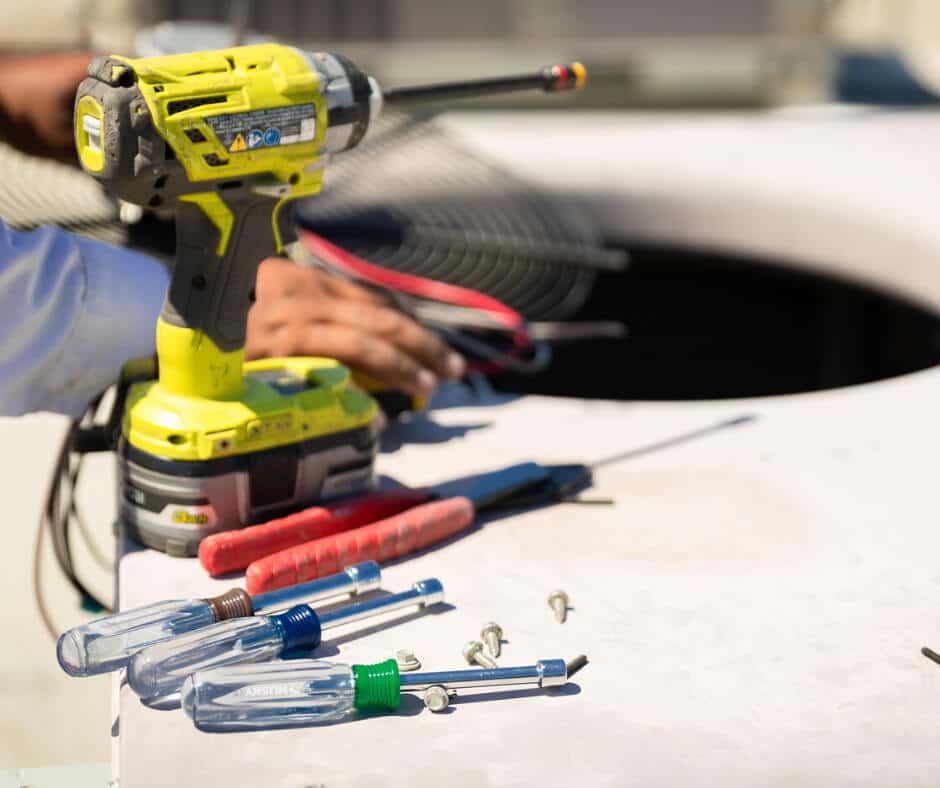
However, lab numbers do not include duct losses, poor airflow, or installation errors. Treat ratings as a starting point. Ask installers what they do to verify on-site performance with measured airflow, refrigerant charge verification, and documented start-up.
How do lab tests differ from field performance?
Laboratory tests use steady airflow, correct refrigerant charge, and clean coils. Homes do not. Real systems face fluctuating loads, dirty coils, mismatched duct work, and poor controls. Those factors can cut real efficiency by 10 to 30 percent or more depending on conditions.
Common field problems include duct leaks, wrong blower speed, short cycling from oversizing, and incorrect refrigerant charge. Variable-speed systems often perform closer to rated efficiency because they operate more often at part-load conditions. When estimating savings, always add a field-loss factor to lab numbers unless the installer documents measured performance.
What installation factors cut efficiency?
Duct leakage and poor duct insulation are top reasons for lost cooling efficiency. Air that leaks into attics or crawlspaces reduces delivered cooling and raises runtime. That makes bills higher and comfort worse.
Wrong refrigerant charge and incorrect airflow also reduce capacity and efficiency. A properly trained technician should measure and document charge and airflow and perform a Manual J load calculation prior to equipment selection. Ask for those documents in writing.
How much does refrigerant charge matter?
Correct refrigerant charge is vital. Undercharge reduces capacity and increases runtime. Overcharge can lower efficiency and stress the compressor. Both conditions shorten equipment life and raise operating cost.
Modern systems need precise superheat and subcooling checks or controller-based charge verification. Insist on written charge verification in the start-up report. That documentation protects you and helps meet rebate or warranty requirements. [Point 1] (Source: DOE Better Buildings HVAC)
How can I estimate operating costs and payback?
To estimate operating cost, convert capacity and run hours into annual kWh using SEER. Then multiply kWh by your local electricity rate. Include fan energy, thermostat behavior, and any backup resistance heat when applicable. Time-of-use rates and demand charges can change the relative value of higher EER or variable-speed compressors.
Run multiple scenarios with conservative and optimistic assumptions. Include rebates and likely repair-cost differences. If you plan to finance, include interest. The result should show a realistic payback window and an expected range rather than a single optimistic number.
How to calculate annual kWh use?
A simple formula is: kWh/year ≈ (Capacity BTU/h × Annual run hours) ÷ (SEER × 3,412). For example, a 36,000 BTU/h unit running 1,500 hours at SEER 16 yields a baseline kWh/year. Add fan energy and any extra loads for a more accurate total.
Adjust for part-load performance if you have EER or SEER2 curves, and include duty cycles for variable-speed systems. Then multiply kWh by your per-kWh rate for a dollar estimate of annual cooling cost.
What electricity rates affect savings?
Flat per-kWh rates are easy to use. But many customers face time-of-use pricing that charges more during peak hours. Some commercial and residential plans also include demand charges based on peak kW.
If your bill includes peaks, EER and part-load behavior will matter more than simple annual SEER. Contact your utility for the exact rate schedule and use peak and off-peak rates in the payback scenarios.
How to run a simple payback calculation?
First, estimate annual kWh for the existing and the proposed units. Second, multiply the kWh difference by your electricity rate to get annual dollars saved. Third, divide the incremental installed cost by the annual savings to get payback years.
Include rebates, tax credits, and expected maintenance or repair differences. Present optimistic and conservative cases. That shows the likely range for payback and helps you decide if the upgrade fits your financial goals.
Which upgrades give the biggest real-world savings?
Not all upgrades deliver the same value. Fixes that reduce major losses often beat small jumps in SEER when installation is poor. Duct sealing, correct sizing, and airflow tuning are typically high-impact steps. Controls such as smart thermostats and zoning can add meaningful savings if installed and used properly.
Prioritize actions that correct existing losses. In many homes, sealing ducts and correcting airflow provide larger, faster gains than moving from 16 to 20 SEER. Consider the full installed cost and the quality of commissioning when comparing bids.
How does duct sealing improve results?
Sealing ducts prevents cooled air from escaping into unconditioned spaces. That forces more conditioned air to rooms, improving comfort and reducing runtime. In leaky systems, sealing can reduce cooling energy use by 10 to 30 percent, depending on the severity of leakage.
Technicians use mastic, foil-backed tape, or aerosol sealants to close leaks. Exposed duct runs should be insulated after sealing. If ducts pass through an attic or crawlspace, prioritize those runs before changing outdoor units.
What gains do smart thermostats offer?
Smart thermostats reduce waste by tightening schedules, adapting setbacks, and using occupancy sensors. Savings vary by household behavior but commonly fall in the low single-digit to low double-digit percentage range for cooling hours.
Pairing a smart thermostat with zoning or a properly sized system can increase effectiveness. Verify compatibility with variable-speed equipment and confirm the thermostat can control your system’s features before purchase. [Point 2] (Source: DOE Better Buildings HVAC)
Are variable-speed compressors worth it?
Variable-speed compressors modulate output to match load. They run more often at lower power, which reduces on/off losses, improves humidity control, and raises part-load efficiency. That typically yields better comfort and lower real bills compared with single-speed units.
They cost more up front but often pay back faster in humid climates or homes with long run hours. If you value comfort and humidity control, or if peak rates penalize cycling, variable-speed systems are usually a good choice.
How does maintenance preserve efficiency?
Regular service keeps coils clean, filters changed, and airflow correct. Dirt and clogging raise runtime and reduce capacity. Small problems allowed to grow result in higher bills and earlier failures.
Schedule an annual tune-up with a qualified technician and keep written records. This helps protect warranties and keeps performance near rated levels over time.

How do I compare models on a budget?
Balance price and expected savings by choosing a SEER and EER range that fits your climate and usage. Shortlist models in that band and compare installed cost, warranty, and the start-up testing the installer will perform. The total installed cost matters more than sticker SEER.
A mid-range SEER with a competent installer and full commissioning often outperforms a higher-SEER unit installed poorly. Ask for AHRI reference numbers and a written start-up report in every proposal so you can compare apples-to-apples.
What tradeoffs exist between price and SEER?
Higher SEER costs more, and the incremental cost per SEER point grows at the top end. Our brand comparison tool lets you compare efficiency ratings across Lennox, Carrier, Trane, and other manufacturers side by side. Payback depends on run hours and electricity price. In mild climates, a high-SEER premium can take many years to recover.
A mid-range SEER with a solid installer warranty often gives better value for many homes. Check local rebates and tax incentives. Those can significantly lower the upfront price and change the payback math.
How to read manufacturer spec sheets?
Spec sheets show SEER, EER, HSPF, capacity, and key options. Verify whether ratings are SEER2 or legacy SEER. Look for AHRI reference numbers that let you cross-check independent listings.
Note fan motor type, compressor staging, and what options are standard versus optional. Ask the dealer to confirm which features are included in the quoted installed price to avoid surprises at invoice time.
Which rebate programs lower payback time?
Utilities and states often rebate efficient equipment and improvements like duct sealing or controls. Rebates can cut hundreds or thousands from the installed cost and speed payback dramatically.
Search your local utility’s rebate pages and ENERGY STAR listings. Some rebates require pre-approval or certified installers. Keep all invoices and documentation to prove eligibility for incentives. [Point 3] (Source: DOE Better Buildings HVAC)
Related service: Need AC service in Las Vegas? Explore our AC repair and AC maintenance services for Las Vegas homeowners.
Need HVAC service help in Las Vegas?
If you're facing an HVAC emergency in Las Vegas, Henderson, or North Las Vegas, The Cooling Company offers fast, reliable service from licensed technicians. We understand that heating and cooling emergencies don't wait for business hours.
Call us now at (702) 567-0707 for emergency service. Our team is ready to help restore your comfort quickly and safely.
How to get a home estimate?
Gather your recent electric bills, current unit model numbers, and basic home details like square footage, roof color, and window shading. These inputs help the technician size the new system and estimate run hours.
Request a Manual J load calculation, a duct leakage test, and a written start-up report in the proposal. A detailed estimate with documented assumptions makes it easier to compare bids and verify performance after installation.
Call The Cooling Company for Las Vegas area service?
Las Vegas, Henderson, and North Las Vegas homeowners can call The Cooling Company at (702) 567-0707 for a free consultation and home estimate. Our licensed technicians perform Manual J, duct leakage testing, SEER2/EER2 checks, and documented start-up testing to ensure systems meet expectations.
We offer maintenance, repairs, and full system replacements. Ask about local rebates and our satisfaction guarantee during the consultation. We will schedule a site visit and explain the numbers in plain, practical terms.
What if I am outside the Las Vegas area?
If you are outside our service area, find certified technicians at the NATE directory: Find NATE-certified technicians. NATE certification indicates technicians have passed industry tests and often follow best practices for testing and start-up.
When vetting any local pro, ask for Manual J results, duct leakage test reports, AHRI numbers, and a written start-up report. Those deliverables help ensure the installed system will reach expected performance.
Final checklist before signing a contract?
Insist on a documented Manual J load calculation and a duct leakage test. Confirm SEER2/EER2 values and AHRI reference numbers. Require that the installer test refrigerant charge, airflow, and deliver a written start-up report when work is complete.
Get all options and warranty terms in writing. Check for included maintenance visits and any performance guarantees. A clear, detailed proposal lowers risk and helps you compare true value across contractors.
Closing next steps
Compare bids using total installed cost, documented start-up testing, and net price after local rebates. Favor installers who test and record on-site performance instead of relying on sticker numbers. That approach gives the best chance at real savings and lasting comfort.
If you are in Las Vegas, Henderson, or North Las Vegas, call The Cooling Company at (702) 567-0707 for a detailed on-site estimate, Manual J, and duct inspection. For other areas, search the NATE directory and follow the checklist above when vetting contractors.
Sources
- DOE Better Buildings HVAC: Better Buildings Solution Center HVAC
Compliance note
Use SEER for seasonal cooling cost estimates, EER for hot-peak performance, and HSPF for heat-pump winter heat. Compare SEER2/EER2 labels when available and include correct sizing, duct sealing, controls, and quality installation. Those steps usually yield realistic energy savings and better comfort than rating changes alone. [Point 4] (Source: DOE Better Buildings HVAC)
Related reading: what to explore next?
- Compare HVAC Brands for Las Vegas
- Side-by-Side Brand Efficiency Comparison
- Emergency Ac Repair: Get Same Day Service Before Heat Hits Today
- Heating System Repair: 5 Urgent Signs You Need Service Today
- Heating System Maintenance: 7 Quick Checks to Save on Bills Now
- Rebates on New HVAC Systems: Save Hundreds with These Steps Today
- Ac and Furnace: Signs You Need Repair Today Before Costs Soar
- HVAC System Types: How to Choose the Best One for Your Home Now
- Air Conditioner Not Working: AC Not Working 12 Fast Fixes to Restore
- Cost to Replace AC: What to Budget for Your New System
- Air Handler Installation Cost: What to Budget Before Buying
- Furnace Types: Fuel, Technology, Efficiency
Ready for Maximum AC Efficiency?
Don't let inefficient air conditioning drive up your Las Vegas energy bills. The Cooling Company specializes in helping homeowners compare and select the most efficient systems for their needs. Our certified technicians perform Manual J load calculations, duct leakage testing, and documented start-up procedures to ensure your system meets rated efficiency.
We understand Las Vegas's unique challenges—extreme heat, desert dust, and extended cooling seasons. Our efficiency-focused approach includes proper sizing, duct sealing, and quality installation to maximize real-world savings. We also help you navigate rebates and incentives to lower upfront costs.
With our satisfaction promise and Lennox Premier Dealer status, you can trust in our expertise and workmanship. Contact Us today for a free consultation and learn how to maximize your AC efficiency while minimizing energy costs.
About The Cooling Company
- Phone: (702) 567-0707
Need HVAC Service in Las Vegas?
The Cooling Company provides expert HVAC service throughout Las Vegas, Henderson, and North Las Vegas. Our licensed technicians deliver honest assessments, upfront pricing, and reliable results.
Call (702) 567-0707 or visit AC repair, maintenance, heating, or installation for details.
Share This Page
References
- U.S. Department of Energy (Energy.gov) (accessed 2025-12-20)
- U.S. Environmental Protection Agency (EPA) (accessed 2025-12-20)
- ASHRAE (Standards and guidance) (accessed 2025-12-20)
- ENERGY STAR (Heating & cooling) (accessed 2025-12-20)