

Short answer: Adding HVAC to an older home in Las Vegas typically costs $4,000-$10,000 for ductless mini-splits, $12,000-$28,000 for full forced-air systems with new ductwork, and $25,000-$60,000+ for complex historic retrofits. Key cost drivers include ductwork installation, electrical upgrades, insulation improvements, and system size. Las Vegas's extreme heat requires properly sized systems and well-insulated ductwork to control energy costs. Desert conditions and monsoon season can affect installation timing and material choices.
Key Takeaways
- Expect small ductless installs around $4k–$10k; full forced-air or whole‑house heat pump with new ducts typically $12k–$28k; complex historic retrofits $25k–$60k+.
- Require a Manual J load calculation and Manual D duct design, blower door and duct leakage targets to avoid oversizing and comfort issues.
- Prioritize air sealing and insulation first; lower loads reduce equipment size and operating cost and expand system choices.
- Get 3 itemized bids showing models, efficiencies, duct scope and leakage targets, electrical/gas scope, permits, timeline, and rebates.

Las Vegas-Specific Considerations for Old Homes
Las Vegas presents unique challenges when adding HVAC to older homes:
Extreme Heat and Cooling Demand
- Extended cooling season: March through October requires reliable cooling, increasing system runtime
- High cooling loads: Las Vegas homes need 20-30% more cooling capacity than moderate climates
- Attic installations: Many older Las Vegas homes have attic units where extreme heat (140°F+) accelerates wear
- Energy costs: Proper sizing and insulation are critical to control NV Energy bills
Desert Environment Impact
- Dust and debris: Desert conditions can clog filters and damage outdoor units faster
- UV degradation: Intense sunlight degrades ductwork insulation and outdoor components
- Monsoon season: Sudden storms can cause physical damage to outdoor units and require protective measures
- Low humidity: Evaporative cooling options may be more cost-effective than traditional AC in some cases
Temperature Swings
- Day/night variations: 30-40°F temperature swings stress systems and require reliable operation
- Winter heating: While mild, Las Vegas winters still require heating systems for comfort
- Dual-fuel options: Heat pumps with gas backup can optimize costs for Las Vegas climate
How much does adding HVAC typically cost?
Typical national price ranges?
Ductless mini-split (single-zone to small multi-zone): $4,000–$10,000 installed. Central air-source heat pump with new ductwork (about 1,500–2,500 ft², moderate to cold climate): $12,000–$28,000. Furnace + AC with new ducts (gas furnace + central AC): $8,000–$25,000 depending on furnace AFUE, AC SEER, and duct complexity. Full historic/complex retrofit (3,000+ ft², electrical service upgrades, architectural work): $25,000–$60,000+. Las Vegas pricing context: Expect similar ranges, but add 10-15% for proper sizing to handle extreme heat. Attic ductwork installations may cost more due to extreme temperatures. Energy-efficient systems (16+ SEER) are recommended to control summer energy bills. Ranges reflect equipment, labor, new ductwork, electrical/gas upgrades, permits, and any needed insulation or structural access work. Practical example: a 2,000 ft² bungalow needing new ducts and a 14-SEER heat pump in a moderate climate commonly lands in the $14k–$20k range after permitting and basic electrical work. In Las Vegas, the same home might need a 16-SEER system and better-insulated ductwork, adding $2,000-$3,000 to the total.Which components drive most cost?
Major cost drivers: Equipment type & efficiency: high-efficiency heat pumps or two-stage gas furnaces can add 10–40% to equipment cost. Ductwork: routing through walls or ceilings in a tight, plaster house is much more labor‑intensive than running ducts in an open attic or crawlspace. Electrical service upgrades: many modern heat pumps need new breakers or a 200A service, which can cost $1,500–$4,000. Gas piping/venting: running new gas lines or adding Category III venting may add $500–$3,000+. Envelope work: air sealing, attic insulation, and window repairs lower loads but add upfront cost. Permits, testing, and commissioning: plan $500–$2,000 for permits and required tests in many jurisdictions.How expensive is new ductwork?
Typical ductwork costs and examples?
- Simple attic or crawlspace run for a modest house: $3,000–$6,000.
- Complex multi-level, in-wall, or concealment runs (historic or tight cavities): $6,000–$15,000+.
- High-quality sheet-metal mains, sealed and insulated trunks: add $1,000–$3,000 versus basic flex duct.
Practical checks for ductwork bids
Request a duct layout with trunk and branch lengths. Ask for register counts and the location of returns. Confirm insulation R-value for ducts in unconditioned spaces. Require sealing method details: mastic, foil tape, or aerosol duct sealing.Ductless and heat pump options
What does a ductless mini-split cost?
- Single‑zone wall-mounted unit: $3,000–$6,000 installed (one outdoor unit, one indoor head).
- Multi-zone (2–4 heads): $5,000–$12,000+.
- Concealed ducted indoor units, flush-ceilings, or more than four heads increases labor and parts quickly.
How much for heat pump systems?
Air-source and geothermal ranges
- Single outdoor + one indoor (small home): $4,500–$9,000.
- Whole‑house cold-climate air-source heat pump (including moderate duct retrofits): $12,000–$28,000.
- Ground-source (geothermal) heat pumps: $30,000–$60,000+ depending heavily on site geology and loop-field installation. (Source: ASHRAE Technical Resources)
Can a heat pump work in older homes?
Modern cold-climate heat pumps work in many older homes if you:- Do targeted air sealing and insulation to reduce peak load.
- Verify electrical service can handle the unit.
- Consider a hybrid system pairing the heat pump with a gas furnace for backup in very cold climates.
Retrofitting steam radiators and hydronic systems
Converting steam or old hydronic systems to forced air or direct heat pump solutions is possible but often costly. Alternatives include:- Use ductless heads in rooms served by radiators.
- Retrofit boilers to run with a hydronic heat pump if water temperatures are compatible.
Ductwork, comfort, and moisture control
Why Manual D duct design matters
Manual D ensures sized ducts deliver correct airflow to each room. Proper design prevents:- Room over- or under-supply, drafts, noise, and imbalanced comfort.
- Excessive static pressure that increases energy use and shortens equipment life.
How duct leakage increases bills
Leaky ducts can lose 10–30% or more of conditioned air, especially when ducts run through unconditioned attics. Request a pressure-tested duct leakage target. Many quality installs aim for less than 6–8% of system fan flow or <6 CFM25 per 100 ft² of conditioned floor area, depending on local standards. Practical check: ask contractors if they perform a duct blaster test and will seal ducts with mastic and foil tape rather than plain duct tape.Can existing ducts be reused?
If existing ducts are properly sized, structurally sound, and can be sealed and insulated, reuse saves money. Expect to replace undersized or damaged flex ducts in many older homes. Have a contractor measure existing trunk and branch sizes against Manual D requirements.How wall cavities affect runs and cost
Thick plaster walls, lathe, and narrow studs typical of older homes limit in-wall runs. Expect workarounds: soffits, closets, lowered ceilings, or routing through conditioned attic/crawlspace. Each workaround adds labor and finish work.Crawlspace and attic options
- Attic ducts are common but must be well insulated and sealed. Otherwise expect large thermal losses.
- Crawlspaces may require encapsulation or insulation to be treated as conditioned space.
Getting accurate bids and required tests
What should a Manual J calculation include?
A proper Manual J should list:- Conditioned floor area by space, window types and areas, insulation levels, orientation, and infiltration assumptions.
- Heating and cooling loads per zone, expressed in BTU/h and CFM.
Which contractor credentials matter for old homes?
State or local HVAC license and any required mechanical/electrical licenses. NATE-certified technicians and manufacturer training for the proposed equipment. Experience with older homes and historic preservation when applicable. Proof of insurance (general liability and workers’ comp) and local references. Ask for at least two references from projects similar in age and complexity. (Source: ASHRAE Technical Resources) Use our HVAC inspection checklist to verify the quote includes documented testing and commissioning, not just equipment replacement.How many estimates should I get?
Get at least three itemized bids. To understand what happens during a retrofit from start to finish, read our HVAC installation process guide. Compare make/model numbers, efficiencies (SEER/HSPF/AFUE/COP), Manual J/D included, duct materials and leakage targets, electrical/gas scope, permit fees, startup and commissioning, total price, timeline, and warranty details. Practical tip: create a one-page comparison sheet to force an apples-to-apples review.Tests and permits required
Manual J is the standard for sizing. Oversized equipment wastes energy and underperforms on humidity control. A blower door test quantifies whole-house air leakage and identifies priority air-sealing locations. Sealing can cut required capacity by 10–30%. A duct blaster test provides cfm leakage numbers or a percentage of fan flow. Include target numbers in the contract. Use ASHRAE 62.2 for ventilation rates. The continuous ventilation rate formula: Qf (cfm) = 0.03 × floor area (ft²) + 7.5 × (bedrooms + 1). Most work requires mechanical, electrical, and sometimes building permits. Expect inspections at rough-in and final stages. Allow 1–2 weeks for permit scheduling in many areas. Ensure an electrician or licensed plumber performs service changes and gas piping. They must provide inspection signoffs.Electrical, gas, and insulation impacts
Typical electrical and gas upgrade costs and checks
- Electrical service upgrade to 200A: $1,500–$4,000 depending on meter location and utility coordination.
- New dedicated circuits, disconnects, and minor wiring: $300–$1,500.
- Gas line installation or extension: $500–$3,000+ depending on distance and trenching needs.
How does insulation affect system size and cost?
Sealing air leaks and adding insulation reduce heating and cooling loads. They can let you choose a smaller, less expensive system. Example: increasing attic insulation from R-19 to R-38 and sealing attic-to-house penetrations can lower peak heating load by 10–25% depending on climate and leakage. Las Vegas insulation tips: Attic insulation is critical in Las Vegas—aim for R-38 to R-49 to reduce cooling loads. Properly sealed and insulated ductwork prevents energy loss in extreme attic heat. Air sealing around windows, doors, and penetrations reduces infiltration and system size requirements. Homeowner checks: measure attic insulation depth, inspect for daylight at sill plates, and note recessed lights and wiring that may need sealing.Decision Checklist: Choosing the Right System for Your Old Home
Use this checklist to evaluate your options and make informed decisions:
Pre-Installation Assessment
- Get Manual J load calculation: Required for proper sizing—don't accept square-foot rules
- Evaluate existing infrastructure: Check if existing ducts can be reused or need replacement
- Electrical service check: Verify if panel upgrade is needed (many old homes have 100A service)
- Insulation audit: Assess attic and wall insulation—improving insulation reduces system size needed
- Access evaluation: Determine if attic, crawlspace, or wall access is feasible for ductwork
System Type Considerations
- Ductless mini-splits: Best for homes without existing ducts, limited access, or room-by-room control needs
- Central forced-air: Best for whole-house comfort, existing ductwork, or new construction
- Heat pumps: Consider for Las Vegas climate—efficient cooling and mild heating needs
- Dual-fuel systems: Heat pump with gas backup optimizes costs for Las Vegas temperature swings
Cost Drivers to Verify
- Ductwork scope: New ducts vs. reuse existing—get itemized pricing
- Electrical upgrades: Panel upgrade, new circuits, permits—often $1,500-$4,000
- Insulation improvements: Attic insulation, air sealing—reduces system size needed
- Permits and inspections: Budget $500-$2,000 for permits and required tests
- Equipment efficiency: Higher SEER/AFUE costs more upfront but saves on energy bills
Action checklist for homeowners
How to compare bids side by side
Create a spreadsheet with columns for: equipment make/model and serials, SEER/HSPF/AFUE/COP, Manual J/D included, duct materials and leakage target, electrical/gas upgrades, permit fees, pre- and post-testing (blower door/duct blaster), total price, startup/commissioning visit, labor warranty and equipment warranty, timeline, and rebate assistance. Ask contractors to justify differences in labor scope and material quality. Sample email checklist to request bids from contractors Use this text to request comparable bids (edit fields in brackets): Hello [Contractor name], Please provide an itemized proposal to serve my house at [address]. Include the following: A printed Manual J load calculation and Manual D duct layout if ducts are required. Equipment make/model, SEER/HSPF/AFUE ratings, and estimated capacity in BTU/h. Detailed duct scope: trunk length, branch layout, register counts, insulation R-value, and proposed sealing method (mastic, foil tape). Duct leakage target and confirmation that a duct blaster test will be performed. Electrical panel and circuit requirements and estimated cost for any panel upgrade. Any gas piping or venting work and associated costs. Permit fees, inspections, and expected timeline from start to final inspection. Start-up and commissioning visit included in price and written equipment warranty information. Any available rebates you will assist with and an estimate of net cost after rebates. Please include at least two references for recent jobs on older homes and a copy of your insurance certificate. I plan to collect three bids and will schedule site visits the week of [date]. Thank you, [Your name, phone number, email] Sample three-bid comparison (hypothetical house: 2,000 ft², northern climate)- Bid A (Heat pump + new ducts): $18,500 total. Equipment: 15-SEER/8-HSPF inverter heat pump, new sheet-metal trunks and insulated flex branches, duct leakage target <6% fan flow, panel upgrade to 200A included, blower door pre/post testing not included, 10-year compressor warranty. Timeline: 10 working days.
- Bid B (Ductless 3-zone): $9,800 total. Equipment: 3 indoor heads, 20-SEER equivalents in heating mode, minimal drywall work, no changes to electrical service, no blower door test, optional ERV for $3,200. Timeline: 3 days.
- Bid C (Furnace + AC + ducts): $14,200 total. Equipment: 95% AFUE gas furnace + 14-SEER AC, new ducts run in attic, duct leakage target 10% (lower price quoted), gas line run 40 ft included, panel upgrade not included ($2,100 if needed). Timeline: 7 working days.
Final practical checks before signing
Verify Manual J/D documents and blower door/duct blaster reports will be provided. Confirm who pulls permits and that the price includes permit fees. Get the exact equipment models and written warranty terms. Request startup, system balancing, and thermostat programming as part of the contract. Require written change-order procedures and lien releases for major material purchases. Making the system choice for an older house depends on your budget, access for ducts, desire to preserve original finishes, and long-term energy goals. Prioritize a proper load calculation, air sealing, and clear, itemized bids to avoid surprises and get a comfortable, efficient result. (Source: ASHRAE Technical Resources)Ready to Add HVAC to Your Old Las Vegas Home?
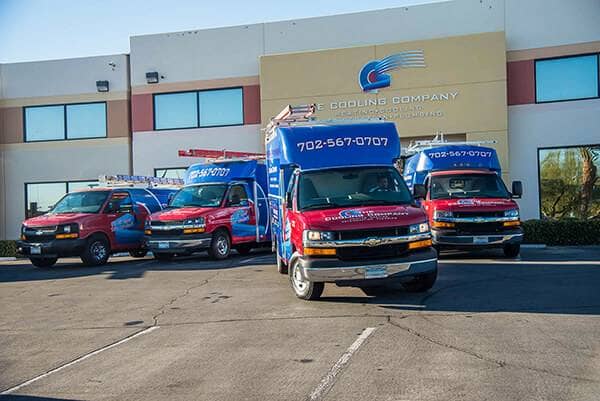
Adding HVAC to an older home requires expertise in load calculations, ductwork design, and Las Vegas-specific considerations. The Cooling Company specializes in retrofitting older homes with modern, efficient HVAC systems. Our NATE-certified technicians understand the unique challenges of Las Vegas homes—extreme heat, desert conditions, and energy efficiency needs.
We provide comprehensive assessments including Manual J load calculations, ductwork evaluation, and electrical service checks. Our team helps you choose the right system type (ductless, central, heat pump) based on your home's structure, budget, and comfort goals. We also coordinate permits, inspections, and any necessary electrical or insulation work.
With our satisfaction guarantee and Lennox Premier Dealer status, you can trust in our expertise. Contact Us today at (702) 567-0707 for a free consultation and detailed estimate for your old home HVAC retrofit project.
Share This Page
Related reading: what to explore next?
- Furnace Prices: Total Cost to Buy, Install,
- Furnace: How It Works, Common Problems, Costs
- Furnace Size: Furnace Size: Why Sizing
- HVAC Financing Near Me: Fast Approval In Las Vegas
- Service Finance: HVAC Financing In Las Vegas
- Hot Water Heater Financing Near Me: Fast Approval, Same-Week Service
- HVAC Financing Calculator: Estimate Your Monthly Payment In Seconds
- HVAC Financing For Bad Credit: Real Options With No Judgment
- HVAC Repair Financing: Fix It Today With Monthly Payments (OAC)
- HVAC Financing Rates: What Impacts APR And How To Get Better Terms
Related service: Considering a heat pump for your Las Vegas home? Explore our heat pump installation and heating services services for Las Vegas homeowners.
Need HVAC Service in Las Vegas?
The Cooling Company provides expert HVAC service throughout Las Vegas, Henderson, and North Las Vegas. Our licensed technicians deliver honest assessments, upfront pricing, and reliable results.
Call (702) 567-0707 or visit AC repair, maintenance, heating, or installation for details.