


Short answer: DIY HVAC installation is risky and often illegal. Refrigerant handling requires EPA certification, electrical work needs permits, and mistakes can void warranties, cause fires, or create carbon monoxide hazards. In Las Vegas, where summer temperatures exceed 110°F and systems run 10-11 months per year, proper sizing, refrigerant charge, and duct sealing are critical for efficiency and safety. Professional installation ensures code compliance, warranty protection, and optimal performance in extreme desert conditions.
Las Vegas HVAC Installation Context
Las Vegas homeowners face unique challenges when considering HVAC installation. The Las Vegas Valley experiences 310+ days of direct sunlight annually, with summer highs regularly reaching 110-115°F. Unlike moderate climates, AC systems here operate nearly year-round, which increases wear and makes proper installation critical for long-term reliability. Desert dust storms can clog filters and coils faster, requiring systems designed for high particulate loads. High summer energy bills make efficiency especially valuable, with many homeowners seeing $100-300+ monthly savings from properly sized, efficiently installed systems.
During peak summer months (June through September), installation demand surges, and same-day service becomes critical for comfort and safety. Neighborhoods across the valley, from Summerlin and Henderson to North Las Vegas, Paradise, and Enterprise, all face similar heat challenges, but home age, insulation quality, and existing ductwork condition vary significantly. Older homes built before modern energy codes often need duct sealing and insulation upgrades alongside new equipment. Newer homes may only need properly sized equipment, but still benefit from quality installation and commissioning.
Las Vegas also experiences rapid temperature swings, desert nights can drop 30-40°F from daytime highs, and occasional winter cold snaps require reliable heating. Monsoon season (July-September) brings humidity spikes that can stress systems. These conditions make proper load calculations, refrigerant charge, and airflow balancing essential for comfort and efficiency.
Why homeowners search for DIY HVAC install
Many homeowners are driven to consider DIY HVAC installations as a means to reduce expenses and gain greater control over home improvements. A combination of enthusiasm for new technologies, the visibility of success stories online, and common misinterpretations about the simplicity of HVAC systems leads many to seek independent solutions. Some believe that HVAC installation is similar to other home repair projects like painting or basic plumbing, but such views can be deceiving. The challenges and stringent safety demands of HVAC systems, as well as specific local code requirements, set the stage for pitfalls that might not be immediately apparent. A search through various online platforms shows that many homeowners see DIY install as an acknowledgment of personal capability. Websites and video channels often simplify the process, which contributes to overly optimistic expectations about cost savings and ease of installation.How online videos make HVAC look easier than it is
Digital media outlets can downplay the complexities encountered in HVAC work. High-quality videocasts usually focus on well-executed projects, omitting the full scope of potential complications. When system design, fluid refrigerant handling, and local electrical codes are simplified, the inherent risks become obscured. These online sources may also gloss over the strict adherence needed to meet code compliance and safety standards. The carefully edited procedures often neglect missteps that could void warranties or endanger lives. This selective presentation can lead viewers to underestimate challenges involved, which is why it helps to sanity check any project against a professional HVAC installation checklist instead of only trusting a highlight reel.How much money people hope to save with DIY
Homeowners entering a DIY project often expect significant cost reductions compared to professional installation. However, while the upfront cost may appear lower, the long-term savings often diminish when mistakes require professional fixes later on. In fact, professionals warn that poorly executed installations can lead to inefficiencies that result in ongoing energy consumption increases. For example, if the wrong refrigerant charge is applied or ductwork is improperly balanced, efficiency losses may drive energy costs up, effectively canceling any initial savings.Why HVAC feels similar to other home projects but is not
The similarity between HVAC maintenance and other household tasks often gives a false impression of ease. Much like replacing a light fixture or repairing a leaking faucet, some tasks seem straightforward. However, the equipment involved in HVAC systems is part of a complex network that balances electrical, refrigerant, and airflow components within strict regulatory guidelines. Homeowners may compare HVAC work to assembling furniture, a comparison that severely underestimates the risks. When the task involves hazardous materials or intricate electrical modifications, the consequences of error rise exponentially, contributing to long-term operational and safety concerns.When curiosity about DIY can turn into real risk
The transformation from benign curiosity to genuine risk is often swift when untrained DIY work interferes with HVAC systems. Handling refrigerants, for instance, is governed by strict EPA regulations. In fact, unless a person is a licensed EPA technician, refrigerant handling is both illegal and dangerous (HVAC Know It All). Mistakes in electrical work or gas connections can lead to not only operational failures but also hazards such as fires or carbon monoxide leaks. This delicate interplay of materials and environmental conditions underscores the need for expertise when exploring beyond basic maintenance tasks. A critical takeaway: thorough preparation and correct execution can be the difference between energy-efficient operation and hazardous malfunctions.What looks DIY friendly in the HVAC installation process
Despite the risks, certain tasks in HVAC maintenance seem approachable to the DIY enthusiast. Some parts of the process do not require comprehensive technical knowledge and can be managed with minimal tools and proper caution. However, discerning which tasks truly fall into the safe DIY category is essential. The simplicity of these tasks is often assumed from their resemblance to other household maintenance routines, yet even seemingly straightforward jobs require careful adherence to guidelines. When details such as system load calculations or refrigerant charge levels are mistaken for optional luxuries, the system's overall efficiency suffers. Ultimately, even tasks that appear simple on the surface require an awareness of potential complications, especially when local factors like Las Vegas’ extreme temperatures and dust patterns impact system performance.Tasks that seem simple on the surface
Homeowners may be drawn to tasks such as filter replacement, cleaning condenser coils, and clearing condensate lines. These routine procedures, performed on a regular schedule, can maintain comfort conditions in many systems. Nevertheless, subtle issues such as the need for correct filter type selection and the recognition of blocked airflow pathways are often underestimated. In regions like Las Vegas, where dust loads overwhelm systems quickly, regular upkeep takes on even more importance. A correctly matched filter type and a timely cleaning schedule help avoid reductions in system capacity.Basic comfort checks homeowners can do safely
There are comfort checks that can be safely conducted by homeowners without extensive technical training. Such tasks include verifying that thermostats operate evenly across various zones, checking whether registers are unobstructed, and confirming that filters are clean. These actions, when performed regularly, allow early detection of efficiency losses and system malfunctions. Regular monitoring can contribute significantly to improved system performance, ensuring that the home remains comfortable during extreme weather fluctuations.Simple maintenance that is actually safe DIY
Simple, routine maintenance tasks that are well within the training of most homeowners include cleaning or replacing filters, ensuring the condensate drain remains clear, and gently dusting exterior units. Such tasks, when executed carefully, help prolong the life of your HVAC system. Homeowners are encouraged to perform these checks routinely, as they align with standard practices recommended by manufacturers. By adhering to manufacturer instructions and local codes, these tasks can reduce the chance of more severe malfunctions, reducing the need for costly call-outs.When even small tasks should be left to a pro
Even simple tasks require professional oversight if there is uncertainty about proper handling or if the issue appears more complex than suspected. When unusual noises or erratic thermostat performance occurs, relying on professional diagnosis can prevent further system degradation. Attempting to fix problems such as irregular airflow or anomalous electrical currents can lead to safety risks. A professional not only adheres to local code guidelines but also confirms that various components operate in harmony. For example, elevated head pressures due to attic heat in Las Vegas demand precise handling. A homeowner takeaway: when in doubt, involve a licensed professional to safeguard your comfort and safety.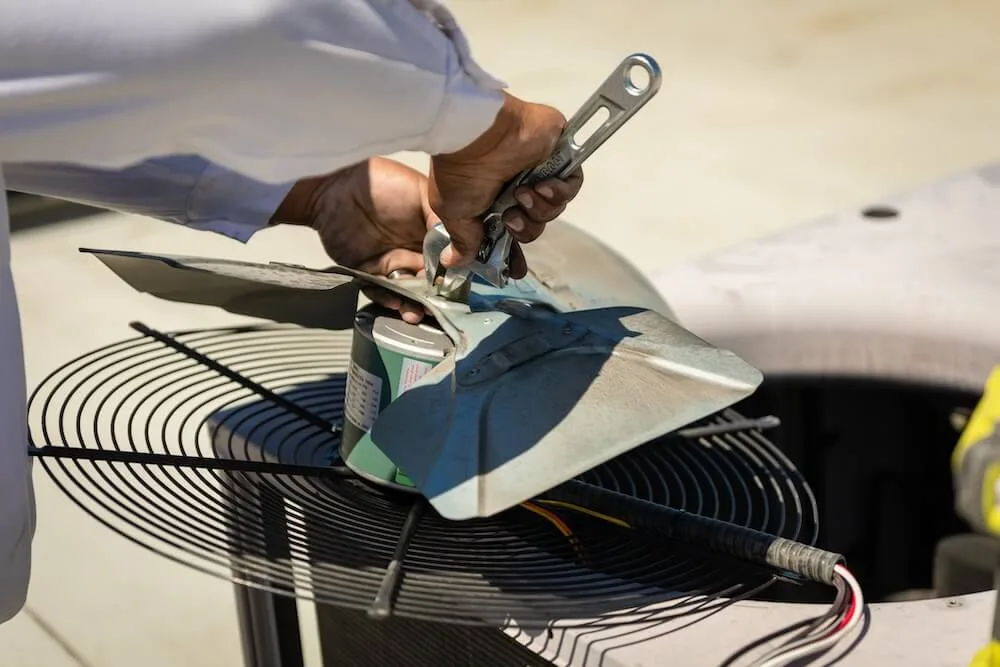
Work that legally and safely requires a licensed HVAC pro
Certain areas of HVAC installation and repair are strictly reserved for licensed professionals. The handling of refrigerants, gas lines, and electrical systems involves not only technical precision but adherence to strict legal standards and safety protocols. In addition to legal implications, the technical complexity and inherent risks associated with these tasks warrant professional intervention. A licensed HVAC professional brings specialized training and sophisticated diagnostic tools to ensure that systems meet both manufacturer specifications and local codes. Regular adherence to these standards is especially critical in regions with unique environmental challenges, such as those found in Las Vegas.Refrigerant handling and EPA Section 608 rules
Refrigerant management is tightly regulated under EPA Section 608, which mandates that only certified technicians handle these chemicals. The refrigerant’s role in transferring heat efficiently means any mishandling could result in severe operational problems and legal violations (HVAC Know It All). Even minor mistakes in handling can create leaks, reduce efficiency, or lead to environmental damage. Awareness of the rules is essential for preventing unsafe practices that might not be immediately obvious during routine work.Electrical work and local code compliance
The electrical components of an HVAC system demand adherence to strict local codes. Handling circuits and wiring improperly increases the risk of fire and equipment failure. Homeowners may lack the necessary background in electrical standards, which are designed to safeguard human life and property in all conditions. Local code compliance also means that all modifications adhere to pre-established safety standards, often requiring permits and post-install inspections. This is especially important in areas where frequent electrical surges or extreme heat can compromise installations.Gas furnace connections venting and combustion safety
Gas furnaces require precise connections, proper venting, and rigorous safety checks to ensure that combustion occurs safely and efficiently. Improper venting can lead to incomplete combustion and dangerous carbon monoxide buildup. Recognizing this complexity is crucial, as even slight missteps can have dire consequences. This type of work is not only a matter of efficiency but a serious safety risk that mandates professional oversight. The correct installation protects both the home and its occupants from harmful emissions.Installing and pressure testing line sets
Line sets, which carry refrigerants throughout the system, must be installed with precision and rigorously tested for leaks under pressure. The process involves specialized tools and adherence to manufacturer guidelines to ensure that no small defect undermines the whole system’s performance. Pressure testing confirms that connections remain intact under operating conditions. This task, like refrigerant handling, must be performed by those properly certified and trained, eliminating risks associated with DIY errors.Duct modifications and airflow balancing
Modifications to ductwork and subsequent balancing of airflow can significantly affect HVAC performance. In Las Vegas, where extreme heat and dust levels are prevalent, even slight imbalances can lead to compromised system efficiency and uneven comfort across the home. These adjustments require precise measurements, proper sealing, and knowledge of airflow dynamics. Only a certified professional can accurately diagnose and correct such issues, ensuring the system performs as designed.Final HVAC commissioning and performance testing
After installation, comprehensive commissioning and performance testing are necessary to ensure that the HVAC system operates safely, efficiently, and in compliance with regulatory standards. This final step verifies that installation details, from electrical systems to refrigerant charges, meet prescribed standards. Commissioning involves measuring static pressures, temperature splits, and overall system balance. It provides tangible proof that the work completed meets expected standards, offering peace of mind to homeowners and protecting future warranty claims. Remember this: critical safety and performance checks should always be left to licensed experts.Real consequences of a DIY HVAC install
The decision to embark on a DIY HVAC install can lead to severe real-world repercussions. Mistakes in installation not only compromise system efficiency but can also introduce significant safety hazards and legal issues. For instance, faulty installations can void manufacturer warranties and lead to increased operational costs over time. The gap between perceived savings and actual expenditures often widens when errors necessitate additional professional intervention. The scope of potential issues underlines the need for careful evaluation before proceeding with any DIY efforts (This Old House).Voided manufacturer and labor warranties
An improperly installed HVAC system may lead directly to voided manufacturer and labor warranties, leaving homeowners solely responsible for any future repairs or replacements. Warranties are designed to protect against manufacturing defects and installation errors only when installation has been completed according to strict guidelines. When DIY errors occur, manufacturers may refuse to honor warranty claims, translating into costly repair bills and unexpected expenditures down the line.Higher energy bills from poor efficiency
A suboptimally installed system is likely to operate at lower efficiency. Inaccurate refrigerant charges, improper duct sizing, and compromised airflow can all contribute to increased energy consumption. This inefficiency not only results in noticeable jumps in utility bills but also burdens the environment with excess energy use. Even a small percentage drop in efficiency can lead to significant additional energy usage over time. Data from field tests indicate potential energy cost savings may be lost if the system is not calibrated properly (arXiv).Frequent breakdowns and uncomfortable rooms
HVAC systems that are not installed correctly often suffer from frequent breakdowns. This lack of reliability results in inconsistent room temperatures, with some areas experiencing insufficient cooling or heating. The experience can turn a comfortable home environment into a constant battle with system malfunctions. Frequent call-backs to address breakdowns erode the anticipated savings of a DIY approach while undermining the overall comfort of the home.Fire shock and carbon monoxide hazards
Mistakes in wiring, gas connections, or venting can trigger catastrophic events including fires or dangerous carbon monoxide leaks. Such hazards not only endanger lives but also significantly diminish insurance coverage and property value. The prospect of severe injury or worse is a danger that far outweighs potential savings. Homeowner safety should always be the priority, and any signs of compromised integrity warrant immediate professional intervention.Failed inspections and home sale delays
Improperly installed HVAC systems can lead to failed inspections by local building authorities. This is particularly critical when selling a home, as unresolved code violations may result in sale delays or reduced property value. Prospective buyers expect systems to have been installed in accordance with strict standards. Regulatory compliance is not a mere formality but a baseline for ensuring safe, sustainable operation throughout the life of the system.Paying twice when a pro has to redo DIY work
Investing in a DIY installation might seem cost-effective initially, only to require later correction by a licensed technician. This scenario results in paying for both the DIY attempt and a professional fix, effectively doubling the expenditure. The costs include not just labor but potential damage to components that must be replaced. This scenario stands as a stark reminder that improper DIY work might ultimately leave homeowners facing a much steeper expense than professional installation in the first place. A clear lesson: shortcuts today can lead to expensive corrections tomorrow.What homeowners can safely do themselves instead
Not every aspect of HVAC maintenance is fraught with risk. Homeowners can boost system efficiency and prolong equipment life through regular, routine maintenance. These tasks generally fall within the comfort zone of a DIY enthusiast while delivering tangible benefits. Home management is about preserving functionality and comfort within safe parameters. By delegating complex tasks to professionals and handling simpler upkeep themselves, homeowners can enjoy both a reliable system and peace of mind. The key lies in emphasizing routine tasks that require minimal technical skill yet have a significant impact on performance. This approach supports sustained efficiency, adherence to warranty terms, and overall system reliability over time. Linkages to industry insights highlight that smart maintenance is pivotal for homes in challenging climates like Las Vegas, according to industry data.Basic cleaning and filter replacement
Changing air filters regularly and cleaning components that are exposed to dust and debris are tasks that homeowners can manage well. Due to the high dust load common in areas such as Las Vegas, replacing filters more frequently-often monthly during peak seasons-can maintain system airflow and efficiency. Simple cleaning tasks, including a visual inspection of coils and outdoor condenser units, ensure that blockages do not develop.Monitoring thermostat performance
Verifying that thermostats are accurate and responsive is another DIY-friendly task. Homeowners can check whether control systems are triggering the HVAC unit at set thresholds, ensuring that the environment within the home remains comfortable. Routine calibration and confirmation of consistent temperature readings help maintain efficient operations. By monitoring system performance, early signs of potential issues might be flagged, allowing homeowners to call in technical expertise before a minor issue escalates.Schedule regular professional tune-ups
Even if a homeowner performs simple maintenance tasks, scheduling semiannual professional inspections is a prudent approach. Authorized technicians can perform detailed checks, such as inspecting electrical connections, verifying refrigerant levels, and measuring duct static pressures. This ensures that the system is not only maintained but also verified against manufacturer standards. Regular tune-ups help preserve warranty coverage and extend the system’s lifespan. It is a cost-effective compromise that pairs DIY convenience with professional thoroughness and you can use our HVAC inspection checklist to see what a good visit should cover.Setting up maintenance reminders and logs
Keeping an organized log of maintenance activities-like filter changes, cleaning sessions, and professional seal inspections-helps homeowners stay proactive. This record can be valuable during home inspections or warranty claims, documenting that the system has been maintained according to recommended practices. Such a system reinforces accountability and helps schedule preventive services before issues arise. The final takeaway: routine documentation and timely maintenance lay the groundwork for sustained HVAC performance. Homeowner takeaway: focus on routine, simple maintenance while engaging professionals for more intricate tasks.Frequently Asked Questions
What HVAC work can I legally do myself in Nevada without a license?
In Nevada, homeowners are generally permitted to perform basic maintenance on their own primary residence: replacing air filters, cleaning accessible coils with a garden hose, clearing condensate drain lines, replacing thermostat batteries, and resetting circuit breakers. What you cannot do legally without proper licensing includes any work involving refrigerant (EPA Section 608 certification is federally required), gas line connections or modifications (requires a Nevada licensed plumber or HVAC contractor), electrical work beyond basic thermostat wiring (requires a licensed electrician), and full system installation or replacement (requires a Nevada HVAC contractor license). Attempting unlicensed work on those systems can void manufacturer warranties, trigger failed home inspections, and create genuine safety hazards.
Why do Las Vegas HVAC systems need professional installation more than in other climates?
Las Vegas presents conditions that magnify every installation mistake. Summer highs above 115°F mean systems run at maximum load for 4–5 months straight, any refrigerant undercharge, airflow restriction, or sizing error that would be tolerable in a mild climate becomes a compressor-killing stressor here. Head pressures in outdoor units on a 115°F day are already near the high end of normal operating range; a poorly charged or improperly commissioned system can push past those limits and fail within a season. Desert dust storms also overload filters and clog coils faster than most climates, making correct filter sizing and coil protection critical from the first day of operation. Proper commissioning, including static pressure measurement, refrigerant charge verification, and temperature split testing, is what separates a system that survives a Las Vegas summer from one that fails before fall.
How much can I actually save by attempting a DIY HVAC installation versus hiring a pro?
The upfront appearance of savings is real, labor for a full HVAC installation in Las Vegas typically runs $1,000–$3,000. But the actual cost comparison tells a different story. A DIY installation that voids the manufacturer's warranty can leave you with no coverage on a $5,000–$10,000 system. An incorrect refrigerant charge that's caught and corrected professionally costs $150–$500; one that goes undetected for a season and destroys a compressor costs $1,500–$4,000 or more. Failed city or county inspections require professional remediation. In practice, most homeowners who attempt full DIY HVAC installs end up paying both for the initial attempt and for a licensed contractor to correct the work, doubling their total cost. The savings case for DIY holds for maintenance, not installation.
What maintenance tasks should Las Vegas homeowners do themselves versus hiring out?
Safe DIY tasks include: replacing filters every 30–60 days during peak AC season (desert dust loads Las Vegas filters fast), gently rinsing the outdoor condenser coils with a garden hose after dust storms, clearing the 2–3 foot clearance zone around the outdoor unit, flushing the condensate drain with a vinegar-water solution, and checking thermostat accuracy against a separate digital thermometer. Professional tasks include: refrigerant check and recharge, electrical component inspection and replacement, coil cleaning with professional equipment, ductwork testing and sealing, and annual combustion safety inspection for gas furnaces. Scheduling a professional tune-up in spring and again in fall aligns well with Las Vegas's transition seasons and catches issues before peak demand.
What happens if I buy HVAC equipment online and try to install it myself in Las Vegas?
Online equipment purchases for DIY install are a path that carries compounding risks in Nevada. Most major manufacturers require professional installation and startup commissioning to activate the warranty, attempting DIY installation typically voids warranty coverage from day one. Nevada contractor licensing requirements still apply regardless of where you bought the equipment; unlicensed installation can result in failed inspections and code violations that must be remediated before you can sell the home. Refrigerant pre-charged systems marketed as DIY-friendly still require EPA Section 608 certification for any refrigerant handling. If the system is undersized or incorrectly charged for Las Vegas conditions, you may not discover the problem until the first 115°F week in June, when HVAC companies are busiest and repair costs and wait times are at their highest. For equipment purchasing and installation, the safest approach is always to work with a licensed contractor who warranties both the equipment and the labor together.
Ensure Your HVAC System's Peak Performance with The Cooling Company
Related service: Planning an AC installation or upgrade? Explore our AC installation and AC replacement services for Las Vegas homeowners.
Share This Page