

Short Answer
Why there is no pilot in an electric furnace
Electric furnaces do not use combustion to generate heat, so there is no flame to ignite. Instead, they use electric heating elements—similar to those found in a toaster or electric oven—that heat up when electrical current passes through them. Because there is no fuel combustion, there is no need for a pilot light to keep a flame burning. This design removes the constant energy drain associated with pilot lights in gas furnaces. A standing pilot light can consume over 14,000 BTUs daily, leading to significant energy waste. Eliminating the pilot light means electric furnaces avoid this inefficiency entirely. Furthermore, the absence of a pilot light simplifies the overall design of electric furnaces, reducing the potential for mechanical failure and the need for regular maintenance that gas systems often require. Additionally, electric furnaces can be more versatile in installation options since they do not require venting for combustion gases. This allows for greater flexibility in home design, as they can be placed in locations where gas lines may not be accessible. Homeowners can enjoy a more streamlined heating solution that integrates seamlessly into various spaces without the complexities associated with gas lines and exhaust systems.Elements, sequencers, and staged heat 101
Electric heating elements are typically made from metal alloys that resist electrical current, causing them to heat up as electricity flows through. These elements are arranged in banks or stages, controlled by sequencers that turn each stage on or off based on the heating demand. Sequencers help manage the electrical load and provide staged heating, which improves efficiency and comfort by gradually increasing heat output rather than blasting full power immediately. This staged approach also protects the system’s components from excessive wear and tear. By allowing the furnace to operate in stages, it can maintain a more consistent temperature, reducing the likelihood of hot and cold spots within the home. This not only enhances comfort but also contributes to energy savings, as the system can adjust more precisely to the heating needs of the space. Moreover, modern electric furnaces often include advanced control systems that can be programmed for different heating schedules, allowing homeowners to optimize energy use based on their daily routines. These smart features can help further reduce energy consumption by ensuring that the furnace operates only when necessary, adapting to changes in occupancy or weather conditions.Electric vs gas at a glance
Gas furnaces rely on combustion, requiring a pilot light or electronic ignition to start the flame. This process consumes fuel continuously or intermittently, depending on the ignition system. In contrast, electric furnaces use resistance heating elements powered by electricity, producing heat instantly without any flame. Because electric furnaces have no combustion, they do not produce carbon monoxide or other combustion byproducts, making them inherently safer in that regard. However, they may have higher operating costs depending on local electricity rates compared to natural gas. The efficiency of electric furnaces can also vary based on the source of electricity; for instance, if the electricity is generated from renewable sources, the overall environmental impact can be significantly lower than that of gas furnaces. Modern gas furnaces are moving away from standing pilot lights in favor of electronic ignition systems, which improve energy efficiency by eliminating the constant fuel consumption pilot lights require. This shift is driven by the recognition that pilot lights are a significant source of wasted energy in many households. Additionally, as technology advances, gas furnaces are becoming more sophisticated, incorporating features like variable-speed blowers and smart thermostats that enhance their efficiency and performance. However, the inherent simplicity and reliability of electric furnaces continue to make them an appealing choice for many homeowners looking for a straightforward heating solution that minimizes energy waste and maintenance concerns.
Safe Owner Checks for No-Heat
Thermostat mode and setpoint
When an electric furnace fails to produce heat, the first step is to check the thermostat. Ensure it is set to “heat” mode and that the temperature setting is above the current room temperature. Sometimes, a simple adjustment can resolve the issue without further troubleshooting. Thermostats can also malfunction or lose power, so verifying that the display is active and settings are correct is essential before moving on to more technical checks. In some cases, the thermostat may require new batteries or a reset to restore its functionality. It's also worth noting that programmable thermostats can sometimes revert to a default setting after a power outage, so double-checking the schedule can save you time and frustration.Two breakers (air handler + heat strips)
Electric furnaces typically have two separate circuit breakers: one for the air handler (blower fan) and one for the heating elements (heat strips). Both breakers must be switched on for the system to operate properly. If the heat strips’ breaker trips, the blower may still run, but no warm air will be produced. Resetting the breakers and ensuring they remain on is a critical step in diagnosing no-heat conditions. Additionally, if you notice that the breakers frequently trip, it could indicate an underlying electrical issue that may require the attention of a qualified electrician. Overloaded circuits or damaged wiring can pose safety risks, so it’s essential to address these concerns promptly.Filter/airflow and returns open
Restricted airflow can cause overheating and trigger safety switches that shut off the heating elements. Checking the air filter for dirt and replacing it if clogged is a simple but often overlooked maintenance step. Also, make sure all return air vents are open and unobstructed. Proper airflow is essential for the furnace to operate safely and efficiently. In addition to checking filters and vents, inspecting ductwork for any leaks or blockages can further enhance system performance. Even small gaps in duct seams can lead to significant heat loss, making your furnace work harder and potentially leading to premature failure.Warm air test after 1–3 minutes
Once the thermostat calls for heat, the furnace’s sequencers should activate the heating elements within a few minutes. After 1 to 3 minutes, warm air should begin flowing from the vents. If the blower runs but the air remains cool, further investigation is needed. Patience is important here; electric elements take a moment to heat up, but if warmth does not appear promptly, it signals a potential problem. If you find yourself waiting beyond the three-minute mark, consider checking for any unusual sounds or smells that might indicate a malfunction. Strange noises, such as buzzing or clicking, could suggest issues with the furnace's components, while burnt smells might indicate overheating or electrical problems that require immediate attention.When to Book Service
Blower runs but air stays cool
If the blower fan operates but no warm air is produced, it usually indicates a problem with the heating elements, sequencers, or control board. These components require professional diagnosis and repair. In many cases, the issue may stem from a faulty thermostat that is unable to communicate effectively with the furnace, which can lead to a frustrating experience during colder months. Additionally, a clogged air filter can restrict airflow, causing the system to work harder without producing the desired heat. Continuing to run the system in this state can cause additional damage or increased energy consumption. It's important to address these issues promptly, as neglecting them can lead to more extensive repairs down the line. Regular maintenance checks can help identify potential problems early, ensuring your heating system operates efficiently and effectively throughout the winter season.Breakers trip or burning smell persists
Frequent breaker trips related to the furnace or any persistent burning smells are warning signs that should prompt immediate professional attention. Electrical faults or overheating components can pose fire risks. It's crucial to understand that these symptoms are not just inconvenient; they can indicate serious underlying issues that could compromise the safety of your home. In some cases, the wiring may be frayed or damaged, leading to short circuits that can trigger breakers to trip as a protective measure. Do not attempt to bypass safety devices or ignore these symptoms. Instead, consider having a certified technician inspect the entire electrical system associated with your furnace. They can assess the integrity of the wiring, connections, and overall system health, ensuring that your heating system operates safely and efficiently. Furthermore, investing in regular inspections can help prevent these dangerous situations from arising in the first place.Sequencer, element, or capacitor issues a tech confirms
Electric furnace repairs often involve replacing sequencers, heating elements, or capacitors. These parts degrade over time and can fail, especially in older systems. The sequencer, which controls the sequence of operations for the heating elements, can become faulty, leading to uneven heating or complete system failure. Similarly, heating elements can burn out, necessitating replacement to restore proper function. Capacitors, which help start the blower motor, can also fail, resulting in a system that runs inefficiently or not at all. A qualified HVAC technician can test these components and recommend appropriate repairs or replacements to restore reliable heating. They may also provide insights into the age and condition of your system, helping you make informed decisions about whether to repair or replace it. Additionally, understanding the signs of wear and tear can empower homeowners to take proactive measures, such as scheduling regular maintenance, to extend the lifespan of their heating systems and maintain optimal performance.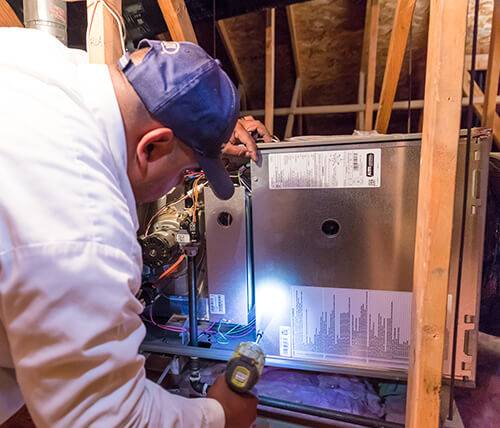
Maintenance for Electric Heat
Airflow keeps elements safe
Maintaining proper airflow is critical to protecting electric heating elements. Dirty filters, blocked vents, or closed returns can cause elements to overheat and fail prematurely. Regularly replacing filters and ensuring unobstructed airflow extends the life of the furnace and maintains efficiency.Annual check of connections, staging, temperature rise
Annual professional maintenance is recommended to inspect electrical connections, verify sequencer operation, and measure temperature rise across the furnace. These checks ensure the system operates safely and efficiently. Technicians can also identify early signs of wear or damage, preventing costly breakdowns during cold months. Following these maintenance practices helps keep electric furnaces running smoothly and prolongs their service life. For more detailed guidance on furnace maintenance and safety, resources like InterNACHI® provide valuable insights.Decision Checklist: When to Call a Professional
Short answer: Use this checklist to determine when electric furnace issues need professional attention:
- Call Immediately: Burning smells, tripped breakers, no heat with blower running, visible damage to elements or wiring
- Schedule Soon: Rising energy bills, uneven heating, frequent cycling, unusual noises
- DIY Safe: Filter replacement, thermostat battery changes, breaker resets (once), visual inspections
- Annual Maintenance: Professional inspection of elements, sequencers, electrical connections, and airflow
Cost Drivers: Electric Furnace Maintenance and Repair
Understanding costs helps you budget for maintenance and repairs:
- Diagnostic Fee: $75-$200 for professional inspection and testing
- Filter Replacement: $10-$50 depending on filter type and quality
- Element Replacement: $200-$800 depending on system size and accessibility
- Sequencer Repair: $150-$400 for parts and labor
- Annual Tune-up: $100-$200 for comprehensive inspection and cleaning
- Electrical Upgrades: $500-$3,000+ if panel or circuit upgrades are needed
Prevention and Maintenance Tips
Regular maintenance prevents costly repairs and extends system life:
- Filter Changes: Replace filters every 1-3 months, more frequently during high-use periods
- Breaker Checks: Ensure both air handler and heat strip breakers are on and not tripped
- Thermostat Programming: Use programmable thermostats with proper setbacks to reduce runtime
- Clear Vents: Ensure supply and return vents are unobstructed for proper airflow
- Annual Inspections: Schedule professional tune-ups in fall before heating season
- Monitor Energy Bills: Rising costs may indicate efficiency problems or system issues
Ready for Efficient Heat This Winter?
Las Vegas area homeowners can call The Cooling Company at (702) 567-0707 for electric furnace repair, maintenance, and installation. Our licensed, NATE-certified technicians perform comprehensive inspections, element testing, and efficiency tuning to ensure your system operates safely and efficiently through Las Vegas winters. We serve Las Vegas, Henderson, and North Las Vegas with same-day service available for urgent needs.
For furnace repairs, tune-ups, or new installations, Schedule Now today or call (702) 567-0707. We provide written estimates, warranty protection, and priority scheduling for maintenance plan members.
Share This Page
Need HVAC Service in Las Vegas?
The Cooling Company provides expert HVAC service throughout Las Vegas, Henderson, and North Las Vegas. Our licensed technicians deliver honest assessments, upfront pricing, and reliable results.
Call (702) 567-0707 or visit heating, furnace repair, heat pump installation, or heating maintenance for details.