

Short answer: Discover HVAC maintenance tips to cut gas central heating costs by sealing leaks, tuning burners and tightening controls for fast seasonal savings.
For more information, see our guide on furnace maintenance checklist.
For more information, see our guide on common heater problems.
Key Takeaways
- Seal duct and envelope leaks, tune burners, and insulate exposed pipes.
- Use smart setbacks and proper zone controls to avoid overheating empty rooms.
- Consider high-AFUE replacements or heat pumps when payback and rebates make sense.
Yes - gas central heating can raise bills through heat loss, inefficient combustion, and poor controls. Fixing leaks, tuning burners, and tightening controls cuts waste and often pays back fast. Small steps like smart setbacks, duct sealing, and pipe insulation reduce run time. Some work you can try yourself; other actions need a trained technician. (Energy gov Heat Pump Tips)
Is your gas central heating costing more than it should?
Compare current gas bills to prior winters before assuming rates changed. A month-to-month rise of 10 to 15 percent without big weather swings often shows inefficiency. Keep a simple log of daily temperatures and gas use for two weeks to spot odd patterns.
Start a quick visual tour of your system and home to collect clues. Look for soot, odd smells, long run times, and uneven heat in rooms. Note cold vents, drafty doors. Batt insulation that is thin or missing for a clear list to show a tech.
How does a gas furnace use gas?
A furnace burns gas at a controlled rate to warm air that a fan moves through ducts. Burn time rises when the burner runs longer or more often than needed. Check filter condition and airflow, since restricted air forces longer runs and more fuel use.
How efficient are older boilers?
Many boilers older than 15 years run below 80 percent AFUE, which wastes fuel as exhaust. Wear, soot, and scale lower real efficiency further over time. Compare a current boiler’s annual therm use to a newer condensing unit to estimate savings before replacing. (Energy gov Heat Pump Tips)
What leaks or losses raise gas use?
Air leaks and uninsulated ducts send warm air to cold spaces and force your system to work harder. Look at attic hatches, recessed lights, and duct seams for obvious gaps. Simple caulking and duct sealing often cut heating demand notably within one season.
Which parts of your system use gas most?
Burners account for most gas use since they generate heat for the building. Pilot lights or electronic ignition add smaller amounts, but combined usage matters. Distribution losses in ducts, pipes, and tanks increase burner run time and total fuel use.
Focus on the generation side first, then reduce distribution waste for the best savings. Fixing combustion and burner tune-ups often yield immediate drops in therms. Follow that with duct sealing and pipe insulation to reduce how long the burner must run.
Where does the furnace use the most gas?
Furnaces burn most fuel during cold weather when they run at full firing to quickly reach set temperatures. Start-up events use a bit more fuel than steady runs, and frequent starts raise average gas use. Keep the thermostat steady to avoid many short starts.
Do boilers or furnaces differ in gas use?
Boilers heat water and tend to run longer at lower temperatures than furnaces, which often cycle on and off. Actual gas use depends on how well the distribution system holds heat. Condensing boilers and high-efficiency furnaces can both lower use when sized and controlled correctly.
You may qualify for federal tax credits that reduce your upfront cost.
How do radiators compare to ducts?
Radiators deliver heat directly to rooms and can keep temperatures steady with less air movement. Duct systems move heat through the house and can lose energy in attics or crawlspaces. Insulating exposed radiators and sealing duct runs both reduce the demand on the burner.
What inefficiencies drive higher gas bills?
Wear, poor maintenance, and weak controls often cause a steady rise in fuel use. Dirty burners, clogged filters, and soot on heat exchangers reduce heat transfer and force longer runs. Small, fixable issues often add up to a noticeable monthly cost.
Controls that ignore outside temperature or use crude setbacks also waste fuel. Smart thermostats and proper zoning reduce unnecessary runs and improve comfort. Check control logic before replacing major equipment for the best value. (Energy gov Heat Pump Tips)
Why do old burners burn more fuel?
Burner ports widen and flames shift as parts wear, which lowers heat transfer efficiency. A worn burner often needs more gas to reach the same output as a clean unit. Replacing or refurbishing burners restores cleaner flames and usually cuts fuel use.
How does poor combustion waste gas?
Incomplete combustion produces carbon monoxide and unburned fuel, which lowers heat delivered per therm. Incorrect air-to-fuel mix also fouls heat exchangers faster. A combustion tune by a trained tech reduces waste and improves safety.
Are clogged heat exchangers a factor?
Soot and scale form insulating layers on heat exchangers, cutting heat transfer to air or water. Systems then burn extra gas to reach temperature setpoints. Regular cleaning or descaling can recover much of this lost efficiency in one service visit.
Can scale or soot reduce efficiency?
Yes. Even thin soot layers raise flue temperatures and send more heat up the vent instead of into the home. Scale from hard water on boilers moves heat slower into the water. Treating water or cleaning surfaces restores better fuel-to-heat conversion.
How do standby losses accumulate?
Stored hot water and warm components shed heat to cold spaces all day, which adds to gas demand. Tanks and uninsulated pipes lose energy steadily and increase burner cycles. Insulating tanks and pipes reduces daily standby loss and cuts seasonal gas totals.
Does oversized equipment waste gas?
Oversized systems heat fast and then shut off often, causing short cycles that use more fuel per hour of heat delivered. Short cycles also lower comfort due to swings in temperature. Proper sizing and modulating equipment reduce these losses and improve humidity control.
How much can upgrades cut gas use?
Upgrades range from low-cost fixes like sealing and controls to full system replacement. Small measures often show savings within one season. Major upgrades, such as condensing boilers or heat pumps, can cut gas use by 20 to 50 percent depending on the home.
Estimate savings by comparing current AFUE and run hours to expected performance of new equipment. Use local fuel prices and run-time guesses to calculate simple payback. Include rebates and installation costs to make an informed choice. (Energy gov Heat Pump Tips)
Our pricing guide breaks down the costs you can expect.
What savings do high AFUE furnaces give?
Moving from an 80 percent AFUE to a 95 percent model reduces wasted fuel notably. Typical reductions in seasonal gas use range from 10 to 20 percent, depending on climate and run hours. Combine insulation upgrades with a new furnace for larger net savings.
Can converting to a heat pump reduce gas?
Heat pumps use electricity for heat and can reduce or remove gas heating needs in many homes. Efficiency and savings depend on local electricity prices and cold-weather performance. Hybrid systems pair heat pumps with gas backup to balance cost and comfort.
Is replacing aging boilers cost effective?
Replacement often pays back when repair costs are high and AFUE is low. Condensing boilers and modulating controls restore efficiency and lower fuel bills. Have a pro run a load calculation and payback estimate before deciding to replace.
When should you call a pro to inspect?
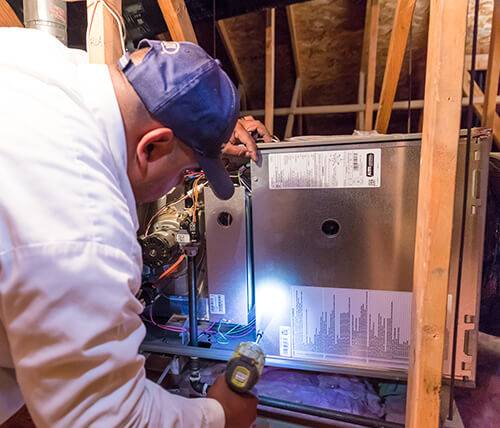
Call a trained hvac technician if you smell exhaust, see soot, hear unusual noises, or notice sudden bill spikes. Carbon monoxide alarm triggers or visible rust and flue damage also need immediate attention. Early professional checks prevent danger and stop wasted gas.
Schedule annual service before winter for routine checks, combustion testing, and tune-ups. A full inspection finds leaks, worn parts, and control problems that DIY steps can miss. Keep a record of service dates to track long-term performance.
What should an HVAC inspection check?
A full inspection reviews burners, heat exchangers, filters, ducts, vents, and controls for wear and leaks. Techs also test safety devices like pressure switches and limit controls. They will record temperatures, pressures, and combustion readings to document system health.
How can a pro test combustion efficiency?
Technicians use flue gas analyzers to measure oxygen, CO2, and CO for safe, efficient combustion. These readings guide adjustments to gas pressure and air intake. Accurate combustion tuning both lowers fuel use and reduces unsafe emissions.
Do technicians check venting and flues?
Yes. Techs inspect flue joints, chimney liners, and outside terminations for cracks and blockages. Poor venting harms draft and reduces heat transfer, which raises gas consumption. Repairing or replacing flawed venting restores proper combustion and efficiency. (Energy gov Heat Pump Tips)
When is a system tuneup worth it?
A tuneup is worth it if the system shows soot, odd odors, or rising bills. Annual service cleans burners, adjusts controls, and replaces filters to restore near-original efficiency. Many tuneups pay for themselves in one season through lower gas use.
Can repairs restore lost efficiency?
Often repairs recover most lost performance at lower cost than replacement. Fixing leaks, cleaning burners, and replacing worn controls bring efficiency back quickly. For very old systems, repairs may be a bridge until planned replacement.
What diagnostic costs are typical?
Diagnostic fees vary, but expect roughly $75 to $200 for a full inspection with combustion testing in many markets. Some companies credit that fee toward recommended repairs or replacement. Ask about emergency-call surcharges before booking service.
Ready to lower your heating bills?
Las Vegas area homeowners can call The Cooling Company at (702) 567-0707 for fast, local HVAC service. Our licensed techs perform on-site efficiency reviews, combustion tests, and clear written recommendations. We serve Las Vegas, Henderson, and North Las Vegas with priority winter scheduling.
If you live outside our service area, ask any contractor for NATE-certified technicians and a flue gas combustion test. That check gives a reliable baseline for safety and efficiency. For local homeowners, call The Cooling Company at (702) 567-0707 to book a free efficiency assessment.
Schedule a free efficiency assessment
Las Vegas readers can call (702) 567-0707 to request a free efficiency assessment from The Cooling Company. Our techs inspect burners, ducts, and controls and deliver a short written plan to lower gas use. Winter slots fill quickly, so call soon to reserve an on-site review.
Compare upgrade cost estimates
Get two to three written bids for any major replacement and include The Cooling Company in your set of estimates. We supply load calculations, equipment choices, and rebate help for Las Vegas, Henderson, and North Las Vegas homeowners. Call (702) 567-0707 to schedule a no-pressure estimate.
Decision Checklist: Reducing Gas Central Heating Costs
Use this checklist to identify ways to reduce gas use and lower heating bills:
- Immediate Actions: Seal duct leaks, replace dirty filters, adjust thermostat setbacks, clear vents
- Professional Services: Annual tune-ups, combustion testing, duct sealing, efficiency inspections
- Upgrades to Consider: High-AFUE furnace replacement, smart thermostats, insulation improvements
- Maintenance Schedule: Fall tune-ups before heating season, filter changes every 1-3 months
Cost Drivers: Gas Central Heating Expenses
Understanding costs helps you budget and identify savings opportunities:
- Gas Rates: Las Vegas gas prices vary by utility and season, typically $0.50-$1.50 per therm
- System Efficiency: Older furnaces (70-80% AFUE) use more gas than high-efficiency models (90-98% AFUE)
- Duct Leaks: Leaky ducts can waste 20-30% of heated air, increasing gas use significantly
- Maintenance Costs: Annual tune-ups ($100-$200) prevent costly repairs and improve efficiency
- Replacement Costs: New high-efficiency furnaces ($3,000-$8,000+) can reduce gas use by 20-30%
- Insulation: Poor insulation increases heating demand and gas use, especially in older homes
Prevention and Maintenance Tips
Regular maintenance prevents costly repairs and reduces gas use:
- Filter Changes: Replace filters every 1-3 months, more frequently during high-use periods
- Pre-Winter Checks: Schedule professional tune-ups in fall before heating season begins
- Duct Sealing: Seal leaks and gaps in ductwork to prevent heat loss and reduce gas use
- Thermostat Programming: Use programmable or smart thermostats with proper setbacks to reduce runtime
- Clear Vents: Ensure supply and return vents are unobstructed by furniture or debris
- Monitor Bills: Watch for rising gas costs that may indicate efficiency problems or system issues
Las Vegas winter note
Short cold snaps in Las Vegas mean oversized gas systems can short-cycle and waste fuel. A simple tune-up and duct-seal check often delivers fast savings before upgrading equipment.
About The Cooling Company
The Cooling Company has been serving the Las Vegas valley with professional HVAC services for over a decade. Our team of licensed, NATE-certified technicians specializes in air conditioning repair, heating system maintenance, and complete HVAC installations. We're committed to providing honest, reliable service with upfront pricing and a 100% satisfaction guarantee on all work performed.
- Phone: (702) 567-0707
- Reviews: 4.9/5 stars (500 reviews) - See reviews
Service Areas
We proudly serve homeowners and businesses throughout the Las Vegas metropolitan area, including Las Vegas, Henderson, and North Las Vegas. Our service technicians are available for same-day appointments in most areas, with emergency service available 24/7 for urgent HVAC issues.
Share This Page
Need HVAC Service in Las Vegas?
The Cooling Company provides expert HVAC service throughout Las Vegas, Henderson, and North Las Vegas. Our licensed technicians deliver honest assessments, upfront pricing, and reliable results.
Call (702) 567-0707 or visit heating, furnace repair, heat pump installation, or heating maintenance for details.