

Flue
A flue is a duct, pipe, or chimney passage that carries combustion gases from appliances like furnaces, boilers, fireplaces, and water heaters to the outdoors. It protects indoor air quality by directing smoke, carbon monoxide, and other byproducts safely outside. Proper sizing, installation, and maintenance help prevent backdrafting and fire hazards.
💡 Key Takeaways
- ✓A flue is a duct, pipe, or chimney passage that carries combustion gases from appliances like furnaces, boilers, fireplaces, and water heaters to the outdoors. It protects indoor air quality by directing smoke, carbon monoxide, and other byproducts safely outside. Proper sizing, installation, and maintenance help prevent backdrafting and fire hazards.
- ✓Flue size and type must match the appliance and fuel type per code.
- ✓Blocked or damaged flues can cause carbon monoxide to spill indoors.
- ✓Carbon monoxide detectors add a critical layer of safety.
Flue
/fluː/
Definition
A flue is a duct, pipe, or chimney passage that carries combustion gases from appliances like furnaces, boilers, fireplaces, and water heaters to the outdoors. It protects indoor air quality by directing smoke, carbon monoxide, and other byproducts safely outside. Proper sizing, installation, and maintenance help prevent backdrafting and fire hazards.
Why is a flue important for HVAC and water heaters?
It vents combustion gases outdoors, protecting indoor air quality and preventing dangerous backdrafting.
Source: The Cooling Company

Quick Facts
How Flue Works
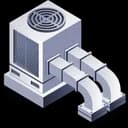
Well-designed flues safely vent combustion byproducts outdoors.
Real-World Application
A gas furnace uses a flue to exhaust combustion gases through the roof, while a water heater relies on the same vent path to keep utility rooms safe and odor-free.
Pro Tip
Schedule annual flue and chimney inspections to catch blockages, corrosion, or backdraft risks before they become safety issues.
“Schedule annual flue and chimney inspections to catch blockages, corrosion, or backdraft risks before they become safety issues.”
Important Things to Keep in Mind
- Flue size and type must match the appliance and fuel type per code.
- Blocked or damaged flues can cause carbon monoxide to spill indoors.
- Carbon monoxide detectors add a critical layer of safety.
Did You Know?
Modern venting systems like direct vent and B-vent designs improved safety and efficiency compared to early masonry flues.
FAQ
What are signs of a flue problem?
Soot buildup, unusual odors, moisture around the appliance, or frequent pilot outages can indicate flue issues.
Can a shared flue serve both a furnace and water heater?
Sometimes, but it must be sized correctly and meet code. A professional should verify compatibility.
How often should flues be inspected?
At least annually, and anytime you add or replace a fuel-burning appliance.
Related Services
Need help with flue? Our licensed technicians in Las Vegas are ready to assist.
Share This Page
Why Homeowners Trust Us

Maintain Your Heating System's Safety and Efficiency
Get a Free Estimate
Fill out the form below. Our goal is to reach you within minutes.