

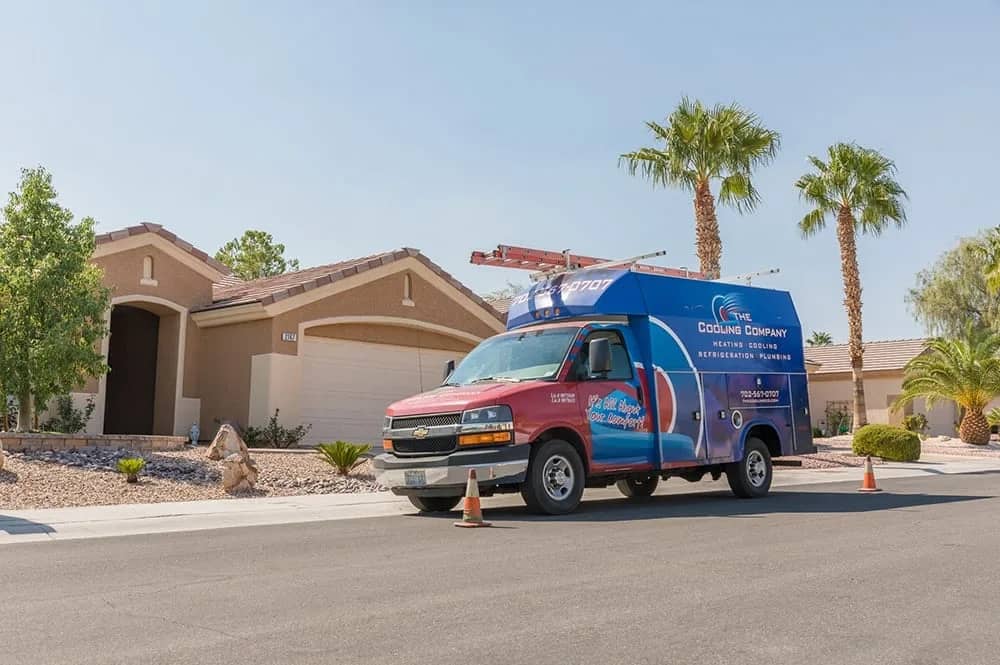
How much does ductwork replacement cost?
Ductwork replacement costs typically range from $1,500–$12,000 for residential projects depending on home size, material choice, and access. Small repairs cost $1,500–$4,000, while full replacements average $2,000–$12,000. Las Vegas homeowners should budget $3,000–$6,000 for typical 1,800 sq ft homes. Hidden issues like mold, asbestos, or difficult attic access can add 30–70% to costs. Always require pre/post duct blaster tests, itemized bids, and separate line items for restoration work to compare quotes accurately.
Source: The Cooling Company
Ductwork replacement costs vary by size, material, access, and testing needs. Expect small residential jobs around $1,500–$4,000 and full replacements often $2,000–$12,000. Hidden issues like mold, asbestos, or hard access raise prices. Insist on pre/post leakage tests and itemized bids to avoid surprises. ASHRAE Technical Resources
Las Vegas homeowners face unique challenges with ductwork replacement due to extreme summer heat, rooftop exposure, and high cooling demands. Attic temperatures can exceed 150°F during peak cooling season, making proper insulation and sealing critical. Many Las Vegas homes built before 2000 have undersized or leaky ducts that waste 20–30% of cooling energy. Understanding replacement costs helps you budget accurately and avoid costly surprises during projects.
Key Takeaways
- Use a room-by-room Manual J load calculation (not a square-foot rule).
- Select equipment with Manual S and verify ducts with Manual D for comfort and efficiency.
- Avoid oversizing: short-cycling wastes fuel and can create uneven temperatures.

What affects duct replacement cost?
Many factors change total project cost. Material choice, duct layout, and how hard it is to reach runs matter most. Attic or wall work often needs holes, ladders, or scaffolds and that raises labor. Size of the house and the length of trunk and branch runs also change totals. Larger diameters and extra fittings cost more.
Local labor rates and metal prices shift the final number, while remediation needs like mold add immediate extra expense. A job that looks simple from the crawlspace can balloon if the crew finds crushed trunks or asbestos insulation. Plan for contingencies and require that the contractor list triggers for change orders in the estimate.
Which materials drive per-foot costs?
Sheet metal trunks cost more than flex on a per-foot basis. Typical installed sheet-metal runs commonly fall between $12 and $25 per linear foot in residential work. Thicker gauges and special coatings increase that rate. Sheet metal also lasts longer and resists rodents better than some flex products.
Flex duct is often the least expensive branch option, usually $4–$10 per linear foot installed for standard runs. Long, kinked, or compressed flex raises resistance and may force replacements sooner than expected. Good installation practice matters: unsupported flex or tight bends decrease performance and raise long-term costs.
How does access affect labor?
Tight or hidden runs take more time and raise labor costs. Working inside walls, under floors, or in compact attic spaces slows crews and often needs extra framing or cutting and patching. That increases both labor hours and restoration costs.
Jobsite logistics like scaffolding, lift rentals, and protective flooring also add to bills. Contractors may include permits and dumpster rental. Time for dust control and cleanup can appear as separate line items. Review those closely before signing a contract.
Local labor and material price influence
Labor rates differ by metro area and season. Urban centers and places with high demand for HVAC work show higher hourly rates. Material supply chain issues can change sheet-metal and insulation prices quickly, so check that the bid locks pricing or states how changes will be handled.
Ask bidders to list material make, gauge, and insulation R-value. That level of detail makes quotes comparable. A low line item for materials with no spec could hide cheap parts and higher labor later. Get written confirmation of all key specs.
How do testing and diagnostics change the price?
Testing adds a modest fee but protects your investment. A duct-blaster test, pressure-pan checks, and TESP readings identify real problems and let you choose targeted repairs. Without tests, you may pay too much for full replacement when sealing would suffice.
Buy testing before and after work. Pre-work numbers set the baseline and let multiple contractors bid on the same problem. Post-work tests prove the work met stated goals and make it easier to enforce warranties or claim rebates. The cost of testing is small relative to the risk of an incomplete fix.
For per-foot pricing details, see our ductwork cost per linear foot guide. If you want to understand how ductwork affects system performance, read our guide on ductwork and HVAC efficiency.
What tests should be run?
A duct-blaster gives total system leakage in CFM at a set pressure. Pressure-pan testing helps find which registers leak to unconditioned spaces. TESP measures fan resistance and flags poor airflow or highly restrictive systems. Each test gives different but complementary information.
Request raw data and a simple conversion to percent of fan flow. Targets like ≤10–15% of fan flow or specific CFM limits make acceptance objective. Ask for signed test reports to be attached to the invoice and saved with other project documents.
Can homeowners use simple tools?
Yes. Infrared thermometers, smoke pencils, and basic airflow meters give quick clues. These tools help locate temperature differences, drafts, and large leaks before hiring a pro. They do not replace formal tests but guide the scope.
Document what you find with photos and notes. Mark rooms that never reach setpoint and save those notes for contractors. This saves time on the visit and makes bids more comparable. Even simple evidence helps you ask the right questions during contractor interviews.
Buying tests and negotiating scope
Use a baseline test report to ask for targeted bids. If pre-test leakage is small, focus bids on sealing or balancing. If leakage is high or ducts are contaminated, require contractors to price replacement in addition to sealing so you can compare apples to apples.
Make testing a contract condition. Require post-work tests before final payment. That creates an objective acceptance metric and reduces the chance of disputes. Contractors who refuse testing or refuse to put acceptance metrics in writing are higher risk.
What do typical residential and commercial totals look like?
Residential prices vary by scope and access. Partial repairs for a few runs cost a few thousand dollars. Whole-house replacements commonly land in the $2,000–$12,000 range for standard homes. Larger or tricky jobs push past that range quickly.
Commercial jobs scale with system size and complexity. Small commercial work often starts around $8,000. Large commercial duct systems with fire dampers and SMACNA-class fittings can climb into six figures. Always get phased pricing and a clear coordination plan for big sites.
What are residential price ranges?
Small repair jobs typically cost $1,500–$4,000. Mid-range replacements with new trunks and added insulation often sit at $3,500–$6,500. Whole-system rework on large homes often reaches $10,000 or more when access and restoration are tough.
Expect additional costs for drywall repair, flooring restoration, and mold remediation. These restoration items can add 30–70% to duct-only prices. Ask contractors to separate HVAC and finish work on the estimate so you know exactly what each covers.
How do commercial projects scale?
Commercial jobs need coordination with other trades and often run at higher labor rates. Large systems require lifts, cranes, and larger crews. That raises both mobilization and supervision costs. Fire and smoke control systems add components and inspections.
Specify performance criteria and acceptance tests for commercial work. Commercial bids should list control devices, fire dampers, and commissioning steps. Phased shutdowns and business-hour constraints often add overtime and site supervision charges.
Restoration and hidden-cost examples
Hidden costs often appear after crews open ceilings or chase through finished walls. Drywall patches, paint matching, and trim work all add to the final bill. If asbestos or lead-based materials are found, abatement rules require specialized crews and disposal.
Site protection and cleanup can also be billed. Check whether the contractor includes protective tarps, HVAC shutdown sequencing, and dust control. These items matter when work is inside living spaces or occupied commercial areas.
How should you compare and verify contractor bids?
Careful comparison starts with matching line items. Look for material type, linear feet, insulation R-values, labor hours, testing, and restoration. A clear scope prevents surprises and makes bids truly comparable.
Check contractor credentials, insurance, and references. Ask for warranties on both labor and materials. A low bid that omits testing or balancing likely hides future costs. Make final payment conditional on passing agreed tests.
What should a clear estimate include?
A transparent estimate lists materials by type and linear foot. It shows labor hours or rates, access work, insulation R-values, and required fittings. Testing and balancing should be separate line items with prices.
Assumptions and contingencies must appear on the bid. For example, the contractor should state how much existing duct stays put and what triggers change orders. That clarity reduces disputes and unexpected bills.
How to verify labor versus material costs?
Ask for labor hours and crew size or a clear flat labor price tied to measurable work. Contractors should explain productivity assumptions for attic runs or wall chases. That helps you judge whether labor is fair.
Request manufacturer part numbers or invoices for major items. A good contractor can show why prefabrication cuts field labor or why shop charges exist. Knowing the labor math reveals hidden markup or efficiencies.
Checking credentials and insurance
Verify that the contractor carries general liability and workers' compensation insurance. Ask for the policy limits and confirm active status. Check local licensing and any disciplinary history with state boards or consumer agencies.
Ask for references from recent similar jobs. Speak to those customers about cleanup, change orders, and whether post-install testing was provided. That gives a clearer picture than price alone.
When is full replacement necessary and can sealing help?
Full replacement is needed when trunks are crushed, corroded, or contaminated. Severe rust, disconnected main trunks, or mold throughout the system usually mean rebuilds. Wrongly sized trunks that force poor airflow also justify replacement.
Sealing and selective replacement help a lot when damage is localized. Aeroseal or mastic can cut leakage greatly in many systems. Use quantitative tests to decide between sealing, partial replacement, or a full rebuild.
When does sealing suffice?
Sealing works best if leaks are mainly at joints and connections. Aeroseal can reduce leakage by 50–90% in many systems. Replacing a collapsed trunk while sealing branchwork often yields most gains at lower cost than a full rebuild.
If trunks have major collapse, deep corrosion, or mold inside, sealing will not solve the core problem. Tests should show leakage patterns before relying on sealing alone. That prevents wasted money on temporary fixes.
What hidden costs add to invoices?
Hidden costs often come from access and restoration needs. Cutting attic openings, removing ceiling sections, or creating wall chases means drywall repair and painting later. Mold, asbestos, or rodent cleanup adds thousands quickly.
Jobsite logistics add fees too. Scaffolds, lifts, and extra cleanup time increase labor. Permit fees, dumpster rental, and specialized disposal costs should be listed so you avoid surprises on final bills.
Choosing between Aeroseal, mastic, or rebuild
Aeroseal works well for joint and connection leaks and can be quicker than manual sealing. Mastic is a durable seal at visible connections and is low cost but requires access. Full rebuilds are needed for structural damage or contamination.
Decide using data: baseline leakage, TESP, and register flows. Get bids for each approach and compare expected performance, warranty, and cost. Often a mixed approach yields the best cost-to-benefit ratio.
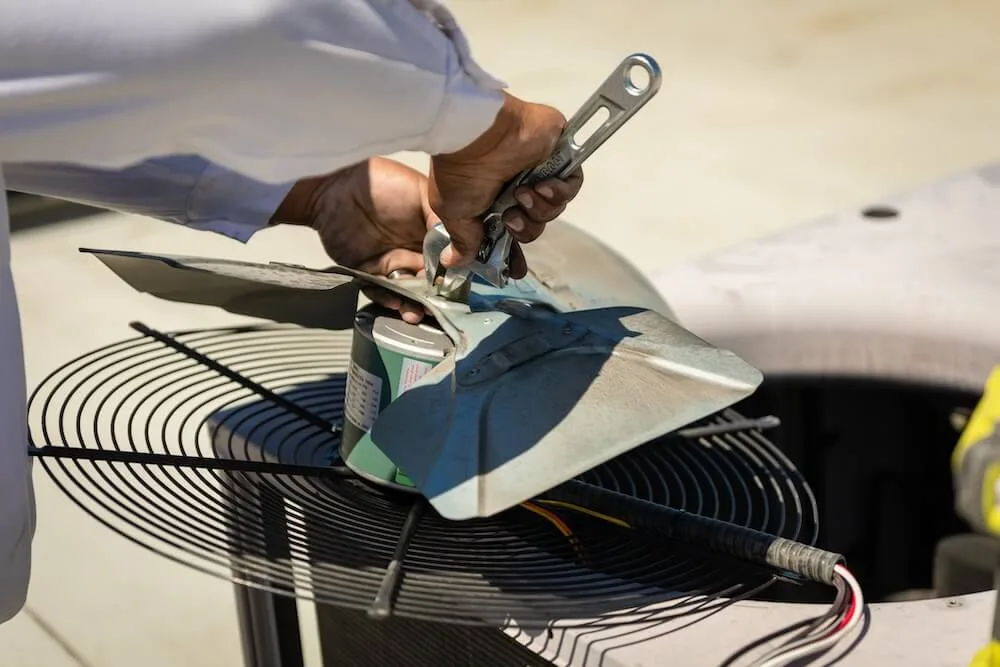
What permits, codes, and warranties matter?
Permits protect both owner and contractor and usually apply for major duct changes. Codes set minimum insulation R-values, sealing methods, and fire damper needs. Local code may be stricter than national guidance, so check local authorities.
Warranties should cover workmanship and materials. Ask what voids the warranty, how long it lasts, and who responds if problems appear. Keep permits, inspections, and warranty papers together for future reference.
Which permits and codes commonly apply?
Many local jurisdictions require permits for duct replacement. The International Mechanical Code and energy codes set many baseline rules. Local amendments can require higher R-values or specific sealing standards.
Contractors should pull required permits and provide inspection results. Permits ensure inspections and reduce liability. They also help with rebates and resale by documenting compliance.
What warranties should you expect?
Expect short-term workmanship warranties, often one to five years for labor, and longer manufacturer warranties for materials. Clarify whether acceptance testing is part of the warranty conditions.
Make final payment conditional on passing agreed tests. This protects you if work fails acceptance criteria and ensures contractors finish to the stated standard.
How to estimate savings, ROI, and document results
Estimate savings by measuring current HVAC energy use and applying expected percentage savings. Systems that leak 20–30% can often save 10–25% on HVAC energy after sealing or replacement. Local energy prices set dollar savings.
Calculate simple payback by dividing net project cost by annual energy savings. Include rebates, comfort value, and longer equipment life in your decision. Keep test reports and invoices to document actual results.
How to calculate payback and savings?
Start with the baseline HVAC energy spend. Multiply that by expected percent savings to get annual dollar savings. Divide project net cost by yearly savings for simple payback years.
Run conservative and optimistic scenarios. Include non-energy benefits like better comfort and fewer repairs. Factoring in those gains often shortens the perceived payback and improves the investment case.
What documentation proves performance?
Collect pre- and post-install duct-blaster reports, TESP readings, and register-by-register airflow sheets. Keep photos of the work and material invoices together. Attach written warranties and any rebate paperwork to the file.
These records help when selling a home, enforcing warranties, or filing for incentives. Insulation R-values and as-built sketches increase buyer confidence and show that the work met professional standards.
Call to action
If you are in Las Vegas, Henderson, or North Las Vegas, get a measured estimate that includes testing and balancing. The Cooling Company offers duct diagnostics, sealing, partial and full replacements with clear, itemized bids. Call The Cooling Company at (702) 567-0707 to schedule a free onsite assessment and a written quote.
Outside our service area, ask for NATE-certified technicians who perform duct-blaster testing and register-by-register balancing. Insist on pre/post tests and numeric acceptance criteria. Local pros who offer those tests present the best chance for lasting results.
For a step-by-step approach to finding leaks, try our ductwork troubleshooting guide.
How to get a free estimate today?
Las Vegas area homeowners can call The Cooling Company at (702) 567-0707 for a free onsite duct assessment. Ask for a duct-blaster pre-check, an itemized estimate, and a scope that separates HVAC work from restoration costs. We include pre/post testing and a clear workmanship warranty.
Where to find trusted installers?
Outside the Las Vegas area, request NATE-certified techs and proof of duct-blaster testing and balancing. Ask contractors for sample test reports, insurance, and local references. If you live in Las Vegas, Henderson, or North Las Vegas, contact The Cooling Company at (702) 567-0707 for vetted service and testing.
Las Vegas Ductwork Replacement Checklist
Use this checklist when planning ductwork replacement in Las Vegas:
- Pre-Replacement Assessment: Get Manual J load calculation, Manual D duct design, and baseline duct blaster test
- Material Selection: Choose R-6 minimum insulation for attic ducts, R-8 for rooftop exposure; prefer sealed metal ducts
- Contractor Vetting: Verify Nevada C-21 HVAC license, request local references, require itemized bids with separate line items
- Testing Requirements: Require pre/post duct blaster tests, TAB reports, and leakage class specifications
- Cost Factors: Account for access difficulty, restoration work, permits, and hidden issues like mold or asbestos
- Maintenance Planning: Schedule annual inspections after replacement to maintain efficiency and prevent future problems
Preventing Costly Ductwork Replacement in Las Vegas
Las Vegas homeowners can prevent expensive ductwork replacement with proper maintenance:
- Annual Inspections: Schedule professional duct inspections every 1–2 years, especially before peak cooling season
- Seal Leaks Promptly: Use mastic or UL-181-rated foil tape to seal visible gaps at joints and connections
- Maintain Insulation: Check attic and rooftop duct insulation annually for compression, damage, or missing sections
- Filter Maintenance: Change filters every 1–3 months during peak season to reduce strain and improve airflow
- Monitor Energy Bills: Rising cooling costs without equipment changes often signal duct leakage or insulation problems
- Professional Cleaning: Schedule duct cleaning every 3–5 years to remove dust, debris, and improve indoor air quality
Many Las Vegas homes see 20–30% energy savings from proper duct sealing and insulation upgrades. These improvements often pay back faster than full replacement and significantly improve comfort during extreme summer heat.
For comprehensive duct replacement, sealing, and indoor air quality services, contact The Cooling Company or call (702) 567-0707. We serve Las Vegas, Henderson, and North Las Vegas with duct blaster testing, Manual D design, and written performance reports.
You Might Also Like
This aspect deserves careful consideration as you evaluate your options. Understanding the details helps you make more informed decisions. Consulting with qualified professionals provides additional insights specific to your situation. Take time to consider how this information applies to your particular needs and circumstances. Making well-informed choices typically leads to better long-term outcomes and greater satisfaction.
- "rheem service professionals vegas"
- "troubleshooting hvac odors"
- "ruud furnace problems"
- "trane furnace repair henderson"
- "how much to install hvac system in old house"
About The Cooling Company
The Cooling Company has been serving the Las Vegas valley with professional HVAC services for over a decade. Our team of licensed, NATE-certified technicians specializes in air conditioning repair, heating system maintenance, and complete HVAC installations. We're committed to providing honest, reliable service with upfront pricing and a 100% satisfaction guarantee on all work performed.
- Phone: (702) 567-0707
- Reviews: 4.8/5 stars (780+ reviews) - See reviews
Service Areas
We proudly serve homeowners and businesses throughout the Las Vegas metropolitan area, including Las Vegas, Henderson, and North Las Vegas. Our service technicians are available for same-day appointments in most areas, with emergency service available 24/7 for urgent HVAC issues.
Need HVAC Service in Las Vegas?
The Cooling Company provides expert HVAC service throughout Las Vegas, Henderson, and North Las Vegas. Our licensed technicians deliver honest assessments, upfront pricing, and reliable results.
Call (702) 567-0707 or visit ductwork, duct repair, duct cleaning, or duct inspection for details.
Share This Page
References
- U.S. Department of Energy (Energy.gov) (accessed 2026-01-03)
- U.S. Environmental Protection Agency (EPA) (accessed 2026-01-03)
- ASHRAE (Standards and guidance) (accessed 2026-01-03)
- ENERGY STAR (Heating & cooling) (accessed 2026-01-03)