

Fire Damper
A fire damper is a safety device installed in HVAC ductwork to stop fire and smoke from spreading through a building. When heat rises to a set temperature, a fusible link releases and the damper closes, sealing the duct opening in fire-rated walls or floors. Fire dampers are required by building codes in many commercial and multi-family properties.
💡 Key Takeaways
- ✓A fire damper is a safety device installed in HVAC ductwork to stop fire and smoke from spreading through a building. When heat rises to a set temperature, a fusible link releases and the damper closes, sealing the duct opening in fire-rated walls or floors. Fire dampers are required by building codes in many commercial and multi-family properties.
- ✓Static and dynamic dampers are selected based on fan operation during a fire.
- ✓Installation must follow NFPA standards and local code.
- ✓Combination fire/smoke dampers add extra protection.
Fire Damper
/ˈfaɪər ˈdæmpər/
Definition
A fire damper is a safety device installed in HVAC ductwork to stop fire and smoke from spreading through a building. When heat rises to a set temperature, a fusible link releases and the damper closes, sealing the duct opening in fire-rated walls or floors. Fire dampers are required by building codes in many commercial and multi-family properties.
What does a fire damper do in HVAC?
It closes during a fire to block flames and smoke from traveling through ductwork.
Source: The Cooling Company

Quick Facts
How Fire Damper Works
Fire dampers close during heat events to block spread.
Real-World Application
In a multi-story office, fire dampers close at duct penetrations to limit smoke and fire travel, giving occupants more time to evacuate.
Pro Tip
Schedule regular fire damper inspections to meet code requirements and ensure reliable closure.
“Schedule regular fire damper inspections to meet code requirements and ensure reliable closure.”
Important Things to Keep in Mind
- Static and dynamic dampers are selected based on fan operation during a fire.
- Installation must follow NFPA standards and local code.
- Combination fire/smoke dampers add extra protection.
Did You Know?
Fire damper requirements date back to 19th‑century fire codes, but modern materials have improved reliability.
FAQ
Do fire dampers need inspection?
Yes. Codes typically require periodic testing and documentation.
What’s the difference between fire and smoke dampers?
Fire dampers block flames; smoke dampers control smoke movement. Combination dampers do both.
Where are fire dampers installed?
At duct penetrations through fire-rated walls, floors, or partitions.
Related Services
Need help with fire damper? Our licensed technicians in Las Vegas are ready to assist.
Share This Page
Why Homeowners Trust Us
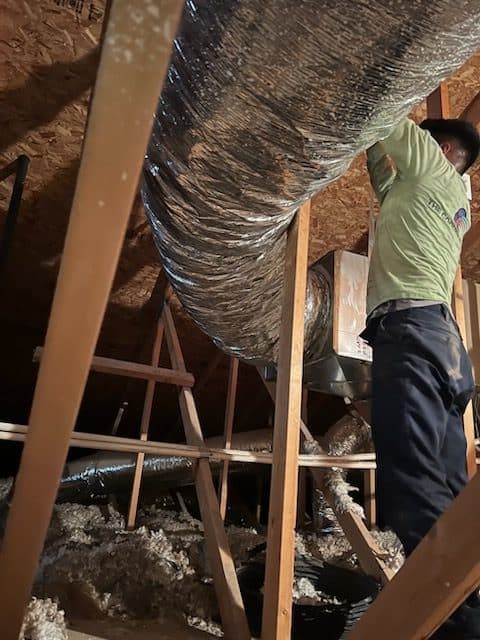
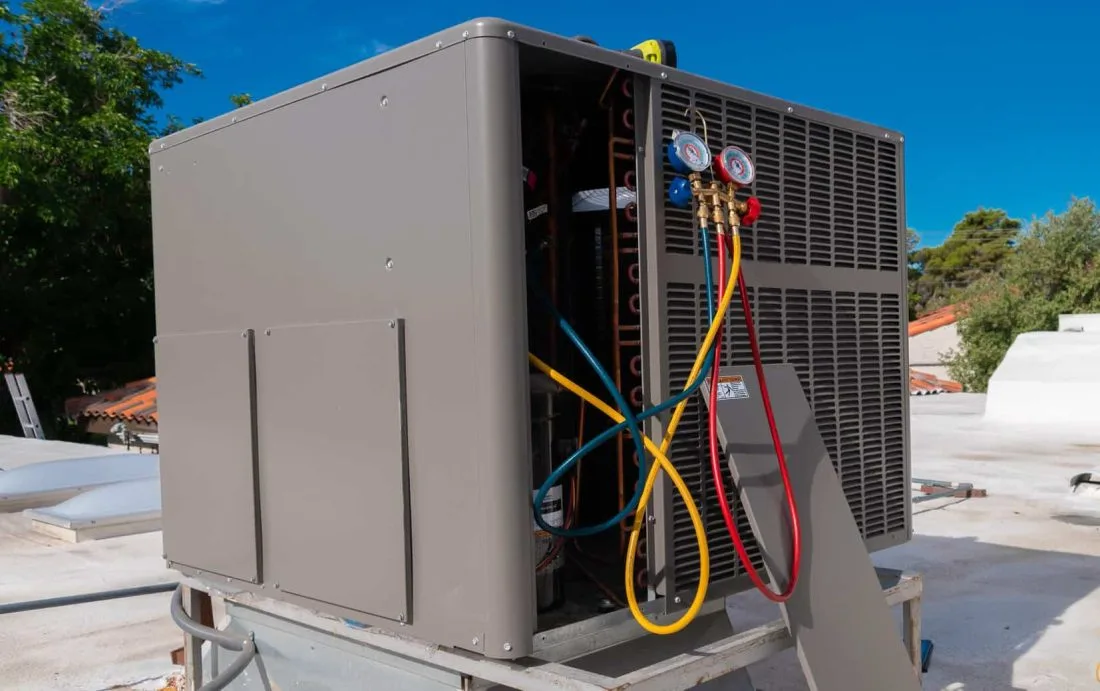
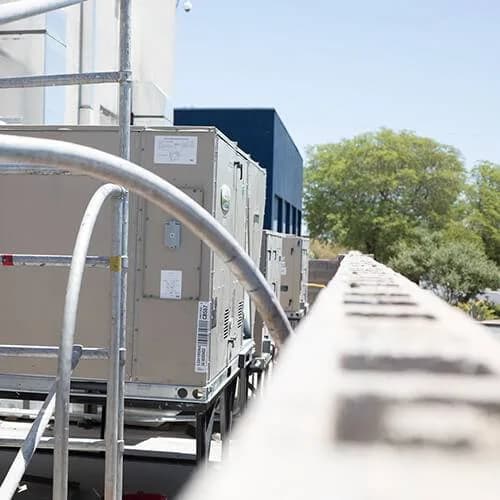
Ensure Your Building's Safety with Fire Damper Inspection and Maintenance
Get a Free Estimate
Fill out the form below. Our goal is to reach you within minutes.