
Essential Fall Heating Maintenance Checklist for Las Vegas Homeowners
Short answer: Complete your fall heating maintenance checklist before Las Vegas winter arrives. Key tasks include furnace inspection, filter replacement, thermostat testing, and professional tune-up. Annual maintenance prevents costly breakdowns, improves efficiency, and ensures safety. In Las Vegas, where heating systems sit idle during long summers and then face sudden cold snaps, fall preparation is critical. Desert dust, long cooling seasons, and temperature swings make proper maintenance essential for reliable winter comfort.
Las Vegas Fall Heating Maintenance Context
Las Vegas homeowners face unique fall maintenance challenges due to extreme temperature swings and long cooling seasons. The Las Vegas Valley experiences mild winters with occasional cold snaps that can drop temperatures into the 30s and 40s. Unlike colder climates, heating systems here sit idle for 8-10 months, then must perform reliably when needed. This extended downtime can lead to dust accumulation, dried-out components, and forgotten maintenance schedules.
During fall (October through December), maintenance becomes critical as systems transition from cooling to heating mode. Neighborhoods across the valley—from Summerlin and Henderson to North Las Vegas, Paradise, and Enterprise—all benefit from proactive fall preparation. Older systems (12+ years) require more thorough inspection, while newer systems still need annual tune-ups to maintain warranty coverage and peak efficiency.
As the crisp air of fall begins to settle in Las Vegas, it's crucial to prepare your heating system for the cooler months ahead. For predictable service and perks, consider a heating maintenance membership in Las Vegas. Neglecting this step can result in expensive repairs, increased energy bills, or even dangerous safety hazards. Heating equipment is a leading cause of home fires in the U.S. (NFPA heating safety facts), making regular maintenance a vital task for homeowners. By dedicating a few hours to inspect your furnace and related systems, you can save money and ensure your family's safety throughout the winter. For a walkthrough on fall heating upkeep, VERTEX offers a detailed safety checklist worth consulting.
Conduct a Thorough Furnace Inspection in Las Vegas
Your furnace is the cornerstone of your home's heating system. Before you switch it on for the season, listen for any unusual noises such as booming, clicking, or squealing, which may indicate mechanical issues requiring professional attention. If you notice any of these, review the signs you need heating maintenance before winter. According to Realtor.com, these sounds can signal problems with critical components like the blower motor or ignition. Addressing these issues promptly can prevent extensive damage and costly repairs.Visual inspections are equally important. Look for rust, soot, or cracks in the heat exchanger, as these can lead to hazardous carbon monoxide leaks. For prevention steps, see our carbon monoxide safety heating maintenance tips. Ensure the venting system is clear of obstructions like nests or debris, as a blocked vent can cause exhaust gases to accumulate indoors, posing serious health risks. Additionally, keep the area around your furnace free from clutter to enhance airflow and reduce fire hazards. Regular maintenance not only improves safety but also boosts the efficiency of your heating system.
Replace or Clean Your Air Filter
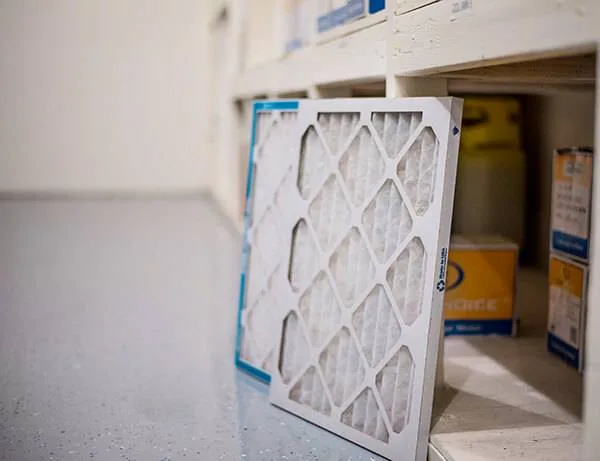
A dirty air filter is a simple issue that can significantly impact your system's performance. It restricts airflow, forcing your furnace to work harder and consume more energy. ENERGY STAR warns that a clogged filter not only increases energy costs but can also damage your equipment and shorten its lifespan. Changing your filter every 1-3 months during the heating season is a smart habit that quickly pays off. High-efficiency filters can also improve indoor air quality by capturing allergens and dust, creating a healthier home environment.Consider investing in a programmable thermostat to complement your filter maintenance. This device allows you to set specific temperatures for different times of the day, optimizing energy use while keeping your home comfortable. By syncing your thermostat with regular filter changes, you can create a more efficient heating schedule that adapts to your lifestyle, extending the life of your furnace and saving you money in the long run. Not sure what to handle yourself? Start with DIY vs professional heating maintenance.
Check Drainage and Humidity Controls
Many homeowners overlook the drainage system connected to their heating units, yet it directly affects maintaining indoor air quality and preventing water damage. ENERGY STAR highlights that a plugged drain can cause water to back up, leading to damage and increased indoor humidity levels, which can encourage mold growth and discomfort. Regular maintenance of drainage systems not only protects your home but also contributes to a healthier living environment.Inspect the condensate drain for blockages and clean it as needed. If your system includes a humidifier, ensure it’s functioning properly and set to maintain comfortable humidity levels between 30-50%. Aim to maintain indoor humidity between 30–50% (EPA humidity guidance). This not only protects your home but also helps your heating system run more efficiently. Consider investing in a hygrometer to monitor humidity levels accurately, allowing you to make necessary adjustments to keep your home comfortable and safe from moisture-related problems.
Test Your Sump Pump and Water Management Systems
Fall is an ideal time to test your sump pump, especially if your Las Vegas home is prone to basement flooding. Mark D. Olejniczak Realty, Inc. Advises homeowners to ensure sump pumps are operational before heavy rains or snowmelt begin. A failing sump pump can lead to water damage that affects your heating system and overall home environment. To test your sump pump, pour a bucket of water into the sump pit to see if it activates and drains properly. Regular testing can help you catch potential issues early, saving you from costly repairs down the line.Additionally, evaluate other water management systems in your home, such as gutters and downspouts. Ensure they are clear of debris and directing water away from the foundation. Clogged gutters can lead to overflow, which may seep into your basement or crawl space, compounding moisture problems. By taking these proactive steps, you can safeguard your home against water damage and maintain a comfortable living environment throughout the changing seasons.
Optimize Energy Efficiency and System Performance
Heating accounts for a significant portion of home energy use, so efficiency improvements can lead to noticeable savings. A recent study found that advanced control systems reduced daily heating energy use by 19% on average. While not every home will have access to such technology, regular maintenance can still boost efficiency. Homeowners can explore options such as programmable thermostats, which allow for tailored heating schedules that align with daily routines, further enhancing energy savings. Use our pre-winter heating maintenance in Las Vegas guide for a quick once-over.Annual servicing from a qualified HVAC technician is key. According to HVAC industry experts, professional HVAC maintenance tune-ups reduce wear and tear, prevent unexpected breakdowns, and keep your system running smoothly when you need it most. This includes checking thermostat calibration, lubricating moving parts, and inspecting electrical connections. Technicians can also assess the insulation and sealing of ductwork, which can significantly impact the overall efficiency of your heating system by preventing heat loss and ensuring that warm air reaches every corner of your home.
Inspect and Service Your HVAC System Annually
Beyond the furnace itself, your entire HVAC system benefits from yearly inspections. For the full checklist, here’s what heating maintenance includes during a tune-up. AAA Heating and Cooling Inc. Emphasizes that this practice not only saves money on heating and cooling costs but also extends the life of your equipment. Technicians can identify small issues before they become costly repairs, ensuring your system is ready to handle the demands of winter. Regular inspections also provide an opportunity to upgrade to more energy-efficient models, which can offer even greater savings over time. Additionally, many utility companies provide rebates or incentives for homeowners who invest in energy-efficient upgrades, making it a financially savvy choice.The importance of indoor air quality cannot be overlooked when discussing HVAC maintenance. During annual inspections, technicians can replace or clean air filters, which is crucial for maintaining clean air circulation and reducing allergens in your home. A well-maintained HVAC system not only operates more efficiently but also contributes to a healthier living environment. Homeowners should also consider integrating air purifiers or humidifiers into their systems to further enhance air quality, especially during the colder months when windows are typically closed, trapping pollutants indoors.
Safety Tips to Keep in Mind
Heating equipment hazards are real, but many can be prevented with proper care. Never ignore strange noises or smells coming from your furnace. If you detect a strong gas odor, evacuate your home immediately and call your gas provider or emergency services. It's essential to familiarize yourself with the signs of potential issues, such as unusual hissing sounds or the presence of soot around your heating appliances. These can be indicators of serious problems that require immediate attention from a qualified technician.Install and regularly test smoke and carbon monoxide detectors near your heating equipment. For placement and testing basics, see CDC CO alarm guidance. These devices provide critical early warnings and are essential for every home. Remember, routine maintenance is your first line of defense against heating-related fires and carbon monoxide poisoning. In addition to testing your detectors, ensure that they are placed in the right locations—ideally on every level of your home and near sleeping areas. This strategic placement maximizes your chances of receiving timely alerts in the event of an emergency.
Replace Batteries and Test Detectors
Fall is an ideal time to replace batteries in smoke and carbon monoxide detectors. Test each device monthly to ensure it’s working properly. This small step can save lives and provide peace of mind throughout the colder months. Additionally, consider keeping a log of when you replace batteries and test your detectors, as this can help you stay organized and ensure that you never miss a crucial maintenance check. If your detectors are more than ten years old, it may be time to replace them entirely, as their effectiveness can diminish over time.Furthermore, educate your family members about the importance of these safety devices. Conducting a fire drill or a carbon monoxide safety drill can be an invaluable exercise, helping everyone understand what to do in case of an emergency. Make sure everyone knows how to recognize the sound of the alarms and the steps to take if they go off. By fostering a culture of safety in your home, you not only protect your loved ones but also empower them to act swiftly and confidently in the face of danger.
Final Thoughts on Fall Heating Maintenance in Las Vegas
Preparing your heating system for fall in Las Vegas doesn’t have to be overwhelming. By inspecting your furnace, replacing filters, checking drainage, and scheduling professional service, you’ll keep your home warm, safe, and energy-efficient. Remember that heating equipment is linked to a significant portion of home fires and fire deaths, so taking these precautions seriously is crucial. Regular maintenance not only ensures safety but also extends the lifespan of your heating system, saving you money in the long run. A well-maintained furnace operates more efficiently, which can lead to reduced energy bills as the colder months approach.For a detailed maintenance checklist and expert advice, resources like VERTEX offer valuable insights. Staying proactive now will help you avoid costly repairs and keep your home comfortable all season long. Additionally, consider investing in a programmable thermostat, which can help regulate your home’s temperature more efficiently. This not only enhances comfort but also contributes to energy savings, allowing you to enjoy the cozy atmosphere of your home without the worry of high heating costs.
Furthermore, it’s important to be aware of the signs that your heating system may need attention. Unusual noises, inconsistent heating, or an increase in energy bills can all indicate that your furnace requires servicing. Being vigilant about these warning signs can prevent minor issues from escalating into major problems. As the temperatures drop, ensuring that your heating system is functioning optimally will provide peace of mind, knowing that your family is safe and warm during the chilly months ahead. Curious about pricing? Review heating maintenance cost in Las Vegas before you book.
Cost Drivers: What Affects Fall Heating Maintenance Costs in Las Vegas
Understanding maintenance costs helps you budget and prioritize. In Las Vegas, several factors influence what you'll pay:
- Service type: Basic tune-ups cost $75-$200, while comprehensive inspections with combustion testing range $150-$325
- System age: Older units (12+ years) may need more extensive service and parts replacements
- Maintenance plans: Annual memberships typically cost $150-$300 but include priority scheduling and discounts
- Repairs found: Minor fixes add $100-$500, while major component replacements can cost $500-$2,000+
- Seasonal timing: Early fall service often costs less than emergency winter repairs
Prevention pays: Regular fall maintenance typically costs 10-20% of what emergency winter repairs cost, and can prevent premature replacement that runs $3,000-$10,000+.
Ensure Your Comfort with The Cooling Company
Share This Page
Need HVAC Service in Las Vegas?
The Cooling Company provides expert HVAC service throughout Las Vegas, Henderson, and North Las Vegas. Our licensed technicians deliver honest assessments, upfront pricing, and reliable results.
Call (702) 567-0707 or visit AC repair, maintenance, heating, or installation for details.