

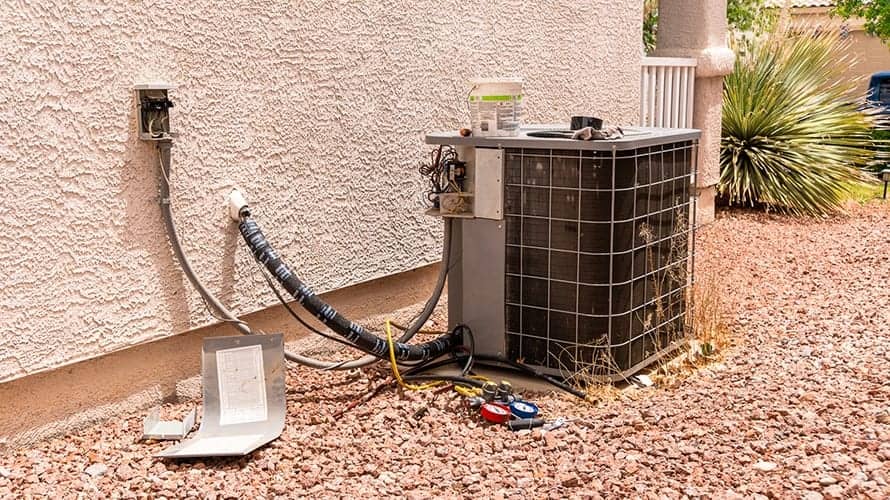
Furnace Blower Not Working in Las Vegas: What to Do
Short answer: When your furnace blower isn't working in Las Vegas, start with simple checks: verify thermostat settings, replace dirty filters, check breakers and switches. Most blower failures stem from clogged filters, power issues, or control problems rather than motor failure. In Las Vegas, where systems run hard during long cooling seasons and then sit idle, blower issues often appear when switching to heat mode. Desert dust, pet hair, and extended AC runtime increase blower stress. If basic checks don't resolve it, call a licensed technician for safe diagnosis and repair.
Las Vegas Furnace Blower Troubleshooting Context
Las Vegas homeowners face unique blower challenges due to extreme temperature swings and long cooling seasons. The Las Vegas Valley experiences mild winters with occasional cold snaps, but heating systems sit idle for 8-10 months each year. When winter arrives, blowers that worked fine during cooling season may struggle or fail due to accumulated dust, dried-out components, or capacitor issues. Desert dust, pet hair, and extended AC runtime during summer months create extra stress on blower motors and filters.
During winter months (December through February), blower problems become critical for comfort. Neighborhoods across the valley—from Summerlin and Henderson to North Las Vegas, Paradise, and Enterprise—all face similar challenges, but system age, maintenance history, and filter quality vary significantly. Older systems (12+ years) are more prone to blower failures, while newer systems may only need filter replacement or simple repairs if maintained properly.
A cold desert night, the thermostat is set to heat, and the furnace burner may even be firing, yet the rooms stay stubbornly chilly because the blower fan never comes on. In the Las Vegas valley, where equipment runs hard through long cooling seasons and then sits idle until the first cold snap, this situation is common-and stressful. Before panic sets in, it helps to know that issues as simple as a clogged air filter are often to blame; in fact, a dirty or clogged filter is cited as the most common reason a residential furnace stops working at all by home repair analysts at Angi. Understanding what the blower actually does, and how to check it safely, gives homeowners a clear path from confusion to action. If you are also dealing with other heater issues like weak heat, short cycling, or no-start problems, our furnace troubleshooting in Las Vegas guide ties those symptoms back to the same safety-first process.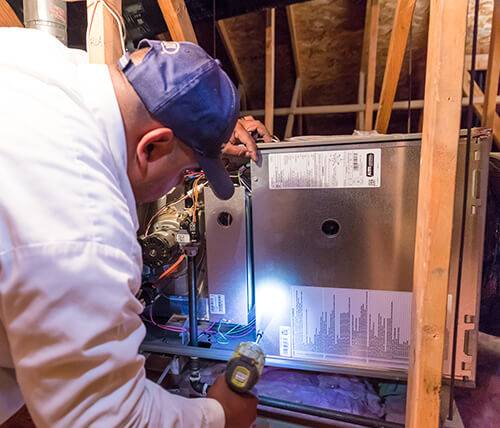
What It Means When the Furnace Blower Is Not Working
When technicians say the “blower” is not working, they are referring to the large fan assembly inside the furnace or air handler that pushes heated air into the duct system. Without that airflow, a gas or electric furnace can produce heat inside the cabinet, but the warmth never reaches the living space. In many cases, safety controls will eventually shut the system down to prevent damage, so the symptom might be a furnace that starts, clicks, or ignites briefly and then stops. Blower failure can be complete-no movement at all-or partial, such as a fan that comes on late, runs slowly, or shuts off too soon. Each pattern points to a different category of problem: power supply, control signals, motor health, mechanical obstructions, or duct and filter restrictions. For Las Vegas homeowners, the added variables of desert dust, pet hair, and long air-conditioning cycles create extra stress on this component. From a comfort standpoint, a blower problem often shows up as a furnace that seems to run but is not really heating the house on cold desert nights.How the Furnace Blower Moves Warm Air Through Your Home
The blower consists of an electric motor, a fan wheel (often called a squirrel-cage wheel due to its shape), and a metal housing that directs air into the ductwork. When the thermostat calls for heat, the control board waits until the heat exchanger warms up, then sends power to the blower motor. Air is pulled through the return ducts and filter, across the heat exchanger, and then pushed into supply ducts feeding the rooms. A healthy blower cycle feels smooth and consistent: a short delay after the burner lights, followed by a steady rush of air that ramps down only after the thermostat is satisfied. Disruptions to this pattern-long delays, short bursts of airflow, or total silence-signal that the motor or its controls may not be responding properly.Signs the Blower Is Not Running Even When Heat Is On
The most obvious sign is warm air never coming out of supply registers, even though the thermostat indicates the system is heating. Some homeowners notice the faint sound of the burner igniting but do not feel airflow at the vents. Others feel a brief puff of warm air followed by a shutdown, as safety controls react to the lack of cooling air over the heat exchanger. Another clue is temperature layering in the house. Rooms near the furnace closet or mechanical room may feel warm at the walls, while distant rooms stay cold. This often means the furnace is producing heat locally, but the blower is failing to distribute it effectively through the duct system.Difference Between Blower Problems and Burner Problems
Blower issues affect airflow; burner issues affect heat production. When only the burner has failed, the blower may still run, pushing room-temperature or slightly cool air through the ducts. When only the blower has failed, the furnace may get hot but the home does not warm up, or the system may shut itself down quickly. Distinguishing between the two matters because burner problems can involve combustion safety and gas supply, while blower problems focus on electrical and mechanical components downstream of the heat source. Many homeowners can make an initial distinction just by listening and feeling: quiet burner but moving air suggests burner trouble; audible burner or cabinet warmth with no air at vents suggests blower trouble.Why Blower Issues Are Common After Long Cooling Seasons
Las Vegas systems often run in cooling mode for many months. During that time, the blower motor also works hard because the same fan usually serves both heating and cooling. When cooler weather finally arrives, any wear that developed over the summer can reveal itself as a blower that struggles to start in heating mode. Extended run times increase bearing wear, dust accumulation, and strain on capacitors that help motors start and run efficiently. When the thermostat finally switches from “Cool” to “Heat,” the blower is not suddenly seeing new use; it is returning to duty after a long season of heavy service, sometimes with marginal components that are ready to fail.How Las Vegas Dust and Pet Hair Stress Blower Motors
Desert environments load HVAC systems with very fine dust. Add pet hair and dander, and the return side of the system behaves like a vacuum cleaner running for hours each day. When filters are not changed regularly, this material accumulates inside the blower housing and on the fan wheel. Industry reports note that the most common cause of blower motor problems is dirt buildup from lack of maintenance, which increases resistance and motor temperature according to an analysis by ACHR News. Over time, extra weight on the fan wheel and restricted airflow force the motor to work harder. Bearings run hotter, electrical windings face higher stress, and the likelihood of premature failure rises. Regular filter changes and periodic professional cleaning are two of the most effective defenses against this type of slow, hidden damage.How a Silent System Differs From a Hot Furnace With No Air
When the blower fails, the system may either be completely silent or may heat up internally with little or no airflow. In a fully silent scenario, nothing obvious happens after the thermostat calls for heat: no clicks, no fan start, no ignition sound. This often points toward power supply, thermostat, or control board problems. When the system stays completely quiet even though the thermostat is calling for warmth, you are closer to a furnace not kicking on when the temperature drops situation than a pure blower failure. In contrast, some homeowners notice warmth around the furnace cabinet or a faint gas burner sound, yet the vents remain cold. This pattern can indicate that the burner is firing, but the blower never engages, or engages only briefly before a limit switch shuts the system down. From a safety perspective, a hot furnace with no airflow is more concerning than a system that simply does nothing at all.Risks of Letting the Furnace Run Without Airflow
Blowers do more than move air into rooms; they also cool internal furnace components. When airflow is blocked or the blower fails, heat can build up inside the cabinet. Modern furnaces include high-temperature limit switches that shut the burner off when conditions become unsafe. Repeated trips can damage components and shorten equipment life. Over time, that stress can also show up as a furnace that keeps turning on and off in short bursts instead of settling into steady, comfortable cycles. In extreme cases, extended overheating could crack the heat exchanger, which separates combustion gases from indoor air. While safety devices aim to prevent such outcomes, running a furnace repeatedly when there is no airflow is unwise. If the system is getting hot but vents stay cold, shutting the unit down and addressing the cause quickly is the safest approach.What Homeowners Should and Should Not Touch Around the Blower
Homeowners can safely check and replace the air filter, confirm that vents and returns are not blocked, and listen for obvious blower sounds with the access panels in place. Many can also safely inspect the thermostat settings and main electrical panel without opening the furnace cabinet. Activities that should generally be left to licensed technicians include removing blower assemblies, testing capacitors, adjusting belt tension on older belt-driven systems, and working on internal wiring. Trade publications caution that improper belt tension in very old residential blower systems can overload bearings and cause premature wear, a problem often linked to non-professional adjustments according to field reports from ACHR News. Staying on the safe side of this line protects both equipment and personal safety.How This Guide Helps You Decide on Safe Next Steps
The goal is not to turn homeowners into HVAC technicians, but to provide a clear decision path. By identifying whether the blower is silent, trying but failing to start, or running without moving much air, it becomes easier to know which simple checks are reasonable and when to stop and call for professional service. For this first section, the essential takeaway is straightforward: if the furnace seems to heat but no air moves, treat it as a blower or airflow problem, avoid repeated restarts, and prepare to work through basic thermostat, filter, and power checks before involving a qualified technician.
Simple Thermostat and Fan Setting Checks
Many apparent blower “failures” trace back to thermostat settings or control logic rather than a broken motor. Because modern thermostats coordinate timing between burners and blowers, a misconfiguration can easily mimic mechanical failure. A few careful checks at the wall control can rule out the simplest causes before anyone opens a furnace panel.Use Fan On Mode to Test Whether the Blower Can Run
Most thermostats offer two basic fan options: “Auto,” where the blower runs only during heating or cooling calls, and “On,” where the blower runs continuously. Switching the fan from Auto to On is a quick way to ask a simple question: can the blower motor run at all when given a direct command? If the fan runs smoothly in On mode but never starts in Heat mode, the motor itself is probably functional, and attention should turn to controls, safety switches, or heat-related settings. If the fan does not start even in On mode, the problem may involve the motor, its capacitor, or the power feed to the air handler.Confirm Heat Mode Setpoint and Basic Thermostat Settings
Thermostats can be bumped, reprogrammed, or set to the wrong mode accidentally. Confirm that the system is actually set to “Heat,” that the temperature setpoint is higher than the current room temperature, and that any schedule or hold features are not overriding the desired setting. Some devices also include a “Fan Circulate” or eco-fan mode that runs the blower intermittently, even without active heating. While useful for air mixing, these modes can confuse diagnosis if homeowners expect constant airflow whenever the display shows “Heating.” Ensuring a simple, stable heat call helps remove that ambiguity.Check Thermostat Batteries Screens and Power Supplies
Thermostats that lose power can behave unpredictably. Dim or blank screens, sluggish touch response, or low-battery icons all suggest that the control might not be sending consistent signals to the furnace. Replacing batteries or confirming that a hardwired thermostat has not lost its low-voltage power is a non-invasive step that often resolves intermittent blower complaints. If the thermostat repeatedly loses its settings or time, internal power issues may be present. In that case, documenting the behavior and relaying it to a technician helps ensure that both the thermostat and the furnace controls are evaluated together.Review Smart Thermostat Apps Schedules and Eco Modes
Smart thermostats add layers of logic such as learning schedules, geofencing, and energy-saving modes. While these features can reduce utility bills, they also increase the chances that a well-intentioned setting prevents the blower from running when expected. For example, some eco modes intentionally reduce fan runtime between temperature swings. Checking the app or web interface for recent changes, vacation modes, or software updates is worthwhile. Temporarily setting the thermostat to a simple manual heat mode with a clearly elevated setpoint removes many of these variables during troubleshooting.When Thermostat Tests Point to a Blower or Control Problem
If the thermostat is clearly powered, set to Heat, and commanding the fan to run-yet the blower does not start-attention shifts downstream. Industry training materials emphasize that the first step in diagnosing blower motor failure is confirming that there is a demand signal for the blower from the thermostat or control board, before assuming the motor itself has failed, as outlined in a troubleshooting guide summarized by ACHR News. For homeowners, the key takeaway from this section is that clear, stable thermostat settings and simple fan tests can distinguish between a control issue at the wall and a mechanical or electrical problem inside the furnace. After one round of basic checks, repeated button pushing rarely adds value; at that point, careful observation is more useful than more experiments.Power Safety and Warning Signs at the Blower
Once thermostat and filter issues are ruled out, the next layer of diagnosis involves power and the blower compartment itself. This is where safety becomes critical. High-voltage power, sharp metal edges, and moving parts all exist within the furnace cabinet. Homeowners can make a few external checks and observations, but deeper work should be reserved for trained professionals with proper tools and protective equipment.Check Breakers Furnace Switches and Power to the Air Handler
A tripped breaker or switched-off furnace disconnect can instantly silence a blower. Checking the main electrical panel for any tripped breakers associated with the furnace or air handler is a reasonable homeowner task. If a breaker has tripped, it should be reset only once; repeated trips indicate an electrical problem that requires professional diagnosis. Most furnaces also have a nearby service switch that looks like a light switch. Ensuring that this switch is in the “On” position is another basic step. If power is confirmed at the panel and switch, yet the furnace remains completely unresponsive, internal components such as fuses, control boards, or transformers may be involved.Blower Door Switches and Loose Access Panels to Inspect
Modern furnaces include a blower door safety switch that cuts power when the main access panel is removed. If that panel is misaligned or not fully closed, the blower will not run. A quick visual check, followed by firmly securing the panel until it clicks or seats properly, can resolve some “dead furnace” complaints without any tools. Homeowners should avoid defeating or taping down door switches, as these devices are integral to safe operation. If the switch or panel appears damaged, a technician should evaluate and repair it rather than improvising a workaround.Control Board Fuses Lights and Smells Homeowners May Notice
Many furnaces use low-voltage fuses on the control board to protect against shorts in thermostat wiring or accessories. A blown fuse usually leaves the system unresponsive, sometimes with no display on the thermostat. While visually obvious to a trained eye, accessing and testing these fuses usually requires opening the cabinet and working near live circuits. Control boards often include small indicator lights visible through a viewing window or small opening. Blinking patterns can hint at error codes, but interpreting them correctly requires a service manual. Any burning smell, melted plastic odor, or visible scorch marks near the board or wiring are strong signals to shut the system off and contact a professional immediately.What Humming Clicking or Silence Can Tell You About the Blower
Sounds often provide the most useful non-invasive clues about blower health. A steady hum without fan movement can indicate a motor that is receiving power but cannot start, possibly due to a failed capacitor or seized bearings. Training guides for HVAC technicians note that if a motor is receiving power but not running-or if it emits unusual noises-it may be at the end of its service life and require replacement, as outlined in educational materials summarized by HVAC Excellence study resources. Rapid clicking may reflect relays or contactors repeatedly trying and failing to start components, whereas complete silence in the presence of a confirmed thermostat call can point toward power or control failures. While none of these sounds definitively diagnose the problem for a homeowner, noting them accurately helps technicians narrow the field quickly.When a One Time Power Reset Is Reasonable to Try
Occasionally, electronic control boards can lock into an error state after a brief power disturbance. In such cases, turning the furnace off at the service switch or breaker for a few minutes and then restoring power can reset the logic. If this is done, it should be tried only once and only after verifying that no burning smells, visible damage, or repeated breaker trips are present. If the system resumes normal operation and continues to behave well, the event may have been a transient glitch. If the same error reappears, or if the reset causes new or worse symptoms, power should again be removed and a professional called.When You Should Shut the System Off Immediately
Certain warning signs justify turning the furnace off without further experimentation. These include strong burning or electrical smells, smoke, visible sparks, rapidly repeated breaker trips, or extremely loud grinding or screeching from the blower area. Continued operation under these conditions risks equipment damage and, in extreme cases, fire. Shutting the system off at the furnace switch or breaker and leaving it off until inspected is the safest response. Documenting what happened just before the incident-such as thermostat changes or storms-also helps with later diagnosis.How to Describe Look Listen and Feel Clues on a Call
When contacting a service provider, concise observations are more useful than technical guesses. Helpful descriptions include whether the thermostat appears normal, what mode it is in, whether any lights are visible on the furnace, what sounds occur when a heat call begins, and whether any unusual smells or cabinet warmth were noticed. Describing what the system does in sequence-first click, then short hum, then shutoff, for example-allows technicians to map those events onto the furnace’s normal startup steps. This often leads to faster, more accurate repairs and fewer surprises during the appointment.Why Internal Electrical and Motor Work Is Pro Only
Inside the blower compartment, high-voltage wiring, capacitors that can store energy, sharp sheet metal, and complex controls all coexist in a confined space. While some homeowners possess electrical skills, most lack the specialized meters, protective gear, and equipment-specific knowledge needed to test motors, capacitors, and control boards safely. Professional technicians also understand how one failed part can indicate hidden stress elsewhere in the system, guiding not just repair but prevention. For most Las Vegas households, the practical and safe division of labor is clear: handle filters, vents, thermostat checks, and obvious power switches; leave internal electrical diagnostics and motor work to licensed experts. Common questions or objections. Homeowners often ask whether running the system “just a little longer” might get them through a cold night or whether lubricating a noisy motor is an acceptable temporary fix. If the furnace is overheating, tripping safety switches, or producing burning smells, continued operation is not worth the risk. Similarly, adding oil or spray lubricants to a sealed motor can cause more harm than good and may void warranties. When in doubt, a short, accurate description of symptoms to a qualified technician is safer than improvised repairs. The closing takeaway is simple: once basic thermostat, filter, and breaker checks are complete, any persistent blower problem-especially one involving unusual sounds, smells, or repeated shutdowns-belongs in professional hands. Careful observation and prompt action protect both comfort and safety in Las Vegas homes.Cost Drivers: What Affects Furnace Blower Repair Costs in Las Vegas
Understanding repair costs helps you budget and prioritize. In Las Vegas, several factors influence what you'll pay:
- Issue type: Simple fixes like filter replacement cost $5-$50, while motor replacement ranges $250-$1,500+
- Motor type: PSC motor swaps cost $250-$650, while ECM upgrades cost $600-$1,500+
- System age: Older units may need more extensive repairs or full replacement
- Emergency service: After-hours or same-day service adds $75-$200+ to labor costs
- Prevention: Regular filter changes ($5-$50) prevent most blower problems
Prevention pays: Regular maintenance typically costs 10-20% of what emergency blower repairs cost, and can prevent premature motor replacement.
Get Your Furnace Blower Fixed with The Cooling Company
Share This Page
Need HVAC Service in Las Vegas?
The Cooling Company provides expert HVAC service throughout Las Vegas, Henderson, and North Las Vegas. Our licensed technicians deliver honest assessments, upfront pricing, and reliable results.
Call (702) 567-0707 or visit furnace repair, AC repair, maintenance, heating, or installation for details.