

Blower
A blower is a key HVAC component that moves air through ductwork to distribute heated or cooled air throughout a building. Powered by a motor and fan assembly, it circulates air through filters and across heating or cooling coils, helping maintain comfort and indoor air quality. Some systems use variable speed blowers that adjust airflow for better efficiency and humidity control.
💡 Key Takeaways
- ✓A blower is a key HVAC component that moves air through ductwork to distribute heated or cooled air throughout a building. Powered by a motor and fan assembly, it circulates air through filters and across heating or cooling coils, helping maintain comfort and indoor air quality. Some systems use variable speed blowers that adjust airflow for better efficiency and humidity control.
- ✓Blower performance directly impacts system efficiency and comfort.
- ✓Variable speed blowers can improve humidity control and reduce temperature swings.
- ✓Quieter blower designs can reduce noise throughout the home.
Blower
/ˈbloʊər/
Definition
A blower is a key HVAC component that moves air through ductwork to distribute heated or cooled air throughout a building. Powered by a motor and fan assembly, it circulates air through filters and across heating or cooling coils, helping maintain comfort and indoor air quality. Some systems use variable speed blowers that adjust airflow for better efficiency and humidity control.
What does a blower do in HVAC?
A blower moves air through the system and ductwork, delivering heated or cooled air to living spaces and circulating air through filters.
Source: The Cooling Company

Quick Facts
How Blower Works
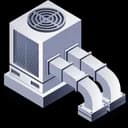
Blowers distribute conditioned air and recirculate indoor air.
Real-World Application
When the thermostat calls for heating or cooling, the blower turns on to push conditioned air through the vents so every room stays comfortable.
Pro Tip
Keep blower components clean and well-maintained to improve airflow, reduce energy use, and extend system life.
“Keep blower components clean and well-maintained to improve airflow, reduce energy use, and extend system life.”
Important Things to Keep in Mind
- Blower performance directly impacts system efficiency and comfort.
- Variable speed blowers can improve humidity control and reduce temperature swings.
- Quieter blower designs can reduce noise throughout the home.
Did You Know?
Variable speed blowers can run at lower speeds for longer cycles, saving energy while improving comfort.
FAQ
What are signs of a bad blower motor?
Weak airflow, unusual noises, or intermittent operation can indicate blower motor issues.
Does a blower affect indoor air quality?
Yes. It moves air through filters and helps distribute fresh, conditioned air throughout the home.
Can I upgrade to a variable speed blower?
Often, but it depends on system compatibility. A technician can verify whether your equipment supports it.
Related Services
Need help with blower? Our licensed technicians in Las Vegas are ready to assist.
Share This Page
Why Homeowners Trust Us

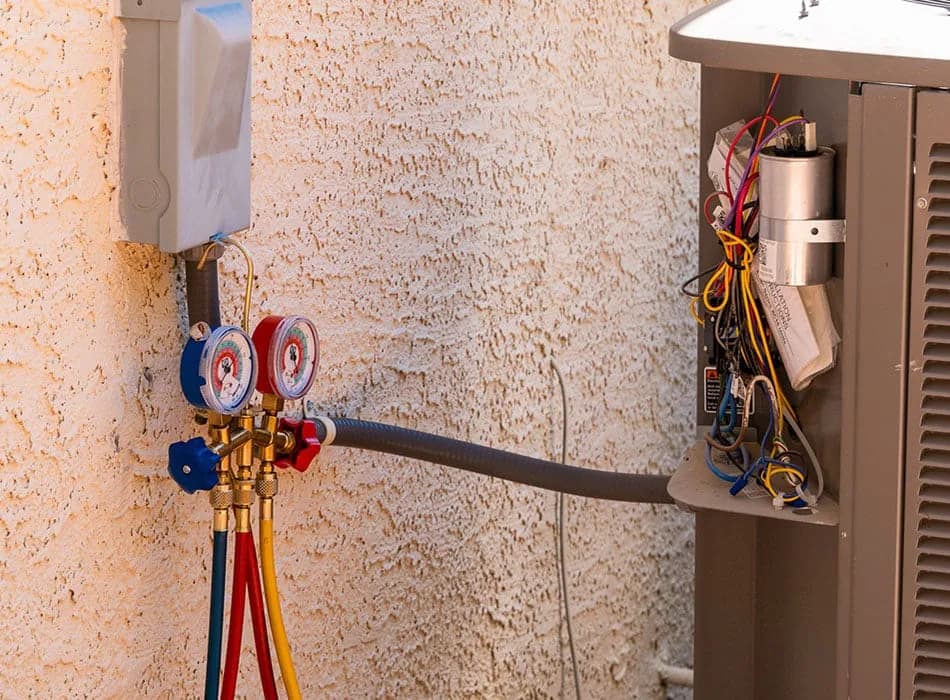

Maximize Comfort with Efficient Blower Technology
Get a Free Estimate
Fill out the form below. Our goal is to reach you within minutes.