


Furnace Installation Anthem: Expert Tips for Local Homeowners
Short answer: Furnace replacement in Anthem focuses on right sizing, duct health, and honest bids. Start with a Manual J load calc and Manual S selection. Require duct leakage numbers, combustion testing, and itemized permits. Consider heat pumps or hybrids for year‑round economy and watch for hidden duct or venting costs. In Las Vegas, where heating systems sit idle during long summers and then face sudden cold snaps, proper sizing and installation are critical. Desert heat, dust, and mild winters make efficiency and reliability essential for long-term value.

Las Vegas Furnace Installation Context
Las Vegas homeowners in Anthem face unique furnace installation considerations due to extreme temperature swings and long cooling seasons. The Las Vegas Valley experiences mild winters with occasional cold snaps, but heating systems run far fewer hours than cooling systems. Unlike colder climates, heating needs here are modest, making upfront efficiency investments less critical than in northern states. Desert dust, long cooling seasons, and high summer energy costs make dual-purpose heat pumps especially attractive for many Anthem homes.
During winter months (December through February), furnace installation becomes critical for comfort. Anthem and surrounding neighborhoods—from Summerlin and Henderson to North Las Vegas—all face similar mild winter conditions, but home age, insulation quality, and existing infrastructure vary significantly. Older homes may need ductwork upgrades alongside furnace installation, while newer homes can often do straightforward replacements.
Furnace replacement in Anthem focuses on right sizing, duct health, and honest bids. Start with a Manual J load calc and Manual S selection. Require duct leakage numbers, combustion testing, and itemized permits. Consider heat pumps or hybrids for year‑round economy and watch for hidden duct or venting costs. (ASHRAE Technical Resources)
Key Takeaways
- Use a room-by-room Manual J load calculation (not a square-foot rule).
- Select equipment with Manual S and verify ducts with Manual D for comfort and efficiency.
- Avoid oversizing: short-cycling wastes fuel and can create uneven temperatures.
Furnace installation anthem: Key takeaways
If you are having a furnace installed in Anthem, insist on documented steps. A written Manual J and Manual S should be part of the contract. Contractors must provide measured duct leakage numbers and combustion test reports. These items protect you and help compare bids fairly.
Anthem homeowners should demand proof of load calculations and test results. Ask for itemized bids and duct leakage numbers. Expect basic gas replacements near $2,800 and high‑efficiency or duct work above $5,000. Always confirm permit handling and combustion testing before final payment. Require a written Manual J and Manual S before you sign. Expect $2,800–$8,000 for typical installs; complex jobs cost more. Ask for duct leakage CFM25 or percent and combustion test reports.
Why replace my furnace in Anthem?
You should replace a furnace when comfort, efficiency, or safety decline enough that repair is not practical. Older units lose efficiency and may need frequent repairs. Replacing an aging furnace reduces the risk of a mid‑winter failure and can lower long‑term operating costs. A planned replacement allows you to choose the right size and system type for Anthem’s climate.
Try our energy savings calculator to see how much you could save.
Anthem has milder winters than many northern states. That affects the value of very high AFUE units. A unit with slightly lower AFUE but better duct sealing can save more overall. Consider the whole house load, including cooling needs. If you plan to replace or improve cooling systems as well, a heat pump or hybrid can deliver better year‑round efficiency and comfort.
When is replacement better than repair?
Replace when the cost of repair is more than about half the cost of a new unit. Repeated breakdowns, scarce parts, or a cracked heat exchanger are strong signals to replace. Our heating repair vs replacement guide covers the decision in detail. Safety failures such as failed combustion tests or venting problems usually require replacement or major repair to meet code and keep occupants safe.
Check our HVAC pricing guide for current cost estimates.
When you see frequent call‑outs, rising fuel bills, or uneven rooms that never warm, plan for replacement. A new install also offers a chance to correct duct problems, update controls, and get better warranties.
How does Anthem climate affect choice?
Anthem experiences shorter heating seasons and fewer heating degree days than colder regions. That reduces the hours a gas furnace will run each year. The payback time for very high AFUE equipment lengthens in mild climates because fuel savings are smaller. However, good duct sealing and proper sizing usually yield quicker, practical savings.
Heat pumps and hybrid systems often make sense in Anthem because they handle cooling and heating efficiently. A Manual J will show whether a heat pump can cover the coldest local days or if a smaller gas furnace is still needed as backup.
What is AFUE and why it matters?
AFUE stands for Annual Fuel Utilization Efficiency. It shows how much fuel becomes usable heat versus how much is lost. A higher AFUE means more of the gas you buy turns into heat. But higher AFUE equipment costs more up front and needs more run time to pay back the incremental cost.
In Anthem, check duct performance before chasing AFUE numbers. If ducts leak, much of the heat never reaches living spaces. Duct sealing or repair often offers better near‑term returns than upgrading to the top AFUE model.
How do fuel type options compare?
Natural gas furnaces produce strong, fast heat and are common where gas lines are available. Heat pumps run on electricity and are more efficient in mild climates because they move heat rather than generate it. Hybrids combine both to give efficient heat most of the year and gas backup during cold snaps.
Choosing fuel type depends on local fuel prices, cooling needs, and site specifics like venting and available electrical service. Compare total seasonal use, not just winter AFUE, to find the best match. (ASHRAE Technical Resources)
How should I size a new furnace?
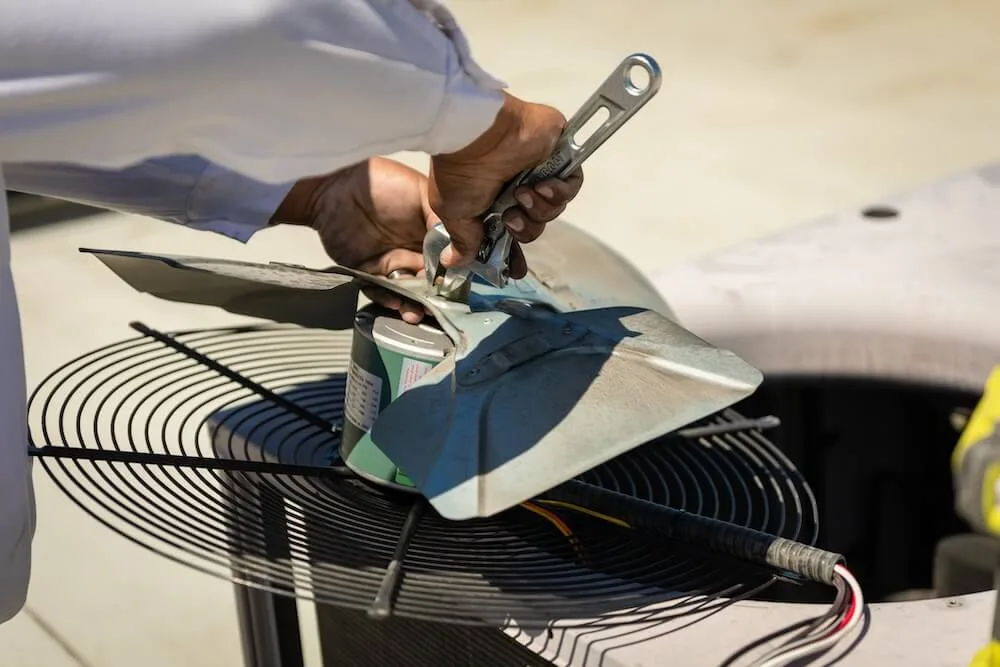
Sizing must start with a professional Manual J load calculation. This calculation measures the home's heating and cooling needs room by room. It accounts for insulation, windows, orientation, and local climate. Understanding why furnace sizing matters helps avoid common oversizing mistakes. A Manual S then matches a specific unit to that load and shows projected delivered BTUs and airflow requirements.
Ask for the calculations on paper and include them in the contract. Many disputes come from missing or incorrect load documents. Sizing must also account for duct losses and real blower performance. Contractors should quote delivered heating BTU to living spaces, not just furnace output, to set realistic expectations for comfort.
What is Manual J and who does it?
Manual J is the industry standard method to compute a home’s heating and cooling load. It requires measurements of the home, insulation levels, window types, and local weather data. Certified load technicians or licensed contractors usually perform it.
The result includes BTU needs by room and overall system requirements. Use this report to verify unit capacity and to drive duct and blower decisions. Keep the report in your records for resale and warranty support.
How do ducts affect furnace sizing?
Duct leakage and poor duct design reduce the heat that reaches rooms. If the ducts leak a lot, a larger furnace may be required to meet room temperatures, or the ducts should be repaired to improve efficiency. Report duct leakage as CFM25 (cubic feet per minute at 25 Pa) or as a percent of system airflow when comparing bids.
Contractors sometimes assume sealed ducts when sizing. Verify their assumptions. If they did not measure duct leakage or static pressure, ask for those tests as part of the proposal to avoid surprises after install.
When is ductwork replacement needed?
You need duct replacement if ducts are physically damaged, severely sagging, crushed, or stacked with rust or mold. Old flex ducts with major kinks or torn seams often warrant replacement. If rooms do not reach temperature even with a properly sized furnace, plan to inspect ducts.
Partial duct repair can fix many issues, but hard‑to‑access systems may need larger sections replaced. Get multiple bids that list the work in detail and show before/after photos.
How to factor airflow losses?
Measure total external static pressure and duct leakage during the Manual S stage. These numbers show how much resistance the blower must overcome and how much air actually reaches living spaces. Blower selection must match the real pressure to move the needed CFM.
Ask contractors to show blower curve data for the proposed air handler or furnace. That data confirms the unit will move sufficient air at the expected system pressure.
How does two-stage vs modulating help?
Two‑stage and modulating furnaces operate at lower output for longer periods. This reduces short cycling and gives steadier indoor temperatures. The result is more even comfort and often quieter operation.
In Anthem, where run times are moderate, longer steady runs from a two‑stage or modulating unit can beat chasing the absolute top AFUE for comfort and practical efficiency gains.
Which furnace type is best for Anthem?
Match system type to your full annual needs instead of focusing only on winter efficiency. If your home uses cooling heavily, a heat pump can reduce both winter and summer costs. If you need fast recovery on cold mornings, a gas furnace or hybrid offers quick heat with reliable performance.
Consider fuel costs, existing ductwork, and incentives. Heat pumps give the best year‑round efficiency in mild climates. Gas furnaces are still the best choice when gas is cheap and cooling is minor. Weigh the combined seasonal energy use and the local climate to choose the optimal system.
Gas furnace vs heat pump: what suits Anthem?
Heat pumps are often more efficient across the year in Anthem’s mild winters. They provide both heating and cooling with a single system. Modern cold‑climate heat pumps extend capacity on colder days and can replace gas in many homes.
Gas furnaces still perform better in brief, very cold snaps and offer fast heat recovery. A hybrid system with controls to switch between heat pump and gas can capture the strengths of both technologies.
How do AFUE and SEER compare?
AFUE measures heating efficiency for gas furnaces. SEER (Seasonal Energy Efficiency Ratio) measures cooling efficiency for air conditioners and heat pumps. When replacing an air handler or whole system, compare both metrics to understand year‑round performance.
A balanced upgrade that raises both AFUE and SEER where needed usually gives the best overall savings. Avoid choosing equipment based purely on one metric without considering the other.
What are hybrids and how do they work?
A hybrid system pairs an electric heat pump with a gas furnace. Controls switch between the two systems based on outdoor temperature or cost curves. The heat pump runs most of the heating season for efficiency, and the gas furnace starts when temperatures or cost conditions favor it.
Hybrids reduce fuel use while keeping the comfort and recovery rate of gas when needed. They require compatible controls and proper sizing of both components.
Can a heat pump replace a furnace in Anthem?
Yes, many homes in Anthem and the Las Vegas Valley can use a heat pump for heating and cooling. Modern heat pumps perform well in our mild winters. Always confirm capacity with a Manual J to verify the heat pump can meet the coldest local nights. Cold‑climate models provide added margin for lower temperatures.
If you have very long, cold exposure or very high heating loads, a supplemental gas furnace or hybrid may still be appropriate. Use the load calc to decide.
Which efficiency tier is worth extra cost?
Mid‑tier efficiency, like 90–95% AFUE for gas furnaces or high‑SEER heat pumps, often gives the best balance of cost and payback. Extremely high tiers can cost substantially more and need many run hours to pay back the investment.
Run the numbers using local gas and electric rates and expected run hours. Include duct improvements and controls in the analysis since they often change payback math more than the equipment efficiency alone.
How will summers affect winter furnace choice?
If your cooling load is significant, a heat pump may offer the greatest annual savings by handling both seasons efficiently. If cooling is minor and gas is inexpensive, a gas furnace may still be the better value for heating.
Consider combined bills, not just winter fuel use. Incentives for heat pumps can also tilt the choice. Model full‑year energy use before you decide.
What permits and codes apply?
Permits protect safety and the home's resale value. Anthem and Clark County require mechanical permits for gas appliance changes and many mechanical alterations. Work that changes venting, gas piping, or structural openings often needs additional permits, such as plumbing or building permits.
Unpermitted work can lead to delays at sale time and may require costly retrofits or inspections. Confirm permit handling and inspection timelines with the local building office before starting work. Ask the contractor to list permit fees as a separate line item in the bid.
Which permits are required in Anthem?
Most furnace replacements need a mechanical permit and a final inspection in Clark County. If the job adds new venting or changes plumbing for condensate drains, it may also need plumbing permits. Contractors should include permit fees and inspection scheduling in their written proposals.
Before work begins, verify permit pull and final approval steps. Keep copies of permits and final inspection reports with the project documents for future buyers.
What safety checks must installers perform?
Installers should perform combustion analysis, draft testing, and carbon monoxide checks for venting integrity. They must record gas pressure, burner performance, and fan operation. These tests confirm the unit runs safely and efficiently.
Request copies of combustion analyzer results and any CO readings for your records. These reports are useful for resale and for verifying proper installation when warranty issues arise. (ASHRAE Technical Resources)
How does venting and combustion safety work?
Condensing furnaces use PVC vent pipes and need a proper slope and drain for condensate. Non‑condensing units require metal flue and airflow clearances. Proper draft and correct gas pressure prevent spillage and unsafe operation.
Installers must size and support vents correctly, provide proper clearances, and ensure condensate drains are routed per code. Ask to see vent layout drawings and condensate plans when they are part of the scope.
How much will installation cost?
Cost depends on equipment, access, labor, duct work, and permits. A simple like‑for‑like gas furnace swap often starts near $2,800. See our furnace prices breakdown for detailed cost-to-install data. High‑efficiency condensing installs with duct sealing, new controls, and permit work commonly run $5,000–$8,000 or more. Complex jobs such as full duct replacement, hybrid systems, or hard‑access installs can be substantially higher.
Always ask for itemized bids with clear scopes. Itemized bids make it easier to compare contractors, spot omissions, and avoid surprise fees during the job. Confirm permit fees, disposal charges, and any possible access or HOA fees ahead of time.
How do scope and permit fees change quotes?
Adding duct sealing, gas‑line work, or vent upgrades increases the price. Permit and inspection fees commonly add a few hundred dollars. A thorough bid lists these items and explains why they are required for safety and code compliance.
Check whether the contractor’s price includes final testing and sign‑off. If not, you may pay more for follow‑up inspections or rework.
What are typical labor and material breakdowns?
Labor covers removal of the old unit, gas piping, venting, electrical hookup, mounting, and testing. Material costs include the furnace, blower, filters, vent pipe, condensate fittings, and new controls. A transparent bid separates labor and material so you can compare values between contractors.
Ask for warranties on both parts and labor. Longer labor warranties can save money if problems arise after installation.
Can rebates and incentives lower costs?
Local utility rebates and federal tax credits sometimes apply to qualifying heat pumps and high‑efficiency systems. Incentives change often and may require specific equipment or contractor enrollment.
Learn about available federal tax credits for energy-efficient HVAC equipment.
Ask contractors to list available rebates and whether they will help complete the paperwork. Factor likely incentives into your financial calculations but verify current program details before you sign.
How to spot lowball bids with hidden costs?
Low bids that omit Manual J, duct testing, or combustion analysis often add costs later. Watch for vague scopes, missing permit line items, or no testing shown. Ask for site photos and test reports to verify promised work.
A bargain price may mean lower quality parts, reduced testing, or no permit pull. Verify credentials, insurance, and references before you accept a very low quote.
What financing options are common?
Many contractors offer financing, same‑as‑cash deals, or monthly payment plans. Compare APR, term length, and prepayment rules. Short‑term low‑interest options often cost less in total interest than long terms with low monthly payments.
Shop financing as part of the overall offer. Be sure to understand late fees and service charges.
When does furnace installation anthem change pricing?
Season, part shortages, and local labor demand change pricing. Early fall and spring often see higher demand. Urgent or emergency replacements typically carry rush fees for same‑day labor and parts.
Lock in quotes with a clear scope and expiry date to avoid surprises due to market shifts.
How much does ductwork add to the total?
Minor sealing can cost a few hundred dollars. Partial replacement commonly runs $1,500–$4,000. Full duct replacement for larger homes can range from $4,000–$10,000 depending on access and materials.
Get multiple bids for duct work and ask for before and after photos and leakage test results.
What are emergency replacement price ranges?
Same‑day or next‑day installs often include premiums for rush labor and parts. Expect to pay several hundred dollars more compared with scheduled work. If you can wait a few days, you usually save on labor and avoid emergency markups.
Plan ahead when possible. A short delay can reduce costs and allow better scheduling and parts sourcing.
How do contractor warranties affect value?
Longer labor warranties lower your future out‑of‑pocket risk. Seek clear labor warranty terms along with manufacturer parts warranties. A higher up‑front price can be justified by longer warranty coverage and documented quick response for warranty claims.
Get warranty terms in writing and understand who handles service calls and how parts shipping is handled.
How will furnace installation anthem influence ROI?
ROI depends on run hours, efficiency difference, and duct losses. In Anthem, moderate efficiency upgrades combined with duct sealing often give better returns than buying the highest AFUE model alone. Always run the numbers using your local gas and electric rates.
Ask contractors for modeled annual energy use for proposed equipment and include any available incentives and estimated maintenance costs in the comparison.
Ready to choose your Anthem furnace?
Collect at least three itemized bids that show Manual J and Manual S. Require measured duct leakage numbers and total external static pressure. Compare blower curves, combustion test reports, and permit handling. Use the written data to make an apples‑to‑apples decision.
Ask contractors for references and job photos of similar local installs. Confirm they carry liability insurance and workers’ compensation. If you have an HOA, review any placement or screening rules and ask the contractor to include those tasks in the proposal. Keep documentation for resale.
How to evaluate contractor bids?
Require a written Manual J and Manual S and proof of duct leakage testing. Ask for combustion analyzer results and external static pressure readings. Compare line‑item costs, labor warranties, and how the contractor will handle permits.
Value is more than price. Look for clear scopes, measured test data, and reasonable warranty coverage. Contact references and ask about after‑sale responsiveness.
Call to action
If you live in Las Vegas, Henderson, or North Las Vegas, call The Cooling Company at (702) 567-0707 for NATE‑certified technicians and clear, itemized bids. Expect prompt permit handling, combustion testing, and duct reports. Outside our area, ask any contractor for NATE certification and the same paperwork we require.
Learn More
This aspect deserves careful consideration as you evaluate your options. Understanding the details helps you make more informed decisions. Consulting with qualified professionals provides additional insights specific to your situation. Take time to consider how this information applies to your particular needs and circumstances. Making well‑informed choices typically leads to better long‑term outcomes and greater satisfaction.
Share This Page
About The Cooling Company
The Cooling Company has been serving the Las Vegas valley with professional HVAC services for over a decade. Our team of licensed, NATE-certified technicians specializes in air conditioning repair, heating system maintenance, and complete HVAC installations. We're committed to providing honest, reliable service with upfront pricing and a 100% satisfaction guarantee on all work performed.
- Phone: (702) 567-0707
- Reviews: 4.8/5 stars (780+ reviews) - See reviews
Service Areas
We proudly serve homeowners and businesses throughout the Las Vegas metropolitan area, including Las Vegas, Henderson, and North Las Vegas. Our service technicians are available for same-day appointments in most areas, with emergency service available 24/7 for urgent HVAC issues.
Need Heating Service in Las Vegas?
The Cooling Company provides expert heating service throughout Las Vegas, Henderson, and North Las Vegas. Our licensed technicians deliver honest assessments, upfront pricing, and reliable results.
Call (702) 567-0707 or visit heating, furnace repair, heat pump installation, or heating maintenance for details.