

Quick answer: Professional furnace installation in Boulder City typically costs $3,500-$6,000 for a standard replacement, requires Clark County permits, and should include Manual J sizing, combustion testing, and proper venting. Las Vegas area homeowners should get 3+ itemized bids with written load calculations before choosing a contractor.
See why homeowners trust us — view our industry awards and certifications.
Key Takeaways
- Use a room-by-room Manual J load calculation (not a square-foot rule).
- Select equipment with Manual S and verify ducts with Manual D for comfort and efficiency.
- Avoid oversizing: short-cycling wastes fuel and can create uneven temperatures.

When to schedule furnace installation boulder city
Deciding when to replace a furnace matters for cost, comfort, and safety. Many homeowners wait until a cold spell exposes a failure. That often leads to emergency service, higher installation costs, and rushed decisions. In Boulder City, winters are mild compared to northern climates, but failures still leave homes uncomfortable and can risk combustion safety. Plan replacements before the heating season when contractors are less busy. A planned swap lets you compare bids, run proper Manual J calculations, and schedule permits and inspections. It also gives time to evaluate ductwork, ventilation, and any gas or electrical upgrades needed for a new model.Signs you should replace rather than repair?
Replace the furnace if it is older than 15 years, needs frequent repairs, or shows signs of heat-exchanger failure. Combustion odors, rust on the heat exchanger, or repeated limit trips are serious furnace warning signs. Ask for combustion-tests and a clear repair-vs-replace estimate to document the decision. Frequent small repairs are a sign of overall wear. When repair costs approach half the value of a new unit, replacement usually gives better long-term value. A new unit reduces emergency calls and often improves comfort and efficiency.What a full furnace installation includes
A complete furnace installation covers removal, set, connections, testing, and paperwork. The installer should remove the old unit, place the new furnace on a proper base, connect gas and venting, hook up electrical and controls, and route condensate for condensing units. Crews must perform startup tests and provide a signed startup sheet with CO and draft numbers. Permits and inspections are part of a compliant job. The contractor should pull mechanical and gas permits, schedule final inspections, and give you copies of the permit card and signed startup report. Keep those documents with the warranty and model information for resale and future service.Specific items included in the base price?
A base install typically includes the new furnace, standard venting for non-condensing units, thermostat hookup, and startup testing. It usually also includes old-unit disposal and basic electrical connection. Make sure the bid lists these items and shows any exclusions. Optional items often billed separately include duct repairs, condensate pumps or traps for condensing units, gas-line upsizing, chimney liners, and electrical service upgrades. Request each optional item as a separate line on the quote to compare bids correctly.Sizing, Manual J, and Manual S explained?
Accurate sizing matters to avoid short cycling and poor comfort. A Manual J load calculation measures a home’s heating and cooling needs in BTUs. This calculation uses square footage, insulation levels, window types, orientation, and local climate data. Without a Manual J, a contractor risks oversizing the system, which increases cycling and reduces efficiency. Once the Manual J is complete, Manual S guides the selection of specific equipment that matches the load. Manual S ensures the model’s capacity and performance match the calculated load and the duct system. Ask bidders to supply both the Manual J and Manual S printouts with their proposals for objective comparison.How contractors perform Manual J
Technicians collect house data including wall, attic, and floor insulation, window U-values, door and window areas, and infiltration assumptions. They use local design temperatures to estimate worst-case loads. The resulting report lists room-by-room loads so the chosen equipment and register sizing will deliver balanced heat. Request the Manual J report as part of each bid. If contractors refuse, consider that a red flag. Printed or digital reports make bids comparable and protect you from oversizing or vague claims.How Manual S influences model choice
Manual S takes the Manual J load and matches it to available products, accounting for AFUE, blower performance, and venting options. It documents why a given model is a good match for your home. When comparing bids, check that each contractor used the same inputs so you compare like-for-like. A Manual S sheet also highlights limitations, such as the need for duct changes or venting type changes for high-efficiency condensing furnaces. This helps you spot hidden costs before signing an agreement.Choosing the right furnace for your Boulder City home?
Choosing the right furnace means matching fuel type, efficiency, and blower characteristics to your home and budget. Start with the Manual J result to know required capacity. Then select a model that fits that capacity and uses an appropriate blower type. ECM blowers save electricity and improve low-speed airflow, which can cut noise and improve comfort. Consider local service and parts availability when choosing a brand. A reliable local dealer with Nevada licensing and NATE-certified technicians will support warranty claims and future maintenance. Also consider future electrification plans; if you may install a heat pump later, review compatibility with your duct system and electrical service.Fuel type: gas vs electric and heat pumps?
Natural gas is common in Boulder City and often has lower operating costs than electric resistance heat. Heat pumps can be efficient in mild climates and offer both heating and cooling, but they require suitable ducts and adequate electrical service. Evaluate current fuel costs, available rebates, and any necessary electrical upgrades when choosing a fuel type. If your home lacks gas, converting can be expensive. Compare long-term fuel costs and incentives. For modest heating needs in mild climates, a high-efficiency heat pump may give the best running-cost profile and reduce on-site combustion risks.Efficiency choices and AFUE impact?
AFUE (Annual Fuel Utilization Efficiency) is the key efficiency metric for gas furnaces. Higher AFUE means less fuel use, but the payback depends on how many heating hours you run each year. Because Boulder City has milder winters, the incremental savings from very high AFUE models are smaller than in cold climates. Balance the purchase price against expected annual fuel savings. An ECM blower and two-stage or modulating burners can improve comfort and reduce cycling, often delivering better real-world gains than small AFUE differences alone.High-efficiency options and installation implications
High-efficiency condensing furnaces reach 90–98% AFUE by condensing water vapor from exhaust gases. They require PVC venting, a condensate drain, and a condensate trap or neutralizer. Condensing units may also need more precise combustion-air arrangements and proper slope for condensate lines. ECM blowers and modulating burners improve part-load efficiency and comfort. They reduce on/off cycling and keep temperatures steady. These features add cost but can improve both comfort and electrical efficiency. Ensure your installer explains the additional venting and drain work required for condensing units.Condensing vs non-condensing venting needs
Non-condensing furnaces use metal venting to a chimney or vent and typically need higher flue temperatures. Condensing units use PVC for cooler exhaust and need properly routed condensate lines. If your home has a masonry chimney, you may need a liner or to convert venting to sidewall PVC depending on the new unit type. Ask bidders to include vent changes and condensate plumbing as separate line items. The permit and inspection process will verify that venting and condensate systems meet code and manufacturer requirements.Compliance, permits, and combustion safety
A compliant installation follows ACCA Manual J and S, local mechanical and fuel-gas codes, and manufacturer instructions. It includes proper combustion-air, tested venting, gas pressure checks, and a signed startup report. The startup report should show CO and draft numbers and be kept with your home records. Permits and inspections protect you and your family. The contractor should pull mechanical and gas permits and arrange final inspections. An inspector reviews combustion safety and venting. Keep all paperwork for warranty claims and future resale; they prove the work met code.How combustion safety is verified
Combustion safety tests measure draft, flue gas temperature, and CO at the draft hood and sometimes inside the living space. The installer should provide written CO and draft readings and fix any unsafe readings before leaving the site. If tests fail, repairs and retests must occur prior to final approval. If the installer cannot produce safe readings, do not accept the work as complete. An approved inspection should not be signed until combustion and venting are safe and documented. This paperwork protects you from future liability and supports warranty coverage.Permits you should expect
Most furnace replacements need a mechanical permit and final inspection. If the installation changes vent type, upsizes the gas line, or modifies electrical supply, additional permits may be required. Your contractor should disclose permit fees and who will pull the permits. Never accept a lower bid that omits permit fees. Unpermitted work can cause problems with insurance, code compliance, and home resale. Insist on a written statement of permit responsibilities in the contract.How to hire a qualified contractor
Choose a Nevada-licensed HVAC contractor with insurance and NATE-certified technicians if possible. Ask for at least three written bids that include Manual J and Manual S. Check references and confirm the contractor pulls permits and provides a clear startup report. Transparent bids list model numbers, AFUE, blower type, duct work, permit costs, and warranty terms. Avoid lowball offers that skip calculations or omit permit fees. A trustworthy contractor gives an itemized estimate and shows calculation reports. Verify the license and insurance, and ask for recent references. Make decisions based on documented scope, not on price alone.Questions to ask each bidder
Ask for the Manual J and Manual S reports, model and serial numbers for proposed equipment, AFUE rating, blower type, and itemized pricing for ductwork, venting, and permits. Ask who will perform gas-line work and whether startup combustion testing is included. Also ask for warranty terms in writing and for a sample startup sheet from a recent job. These items show the contractor follows a repeatable, compliant process and stands behind their work.Red flags to watch for in bids
Watch for missing Manual J, vague model numbers, or no permit line item. Be cautious about long cash-only discounts or high-pressure sales tactics to sign immediately. Also avoid contractors who refuse to show proof of license, insurance, or tech certifications. If a contractor downplays permits or suggests skipping them to save cost, decline the offer. Proper permitting protects you and ensures work meets code and safety standards.What to expect during installation and aftercare
On the install day, crews will protect floors, remove the old unit, set the new furnace, make gas and vent connections, and perform startup tests. Technicians should wear PPE and maintain a clean work area. Expect a signed startup sheet with combustion and airflow readings and model and serial numbers. After startup, the contractor schedules the final inspection. You should receive all permit paperwork, the signed startup sheet, and warranty documents. Keep these with your home file. They are essential for future service, warranty claims, and home resale.Typical project timeline
A straight swap often takes one to two business days on site for set and startup. Permit turnaround and final inspections may add two to seven days. If significant ductwork, gas-line upsizing, or electrical upgrades are needed, the project can run several days or weeks depending on permit and inspection schedules. Plan for contingency days if the bid includes optional work like duct sealing or vent reroutes. Clear communication with your contractor about timeline and inspection scheduling helps avoid surprises.Safety steps crews should take
Technicians should isolate gas and lock out power during work. They must test for gas leaks, perform combustion safety tests, and measure CO levels before finishing the job. Crews should post warning signs and keep work areas safe and tidy. If you smell gas at any time, evacuate and call the gas utility and your contractor from a safe location. Do not re-enter the home until the situation is declared safe by professionals.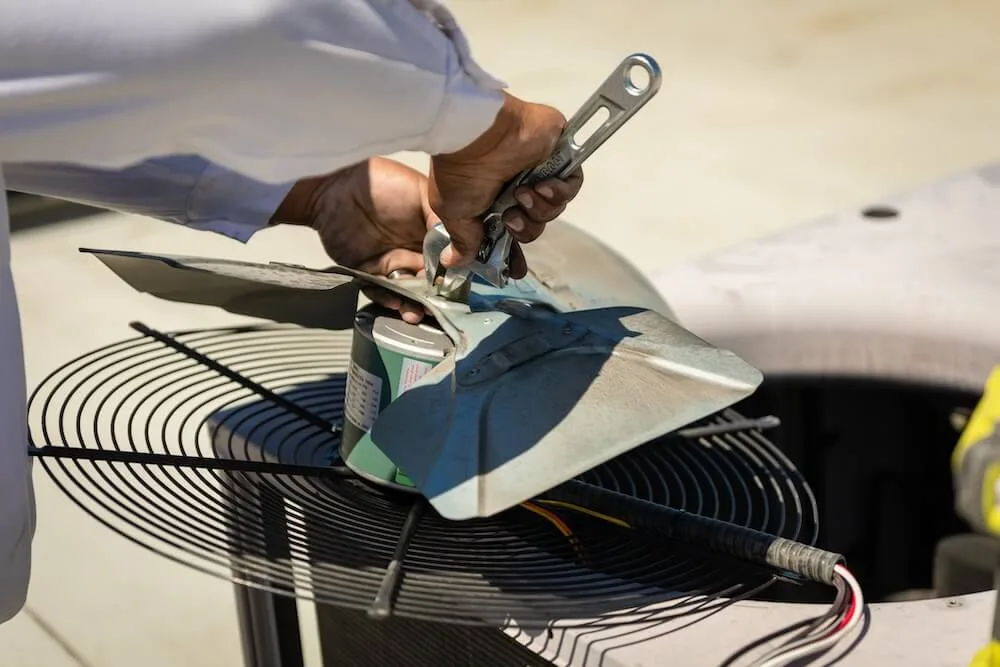
Cost expectations, financing, and payback
Cost varies by efficiency, model, and any required duct or gas work. Expect a mid-range straight swap in Boulder City to run about $3,500 to $6,000. For detailed pricing information, see our furnace replacement cost guide. Condensing models, vent reroutes, or duct repairs can add $200 to $3,000 or more depending on scope. Get three bids and check for local rebates that lower your net cost. Ask bidders to list optional items separately, like duct sealing, gas-line upsizing, and condensate traps. This lets you compare apples-to-apples. Also ask contractors to include current rebate and financing options in their quotes to show true net cost and payback.Financing and rebates to consider
Dealers often offer financing and low-interest loans for equipment purchases. Check NV Energy incentives and federal tax credits for qualifying heat pumps and energy upgrades. Rebates change frequently, so ask contractors to include up-to-date incentive info in the quote. When evaluating efficiency choices, run a simple payback calculation based on local gas prices, estimated annual run hours, and available rebates. This helps you decide whether a higher-AFUE model makes financial sense for your Boulder City home.Typical extra costs to plan for
Extra costs may include duct sealing, gas-line upsizing, vent rerouting, condensate drains, electrical upgrades, and permit fees. Some homes need a chimney liner or PVC venting for condensing furnaces. Expect these to be optional line items and ask for firm prices in writing. Request a full line-item estimate so you can compare total installed costs across bids. A clear quote prevents surprises during or after the job.Las Vegas Local Context: Boulder City Furnace Installation
Boulder City's location in the Las Vegas valley means homeowners benefit from Clark County's building codes and permit processes. The area's mild winters (average lows in the 30s-40s) mean heating loads are typically lower than in colder regions, making proper sizing critical to avoid oversizing. Local contractors familiar with Boulder City's older homes and newer developments can address common issues like:
- Attic installations: Many Boulder City homes have furnaces in attics, requiring careful access planning
- Dust and filtration: Desert conditions mean higher dust loads, making quality filters and regular maintenance essential
- Permit timelines: Clark County permits typically process in 1-3 days, but winter rush periods may extend timelines
- Gas availability: Most Boulder City homes have natural gas, but some newer areas may require propane or heat pump options
Decision Checklist: When to Replace Your Furnace
Use this checklist to determine if replacement is the right choice:
- ☐ Furnace is 15+ years old
- ☐ Annual repair costs exceed 50% of replacement cost
- ☐ System can't maintain comfortable temperatures
- ☐ Energy bills are rising despite steady usage
- ☐ Visible rust, soot, or unusual noises
- ☐ Carbon monoxide detector has triggered
- ☐ Planning to stay in home 5+ years (justifies efficiency investment)
Cost Drivers for Boulder City Installations
Understanding what affects pricing helps you compare bids fairly:
- Furnace efficiency (AFUE): 80% AFUE ($3,500-5,000) vs 95% AFUE ($4,500-7,000)
- Ductwork condition: Sealing/repairs add $500-2,500; full replacement adds $3,000-8,000
- Venting changes: Converting to condensing venting adds $500-1,500
- Gas line upgrades: Upsizing for higher BTU units adds $300-800
- Access difficulty: Attic/crawlspace work adds $200-500
- Permit fees: Clark County mechanical permits typically $100-300
Prevention & Maintenance Tips
Protect your new furnace investment with these Las Vegas-specific maintenance practices:
- Filter changes: Replace every 1-2 months due to desert dust (more frequent than other climates)
- Annual tune-ups: Schedule in fall before heating season; includes combustion testing, airflow checks
- Duct cleaning: Every 3-5 years to remove accumulated dust and debris
- CO detector: Test monthly, replace every 5-7 years; place near sleeping areas
- Vent inspection: Check exterior vent terminations quarterly for blockages or damage
- Thermostat maintenance: Clean contacts, check calibration annually; consider smart thermostat for better efficiency
Ready to hire a qualified installer
Las Vegas area homeowners can call The Cooling Company at (702) 567-0707 for fast, licensed furnace installation. The Cooling Company serves Las Vegas, Henderson, and North Las Vegas with Nevada-licensed techs, NATE-certified staff, and written startup reports. Expect permit pulls, combustion testing, and clear warranties. If you live outside our service area, ask for NATE-certified technicians and written Manual J/S reports when you hire locally. Contractors who refuse to show calculations or who skip permits are risky. For Boulder City callers near Las Vegas, The Cooling Company will provide on-site quotes and handle permits.What to include on your hire checklist
Your hire checklist should include Manual J and Manual S reports, the model number and AFUE, duct and vent work listed separately, permit responsibility, and warranty terms. Verify the technician’s training, ask for recent references, and request a clear install timeline before signing. Confirm whether the contractor includes the startup combustion report and a signed copy of all final readings. These documents are part of the quality assurance and should be in your possession at job completion.How to schedule quotes and inspections
Request in-home visits so bidders can run a Manual J load and inspect ducts and vents. Ask each contractor to list permit pulls, inspection schedules, and a start-up test report. Compare quotes side-by-side and choose the one with the best documentation and references. Book early to secure preferred timelines, especially before the heating season. Contractors often get busier as outside temperatures drop, so early planning reduces delays and gives more time to compare options.Related Resources
- Rheem Service Professionals in Las Vegas
- How to Choose a Furnace Installation Contractor
- Furnace Repair in Las Vegas
- Furnace Repair in Henderson
Need furnace installation boulder city help in Las Vegas?
If you're facing an HVAC emergency in Las Vegas, Henderson, or North Las Vegas, The Cooling Company offers fast, reliable service from licensed technicians. We understand that heating and cooling emergencies don't wait for business hours. Call us now at (702) 567-0707 for emergency service. Our team is ready to help restore your comfort quickly and safely.Share This Page
About The Cooling Company
The Cooling Company has been serving the Las Vegas valley with professional HVAC services for over a decade. Our team of licensed, NATE-certified technicians specializes in air conditioning repair, heating system maintenance, and complete HVAC installations. We're committed to providing honest, reliable service with upfront pricing and a 100% satisfaction guarantee on all work performed.- Phone: (702) 567-0707
- Reviews: 4.8/5 stars (780+ reviews) - See reviews
Service Areas
We proudly serve homeowners and businesses throughout the Las Vegas metropolitan area, including Las Vegas, Henderson, and North Las Vegas. Our service technicians are available for same-day appointments in most areas, with emergency service available 24/7 for urgent HVAC issues.Sources and further reading?
- Energy.gov – HVAC Efficiency Basics
- EPA Indoor Air Quality (IAQ)
- ASHRAE Technical Resources
- DOE Better Buildings – HVAC
- U.S. Department of Energy (Energy.gov) (accessed 2026-01-02)
- U.S. Environmental Protection Agency (EPA) (accessed 2026-01-02)
- ASHRAE (Standards and guidance) (accessed 2026-01-02)
- ENERGY STAR (Heating & cooling) (accessed 2026-01-02)
Need Heating Service in Las Vegas?
The Cooling Company provides expert heating service throughout Las Vegas, Henderson, and North Las Vegas. Our licensed technicians deliver honest assessments, upfront pricing, and reliable results.
Call (702) 567-0707 or visit heating, furnace repair, heat pump installation, or heating maintenance for details.