


Choosing a correctly sized, code-compliant furnace for North Las Vegas helps avoid short cycling, high bills, and safety risks. Compare bids that include a Manual J load calculation, permits, combustion testing, and a written warranty. Refer to the ASHRAE guidance for industry standards: ASHRAE Technical Resources. Ask for clear, itemized pricing before you sign any contract.
Quick answer: Furnace installation in North Las Vegas typically costs $3,000-$6,000 for standard replacements, requires Clark County permits, and should include Manual J sizing, combustion testing, and proper venting. Las Vegas area homeowners should compare 3+ itemized bids with written load calculations and warranty terms before choosing a contractor.
Key Takeaways
- Use a room-by-room Manual J load calculation (not a square-foot rule).
- Select equipment with Manual S and verify ducts with Manual D for comfort and efficiency.
- Avoid oversizing: short-cycling wastes fuel and can create uneven temperatures.
What should homeowners expect during installation?
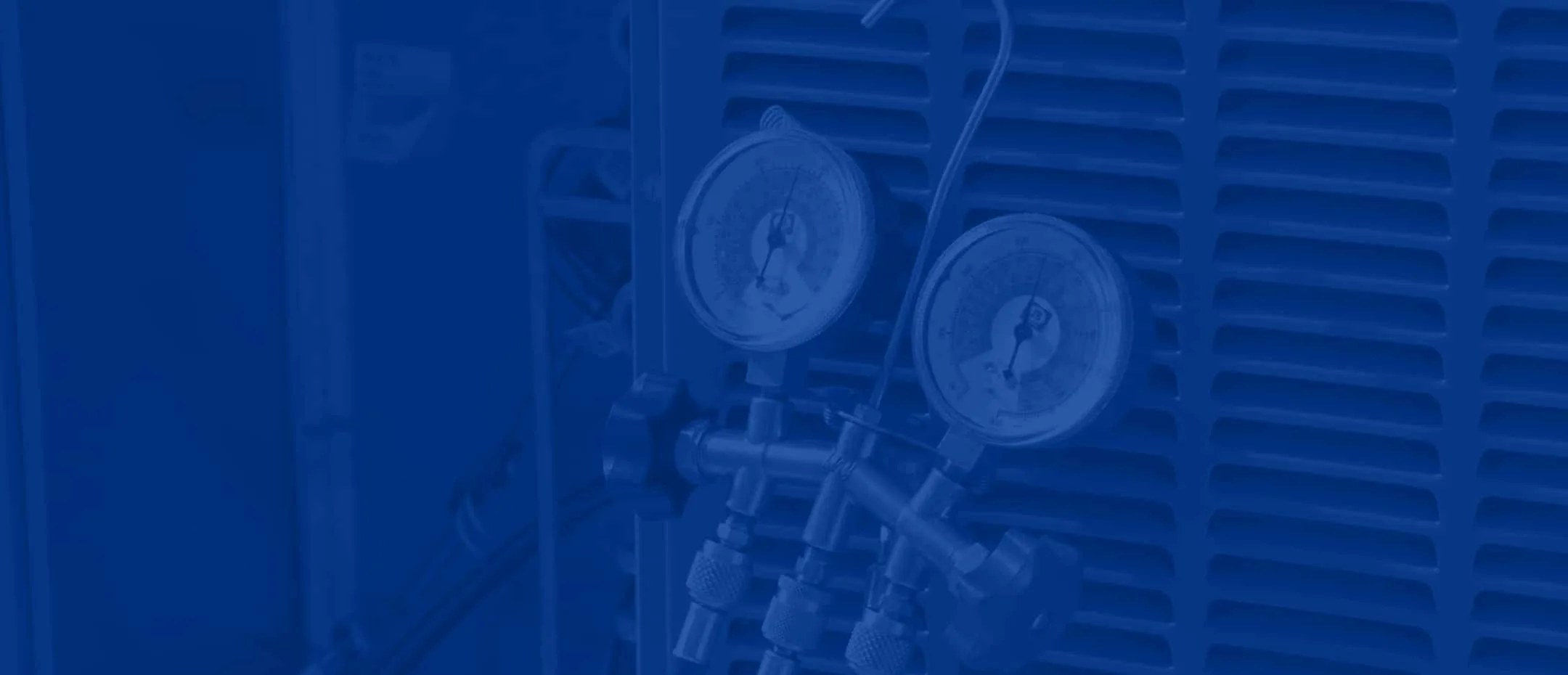
Knowing what will happen on site reduces stress and helps you prepare. A typical installation begins with an on-site assessment to confirm the load calculation, check existing ducts and venting, and locate gas and electrical access. The installer will review the written scope, confirm the equipment model numbers, and explain the schedule. Expect a pre-job walk-through and an agreed start time.
On the day of work, crews remove the old unit, inspect ducts and plenum connections, and make any required modifications to vents, gas piping, or the condensate drain. The technicians then set the new furnace, connect gas and electrical, and verify vent routing. After startup, they perform combustion testing and a safe-operation checklist. The crew should clean the work area, take away debris, and provide you with test results and paperwork.
Installers should also describe how they handle permits and inspections. Reputable contractors submit permit applications and schedule the required inspections with the city or county. Permit inspection typically occurs after rough work and again after final commissioning. Keep lines of communication open and ask for a point of contact for questions during the job.
How long does a typical furnace installation take?
Most like-for-like furnace replacements take one full day when the new unit fits the existing hookups and vents. Technicians remove the old unit, set the new unit, hook up gas and electrical, and run startup and tests. If ducts, venting, or gas lines require modification, expect a two-day job or longer. Complex swaps that include new flues, major ductwork, or structural changes extend the schedule.
Plan extra time for permit processing and inspections, which can add days between start and final sign-off depending on local inspection schedules. Ask your contractor for a realistic timeline and for contingencies they have planned for delays.
What prep do I need before installers arrive?
Clear access to the utility closet or furnace room and provide a path from the driveway to the work area. Remove fragile items and cover nearby furniture or finishes if the work area is adjacent to living spaces. Report any pets or special site conditions ahead of time so crews can plan for safety.
Also have recent utility bills available, and provide any existing documentation such as previous Manual J reports or HVAC paperwork. If you know of drafty rooms or duct issues, mention them during the pre-job review so the crew can check those items during the install.
What safety checks will the technician perform?
Technicians should perform combustion safety tests including flue draft measurement, spillage checks at start-up, and CO readings in the vent and occupied spaces. They verify gas pressure, test for leaks, and confirm proper combustion air. Proper venting and flue integrity are inspected and documented.
Expect the technician to record results and leave a copy with you. If any readings are outside safe limits, the tech must correct the issue before final commissioning. Documentation should include the combustion analyzer printout or written results for warranty and inspection purposes.
How much does furnace installation cost in North Las Vegas?
Understanding cost components helps you compare bids and avoid surprises. See our furnace cost guide for Las Vegas for detailed pricing data. Installed price depends on equipment efficiency, unit capacity, brand, labor rates, and any site-specific work such as duct repairs or new venting. Local permit and inspection fees also add to the final invoice. Get at least three sealed bids that list identical scopes and model numbers to make fair comparisons.
Many homeowners find that investing in a better installation and proper sizing reduces long-term operating costs. Poor installation or undersized ducts can negate the benefits of an efficient furnace. Financing options may be available to help spread the cost. Ask contractors about manufacturer rebates, local utility incentives, and any trade-in credits for old equipment.
Use our energy savings calculator to estimate your potential savings.
What is the typical price range for a gas furnace?
Budget roughly $3,000 to $4,500 for a basic 80% AFUE gas furnace installed in a straightforward replacement scenario. Higher-efficiency condensing furnaces (90%–98% AFUE) commonly run $4,000 to $7,500 installed depending on model and job complexity. The variance reflects equipment cost and the time required to adapt vents or gas piping.
Check our HVAC pricing guide for current cost estimates.
If you need new ducts, gas-line relocation, or structural access through walls or floors, expect higher costs. Always ask for itemized pricing that separates equipment, labor, permits, and any optional upgrades.
Which factors most influence the final price?
Major price drivers include the furnace AFUE rating, required venting changes (such as adding a condensing vent), duct repair or sealing, and any gas-line work. Site access affects labor hours; tight closets, attic installs, or rooftop placements increase labor costs. Warranty length and brand reputation can also affect equipment price.
Some contractors offer maintenance plans or post-install commissioning that add to initial cost but may protect long-term performance. Compare warranty coverage and what the contractor delivers as part of the installed price, such as filter racks, thermostat upgrades, or extended labor guarantees.
Are rebates or incentives available?
Rebates can come from NV Energy, federal programs, or manufacturer promotions. Electrification incentives typically favor heat pump installations more than gas furnaces. For high-efficiency systems or heat-pump conversions, incentives may significantly reduce net cost.
You may qualify for federal tax credits that reduce your upfront cost.
Ask contractors to identify available rebates and to assist with paperwork when possible. Verify incentive eligibility before you sign, since some programs require pre-approval or specific contractor certifications.
How do I choose the right furnace size?
Choosing the correct furnace size prevents poor comfort and wasted energy. Sizing should be based on a heat-load calculation, not on rules of thumb such as one BTU per square foot. A proper calculation accounts for insulation, windows, orientation, infiltration, and occupancy. Require a written Manual J report with every quote to protect performance and warranties.
Oversized equipment short cycles and causes undue wear. Undersized equipment runs continuously and may fail to meet comfort needs. Work with contractors who provide the Manual J inputs and show how they selected the unit. Keep the load report with your installation files for future reference.
What is a Manual J load calculation?
Manual J is the industry standard for residential heat-load calculations. It computes heat loss by room or zone using detailed home data such as insulation levels, window types, wall areas, orientation, and expected occupancy. The result specifies the required input BTU and guides equipment selection.
Avoid contractors who size by square footage alone. Ask for the actual Manual J report tied to the job address and the contractor’s calculations so you have a record of how the unit was chosen.
Why does oversizing cause short cycling?
When a furnace is too large for a home, it heats the space quickly and cycles off before completing a full run. Our guide on furnace short cycling in Las Vegas explains the causes and fixes in detail. Short cycles increase wear on the blower motor, ignition components, and controls. They also reduce dehumidification and can create uneven temperatures between rooms.
Frequent on-off cycles reduce equipment efficiency and can raise operating costs. Proper sizing and, when appropriate, variable-speed blowers or modulating gas valves help maintain longer, efficient cycles.
What AFUE rating should I choose?
In North Las Vegas, where winters are relatively mild, mid-efficiency furnaces (about 80%–95% AFUE) may deliver a practical balance of upfront cost and fuel savings. Very high AFUE condensing furnaces save more gas but cost more initially. Calculate expected yearly fuel savings versus added cost to determine payback.
Consider your long-term plans: if you plan to electrify later, a standard-efficiency furnace now and a future heat pump conversion might be a better financial path. Discuss life-cycle costs with contractors rather than only sticker price.
Where can I find qualified local installers?
Hiring licensed, experienced contractors protects safety and warranty. Look for companies that post their Manual J reports, show permit handling as part of the scope, and provide combustion test results. Local references and reviews are useful, but documentation and licenses are essential.
Get multiple bids and require the same scope and equipment model numbers in each bid. Ask contractors for NATE certification or similar credentials for their technicians, and prefer firms that offer written guarantees on both parts and labor. Check for local presence and ongoing support after installation.
How do I verify licenses and insurance?
Ask the contractor for a license number and insurance certificates before any work begins. Verify contractor licensing with Clark County or the City of North Las Vegas. Confirm that insurance includes general liability and workers' compensation to protect you from liability.
Do not allow work to start without seeing current documents. A reputable contractor will provide this information promptly and explain permit responsibilities and inspection steps.
What questions should I ask during vetting?
Ask for three recent local references and specific examples of similar jobs. Request the exact model numbers and their AFUE ratings. Confirm whether the bid includes Manual J, permit fees, and combustion testing, and ask who will pull permits and schedule inspections.
Also ask about the start date, estimated duration, cleanup procedures, disposal of the old unit, and any warranty or maintenance agreements. A clear, written scope reduces disputes after work finishes.
How to get multiple sealed bids?
Request three sealed bids with identical scopes to ensure fair comparisons. Specify Manual J, written permit handling, equipment model numbers, and a start-to-finish price. Ask bidders to list labor, parts, taxes, and permit fees separately so you can compare line items.
Sealed or time-limited bids prevent late changes to scope. When bids arrive, compare warranty terms and the same exclusions so you do not assume equal coverage across all offers.
Which installation steps affect safety most?
Safe gas-furnace work depends on correct venting, secure gas connections, proper combustion air, and verified combustion performance. Errors in venting or combustion air can lead to backdrafting and carbon monoxide exposure. Good installers perform documented combustion testing and ensure permit inspection sign-off before leaving the job.
Keep copies of combustion test results and inspection approvals. These documents protect you and support warranty claims. If a contractor does not perform or document safety testing, get another bid; it is not a place to cut corners.
How is combustion safety tested?
Technicians use draft gauges and combustion analyzers to measure flue draft, spillage, and CO levels. They record flue temperatures, CO in the vent, and CO in the living space as part of the final report. Safe limits are compared to manufacturer and code thresholds.
If readings exceed acceptable levels, the tech must troubleshoot venting, adjust combustion, or correct installation issues before final sign-off. The results should be provided to you in writing.
How does furnace installation north las vegas manage CO risk?
Installers correct venting paths, secure flue connections, and verify combustion air to reduce CO risk. They should recommend and leave functioning CO alarms near sleeping areas, and advise you on locations and battery-check procedures. After gas-appliance work, retesting and visible documentation are standard practice.
For added safety, ask the installer to show you the combustion test printout and explain any corrective steps taken. Keep this paperwork for future reference and for the home inspection file.
Las Vegas Local Context: North Las Vegas Furnace Installation
North Las Vegas is one of the fastest-growing cities in Nevada, featuring a mix of established neighborhoods and newer developments. Local considerations include:
- Building codes: North Las Vegas follows Clark County building codes; permits required for all furnace replacements
- Climate factors: Mild winters mean lower heating loads; proper sizing critical to avoid oversizing
- Diverse housing: Mix of older homes (may need ductwork updates) and newer construction (better insulation)
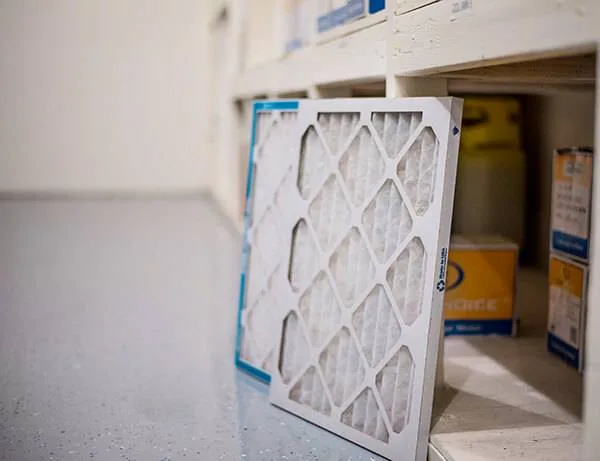
- Desert conditions: High dust loads require quality filtration; consider MERV 11-13 filters
- Gas availability: Natural gas widely available; heat pumps also popular for efficiency
Decision Checklist: North Las Vegas Furnace Installation
Use this checklist to ensure quality installation:
- ☐ Get Manual J load calculation (not square-foot rules)
- ☐ Compare 3+ itemized bids with same scope
- ☐ Verify contractor includes permit handling
- ☐ Require combustion testing and CO readings
- ☐ Assess ductwork condition before finalizing equipment
- ☐ Check for NV Energy rebates and federal incentives
- ☐ Verify contractor licensing and insurance
- ☐ Request written warranty terms for parts and labor
Cost Drivers for North Las Vegas Installations
What affects your installation cost:
- Equipment efficiency: 80% AFUE ($3,000-5,000) vs 95% AFUE ($4,500-7,000)
- Blower type: Standard PSC vs ECM motor (adds $500-1,200 but saves electricity)
- Staging: Single-stage vs two-stage vs modulating (adds $400-1,800)
- Ductwork: Sealing ($500-1,500) vs repairs ($1,500-3,000) vs replacement ($3,000-8,000)
- Venting changes: Converting to condensing venting adds $600-1,500
- Gas line work: Upsizing adds $300-800
- Permits: Clark County mechanical permits typically $100-300
Prevention & Maintenance Tips
Protect your North Las Vegas furnace investment:
- Monthly filter changes: Replace every 1-2 months; desert dust requires frequent changes
- Annual professional tune-up: Includes combustion analysis, airflow testing, safety checks
- Duct cleaning: Every 3-5 years to remove accumulated dust
- Vent inspection: Check exterior terminations quarterly for blockages
- CO detector maintenance: Test monthly, replace every 5-7 years; place near sleeping areas
- Thermostat optimization: Use programmable settings; consider smart thermostat upgrades
Call to action
We can help you get clear bids and fast, code-compliant installs. The Cooling Company serves Las Vegas, Henderson, and North Las Vegas. Call The Cooling Company at (702) 567-0707 to schedule a free on-site estimate and Manual J review. For readers outside our area, ask for NATE-certified technicians and proof of Manual J and combustion testing when you request bids.
Where to book furnace installation north las vegas services?
Call The Cooling Company at (702) 567-0707 to book service in Las Vegas, Henderson, or North Las Vegas. Our technicians provide Manual J sizing, permit management, combustion testing, and system commissioning to local code. We document results and provide the reports you need for warranty and resale.
What documents should I expect after installation?
Expect an itemized invoice showing labor, parts, permit fees, and any extras. You should also receive the Manual J report used for sizing, combustion test results, permit sign-off or final inspection receipt, and manufacturer registration documentation. Keep these documents for warranty validation and resale value.
If any document is missing at final payment, request it in writing and do not finalize payment until you have the promised paperwork. A reputable contractor will provide all documentation as part of the closeout.
How to get multiple sealed bids?
When soliciting bids, require a Manual J, model numbers, permit handling, and a start-to-finish price. Ask bidders to hold their price for a set period and to provide three business references. Compare not just price but scope, warranty, and included testing.
A well-documented bid reduces later disagreements. If a low bid omits Manual J or testing, it is not comparable to bids that include those items.
You Might Also Like
The following related posts provide more information on local HVAC services and costs. Review them for additional detail on specific brands and repair topics before you decide.
- "rheem service professionals vegas"
- "hvac installation cost las vegas"
- "furnace repair cost las vegas"
- "rheem furnace repair las vegas"
- "trane furnace repair henderson"
Need Heating Service in Las Vegas?
The Cooling Company provides expert heating service throughout Las Vegas, Henderson, and North Las Vegas. Our licensed technicians deliver honest assessments, upfront pricing, and reliable results.
Call (702) 567-0707 or visit heating, furnace repair, heat pump installation, or heating maintenance for details.
Share This Page
About The Cooling Company
The Cooling Company has been serving the Las Vegas valley with professional HVAC services for over a decade. Our team of licensed, NATE-certified technicians specializes in air conditioning repair, heating system maintenance, and complete HVAC installations. We're committed to providing honest, reliable service with upfront pricing and a 100% satisfaction guarantee on all work performed.
- Phone: (702) 567-0707
- Reviews: 4.8/5 stars (780+ reviews) - See reviews
Service Areas
We proudly serve homeowners and businesses throughout the Las Vegas metropolitan area, including Las Vegas, Henderson, and North Las Vegas. Our service technicians are available for same-day appointments in most areas, with emergency service available 24/7 for urgent HVAC issues.
Sources
Understanding sources is essential for homeowners looking to make informed decisions about their HVAC systems. This section covers the key factors you need to consider and provides practical guidance based on industry best practices.
- U.S. Department of Energy (Energy.gov) (accessed 2026-01-02)
- U.S. Environmental Protection Agency (EPA) (accessed 2026-01-02)
- ASHRAE (Standards and guidance) (accessed 2026-01-02)
- ENERGY STAR (Heating & cooling) (accessed 2026-01-02)
When evaluating sources, several important considerations come into play. Professional HVAC technicians recommend assessing your specific situation, including the age of your current system, your home's size and layout, and your local climate conditions. These factors all influence the best approach for your particular needs.