

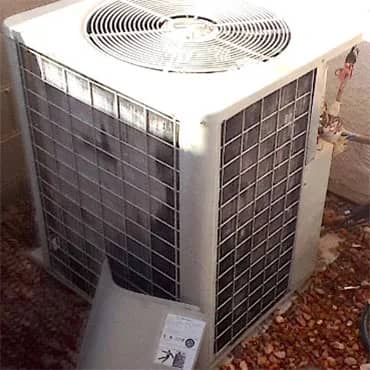
Short answer: Maintaining a furnace is crucial for ensuring a warm, safe, and energy-efficient home during the colder months. Whether you’re a seasoned DIY enthusiast or prefer to leave technical tasks to the professionals, having a clear furnace maintenance checklist is essential. Regular upkeep not only extends the life of your heating system but also helps avoid costly repairs and unexpected breakdowns.
Why a Furnace Maintenance Checklist Matters
A furnace maintenance checklist serves as a roadmap to keep your heating system operating efficiently and safely. Without regular attention, furnaces can develop issues that lead to higher energy bills, poor indoor air quality, and even safety hazards like carbon monoxide leaks. Studies show that up to 85% of HVAC repairs stem from a lack of maintenance, emphasizing the importance of routine care. Furthermore, the National Association of Home Builders found that regular maintenance can extend the life of an HVAC system by up to 50%, making it a smart investment for homeowners. With an ongoing shortage of HVAC technicians—currently estimated at 110,000 professionals nationwide—handling simple maintenance tasks yourself can save time and money while reducing the strain on the industry. However, knowing when to call in a pro is equally important to avoid costly mistakes. In addition to the financial benefits, regular furnace maintenance can significantly improve your home’s comfort level. A well-maintained furnace distributes heat more evenly throughout your living spaces, preventing cold spots and ensuring that every room reaches a comfortable temperature. This not only enhances your overall living experience but also contributes to a healthier indoor environment by reducing the likelihood of drafts and humidity issues. Moreover, a comprehensive maintenance checklist often includes tasks that can enhance your furnace's energy efficiency. For instance, checking and replacing air filters regularly can lead to improved airflow and reduced strain on the system, which in turn lowers energy consumption. Additionally, cleaning the blower and inspecting ductwork for leaks can further optimize performance, ensuring that your home remains warm without unnecessary energy expenditure. By investing a little time in these routine checks, you can enjoy a cozy home while also being environmentally conscious.
DIY Furnace Maintenance Tasks Homeowners Can Do
Many furnace maintenance tasks are straightforward and safe for homeowners to perform. These simple steps help keep your system clean and efficient, reducing the risk of breakdowns and improving indoor comfort.Change or clean furnace filters
One of the easiest and most impactful maintenance tasks is regularly changing or cleaning your furnace filters. Dirty filters restrict airflow, forcing your furnace to work harder and consume more energy. Depending on your filter type and home environment, filters should be checked monthly and replaced or cleaned every 1 to 3 months. Keeping filters clean not only improves heating efficiency but also enhances indoor air quality by trapping dust, allergens, and other particles. This is particularly important for households with pets or members who suffer from allergies, as a clean filter can significantly reduce the presence of irritants in the air. Additionally, some filters are designed to last longer and can be washed and reused, making them a cost-effective choice for many homeowners. For a step-by-step walkthrough, see our Furnace Filter Replacement Guide.Check thermostat settings
Ensuring your thermostat is set correctly can improve both comfort and energy savings. Check that the thermostat is programmed for your schedule, adjusting temperatures when you’re away or asleep. If you have an older manual thermostat, consider upgrading to a programmable or smart model for better control. Also, verify that the thermostat is functioning properly and located away from heat sources or drafts that could cause inaccurate readings. A well-placed thermostat can make a significant difference in how evenly your home is heated. For example, placing it in a central location can help ensure that the temperature readings are representative of the entire house rather than just one room. Additionally, some smart thermostats offer features like learning your habits and optimizing heating schedules, which can lead to even greater energy savings over time.Clear vents and registers
Blocked or closed vents and registers can disrupt airflow and reduce heating efficiency. Regularly inspect these areas to ensure they are free of furniture, rugs, or dust buildup. Cleaning vents with a vacuum or damp cloth helps maintain proper air circulation throughout your home. Keeping vents clear also prevents uneven heating and reduces strain on your furnace system. Furthermore, consider checking the exterior exhaust vents for any obstructions, such as leaves or snow, especially during seasonal changes. Properly functioning exhaust vents are crucial for safe operation, as they help expel harmful gases outside. Regular maintenance of these areas not only enhances the efficiency of your heating system but also contributes to the overall safety and comfort of your living space.Professional Furnace Maintenance Checklist
While DIY tasks are important, professional furnace maintenance is essential for thorough inspections and servicing that homeowners cannot safely perform. Hiring a qualified technician ensures your system operates safely and efficiently, potentially saving you money in the long run. Regular maintenance can also extend the lifespan of your furnace, allowing you to maximize your investment and avoid the hassle of premature replacements. By prioritizing professional care, you not only enhance comfort in your home but also contribute to a more sustainable environment by ensuring your heating system operates at peak efficiency.Safety inspections and system tests
Professional technicians conduct comprehensive safety inspections to detect issues like gas leaks, carbon monoxide presence, and proper venting. These checks are critical for preventing dangerous situations and ensuring your furnace complies with safety standards. In addition to identifying immediate hazards, these inspections often include checking the integrity of the heat exchanger, which is crucial for preventing harmful gases from entering your living space. Technicians may also assess the condition of the flue and chimney systems, ensuring that exhaust gases are vented safely outside. Technicians also perform system tests to evaluate the furnace’s performance, including heat output, airflow, and ignition processes. These tests help identify hidden problems before they escalate. For instance, a technician might measure the temperature difference between the intake and output air to determine if the furnace is operating efficiently. By catching issues early, homeowners can avoid costly emergency repairs and ensure consistent heating throughout their home.Cleaning internal components
Over time, dust and debris accumulate inside your furnace, affecting burners, heat exchangers, and blower motors. Professionals use specialized tools to clean these components thoroughly, improving efficiency and reducing wear. This cleaning process often involves disassembling parts of the furnace to reach areas that are typically inaccessible, ensuring a deep clean that homeowners might overlook. A clean furnace not only operates more efficiently but also contributes to better indoor air quality, as it reduces the circulation of dust and allergens in your home.Homeowners can also follow our Furnace Cleaning Tips to keep their systems dust-free between professional visits.
Regular cleaning can prevent costly repairs, as a dirty furnace often leads to overheating and premature component failure. Furthermore, maintaining clean internal components can also enhance the overall safety of your heating system, as buildup can create fire hazards or lead to malfunctioning parts that could compromise your home’s safety.Checking electrical connections
Loose or corroded electrical connections can cause furnace malfunctions or even pose fire hazards. A professional will inspect wiring, controls, and circuit boards to ensure everything is secure and functioning correctly. This thorough examination includes checking for signs of wear or damage, such as frayed wires or burnt connections, which can indicate deeper issues within the system. By addressing these concerns promptly, technicians help ensure that your furnace operates smoothly and reliably, especially during peak heating seasons. This step is vital for maintaining reliable furnace operation and avoiding unexpected breakdowns during cold weather. Additionally, a well-maintained electrical system can enhance energy efficiency, as proper connections allow for optimal power delivery to the furnace. This not only helps in reducing energy bills but also minimizes the environmental impact of your heating system. According to HVAC industry experts, regular professional maintenance is essential for the safe and efficient operation of home heating systems, highlighting the importance of these detailed inspections. Investing in professional furnace maintenance is a proactive approach that pays dividends in comfort, safety, and efficiency throughout the heating season.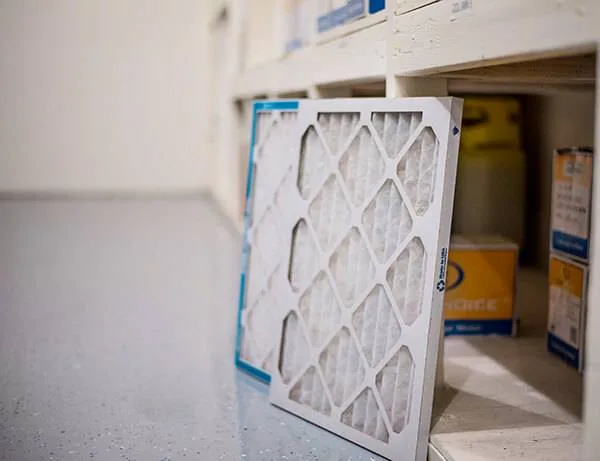
Preventative Furnace Maintenance Tips for Every Season
Furnace care isn’t just a winter task. Proper maintenance throughout the year helps prepare your system for seasonal changes and extends its lifespan. In the fall, schedule a professional inspection to ensure your furnace is ready for heavy use. During winter, keep filters clean and monitor for unusual noises or smells. Spring and summer are ideal times to clean vents, check thermostat batteries, and inspect ductwork for leaks. Regular upkeep reduces the likelihood of emergency repairs. With average HVAC repair costs around $351—and sometimes much higher depending on the problem—preventative maintenance is a cost-effective strategy. Moreover, with the HVAC industry experiencing a shortage of technicians, proactive maintenance can help avoid lengthy wait times for service during peak seasons, as noted by Workyard. In addition to these seasonal tasks, homeowners should also consider investing in a programmable thermostat. This device not only enhances comfort by allowing for customized heating schedules but can also lead to significant energy savings. By adjusting the temperature when you’re away or asleep, you can reduce your energy consumption and lower your utility bills. Furthermore, many modern thermostats come equipped with smart technology that can learn your habits and optimize heating patterns accordingly. Another often-overlooked aspect of furnace maintenance is ensuring that the area around your furnace is clean and unobstructed. Dust, debris, and even furniture can restrict airflow and reduce the efficiency of your system. Regularly clearing this space not only promotes better airflow but also minimizes the risk of fire hazards. It’s a simple yet effective way to ensure your furnace operates safely and efficiently throughout the year.DIY vs Professional: What’s Worth Paying For?
Deciding which furnace tasks to tackle yourself and which to outsource depends on your comfort level, knowledge, and the complexity of the job. DIY tasks like changing filters, adjusting thermostats, and clearing vents are low-risk and save money. These simple actions can prevent up to 85% of HVAC repairs, according to industry research. However, professional services such as safety inspections, deep cleaning, and electrical checks require specialized training and equipment. Attempting these without expertise can lead to damage or safety hazards. For example, furnace inspections typically cost around $100, a reasonable investment for peace of mind and system longevity. If you are weighing the pros and cons of doing maintenance yourself, our DIY vs. professional heating maintenance comparison can help you decide. In the long run, paying for annual professional maintenance can save money by preventing expensive repairs and extending your furnace’s life by up to 50%, as highlighted by the National Association of Home Builders.Book Your Annual Furnace Service in Las Vegas
Homeowners in Las Vegas should prioritize scheduling annual furnace service before the colder months arrive. The desert climate can cause unique challenges, such as dusty conditions that clog filters and vents faster than in other regions. Booking a professional inspection early ensures your furnace runs efficiently and safely throughout winter. With an average repair cost of $351 and potential repair bills reaching over $1,500, regular maintenance is a smart financial decision. Local HVAC professionals understand the specific needs of Las Vegas homes and can tailor maintenance plans accordingly. Don't wait for your furnace to break down -- Schedule Now to enjoy a warm, worry-free winter. If you want to understand what a typical tune-up costs, check our furnace tune-up cost guide.Ensure Your Furnace is in Top Condition with The Cooling Company
Don't let furnace issues leave you in the cold this winter. Trust The Cooling Company to provide exceptional HVAC services tailored to the unique demands of Las Vegas homes. Our certified technicians are ready to perform comprehensive maintenance that aligns with the checklist you've just read, ensuring your heating system operates at peak efficiency. Schedule Now today and experience the peace of mind that comes with a well-maintained furnace.Share This Page
Need Heating Service in Las Vegas?
The Cooling Company provides expert heating service throughout Las Vegas, Henderson, and North Las Vegas. Our licensed technicians deliver honest assessments, upfront pricing, and reliable results.
Call (702) 567-0707 or visit heating, furnace repair, heat pump installation, or heating maintenance for details.