

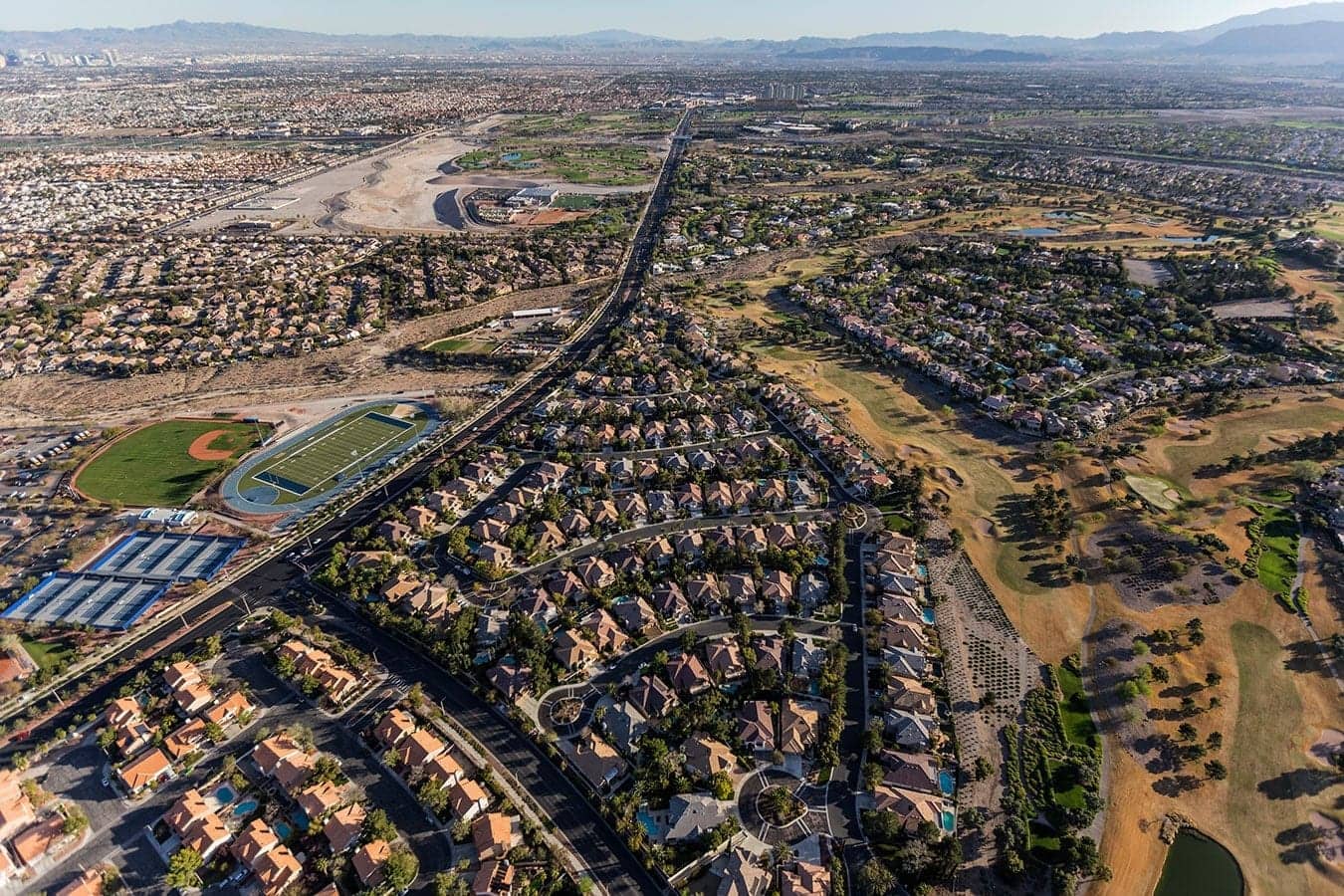
Short answer: In Las Vegas, most installed furnace prices land between $2,500 and $7,500, with high-efficiency or full-duct retrofits reaching $10,000+. Final cost depends on sizing, efficiency, venting, duct condition, permits, and local labor rates.
A properly sized furnace keeps your home comfortable and efficient: it runs long enough to heat evenly without wasting fuel. Oversized units short-cycle and can feel noisy and uneven; undersized units struggle on cold days. The right approach is a room-by-room Manual J load calculation, then equipment selection with Manual S.
Local essentials and challenges for Las Vegas furnace pricing
- Mild winters: Lower heating hours can change the payback on high AFUE upgrades.
- Attic ductwork: Many homes need duct sealing or insulation to match new airflow.
- Permitting rules: Clark County permits and inspections add cost but protect safety.
- Desert dust: Filters and blowers load faster, making airflow upgrades more valuable.

Cost drivers that move Las Vegas furnace prices
- Manual J sizing and equipment capacity (BTU)
- AFUE level, staged or modulating burners, and ECM blowers
- Venting or condensate changes for 90%+ AFUE units
- Duct repairs, sealing, or return air additions
- Gas line upsizing or electrical corrections
- Permit fees and inspection requirements
Key Takeaways
- Get three written, itemized bids that include model numbers, AFUE, Manual J sizing, venting and condensate work, permit fees, and warranty terms.
- Typical installed ranges: simple swap in the $2,000–$4,000 range; high-efficiency condensing systems in the $4,000–$7,500 range; premium modulating systems $6,500–$10,000 or more. Full duct and gas upgrades can push costs beyond $10,000.
- Use a simple payback method: incremental cost ÷ annual fuel savings. In many climates, moving from 80% to 95% AFUE can take 8–20 years to pay back.
Furnace Prices: Total Cost to Buy and Install
A new residential furnace is a sizable purchase. In most homes, installed prices fall in the $2,500 to $7,500 range. Premium models, full retrofits, or units with very high AFUE and advanced controls can push the total beyond $10,000. The exact price depends on efficiency (AFUE), heating capacity, venting needs, ductwork, whether gas or electrical upgrades are required, local labor rates, and permit costs.
Furnace prices: the true cost to buy and install (guide)
A new residential furnace typically costs between $2,500 and $7,500 installed for most homes. Full Retrofits or premium models can exceed $10,000. Final price depends on efficiency (AFUE), capacity, venting, ductwork, gas or electrical changes, local labor, and permit costs. (Source: ASHRAE Technical Resources)
What does a furnace replacement cost?
Installed furnace costs include equipment, labor, materials, disposal, permits, and any related repairs. Across the U.S., most straightforward replacements land between $2,500 and $7,500. A like-for-like swap on well‑maintained ducts tends to be on the lower end. Condensing units, modulating controls, PVC venting, gas-line upgrades, or major duct repairs push costs higher.
Typical installed price examples
Simple like-for-like swap (mid-efficiency gas, same capacity, good ducts): $2,200–$3,200. Mid/high-efficiency condensing replacement (may require PVC venting): $4,000–$7,500. Premium modulating furnace with variable-speed blower: $6,500–$10,000+. Full retrofit (new ducts, new venting, gas-line upsizing, zoning): $8,000–$15,000+.
These ranges are nationwide ballparks. Local labor rates, supply‑chain pricing, and permit costs can shift numbers by thousands in either direction.
What is included in the total price?
A full installed price usually breaks down into clear parts:
Equipment cost (manufacturer, model, AFUE). Labor for removal and installation (crew hours × hourly rate). Materials: venting (metal or PVC), flue adapters, condensate drain and trap, thermostat wiring, filters, transition ducts, sealants. Gas-line work or electrical upgrades if required. Ductwork repairs, sealing, or additions if quoted. Permits, inspection fees, and disposal of the old unit. Warranty registration or optional extended warranty costs.
Ask contractors to list each item on the estimate. It makes bids easier to compare.
Which furnace types cost more?
From least to most expensive (in general):
Electric furnaces and baseboard (low equipment cost; operating cost varies with electricity price). Standard non‑condensing gas furnaces (about 80% AFUE). High‑efficiency condensing gas furnaces (92–98% AFUE). Two‑stage or modulating condensing furnaces with variable‑speed blowers (premium price).
Costs rise with higher AFUE, staged or modulating control, and better blower motors (ECMs). Expect an equipment premium of roughly $1,000–$3,500 when moving from basic 80% units to 95%+ condensing models, depending on capacity and brand.
How does AFUE affect purchase price?
AFUE measures how much fuel becomes usable heat. Higher AFUE saves fuel but usually costs more upfront. It may also require different venting or condensate management.
- 80% AFUE: lowest equipment cost; simpler venting.
- 92–95% AFUE: moderate premium; condensing heat exchangers and PVC venting common.
- 96–98% AFUE: premium models; often modulating; highest upfront cost.
Practical check: ask the contractor to show the AFUE on the model sticker. Confirm venting and condensate plans for models ≥92% AFUE.
How size and capacity change cost
Sizing affects cost in two main ways:
1) Bigger equipment costs more up front. A 70,000 BTU/h unit typically costs more than a 40,000 BTU/h unit. 2) If you need different capacity, you may also require duct, gas-pipe, or venting upgrades.
Typical home needs fall between 30,000 and 90,000 BTU/h. Many single‑family homes use 40k–60k BTU furnaces. Always require a Manual J heat‑load calculation to pick capacity. Oversizing leads to short cycling, comfort problems, and shorter equipment life. For a deeper look at how sizing decisions affect performance and cost, see our furnace sizing guide.
Practical check: request a copy of the Manual J and the proposed model’s capacity (MBH) and airflow (CFM) on the quote. (Source: ASHRAE Technical Resources)
When do you need new ductwork?
Ductwork changes are common if ducts are leaky, undersized, uninsulated, or poorly routed. You may also need duct work if the new unit’s airflow doesn’t match existing supply/return locations.
Common cost ranges:
- Minor repairs or sealing: $150–$1,000
- Partial rework: $500–$3,000
- Full replacement for a typical house: often exceeds $5,000
Practical check: ask for a duct inspection report. Request static pressure or leakage test results and whether duct sealing is included (mastic or aerosol sealing).
How do permits and inspections add cost?
Permit fees vary by jurisdiction. Typical ranges: $50–$500 for a standard furnace permit. Municipal inspections ensure safe combustion air, proper venting, and correct gas connections. Permits add cost but protect safety and warranty coverage.
Practical check: verify the contractor will pull permits and include the permit fee on the estimate. Save the inspection report for your records.
What labor tasks determine installation hours?
Main labor items and typical durations:
Remove and dispose of old furnace: 1–2 hours. Set and secure new furnace: 1–2 hours. Venting and flue work (metal or PVC): 1–4 hours depending on routing. Condensate drain and trap install (condensing units): 0.5–2 hours. Gas‑line sizing/connection and leak testing: 1–3 hours if upsizing. Electrical hook‑up and thermostat wiring: 0.5–2 hours. Duct transitions, sealing, and balancing: 1–8 hours depending on scope. System start‑up, combustion analysis, and CO testing: 0.5–1 hour.
Simple swaps often take 4–8 hours. Complex installs with duct or gas work may span 1–3 days.
Where do contractors add line items?
Common line items you should see:
Gas‑pipe reroute or upsizing. New venting or chimney liner. Condensate pump or drain if gravity drain isn’t available. New filter rack or higher‑efficiency filter media. Variable‑speed blower or ECM motor upgrades. Zoning dampers or thermostat upgrades. Duct sealing, repair, or balancing. Permit and disposal fees.
Practical check: if a low quote omits these line items, ask why and whether they’ll be added later.
Which hidden fees should homeowners expect?
Watch for potential extras:
Gas‑pipe upsizing for a higher‑capacity unit. Chimney liner or PVC venting conversion for condensing furnaces. Combustion‑air modifications for tight spaces. Electrical panel or circuit additions for dedicated circuits or ECM motors. Condensate pump if gravity drain is not present (pump cost typically $150–$500 installed). Sales tax, extended warranty charges, or after‑hours surcharges.
Practical check: ask the contractor to itemize likely extras as optional line items on the estimate.
How do efficiency levels compare?
Typical AFUE tiers and traits:
- ~80% AFUE: non‑condensing, simpler venting, lowest upfront cost.
- 90–95% AFUE: condensing; PVC venting and condensate drain common.
- 96–98% AFUE: premium condensing, often modulating; strongest fuel savings but higher upfront cost.
ENERGY STAR and DOE guidance identify higher‑efficiency models and rebate opportunities.
Do higher AFUE models save money?
Yes, but payback depends on climate, fuel price, and run hours. A simple illustration:
- If useful heat is 60 MMBtu/year, 80% AFUE uses 60 ÷ 0.80 = 75 MMBtu/year of fuel.
- A 95% AFUE unit would use 60 ÷ 0.95 = 63.16 MMBtu/year.
Fuel savings equal about 11.84 MMBtu, or roughly 118.4 therms. At $1.50 per therm, annual savings are about $178. If a higher‑efficiency unit costs $2,500 more, the payback is around 14 years under these assumptions.
In colder climates or with higher gas prices, annual savings rise and payback shortens. Also factor rebates and potential maintenance differences, plus longer unit life.
Simple payback example
- Cold climate example: Useful heat 100 MMBtu. Savings moving 80%→95% = 197 therms/year. At $1.50/therm → $295/year. A $2,500 premium yields ~8.5 years payback.
Practical check: ask installers to run the math for your home using your utility history or a Manual J‑based estimate.
How do I calculate simple payback?
Simple payback = (Incremental cost of higher‑efficiency unit) ÷ (Annual fuel savings).
Steps for a practical estimate:
1) Get annual useful heat from Manual J or last year’s bills. 2) Compute annual fuel use for each AFUE option (Useful heat ÷ AFUE). 3) Multiply the difference by your fuel price. 4) Divide the incremental equipment cost by the annual savings.
Include rebates and maintenance differences to refine the result.
Are variable‑speed blowers worth it?
Variable‑speed (ECM) blowers usually add $400–$1,200 to the installed price. Benefits include:
Smoother airflow and improved comfort. Lower blower energy use (ECMs can cut blower electricity by 40–75% vs PSC motors). Reduced short cycling with modulating furnaces. Better humidity control when paired with central A/C.
This option is a good fit if you have comfort complaints, high humidity, or a matching A/C system. If your home already feels comfortable and you don’t mind the heat cycling, a basic blower may suffice.
Practical check: ask for the expected installed cost and the blower’s electrical draw (watts) for both options.
Which rebates and tax credits apply?
Rebates vary by utility and state. Typical ranges: $250–$2,000.
Sources:
- Local utility rebate programs for ≥95% AFUE or ENERGY STAR units
- State energy‑efficiency programs
- Occasional federal tax credits (availability changes with policy; verify current rules)
Practical check: before signing, ask contractors to list known rebates and provide links. Verify eligibility rules (e.g., model, installer licensing, and proof of purchase).
How should homeowners compare quotes?
What to require in a written estimate:
Exact equipment model and AFUE. Total installed price plus itemized materials and labor. Scope of work: venting, condensate, ductwork, gas work, and permit fees. Installation timeline and start date. Warranty details (parts and labor) and any conditions that could void them. Confirmation of Manual J sizing and start‑up combustion testing.
Compare scope first, price second. A cheaper quote that omits essential items like proper venting or combustion testing may cost more later.
How to vet installer credentials
Ask for license number and proof of insurance. Confirm NATE certification or manufacturer dealer status if possible. Request references and recent project photos. Verify that they pull permits and perform combustion/CO testing at start‑up.
Red flags in quotes
No Manual J or vague sizing language (e.g., "we’ll pick a size on site"). No combustion testing, CO measurement, or start‑up paperwork. Missing permits or refusal to pull them. Extremely low price paired with high‑pressure sales tactics. Installer unwilling to share license or insurance information.
Manual J and equipment selection
Manual J is the residential heat‑load calculation used to size equipment. Manual S helps select the equipment for that load. If a contractor refuses to perform Manual J, consider other bids. Correct sizing reduces cycling and improves comfort.
Put simply, practical check: ask for a copy of the Manual J and compare the recommended MBH to the proposed furnace capacity.
Which furnace types suit your home?
How to choose between gas and electric
Consider the availability and price of fuel in your area, plus climate. In many parts of the U.S., natural gas provides lower delivered heat costs than electricity. Electric resistance heat can be cheaper only in mild climates. Heat pumps can be a strong electric option where feasible.
When is a condensing furnace needed?
Choose condensing (≥90% AFUE) when your heating hours are high or you want the lowest operating costs. Condensing units require PVC venting and a condensate drain or pump. In cold climates, condensing furnaces typically pay back faster.
Modulating vs two‑stage vs single‑stage
- Single‑stage: on/off. Lowest cost, more cycling.
- Two‑stage: economy stage plus high stage. Better comfort and efficiency than single‑stage.
- Modulating: variable heat output. Best comfort, lowest cycling, highest cost.
Two‑stage often hits a good balance for many homes.
How to factor existing ductwork
Inspect ducts for leaks, insulation, and size. Duct sealing and insulation repairs frequently offer the most cost‑effective comfort and efficiency gains. If the duct system is poor, consider fixing ducts before upsizing the furnace.
Practical check: request measured static pressure, leakage percentage, and photos of attic or crawlspace ducts.
Maintenance and lifetime cost
Plan for annual tune-ups through a maintenance plan in the $100–$250 range to maintain combustion efficiency and safety. Our furnace maintenance checklist covers the key tasks to keep your system running well. Replace or clean filters regularly (every 1–3 months, depending on filter type). High‑efficiency units have more electronics; repairs can be pricier, but fuel savings often offset this over time.
Practical check: confirm what the installer includes for the first-year service and whether maintenance plans are offered.
How climate affects choice
- Cold climates: prioritize ≥95% AFUE and staged or modulating control to reduce runtime and fuel use.
- Mixed climates: 92–95% AFUE often balances upfront cost and savings.
- Mild climates: an 80–90% AFUE unit may be cost-effective, or a heat pump may be a better electric option where feasible.
This means practical check: ask the installer to use your heating‑degree‑days (HDD) or winter utility bills to show expected annual fuel use for each option.
FAQs
How long does installation take?
- Simple swap: 4–8 hours.
- With duct, gas, or venting work: 1–3 days.
- Permit lead time may add extra days.
What maintenance keeps efficiency high?
- Change filters monthly as needed.
- Annual professional tune‑up with combustion analysis and blower cleaning.
- Keep registers clear and repair duct leaks.
Does replacing a furnace void the home warranty?
Check your home warranty terms. Proper permits and licensed installation generally keep warranties valid.
Ready to compare furnaces?
Below is a practical three‑bid checklist and the information to collect before you call contractors. Use it to get comparable, apples‑to‑apples bids.
Three‑bid checklist (what to request from each contractor)
- Manual J heat‑load report and a copy with the estimate.
- Exact model numbers, AFUE, and blower CFM on the quote.
- Itemized line items: equipment, labor, venting, condensate, ductwork, gas work, permits, disposal, and warranty.
- Start‑up checklist included in price (combustion analysis, CO test, airflow check).
- Timeline and estimated work hours or days.
- Warranty details: manufacturer part warranty and installer labor warranty length and conditions.
- Written list of known optional extras and their prices (e.g., chimney liner, condensate pump).
Photos & info to collect before calling
Home square footage, number of floors, and conditioned attic or basement notes. Current furnace make, model, and serial number (take a photo). Photos of furnace location: venting, flue, surrounding space, and access. Photos of ducts near the furnace and attic or crawlspace ducts. Photo of gas meter and gas‑pipe entering the house (if visible). Last 12 months of heating‑related utility bills. Note known comfort issues (cold rooms, noise, humidity).
Sample brief to send contractors
Provide a short email or message including:
Home address and best contact number. Square footage and story count. Current furnace model/AFUE and location photos attached. Brief summary of issues and what you want (like‑for‑like, upgrade to 95% AFUE, add zoning). Request Manual J, itemized bid, start‑up checklist, and warranty details.
Example subject: "Request for furnace replacement estimate - Manual J and itemized bid included"
Body (short): "Attached are photos of our current furnace and ductwork. We have a 1,800 ft² two‑story house in [City]. Current furnace: [make/model/AFUE]. Please provide a Manual J, itemized estimate showing model numbers, AFUE, venting/condensate work, ductwork changes, permit fees, timeline, and warranty."
Final practical checks before signing
Confirm the contractor will pull permits and include inspection reports. Ask to hold ordering equipment until you sign and verify lead times. Verify warranty registration process and who handles it. Check the installer’s reputation: Better Business Bureau, local reviews, and references. Keep all quotes and manuals in a folder for future maintenance or resale.
Related reading: what to explore next?
- Furnace: How It Works, Common Problems, Costs
- Furnace Size: Furnace Size: Why Sizing
- HVAC Financing Near Me: Fast Approval In Las Vegas
- Service Finance: HVAC Financing In Las Vegas
- Hot Water Heater Financing Near Me: Fast Approval, Same-Week Service
- HVAC Financing Calculator: Estimate Your Monthly Payment In Seconds
- HVAC Financing For Bad Credit: Real Options With No Judgment
- HVAC Repair Financing: Fix It Today With Monthly Payments (OAC)
- HVAC Financing Rates: What Impacts APR And How To Get Better Terms
- How To Offer Financing To My Customers: A Simple Contractor Playbook
Decision guide: choose the right pricing path
Prioritize replacement quotes if:
- Your furnace is 15+ years old with recurring repairs
- You need major duct changes or venting upgrades anyway
- Comfort issues persist even after repairs
Consider repair first if:
- The unit is under 10 years old and has a clean service history
- Repairs are under 40-50% of replacement cost (see our furnace repair cost guide for typical ranges)
- Ductwork is in good condition and airflow is balanced
Prevention checklist to avoid price surprises
- Keep filters clean so contractors can measure true airflow
- Gather model/serial photos and last 12 months of gas bills
- Ask for Manual J results and measured static pressure
- Request itemized bids with permits and venting listed
- Schedule bids before the first cold snap to avoid rush pricing
Neighborhoods we serve for furnace estimates
- Summerlin, Red Rock, and The Lakes
- Enterprise, Mountains Edge, and Southern Highlands
- Green Valley, MacDonald Ranch, and Anthem
- Spring Valley, Paradise, and Winchester
- North Las Vegas, Aliante, and Centennial Hills
Why homeowners trust The Cooling Company
- Serving Las Vegas since 2011 with 55+ years combined experience
- Licensed, EPA-certified technicians and transparent pricing
- BBB A+ rated with a 100% satisfaction guarantee
- Lennox Premier Dealer with local parts support
Service area map
Share This Page
References
- U.S. Department of Energy (Energy.gov) (accessed 2025-12-17)
- U.S. Environmental Protection Agency (EPA) (accessed 2025-12-17)
- ASHRAE (Standards and guidance) (accessed 2025-12-17)
- ENERGY STAR (Heating & cooling) (accessed 2025-12-17)
Related service: Planning a furnace installation in Las Vegas? Explore our furnace installation and heating installation services for Las Vegas homeowners.
Need Heating Service in Las Vegas?
The Cooling Company provides expert heating service throughout Las Vegas, Henderson, and North Las Vegas. Our licensed technicians deliver honest assessments, upfront pricing, and reliable results.
Call (702) 567-0707 or visit heating, furnace repair, heat pump installation, or heating maintenance for details.