

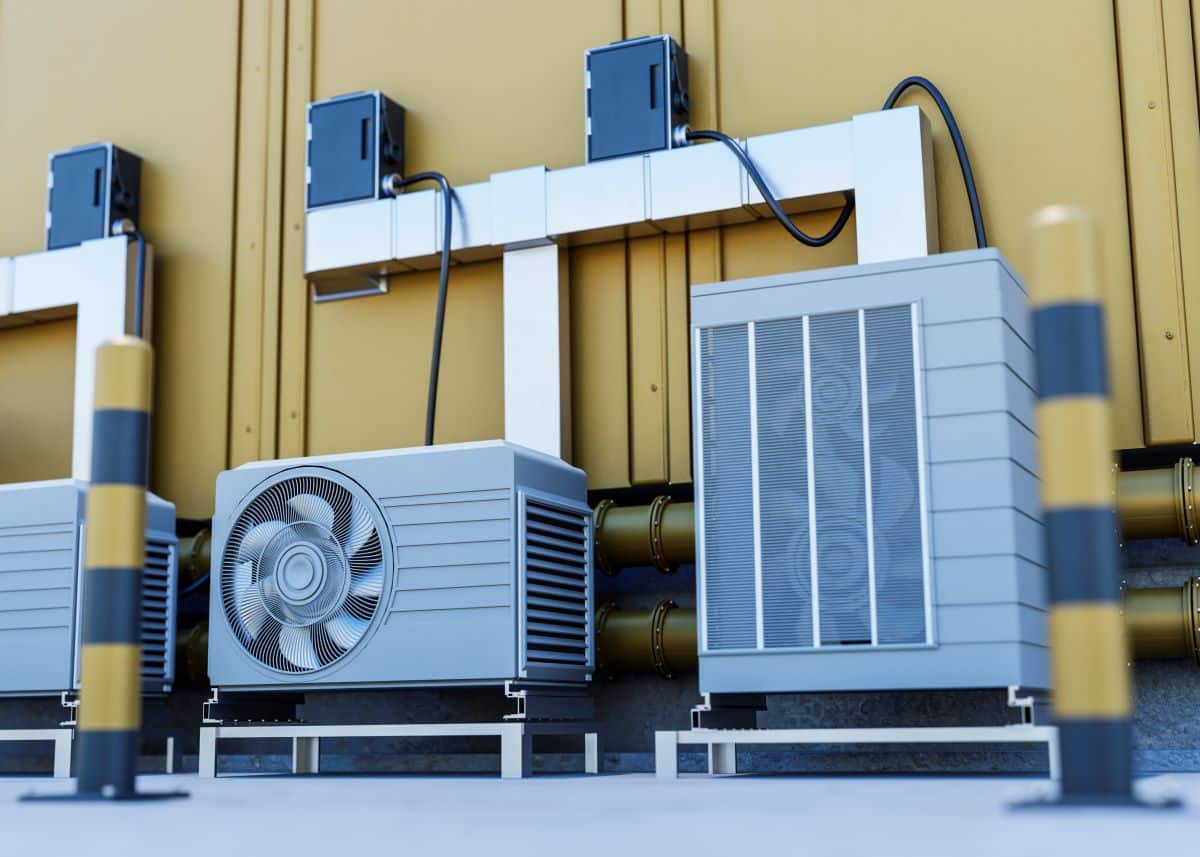
Short answer: A safe, comfortable gas furnace install in Las Vegas depends on proper Manual J sizing, correct venting, and verified airflow. Most problems come from rushed design or skipped testing, not the equipment brand.
Quick Answers and Safety Basics
What Does Professional Gas Furnace Installation Include?
A professional furnace installation is much more than sliding a new box where the old one sat. It typically begins with verifying gas supply, venting paths, and electrical service, then confirming that the new unit’s capacity and efficiency match the design for the home. Technicians disconnect and safely remove the old furnace, cap or reroute any abandoned lines, and protect surrounding finishes and belongings before work begins. The new furnace is then set, leveled, and anchored. Gas piping is connected with a dedicated shutoff and drip leg, electrical wiring and low‑voltage controls are landed, and venting and condensate lines (for high‑efficiency models) are installed. Finally, the contractor performs combustion checks, verifies airflow, and runs the system through a complete heating cycle while checking for gas leaks and carbon monoxide. A complete installation includes both mechanical work and careful testing; skipping either part leaves safety and performance at risk.How Long Does Gas Furnace Installation Take in Las Vegas?
For most homes, technicians can complete a straightforward furnace replacement in a single workday, assuming the ductwork, gas piping, and venting are in acceptable condition. The process takes longer when the new furnace requires a different vent type, when ducts must be modified, or when access is tight, such as in low attics or crowded closets. Add significant time if asbestos-containing duct insulation or old flue liners must be handled by specialized crews. Full system overhauls that pair a new furnace with new air conditioning equipment or a future‑proofed coil for a heat pump can extend the schedule. The additional time is not “padding”; it reflects the careful steps required to pressure‑test refrigerant lines, evacuate moisture, and commission both heating and cooling. Homeowners should expect the crew to stay until the system starts, runs, and shuts down correctly at the thermostat.Do I Need a Permit for Gas Furnace Installation?
In most jurisdictions in and around Las Vegas, replacing or installing a gas furnace requires a mechanical permit and, often, a final inspection by the local building department. The permit process is not just bureaucracy. It is a formal check that gas piping, venting, electrical work, and clearances meet current safety codes. A reputable contractor will usually obtain permits on the homeowner’s behalf and coordinate inspections as part of the job. Skipping the permit can create problems later. Insurance carriers may deny claims related to unpermitted work, and future buyers or their inspectors may flag the installation during resale. In some cases, utilities can also require proof of code‑compliant installation before restoring or upgrading service. For a gas appliance that handles combustion products inside the building envelope, third‑party inspection is an important safeguard, not an optional extra.Why Proper Sizing and Design Matter More Than Brand
Many homeowners focus intensely on brand reputation, yet the most common comfort complaints-short cycling, noisy operation, uneven temperatures-trace back to sizing and duct design errors that any brand will suffer from. An oversized furnace delivers heat in blasts, then shuts off before temperatures can equalize, increasing wear and slashing comfort. An undersized unit can run continuously on the coldest nights without quite catching up, especially in wind‑exposed parts of the valley. A proper design includes a heat‑loss calculation for the home, evaluation of duct capacity, and verification that the furnace’s blower can move the required air without excessive static pressure. That design work determines right‑sized equipment and airflow targets long before a specific brand or model is chosen. For most Las Vegas homes, the installer’s design discipline is a better predictor of comfort than the name printed on the control board.How Gas Furnace Installation Protects Safety and Comfort
Gas furnaces handle three critical ingredients at once: fuel, flame, and indoor air. A correct installation isolates and controls those elements so that combustion takes place safely, exhaust goes outdoors, and only clean, conditioned air circulates through living spaces. Technicians test gas piping for leaks, confirm flame stability, and verify that safety controls-such as high‑temperature limits and pressure switches-respond appropriately. Comfort depends on those same details. Adequate airflow through the heat exchanger prevents overheating and premature failure. Correct return‑air sizing ensures the furnace does not “starve” for air, which can increase noise and reduce heat delivery to rooms. When all these systems are tuned together, the result is stable room temperatures, quiet operation, and the peace of mind that comes from a carefully commissioned gas appliance. Takeaway: a safe furnace is almost always a comfortable one.
Planning and Design Before Installation
Evaluating Your Existing Furnace and Ductwork
Good installations start with an honest assessment of what is already in place. Technicians should examine the existing furnace for clues: signs of overheating on the cabinet, scorch marks around vent connections, rust or water stains from flue condensation, and any history of frequent repairs. Each issue hints at underlying design problems, not just aging equipment. Ductwork deserves equal attention. Crushed or undersized runs, disconnected branches in the attic, and return grilles that are too small for the system’s airflow can all limit what a new furnace can deliver. Correcting these issues at the planning stage costs less than trying to mask them later with equipment settings. This evaluation phase is where homeowners should ask for clear explanations, pictures, or measurements that justify any recommended duct changes.Heating Load Calculations and Furnace Sizing
A heating load calculation estimates how much heat the home loses on a design winter night based on insulation levels, window performance, air leakage, and exposure. Rather than relying on rules of thumb, responsible contractors use structured methods from industry standards to determine the required furnace output. The result is a target capacity range, not a single number, which can then be matched to available models. When load calculations are skipped, installers often default to larger equipment “just to be safe.” That approach usually backfires as short cycling, noise, and reduced efficiency. A right‑sized furnace runs steady, maintains even room temperatures, and experiences less stress, which supports longer service life. For homeowners, asking whether a formal load calculation will be performed is one of the best screening questions when comparing bids.Matching the Furnace to Existing AC or Future Heat Pump
In Las Vegas, nearly every gas furnace shares a cabinet and blower with the central air conditioner, and many homes are now planning for future heat pump upgrades. That shared infrastructure means the furnace cannot be selected in isolation. The blower must provide enough airflow for both heating and cooling modes, and the indoor coil must physically fit the furnace cabinet while matching the outdoor unit’s specifications. When planning ahead for a heat pump, installers may choose a furnace with a compatible blower and control board so that only minimal changes are needed later. This “future‑proofing” can reduce both costs and disruption when homeowners decide to electrify more of their heating system. A coordinated plan across gas and electric heating options keeps the comfort system flexible for the next decade makes it easier if you later decide that converting a gas furnace to electric in Las Vegas is the right move for your home.Choosing AFUE Efficiency Levels for Las Vegas Homes
AFUE (Annual Fuel Utilization Efficiency) measures how much of the gas fuel is converted into usable heat over a season. Newer furnaces are often 15 to 20 percent more efficient than much older models they replace based on homeyou’s efficiency comparisons. That improvement can reduce gas consumption substantially over time, especially in drafty or older homes. In the Las Vegas climate, where heating seasons are shorter than in colder regions, extremely high AFUE ratings may not always deliver quick payback, but they can still provide benefits: quieter sealed‑combustion operation, better comfort control, and sometimes enhanced warranties. Homeowners should weigh incremental cost against expected usage, gas prices, and the likelihood of remaining in the home long enough to capture the savings.When It Is Time To Move to Sealed Combustion or Direct Vent
Older furnaces often draw combustion air from the surrounding space and vent exhaust through metal flues that rely on natural draft. Modern sealed‑combustion or direct‑vent furnaces use dedicated pipes to bring in outdoor air for combustion and expel exhaust, isolating the flame from indoor air. This design reduces the risk of backdrafting and carbon monoxide entry if the home becomes tighter or powerful exhaust fans operate. Upgrading to sealed combustion is especially compelling when a furnace is located in a tight closet, a finished space, or an attached garage where indoor air quality is critical. While the venting changes are more involved than a like‑for‑like replacement, the long‑term gains in safety, flexibility, and often efficiency justify the added complexity. Takeaway: when your existing furnace shares air with living spaces, a sealed‑combustion replacement is worth strong consideration.Venting Combustion Air and Gas Piping
B Vent vs Direct Vent for Gas Furnaces
B‑vent furnaces rely on vertical metal flues that use buoyancy to carry hot exhaust gases upward. They are relatively simple but depend on adequate flue temperature and draft to work correctly. Direct‑vent or condensing furnaces, on the other hand, use fan‑assisted exhaust through plastic or stainless piping and bring in combustion air from outdoors, often through a parallel pipe. Choosing between these approaches affects both safety and home design. Direct‑vent systems allow more flexibility in furnace placement, such as in interior closets, since they do not rely on room air or a traditional chimney. However, they require careful routing of intake and exhaust terminations to avoid re‑entrainment of flue gases and to meet local code setbacks from windows, doors, and property lines.Combustion Air Requirements in Attics and Closets
Furnaces located in attics and closets must have reliable access to enough combustion air to support clean burning. For open attics, this is usually straightforward, but for tight closets or sealed mechanical rooms the code may require dedicated combustion air openings or ducted combustion from outdoors. Inadequate combustion air can cause incomplete burning, soot formation, and elevated carbon monoxide levels. Installers should evaluate whether the existing space meets current standards and whether any recent air‑sealing or insulation work has reduced available air. When in doubt, dedicated combustion air provisions are safer than relying on leaky building envelopes. For homeowners, a simple rule of thumb is that a gas furnace should never “compete” with bath fans, range hoods, or dryers for the same air.Sizing and Installing Gas Piping and Shutoff Valves
Gas piping must be sized to deliver sufficient pressure to the furnace even when other gas appliances such as water heaters, cooktops, or fireplaces operate simultaneously. Undersized piping can cause ignition problems, noisy burners, or reduced furnace output. Installers often need to trace the full gas line layout from the meter to verify that total demand and pipe lengths remain within acceptable limits. Every furnace installation should include a dedicated, accessible shutoff valve and a sediment trap or drip leg to catch debris before it reaches the gas valve. After piping is connected, technicians perform leak tests-often with both pressure gauges and leak‑detection solutions-to verify tightness. Working on gas lines is not a DIY task; local codes and manufacturer instructions require licensed professionals for this part of the job.Clearances to Combustibles and Fire Safety
Furnace cabinets, vent pipes, and flue connectors must maintain minimum clearances to combustible materials such as framing, drywall, and stored items. These clearances are specified both in product listings and building codes. Violations can lead to scorching, odor complaints, or, in the worst case, fire. Attic platforms and closet enclosures should be inspected carefully during replacement to confirm that insulation, storage, or new framing has not encroached on required clearances. Technicians also look for proper support of vent connectors, secure flue joints with approved fasteners, and correct transitions where vents pass through roofs or walls. Fire blocking and draft stopping at these penetrations help slow the spread of smoke and flame in the unlikely event of a fire elsewhere. Homeowners should keep stored items clear of the furnace area after installation to preserve these safety margins.How Venting Problems Lead to Carbon Monoxide Risk
Carbon monoxide (CO) is a colorless, odorless gas produced when fuel does not burn completely. While properly operating furnaces emit very little CO, venting problems-such as blocked flues, backdrafting, or failed inducer fans-can allow it to accumulate indoors. Symptoms range from mild headaches and fatigue to severe illness. Because CO is undetectable by human senses, correct vent design and functioning safety controls are non‑negotiable. Installers should verify draft or pressure at the vent outlet under operating conditions and ensure that any existing chimneys or shared vents meet current requirements. Homeowners should also install CO alarms on each level of the home and test them regularly. Takeaway: a correctly vented furnace, paired with working CO alarms, is the strongest defense against combustion‑related hazards. If an inspection shows rusted, loose, or damaged venting, our furnace flue pipe replacement in Las Vegas guide explains what a safe replacement should include and why it is treated as a life-safety project.Ductwork Static Pressure and Airflow
Checking Duct Size and Condition Before a New Furnace
Ducts act as the “blood vessels” of the heating system, and their size and condition directly affect how well a new furnace can perform. Undersized supply ducts force the blower to work harder, increasing noise and energy use, while oversized or leaky return ducts can pull in dusty attic air and reduce filtration effectiveness. Before connecting a new furnace, technicians should visually inspect and, when possible, measure duct dimensions to confirm compatibility with the furnace’s required airflow. Any obvious damage-kinks, disconnected joints, crushed flex duct, or rusted sheet metal-should be addressed now, not later. Otherwise, the new furnace will inherit the same airflow problems that plagued the old one, wasting the homeowner’s investment. A brief attic or crawlspace inspection during the quoting stage often reveals whether duct remediation will be necessary.Static Pressure Testing and Airflow Targets
Static pressure is the resistance the blower must overcome to move air through the ducts and equipment. Think of it as the “blood pressure” of the HVAC system: too high, and the blower strains; too low, and airflow may be insufficient to carry heat to distant rooms. Technicians use pressure gauges to measure static pressure across the furnace and compare it to manufacturer limits. When pressure is excessive, the solution may involve enlarging ducts, adding additional returns, or adjusting airflow settings rather than simply blaming the furnace. Testing rather than guessing allows installers to set the blower speed appropriately, balancing comfort, noise, and efficiency. Homeowners who ask whether static pressure was measured are more likely to end up with a tuned, long‑lived system.Fixing Hot and Cold Spots During Furnace Replacement
Furnace replacement is the ideal moment to address chronic hot and cold spots in the home. These usually stem from imbalanced airflow, poorly placed supply registers, or rooms that were never properly sized in the original duct design. Technicians can adjust balancing dampers, resize or add runs, or relocate registers to improve circulation. Some issues, such as large west‑facing rooms with extensive glass, may require both duct tweaks and envelope improvements (shades, window upgrades, or air sealing) to fully resolve. Still, even modest duct adjustments during replacement can noticeably improve comfort. Takeaway: if a room has always been uncomfortable, bring it up before the new furnace is installed, not after.Filter Location and Return Air for Quieter Operation
The position and size of air filters and return grilles strongly influence system noise. Filters that are too small or located in tight return plenums can create whistling, “wind tunnel” sounds when the blower runs at higher speeds. Relocating filters to larger, well‑grilled wall or ceiling returns, or upgrading to cabinets that accept deeper media filters, can quiet the system and extend filter life. Return placement also affects dust control and comfort. Returns located only in hallways tend to under‑serve closed bedrooms, while returns in every major room provide better pressure balance and cleaner air. Properly sized return pathways let doors close without slamming or rattling, an everyday sign that the system is operating within healthy pressure ranges.How Duct Sealing and Balancing Improve Comfort
Leaky ducts lose heated air into attics or garages instead of delivering it to living spaces, forcing the furnace to run longer for the same comfort level. Sealing joints with mastic or UL‑listed tapes, combined with insulating ducts in unconditioned spaces, keeps more of each heating dollar inside the home. Balancing dampers or adjustable registers help fine‑tune how much air each room receives. These adjustments are not cosmetic. They directly affect how evenly temperatures hold from room to room and how quickly the home recovers from setbacks. Homeowners should view duct sealing and balancing as part of the total system installation, not an optional add‑on.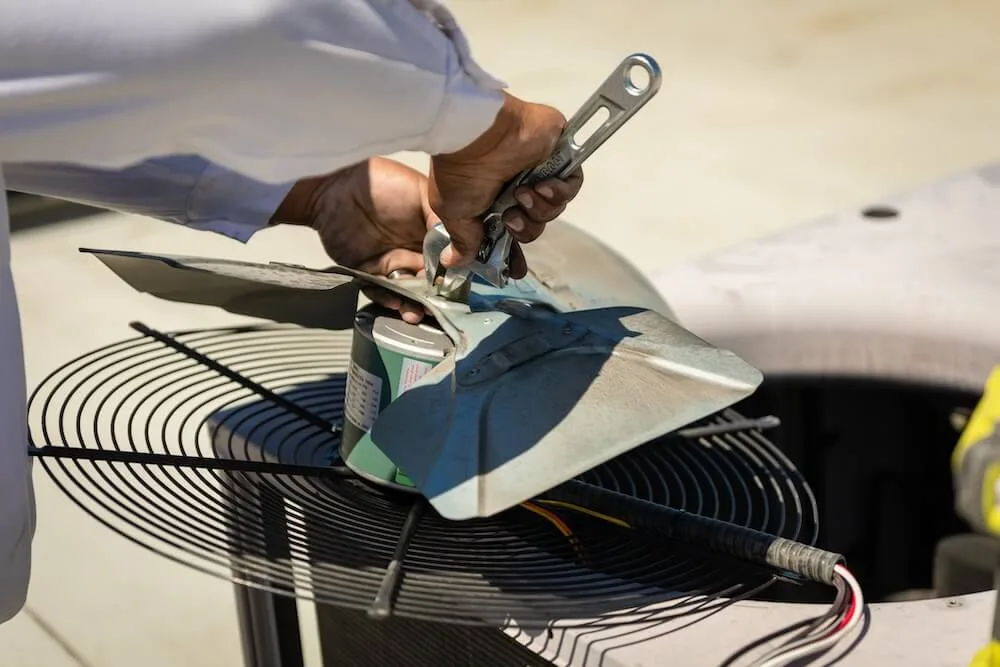
Installation Day What To Expect
On installation day, the crew typically begins by protecting floors and furnishings, then shutting down gas and power to the existing furnace. After removal, they set the new furnace, connect gas and electrical lines, tie into the existing ducts, and complete any planned venting or duct modifications. Throughout the process, good installers keep homeowners informed about progress and any unexpected findings, such as hidden duct damage or inadequate combustion air. Labor is a significant part of total cost, with HVAC contractors in Las Vegas averaging about $27 per hour for large projects such as air‑conditioning and related system work according to a Forbes breakdown of local HVAC pricing. That hourly rate supports not only hands‑on labor but also licensing, insurance, training, and the test instruments necessary to commission gas equipment safely. At the end of the job, expect a walkthrough of thermostat operation, filter access, and any maintenance requirements, along with copies of permits, inspection records, and warranty registration details. Common questions or objections. Homeowners often ask whether they can save money by handling parts of the work themselves. DIY tasks can include clearing access, building simple platforms under professional guidance, or programming smart thermostats. If you are tempted to tackle more of the work yourself, our do it yourself furnace installation guide breaks down which prep tasks are realistic for homeowners and where the stop-here line is. Anything involving gas piping, venting, electrical connections, or safety controls should remain strictly in the hands of licensed technicians. Takeaway: a well‑planned, code‑compliant installation day is the final step that turns careful design work into reliable, safe winter comfort for Las Vegas homes.Local essentials and challenges for gas furnace installation
- Attic and closet placements: Many valley homes use tight spaces that require careful venting and combustion-air planning.
- Desert dust: Filters clog faster, so proper return sizing and filter access are essential.
- Short heating season: A poorly tuned system might seem fine until the first cold snap.
- Permitting expectations: Most jurisdictions require mechanical permits and inspections for gas appliances.
Cost drivers for gas furnace installation in Las Vegas
- Venting changes: Moving from B-vent to sealed combustion can add materials and labor.
- Duct repairs: Static pressure fixes, balancing, and sealing often influence total price.
- Gas line sizing: Upgrading or extending gas piping adds time and inspection steps.
- Access and platform work: Tight closets or attic platforms can increase labor.
Decision guidance: picking the right install plan
- Require Manual J: Avoid oversizing and reduce short cycling.
- Ask for a venting plan: Get written confirmation of pipe routes and terminations.
- Verify commissioning: Combustion analysis, static pressure, and CO readings should be documented.
- Plan for future upgrades: If a heat pump may come later, ask about compatible blower settings.
Prevention tips after installation
- Replace filters every 1–3 months, especially during dusty months.
- Schedule annual combustion and safety checks before winter.
- Keep return grilles clear and doors undercut for proper airflow.
- Test CO alarms monthly and replace batteries twice yearly.
Neighborhoods we serve for gas furnace installation
- Summerlin, The Lakes, and Canyon Gate
- Henderson, Green Valley, and Seven Hills
- Enterprise, Mountains Edge, and Inspirada
- North Las Vegas, Aliante, and Tule Springs
Why homeowners trust The Cooling Company
- Serving Las Vegas since 2011 with 55+ years combined experience
- Licensed, EPA-certified technicians and safety-first inspections
- BBB A+ rated with a 100% satisfaction guarantee
- Lennox Premier Dealer with local parts support
Service area map
Ready for a Cozy Las Vegas Winter? Let The Cooling Company Help!
See why homeowners trust us — view our industry awards and certifications.
Learn about available federal tax credits for energy-efficient HVAC equipment.
Related service: Planning a furnace installation in Las Vegas? Explore our furnace installation and heating installation services for Las Vegas homeowners.
Need HVAC Service in Las Vegas?
The Cooling Company provides expert HVAC service throughout Las Vegas, Henderson, and North Las Vegas. Our licensed technicians deliver honest assessments, upfront pricing, and reliable results.
Call (702) 567-0707 or visit heating, furnace repair, heat pump installation, or heating maintenance for details.