

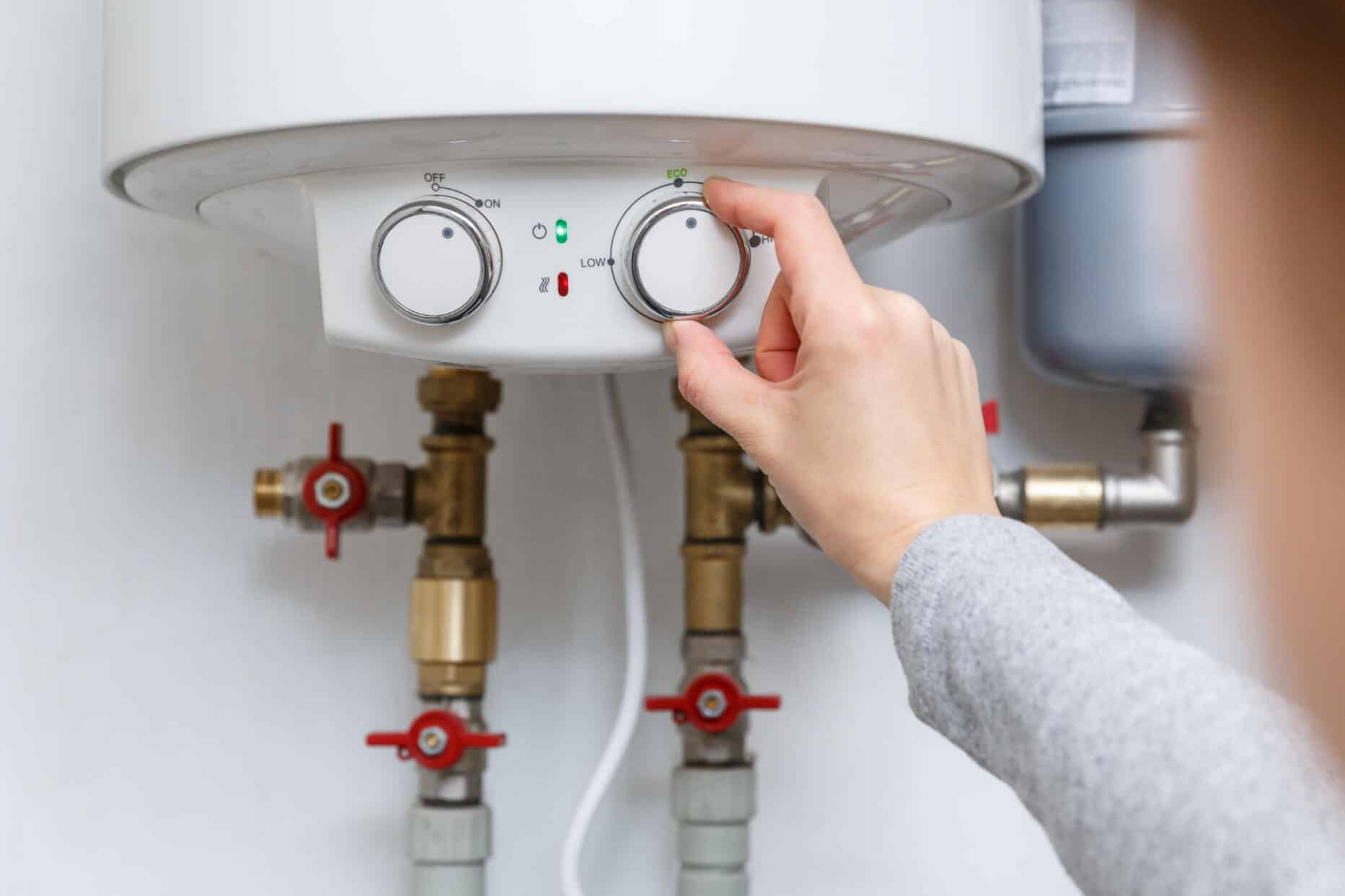
Short answer: When a gas water heater won't light, the igniter is the most common culprit. Three ignition types exist — piezo, hot surface, and electronic spark — and each fails differently. Las Vegas dust and hard water scale accelerate igniter and thermocouple degradation. Replacement parts and labor typically cost $100–$300, while a full gas valve replacement runs $250–$500.
When a gas water heater stops producing hot water, the igniter is almost always where the investigation starts. We see this every week — homeowners with working gas supply and a unit that won't light. Most of the time the fix is the igniter, the thermocouple, or a layer of desert dust and mineral scale on the sensing components. This guide covers each ignition system type, how to narrow down the failure, and what replacement costs look like in Las Vegas.
Key Takeaways
- Three ignition types — piezo, hot surface, and electronic spark — each fail differently and require different fixes.
- Las Vegas dust and hard water scale are the two most common local factors that shorten igniter and thermocouple life.
- Replacement parts and labor typically run $100–$300; a full gas valve replacement pushes $250–$500.
- If you smell gas at any point during troubleshooting, stop immediately, leave the house, and call Southwest Gas.
How gas water heater ignition works
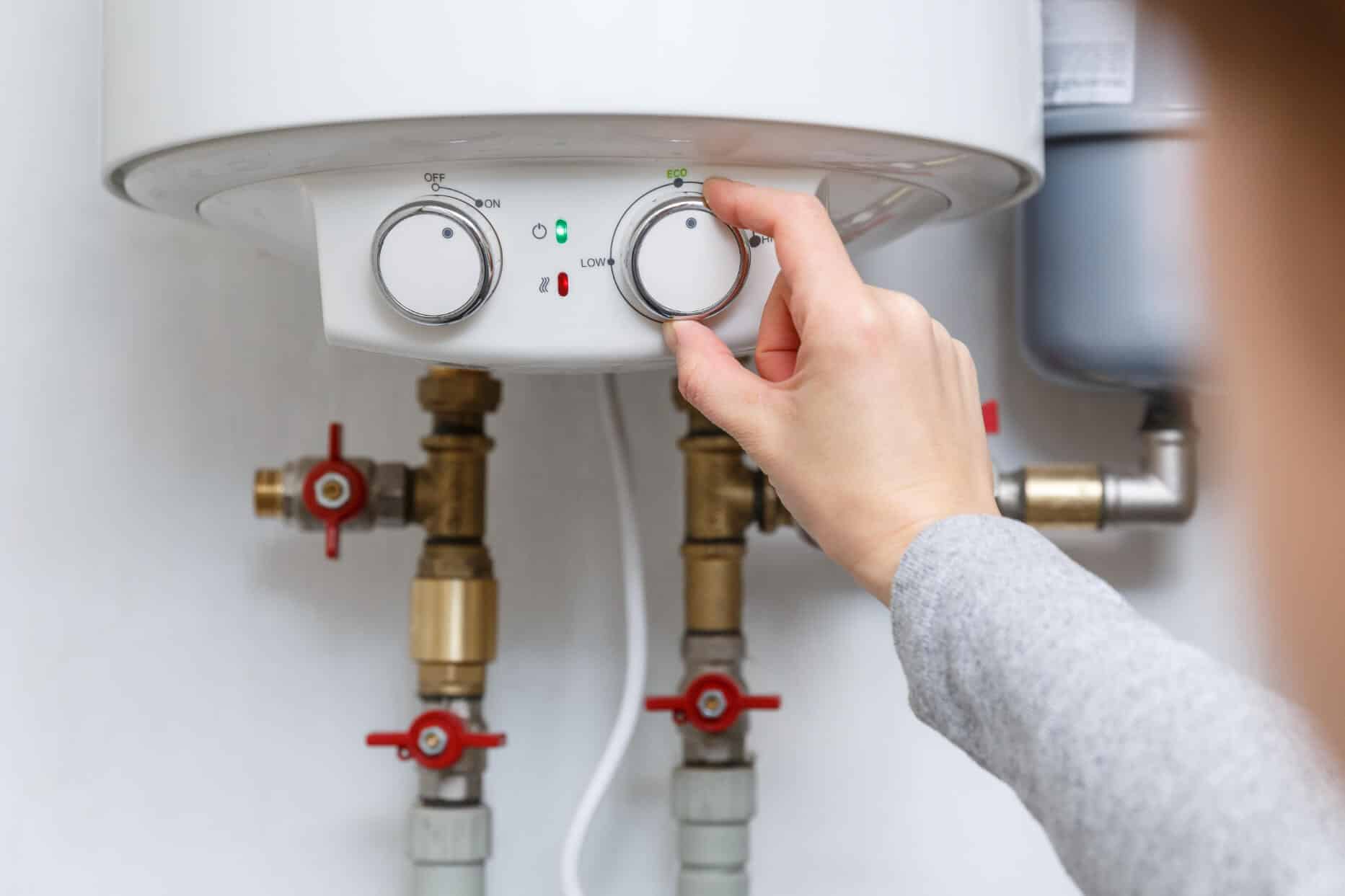
Every gas water heater runs a fixed sequence: thermostat calls for heat, gas valve opens, the igniter lights the burner, a safety sensor confirms the flame, and the burner holds until the tank reaches setpoint. If any link breaks, the unit goes cold. The igniter is step three — it must produce a reliable spark or glow before the valve opens fully. A failure triggers safety lockout, sometimes after two or three retry attempts. Because a thermocouple failure and an igniter failure look identical from the outside, we always work through the full sequence before ordering parts.
Three igniter types and how they fail
Piezo ignition
A piezo igniter is a spring-loaded striker button on the gas valve assembly that generates a spark when pressed — no electricity required. Common on older and entry-level tank water heaters. Failure happens two ways: the striker mechanism wears out mechanically, or mineral deposits fill the spark gap at the pilot tip and prevent the arc from jumping. In Las Vegas, mineral fouling is significantly more common than mechanical failure. If you see a spark at the electrode but the pilot won't stay lit after releasing the knob, the thermocouple is the fault — not the igniter.
Hot surface igniters (HSI)
Hot surface igniters are silicon nitride or silicon carbide elements that glow to 1,600–2,500°F on 120V, igniting the burner when the gas valve opens. Standard on most mid-range and high-efficiency units built after the mid-2000s. HSIs are reliable but brittle — they crack from mechanical shock, thermal cycling, and contamination. In Las Vegas, fine desert dust that settles on the element during the off-season and calcium deposits from combustion moisture shorten HSI life noticeably. A cracked HSI produces no heat; a coated element ignites erratically. Diagnosis requires a multimeter: a functional silicon nitride element reads 40–200 ohms cold. An open circuit (OL) reading confirms a broken element.
Electronic spark modules
Electronic ignition modules are standard on intermittent pilot (IPI) systems. The control board monitors the thermostat, fires a continuous spark at the pilot electrode, confirms ignition through a flame rod, and holds the main gas valve open to run the burner. When the flame rod is coated with carbon or mineral scale it can no longer conduct the small sensing current — the module sparks continuously but never "sees" a flame and closes the valve. Cleaning the flame rod with fine steel wool resolves this fault in a large percentage of IPI no-light calls without any parts cost. If the module produces no spark at all, check for a broken wire to the electrode before condemning the board itself.
Las Vegas-specific failure factors
Dust infiltration
Most valley water heaters sit in open garages exposed to construction dust, wind-driven particulate, and seasonal dust storms. Dust layers on pilot orifices, HSI elements, and thermocouple junctions insulate and degrade both ignition and flame sensing. Clean the pilot assembly and burner air shutter once a year — more often for units in exposed garages. A dry paintbrush handles most of this; avoid compressed air near a recently operated gas appliance.
Hard water scale on sensors
Las Vegas tap water averages 278–300 parts per million total dissolved solids — among the highest of any major U.S. city. Calcium and magnesium deposit on thermocouple tips and flame rods, insulating the junction below its millivolt threshold. Classic symptom: pilot lights when you hold the button, goes out the moment you release it. Before replacing a thermocouple, clean the tip with fine steel wool. Scale-coated tips frequently recover to full output at zero parts cost.
Gas supply pressure
Southwest Gas delivers natural gas at roughly 7 inches water column (WC) at the meter; most residential units are rated for 7–10.5 inches WC. Pressure below 5 inches WC causes delayed ignition and nuisance thermocouple shutdowns even when all components are in good condition. If you have cleaned and tested every ignition component and the unit still won't light reliably, call Southwest Gas — they test meter pressure at no charge when you report a suspected supply issue.
Step-by-step troubleshooting
Work through this sequence in order. Stop immediately if you smell gas — ventilate, leave the space, and call Southwest Gas at 877-860-6020 from outside before continuing.
Step 1 — Confirm gas supply. Verify the shutoff valve on the water heater gas line is fully open (handle parallel to pipe). Test another gas appliance. If nothing in the house has gas, the issue is upstream at the meter. If other appliances work, the problem is local to the water heater.
Step 2 — Read the status light. Most units built after 2003 have an LED on the gas valve that blinks a fault code. Count the pattern and compare it to the chart on the unit's side panel. This single step frequently identifies the failed component without any further disassembly.
Step 3 — Inspect the pilot orifice and electrode. With gas off and the unit cool, examine the pilot assembly with a flashlight. The orifice should be clear of debris; the electrode tip should be clean and spaced 1/8–3/16 inch from the pilot hood. A clogged orifice produces a weak yellow flame. A fouled electrode produces a weak or absent spark. Both are cleanable in most cases.
Step 4 — Test the thermocouple. Light the pilot and hold it for 60 seconds. Set a multimeter to millivolts DC and probe the thermocouple connector terminals. Above 20 mV: functional. Below 10 mV: replacement needed. Clean the tip with fine steel wool first — this recovers many thermocouples that would otherwise be replaced unnecessarily.
Step 5 — Test the igniter. HSI: measure resistance across the igniter terminals with power disconnected. 40–200 ohms is good; OL means the element is cracked. Piezo: press the button in low light and look for a visible blue spark at the electrode. Electronic module: watch for continuous sparking during an ignition attempt — if sparking occurs but no flame is detected, clean the flame rod before assuming the module is bad.
Step 6 — Gas valve. Gas valve testing requires a manometer. Do not attempt to disassemble or bypass the valve. If all components above check out and the unit still won't light, the valve is the likely fault and needs professional replacement.
If you reach the limits of what you can safely check, that is the right stopping point. Visit our water heater repair Las Vegas page or call us to dispatch a licensed technician.
Replacement costs
Ignition system repairs are among the more affordable water heater service calls. Current Las Vegas market pricing:
- Thermocouple replacement: $75–$150 all-in (part: $10–$25). Most common repair on units 8 years and older.
- Piezo igniter replacement: $80–$175 (part: $20–$60). Straightforward replacement on most units.
- Hot surface igniter (HSI): $100–$250 (part: $25–$80). Access difficulty varies by model.
- Electronic spark module / IPI board: $150–$350. OEM modules can be expensive; verify aftermarket compatibility before ordering.
- Gas valve replacement: $250–$500 (part: $100–$250 plus 1–2 hours labor).
- Diagnostic visit (no repair): $75–$125, applied to repair cost if you proceed.
One cost conversation we always have: if the unit is 10 years old or older and the gas valve has failed, replacement often beats repair. A new 40-gallon gas water heater installed in Las Vegas typically runs $900–$1,400. Spending $400 on a valve for a unit with two or three years of life remaining rarely makes sense. We will always tell you honestly where the numbers land.
Safety warnings
- Gas smell means stop. Leave the building, move clear, and call Southwest Gas at 877-860-6020. Do not flip switches or use your phone inside.
- Never bypass a thermocouple or gas valve safety seat. These prevent unburned gas from filling the combustion chamber. Jumping around them causes explosions.
- No open flames for leak detection. Use soapy water or a combustible gas detector only.
- Shut off cold water and relieve pressure before removing any components to avoid scalding.
- Replace access panels before restoring gas flow. The door is part of the combustion air circuit, not cosmetic.
- Gas line work requires a license. Nevada law requires a licensed plumbing contractor. DIY gas line modification is illegal and dangerous.
Frequently Asked Questions
How do I know if my water heater igniter is the problem versus the thermocouple?
No spark at the pilot when you press the igniter button points to the igniter. Pilot lights while you hold the button but goes out when you release it points to the thermocouple — it is not holding enough millivoltage to keep the gas valve open. A multimeter test on each component gives you a definitive answer before you order parts.
Can I replace a water heater igniter myself in Las Vegas?
Thermocouple and piezo igniter swaps are within reach for a careful DIYer with basic hand tools. HSI replacement requires a multimeter and careful handling — the silicon nitride element cracks easily. Gas valve work and any gas line modification requires a licensed plumbing contractor under Nevada law. When in doubt, the $75–$125 diagnostic call is cheaper than buying the wrong parts.
Why does my pilot light go out repeatedly in Las Vegas?
Scale on the thermocouple tip and garage draft conditions are the two most common local causes. Hard water deposits insulate the tip and reduce its voltage output. Garage cross-drafts from door operation extinguish a standing pilot. If it goes out consistently when the garage door opens, a pilot windshield kit may solve it. If it shuts off randomly, test the thermocouple first.
My water heater status light is blinking four times. What does that mean?
Blink codes are manufacturer-specific. Four blinks on a Bradford White typically indicates a thermocouple or thermopile fault; the same four blinks on a Rheem or A.O. Smith may mean something different. Compare the code to the chart on your unit's side panel or the owner's manual using your exact model number. Having the model and serial number ready when you call us speeds the diagnostic significantly.
How long should a water heater igniter last?
Piezo mechanisms and thermocouples typically last 5–8 years in Las Vegas conditions — somewhat less than the national average due to dust and mineral load. Hot surface igniters average 4–7 years. Electronic spark modules often outlast the water heater itself when kept clean. Annual cleaning of the pilot assembly and flame-sensing components pushes all of these numbers toward the high end.
Need water heater service in Las Vegas?
The Cooling Company is a licensed HVAC and plumbing contractor serving Las Vegas, Henderson, and North Las Vegas. Our technicians diagnose and repair gas water heater ignition failures the same day in most cases, carrying common igniters and thermocouples on the truck. Call (702) 567-0707 to schedule, or visit water heater repair Las Vegas, plumbing services, or emergency HVAC and plumbing. Upfront pricing, always.