

Ignition System
An ignition system in HVAC refers to the mechanism that lights the burners in a gas furnace or gas-fired appliance. Older systems used a standing pilot light, a small, continuously burning flame that ignited the main burners on demand. Modern furnaces use electronic ignition systems, which are more efficient and reliable. The two main types are hot surface igniters (HSI), which glow red-hot to ignite gas, and intermittent pilot systems, which create a small pilot flame only when the thermostat calls for heat. Electronic ignition eliminates the wasted energy of a continuously burning pilot and reduces the risk of pilot light outages.
💡 Key Takeaways
- ✓An ignition system in HVAC refers to the mechanism that lights the burners in a gas furnace or gas-fired appliance. Older systems used a standing pilot light, a small, continuously burning flame that ignited the main burners on demand. Modern furnaces use electronic ignition systems, which are more efficient and reliable. The two main types are hot surface igniters (HSI), which glow red-hot to ignite gas, and intermittent pilot systems, which create a small pilot flame only when the thermostat calls for heat. Electronic ignition eliminates the wasted energy of a continuously burning pilot and reduces the risk of pilot light outages.
- ✓Hot surface igniters typically last 3 to 7 years and are one of the most common furnace repair items.
- ✓If your furnace clicks or glows but does not light, the igniter may be cracked or weakened and unable to reach full temperature.
- ✓Electronic ignition systems include safety lockouts, if the burners do not light within a set time, the system shuts down to prevent gas buildup.
Ignition System
/ɪɡˈnɪʃən ˈsɪstəm/
Definition
An ignition system in HVAC refers to the mechanism that lights the burners in a gas furnace or gas-fired appliance. Older systems used a standing pilot light, a small, continuously burning flame that ignited the main burners on demand. Modern furnaces use electronic ignition systems, which are more efficient and reliable. The two main types are hot surface igniters (HSI), which glow red-hot to ignite gas, and intermittent pilot systems, which create a small pilot flame only when the thermostat calls for heat. Electronic ignition eliminates the wasted energy of a continuously burning pilot and reduces the risk of pilot light outages.
What is an ignition system in a furnace?
The ignition system lights the gas burners when the thermostat calls for heat. Modern furnaces use electronic hot surface igniters or intermittent pilot systems instead of standing pilot lights.
Source: The Cooling Company

Quick Facts
How Ignition System Works
Electronic ignition replaced standing pilots for safer, more efficient heating.
Real-World Application
When your thermostat calls for heat, the ignition system activates first. In a modern furnace, the hot surface igniter glows to around 1,800°F within seconds, igniting the gas burners. If the igniter fails, the furnace's safety controls prevent gas from flowing, leaving your home without heat until the part is replaced.
Pro Tip
Hot surface igniters are fragile ceramic components. Never touch them with bare fingers, skin oils create hot spots that cause premature cracking. If you inspect your furnace, avoid bumping or handling the igniter.
“Hot surface igniters are fragile ceramic components. Never touch them with bare fingers, skin oils create hot spots that cause premature cracking. If you inspect your furnace, avoid bumping or handling the igniter.”
Important Things to Keep in Mind
- Hot surface igniters typically last 3 to 7 years and are one of the most common furnace repair items.
- If your furnace clicks or glows but does not light, the igniter may be cracked or weakened and unable to reach full temperature.
- Electronic ignition systems include safety lockouts, if the burners do not light within a set time, the system shuts down to prevent gas buildup.
Did You Know?
Standing pilot lights waste an estimated 4 to 5 therms of natural gas per month. Switching to electronic ignition can save $40 to $50 annually in fuel costs alone.
FAQ
Why won't my furnace ignite?
The most common cause is a worn or cracked hot surface igniter. Other possibilities include a faulty flame sensor, gas valve issue, or tripped safety lockout.
How much does it cost to replace a furnace igniter?
A hot surface igniter replacement typically costs $150 to $300 including parts and labor, making it one of the more affordable furnace repairs.
Do all furnaces have a pilot light?
No. Most furnaces manufactured after the early 2000s use electronic ignition. Only older models still rely on standing pilot lights.
Related Services
Need help with ignition system? Our licensed technicians in Las Vegas are ready to assist.
Share This Page
Why Homeowners Trust Us

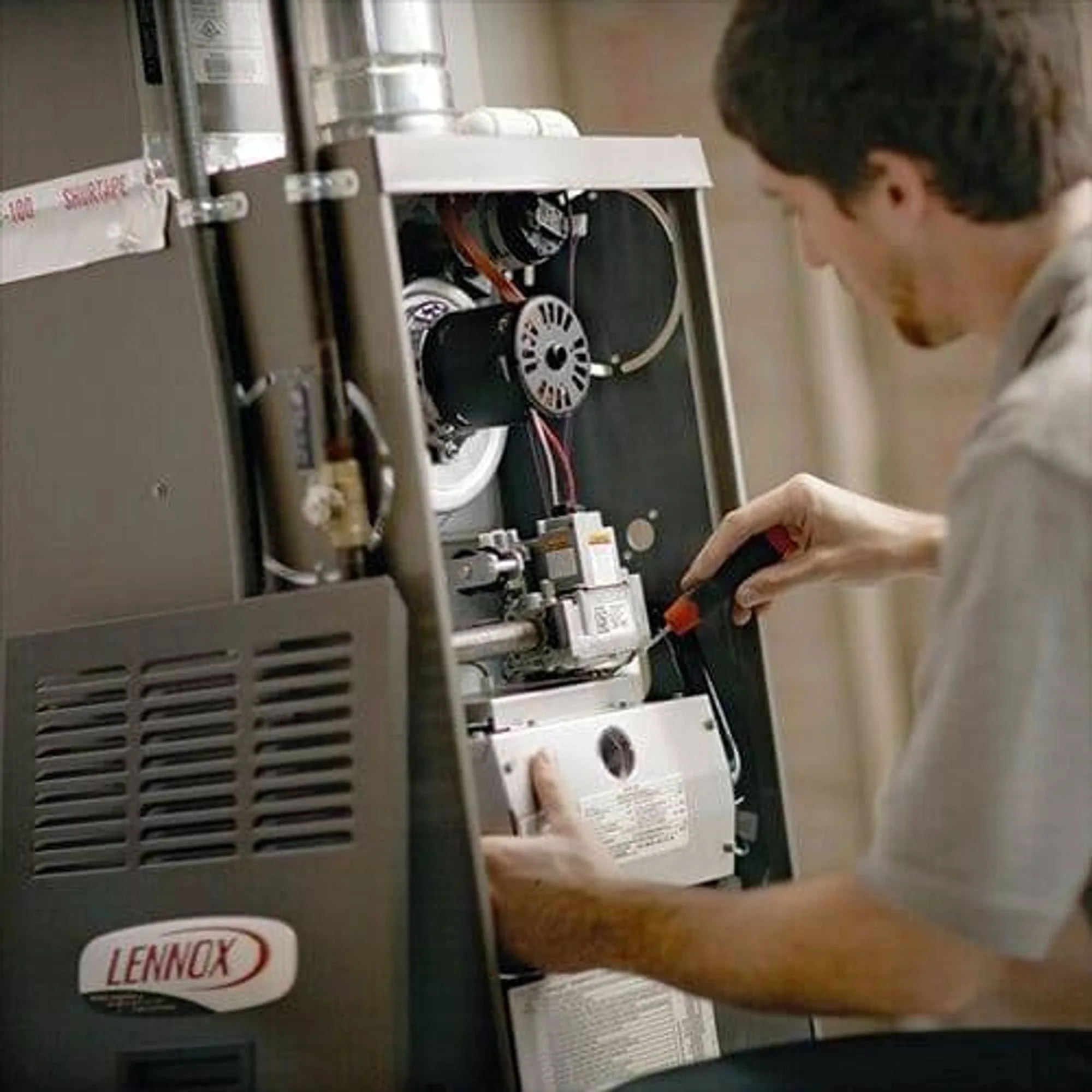
Get Your Furnace Lighting Reliably with Expert Ignition Service
Get a Free Estimate
Fill out the form below. Our goal is to reach you within minutes.