

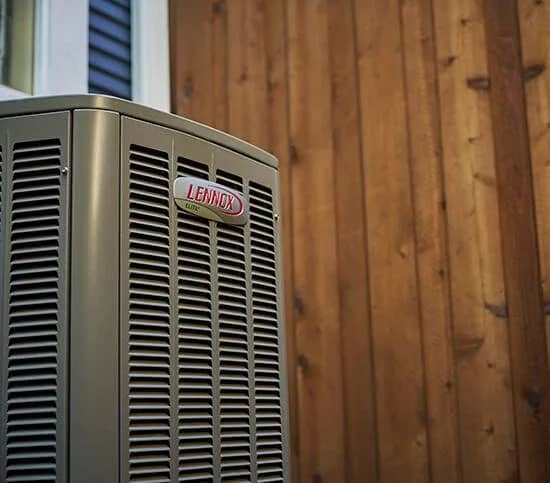
Short answer: Summer power bills in Las Vegas can feel as punishing as the desert sun. Air conditioners run for long stretches, ductwork bakes in attic spaces, and every extra degree on the thermostat shows up on the utility statement. Against that backdrop, geothermal-or ground-source-heat pumps offer a radically different way to cool and heat a home by using the steady temperatures just a few feet below the surface.
Overview and key benefits
This section outlines what a geothermal heat pump actually does, why it matters in a desert climate, and how it changes day‑to‑day comfort and utility bills. It also addresses the most common questions and objections that come up when homeowners first encounter the idea of drilling or trenching for a heating and cooling system.What a geothermal heat pump does
A geothermal heat pump circulates a fluid through buried piping-called a ground loop-to move heat between the home and the earth. In cooling mode, the system pulls heat out of indoor air and sends it into the ground; in heating mode, it reverses, drawing heat from the soil and concentrating it indoors. Instead of burning fuel, it relies on electrically driven refrigeration cycles, similar in principle to a refrigerator but scaled for the whole building. Because the ground several feet down stays within a relatively narrow temperature band through the year, the heat pump always works against favorable conditions compared with scorching outdoor air or chilly winter nights. That stable “thermal reservoir” is the basis of the system’s high efficiency and its ability to deliver consistent performance regardless of weather swings.Why efficiency matters in Las Vegas
Las Vegas homes endure long cooling seasons, high solar gain, and frequent periods of heavy air‑conditioning use. Traditional air‑source heat pumps must push heat into already hot outdoor air, which forces them to work harder at precisely the times when electricity demand and rates tend to be highest. A geothermal system breaks that pattern by rejecting heat into cooler underground temperatures, keeping efficiency high even during peak heat waves. That efficiency advantage compounds over years of operation. For homeowners, it can translate into a significant reduction in annual cooling and heating costs, especially in larger homes or those with older, less efficient equipment. For the local grid, it means less strain during the hottest afternoons, when outages and demand charges are both most likely.Quick voice answer for smart devices
For smart speakers or voice assistants, a concise description helps: a geothermal heat pump is a heating and cooling system that uses buried pipes and the stable temperature underground to move heat, instead of burning fuel, which makes it more efficient and often quieter than a traditional air conditioner and furnace. That single sentence can serve as the working definition for quick searches or hands‑free questions when planning upgrades or comparing quotes.Environmental and comfort advantages
From an environmental standpoint, geothermal heat pumps significantly cut on‑site fossil fuel use because they typically replace combustion‑based furnaces or gas heating. A review of installations published in the journal Processes found that geothermal systems can reduce carbon dioxide emissions by up to half compared with fossil‑fuel‑based systems, depending on the electricity mix and design details according to MDPI’s analysis. That reduction scales with the size of the home and the length of time the system operates. If you’re still weighing fuel choices in general, our electric vs gas heating guide compares operating costs, comfort, and long-term tradeoffs for Las Vegas homes. Comfort changes in more subtle ways. Geothermal equipment usually runs longer, gentler cycles with lower air velocities, which reduces temperature swings between rooms. The absence of very hot furnace cycles or very cold supply air from overworked air conditioners often makes the indoor environment feel more even, with fewer drafts and less noise from outdoor units.Common myths and facts
Many objections to geothermal systems stem from dated information or confusion with high‑temperature geothermal power plants. A recurring concern is that this technology only works in cold climates. In reality, ground temperatures in the Las Vegas region are suitable for both heating and cooling; the system is simply using the earth as a large, stable heat sink and source, not tapping volcanic heat. Another common myth is that geothermal is only for large rural properties. While ample land makes some loop types easier, dense lots can use vertical boreholes or shared loops. The technology also does not require hot springs, geysers, or visible geological activity; most residential systems operate on shallow ground conditions that are present in ordinary neighborhoods.Indoor comfort and humidity control
Indoor comfort depends on both temperature and humidity. Geothermal systems typically excel at latent (moisture) removal in cooling mode because the coil in the indoor unit runs at stable, optimized temperatures. That allows the system to pull moisture from indoor air while avoiding the rapid on‑off cycling that can leave rooms cool but clammy. In a dry climate such as Las Vegas, excessive humidity is less of a problem than in coastal regions, but good moisture control still helps protect finishes, reduce mold risk in shaded or irrigated areas, and maintain comfortable conditions when monsoon patterns bring in short bursts of higher humidity.Energy savings and utility bill impact
Energy savings are one of the major reasons homeowners consider geothermal. A market analysis of geothermal heat pumps reports that these systems can cut energy consumption for heating and cooling by roughly forty to sixty percent compared with conventional HVAC equipment, depending on design and operating conditions according to Industry Research Biz. Over the lifespan of the system, those savings can offset a substantial portion of the higher upfront cost. If you’re comparing geothermal to more traditional options, our new HVAC system cost guide breaks down how equipment type, efficiency, and ductwork changes drive pricing in Las Vegas. On utility bills, this shift appears as a drop in kilowatt‑hours used for space conditioning and the elimination of gas charges for space heating if a gas furnace is replaced. Because geothermal relies entirely on electricity, homeowners also gain flexibility to pair the system with rooftop solar or future community solar offerings.Risks of improper installation
Geothermal systems are design‑sensitive. Incorrectly sized ground loops, poorly grouted boreholes, or undersized indoor equipment can reduce efficiency and shorten the life of compressors. In extreme cases, an improperly balanced loop may experience long‑term temperature drift, leaving the system struggling in peak seasons. For that reason, drilling, loop design, and refrigerant work should always be handled by licensed contractors with specific geothermal training. Homeowners can still participate in tasks such as filter changes, thermostat programming, and monitoring system performance, but the buried components and refrigerant circuits are not appropriate for do‑it‑yourself work.Key performance indicators
Several metrics help describe geothermal performance. Coefficient of performance (COP) expresses how many units of heat the system moves for each unit of electricity it uses in heating mode, while energy efficiency ratio (EER) plays a similar role in cooling. Higher values in either metric indicate more efficient operation. For everyday decision‑making, homeowners can translate those ratings into expected utility costs: a system with a significantly higher COP or EER than an existing unit will usually yield noticeably lower monthly expenses, especially when run for many hours per day during extreme weather.Summary of what you’ll learn
By understanding what geothermal heat pumps do, how they interact with desert soils, and which choices matter most at design time, homeowners can treat this technology as a clear option rather than a mysterious niche. The remaining sections walk through loop configurations, site‑specific considerations, and practical decision points such as financing and standards. Homeowner takeaway: Geothermal heat pumps trade fuel and outdoor heat for the steady conditions underground, offering a path to lower bills, quieter operation, and reduced emissions when they are properly designed and installed.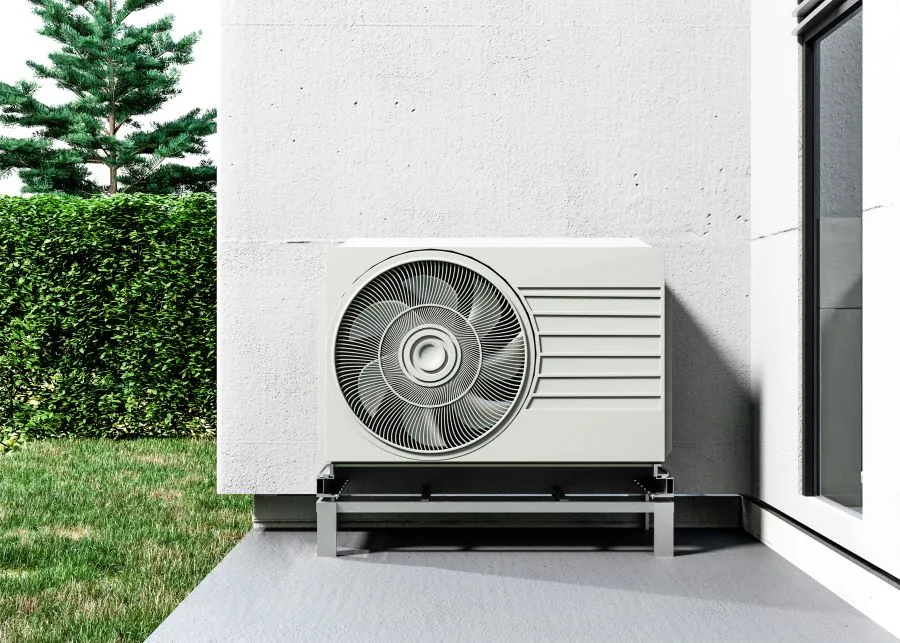
System types and configurations
Geothermal technology is not a single layout; it is a family of system types distinguished mainly by how the ground loop interacts with the earth. Understanding closed versus open loops, horizontal versus vertical arrangements, and less common options such as pond loops helps match the design to local soil, lot size, and budget constraints.Closed-loop vs open-loop systems
Closed‑loop systems circulate a sealed mixture of water or antifreeze through buried plastic piping. The fluid never leaves the loop; it simply exchanges heat with the surrounding soil. Open‑loop systems, by contrast, draw groundwater from a well, pass it through a heat exchanger, and then discharge it to a return well or surface outlet where allowed by code. For most residential projects in the Las Vegas area, closed loops are preferred because groundwater quality, availability, and discharge regulations can make open‑loop designs complicated. Closed loops also offer more predictable long‑term performance and simpler maintenance because the fluid and piping are entirely controlled.Horizontal loop overview
Horizontal loops place piping in trenches at relatively shallow depths. They work best on sites with adequate land area, accessible soils, and minimal obstacles such as existing utilities or large tree roots. Trenching equipment excavates long runs, the piping is laid in carefully spaced patterns, and the soil is backfilled and compacted around the loop. Installation costs can be lower than vertical drilling when space is available, but performance depends heavily on soil moisture and conductivity. Dry, rocky soils common in the region may require longer loop lengths or alternative configurations to achieve the same heat exchange as moist, loamy ground.Vertical loop for compact lots
Vertical loops use boreholes drilled straight down, typically arranged in clusters and connected at the surface. This approach is well‑suited to compact suburban lots, urban infill, or properties where landscaping or hardscaping limits trenching options. The depth allows the system to access more stable temperatures and can reduce the total land area affected by construction. Drilling requires specialized rigs and careful grouting to ensure good thermal contact and protect groundwater. Upfront cost per foot is often higher than trenching, but total project cost can be competitive on small lots where horizontal runs would be cramped or impractical.Pond and lake loop options
Where a suitable body of water exists on the property, such as a man‑made pond with sufficient depth, a submerged loop can be an efficient option. Coils of pipe are anchored below the surface, where water temperatures remain relatively stable and provide excellent heat exchange. In the Las Vegas area, natural opportunities for pond loops are less common, and evaporation rates are high. Any water‑based design must consider long‑term water levels, ecological impacts, and local permitting requirements, which often makes this option more of a niche solution than a mainstream choice.Hybrid and shared-loop systems
Hybrid systems may combine geothermal loops with supplemental equipment, such as cooling towers or backup boilers, to handle unusual peak conditions or phased construction. Shared‑loop systems connect multiple buildings-such as homes in a development or units in a multifamily property-to a common ground loop field, improving utilization of the subsurface resource. A research study of shallow ground‑source systems suggests that distributed heat pumps could collectively cover roughly half of heating demand and more than half of service‑sector cooling demand for individual systems by mid‑century if widely adopted according to an arXiv analysis of shallow geothermal potential. Shared or district loops are one way to realize that kind of broad deployment in dense areas.Selecting loop type for Las Vegas soils
Selection in the Las Vegas region often centers on balancing space constraints against drillability of local soils and rock. Many neighborhoods sit on compacted fill or caliche layers that influence both trenching cost and borehole feasibility. A qualified designer will typically review geotechnical data, existing utility maps, and access for drilling or excavation equipment before recommending a configuration. Homeowners benefit from asking prospective contractors how local soil conditions factor into their proposed loop type, what assumptions they are making about thermal conductivity, and how they have sized loop length or bore depth to match the specific load of the home. Homeowner takeaway: Different loop layouts fit different lots, but with proper design there is usually at least one viable configuration for most properties, even where land is tight or soils are challenging.How to choose the right geothermal system
Choosing a geothermal system is part technical evaluation, part financial planning. The best outcomes come from understanding the home’s heating and cooling needs, the soil and site characteristics, the efficiency ratings that matter in real‑world use, and the standards that distinguish experienced installers from generalists.Evaluating heating and cooling loads
The starting point is a proper load calculation, often performed under established residential standards. This assessment estimates how much heating and cooling the home requires under design conditions by factoring in square footage, insulation, window performance, air leakage, and orientation to the sun. Oversizing a geothermal unit can lead to short run times and reduced efficiency, while undersizing can cause discomfort during extreme weather and unnecessary reliance on backup heat strips. Homeowners should ask for a copy or summary of the load calculation and confirmation that it guided both equipment selection and loop sizing.Soil and site assessments
Soil testing and site assessment refine the initial design by revealing how well the ground can move heat. Moist, dense soils typically transfer heat more effectively than very dry or sandy ones. On some projects, test borings or pilot trenches are used to gather data on drilling rates, rock layers, and groundwater encounters. Site assessments also consider setbacks from property lines, underground utilities, septic systems, and other constraints that can limit where loops may be placed. These early investigations prevent costly surprises and help align homeowner expectations with practical realities of the lot.Energy efficiency ratings explained
Geothermal heat pumps are often rated with metrics such as seasonal energy efficiency and heating performance factors. While the specific acronyms can be confusing, the key idea is straightforward: higher ratings mean the system delivers more heating or cooling for each unit of electricity consumed over a season. For a homeowner comparing bids, it helps to ask how a proposed unit’s ratings compare with the current system and what that difference is expected to mean for annual energy use. Contractors can often translate these ratings into estimated operating cost ranges, giving a clearer sense of payback over time.Certifications and IGSHPA standards
Because geothermal installations are complex, third‑party standards play an important role in quality control. The International Ground Source Heat Pump Association (IGSHPA) publishes design and installation guidelines covering topics such as loop sizing, grouting, and flushing procedures. Installers who follow these standards are less likely to make sizing or workmanship errors that undermine system performance. When interviewing contractors, homeowners can ask whether the company or its designers hold IGSHPA accreditation, how they document adherence to published standards, and what commissioning tests they perform before turning the system over to the owner.Common homeowner mistakes
Several avoidable missteps appear repeatedly in geothermal projects. One is focusing solely on equipment brand while neglecting loop design and installer experience, even though the buried loop field largely determines long‑term performance. Another is underestimating the disruption of drilling or trenching and not planning for landscaping restoration in the budget. Some homeowners also assume geothermal eliminates the need for good air sealing and insulation. In reality, improving the building envelope reduces loads and can allow for smaller, less expensive geothermal systems. Treating efficiency upgrades and geothermal as complementary investments typically yields the best overall result.Financing and rebate opportunities
Geothermal systems carry higher upfront costs than many conventional HVAC replacements but can be financed through a mix of loans, energy‑efficient mortgages, or utility programs where available. Because these systems dramatically reduce energy use, they are often recognized in clean‑energy incentives and long‑term planning documents. Market research notes that the global geothermal heat pump sector was valued in the single‑digit billions of dollars in the mid‑twenty‑twenties and is projected to grow to well over ten billion dollars by the end of the decade, with steady compound annual growth according to a Research and Markets outlook. That commercial momentum reflects increasing policy support and expanding financial tools, both of which can ease the path for individual homeowners. Homeowner takeaway: The right geothermal choice comes from matching system size and loop design to a carefully assessed home, working with certified installers, and using available incentives and financing to align long‑term savings with upfront cost.Local essentials and challenges for Las Vegas
Las Vegas has long cooling seasons and very hot summer peaks, so geothermal systems spend more hours rejecting heat than in many climates. That makes loop sizing and soil conductivity testing especially important for long-term performance. Many local lots include caliche or rocky layers that affect drilling time and cost.
Access and restoration also matter. HOA rules, desert landscaping, and limited side yards often influence whether horizontal trenches or vertical bores are practical. Plan for restoration of irrigation lines, hardscape, and turf or xeriscape after loop work.
Local cost drivers
- Vertical drilling in rock or caliche and the number of boreholes required.
- Electrical upgrades for heat pump amperage and pump controls.
- Landscape restoration and limited equipment access on smaller lots.
- Commissioning requirements, including flow verification and loop pressure tests.
Decision guidance
- Start with loads: require a Manual J and loop sizing summary.
- Choose the loop: match loop type to lot size, soil, and access.
- Compare bids: demand itemized loop, equipment, and restoration costs.
- Plan incentives: verify federal credits and local rebates before signing.
Prevention and reliability
Protect long-term performance by confirming antifreeze concentration, loop pressure stability, and proper flushing at commissioning. In Las Vegas, schedule annual coil cleaning and check airflow settings to prevent overheating in peak summer. Keep service logs and trend energy use to catch performance drift early.
Neighborhoods and service area
We serve Summerlin, Spring Valley, Enterprise, Mountains Edge, Henderson, Green Valley, North Las Vegas, and Downtown. Soil conditions and lot size vary across these areas, so loop choice and drilling access should be verified during the site visit.
Trust and guarantees
- Serving Las Vegas since 2011 with 55+ years combined experience.
- Licensed, EPA-certified, and NATE-certified technicians.
- BBB A+ rated with a 100% satisfaction guarantee.
- Lennox Premier Dealer with documented commissioning reports.
Map: The Cooling Company in Las Vegas
Ready for Geothermal Efficiency? The Cooling Company is Here to Help
Learn about available federal tax credits for energy-efficient HVAC equipment.
Share This Page
Need HVAC Service in Las Vegas?
The Cooling Company provides expert HVAC service throughout Las Vegas, Henderson, and North Las Vegas. Our licensed technicians deliver honest assessments, upfront pricing, and reliable results.
Call (702) 567-0707 or visit heating, heat pump installation, heating maintenance, or installation for details.