

Overview and quick answers
Short answer: Managing a grow room’s climate is a balancing act between temperature, humidity, airflow, and air quality. Central to this is Vapor Pressure Deficit (VPD), a measure of how much moisture the air can absorb from plant leaves. Maintaining an optimal VPD-around 1.2 kPa during flowering-promotes healthy transpiration and reduces mold risk. This figure isn’t arbitrary; it’s based on research that links VPD to plant health and yield quality. For example, SW Energy’s study highlights this as a sweet spot for cannabis flowering.
Why latent load dominates in grow rooms
Grow rooms are unique because latent heat-energy from moisture in the air-often outweighs sensible heat, which is the temperature change we feel. Plants transpire a lot; their leaves release water vapor, increasing humidity. This moisture load makes dehumidification a major part of HVAC design. To keep that moisture from turning into costly contamination, follow our guide on how to prevent mold in grow rooms. Ignoring latent load leads to high humidity, which fosters mold and mildew. For example, a flowering cannabis room with dense canopy and overhead irrigation can produce more moisture than the cooling system can handle if latent load is underestimated. This results in condensation on walls and equipment, shortening their lifespan and risking plant health. Many homeowners new to grow room HVAC mistakenly focus only on cooling capacity. Oversized cooling units may short cycle without properly removing moisture, wasting energy and reducing equipment life. Properly sized systems balance both sensible and latent loads for stable conditions. Maintenance takeaway: Regularly check and clean coils and drain pans to prevent mold buildup from latent moisture.What VPD target fits each phase
VPD varies with plant growth stages. Seedlings thrive at lower VPD (0.5–0.8 kPa) to avoid drying out young leaves. During vegetative growth, a moderate VPD of 0.8–1.0 kPa encourages strong transpiration and nutrient uptake. Flowering demands a slightly higher VPD around 1.2 kPa to optimize water use and reduce mold risk. Maintaining these targets requires precise control of temperature and humidity. For instance, if RH climbs above 60% during flowering, mold risk spikes. Adjusting HVAC and dehumidification settings to keep VPD in range is essential. You can look at specific setpoints and seasonal adjustments in our temperature and humidity control guide for HVAC grow rooms. This dynamic control is why integrated climate systems with VPD sensors are gaining popularity. One grower’s case: shifting from a fixed RH setpoint to VPD-based control reduced mold incidents by 30% and improved bud density. This shows the practical benefits of understanding and applying VPD targets. Homeowner objection: “Isn’t it easier to just keep humidity low all the time?” Actually, overly dry air stresses plants and slows growth. VPD balances moisture and temperature for optimal health.Do you need dehumidification without cooling
In many grow rooms, especially those using LED lighting that produces less heat, humidity can remain high even when temperature is comfortable. This creates a need for dehumidification independent of cooling. Traditional HVAC systems often tie dehumidification to cooling cycles, which can lead to overcooling or insufficient moisture control. Standalone dehumidifiers or HVAC units with dedicated dehumidification modes address this. For example, a sealed grow room with tight envelope control may require continuous moisture removal without dropping temperatures. This prevents mold and mildew while maintaining ideal VPD. Energy-wise, dehumidification without cooling can be more efficient if properly sized. Oversized equipment wastes power and causes short cycling, while undersized units fail to control humidity. HH Commercial Online emphasizes that proper dehumidification is vital to disease prevention, especially maintaining 50-60% RH during flowering. Maintenance tip: Inspect dehumidifier condensate drains monthly to prevent clogs and water damage.How much airflow under the canopy
Airflow beneath the plant canopy is critical to prevent stagnant pockets where humidity and heat accumulate. A common guideline is to provide 1 to 2 air changes per minute under the canopy. This ensures fresh air circulation, reduces disease risk, and supports transpiration. Too little airflow invites mold and pests; too much can stress plants by drying leaves excessively. Variable speed fans and adjustable diffusers help fine-tune airflow to match canopy density and growth stage. For example, a dense flowering room may need increased airflow compared to a sparse vegetative room. Monitoring VPD and leaf temperature can guide adjustments. Homeowner concern: “Won’t fans damage delicate plants?” Properly positioned fans with gentle airflow avoid leaf damage while maintaining air movement. Maintenance reminder: Clean fan blades and check motor bearings quarterly to maintain efficient airflow.Should rooms run slightly negative
Running grow rooms at a slight negative pressure relative to adjacent spaces helps contain odors and prevent unfiltered air ingress. Negative pressure ensures that air leaks inward rather than outward, which is essential for odor control compliance. However, excessive negative pressure can cause infiltration of unconditioned air, increasing HVAC load and humidity. Balancing negative pressure-typically around -0.02 to -0.05 inches water column-is key. Bruce A. Straughan points out that odor containment is a regulatory must, especially during flowering when scent is strongest. Proper exhaust filtration combined with slight negative pressure achieves this. Example: A commercial grow facility implemented a negative pressure strategy with carbon filtration and reduced odor complaints by 90%. Maintenance note: Regularly inspect door seals and pressure sensors to maintain consistent negative pressure.What CO2 limits and alarms apply
CO₂ enrichment can accelerate plant growth but poses safety risks. Concentrations above 5,000 ppm can be hazardous to humans, and some pest control methods use brief spikes up to 10,000 ppm to eliminate spider mites. Such practices require strict safety protocols. CO₂ sensors and alarms must be installed to monitor levels continuously. OSHA guidelines recommend alarms at 5,000 ppm exposure limits, with automatic ventilation triggers if exceeded. For sealed grow rooms using CO₂ dosing, integrated controllers coordinate dosing with ventilation to maintain safe levels. Operators should never enter rooms with elevated CO₂ without proper ventilation and monitoring. Cannabis Culture details how CO₂ enrichment doubles as pest control but underscores safety precautions. Homeowner caution: DIY CO₂ enrichment without alarms is risky and not recommended. Always consult licensed HVAC professionals for system design. Maintenance tip: Calibrate CO₂ sensors every six months to ensure accuracy.Which filters control odor best
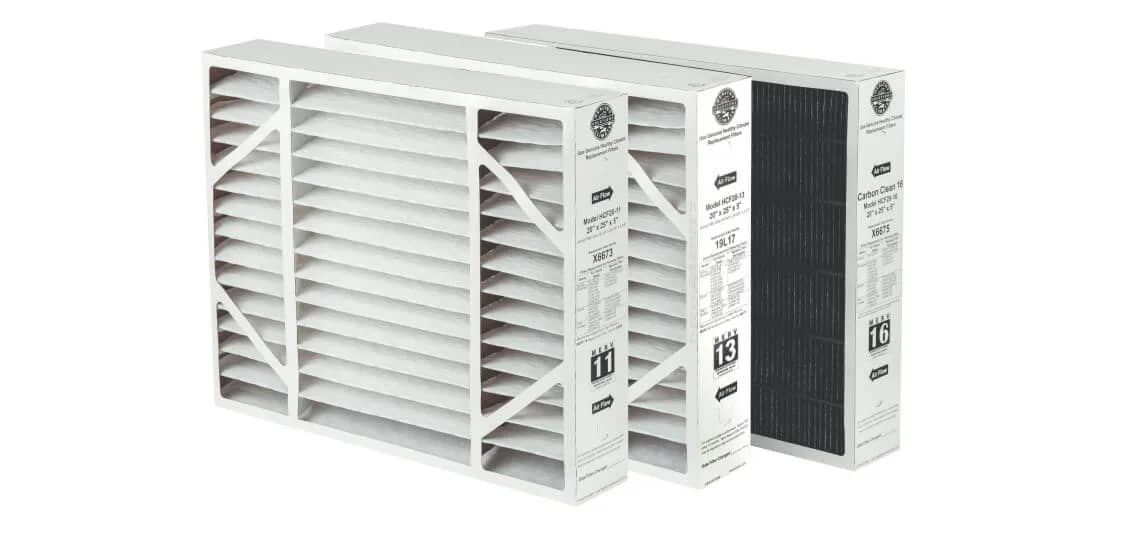
Carbon filtration is the gold standard for odor control in grow rooms. Activated carbon filters adsorb volatile organic compounds responsible for strong plant scents. High-quality carbon filters combined with pre-filters for dust and pollen extend filter life and improve efficiency. Other options like ozone generators exist but can damage plants and pose health risks if misused. HEPA filters remove particulates but do not neutralize odors effectively. For example, a grower using a multi-stage filtration system with carbon and HEPA filters reported near-complete odor elimination, meeting strict local code requirements. Homeowner question: “Are carbon filters expensive?” Initial costs range from $300 to $1,000 depending on size, but they offer long-term odor control and protect HVAC equipment. Maintenance advice: Replace carbon filters annually or when airflow drops significantly.What data to log each minute
Effective grow room management relies on continuous data logging. Key parameters include temperature, relative humidity, VPD, CO₂ concentration, and airflow rates. Logging data every minute allows early detection of deviations and rapid corrective action. For instance, sudden spikes in humidity or CO₂ can indicate equipment failure or safety hazards. Trend analysis helps optimize climate settings and energy use. Modern integrated controllers automate data collection and provide alerts. This reduces manual checks and improves consistency. Example: A facility that implemented minute-by-minute logging reduced mold outbreaks by 40% through proactive adjustments. Maintenance tip: Backup logged data weekly and verify sensor calibration quarterly.When to pause and call for safety
Safety is paramount. Pause operations and call for professional help if CO₂ levels exceed safe limits, if HVAC systems fail to maintain temperature or humidity within target ranges, or if odor control systems malfunction. Signs like persistent condensation, mold growth, or unexplained plant stress also warrant immediate attention. DIY fixes can worsen problems or void warranties. Licensed HVAC technicians have the tools and expertise to diagnose and repair complex grow room systems safely. Homeowner advice: Don’t ignore warning alarms or unusual smells-these are signals to act promptly. Maintenance takeaway: Establish emergency protocols and train staff to recognize warning signs.
System options and components
Integrated HVACD cooling dehum reheat
Integrated HVACD systems combine cooling, dehumidification, and reheating in one unit. This allows precise control of temperature and humidity independently. For example, during flowering, the system can remove moisture without overcooling by reheating air to maintain target VPD. This “Good/Better/Best” approach suits various budgets. Basic integrated units fit small grows; advanced models with variable speed compressors and smart controls serve commercial operations. Energy efficiency is a strong point, as these systems avoid cycling inefficiencies. However, upfront costs can be higher than separate units. Carbon Active highlights how integrated systems optimize energy use and plant health. Maintenance tip: Schedule annual professional inspections to maintain system efficiency and warranty compliance.VRF with dedicated dehumidification
Variable Refrigerant Flow (VRF) systems offer flexible cooling and heating by modulating refrigerant flow to multiple zones. When paired with dedicated dehumidifiers, they provide excellent climate control for large, multi-room grows. VRF systems excel in energy efficiency and zoning but require expert design and installation. The “Better” option for growers with complex layouts, VRF allows precise environmental tailoring. Dedicated dehumidifiers handle latent loads separately, preventing overcooling. This combination extends equipment life and improves plant outcomes. Homeowner note: VRF systems are not DIY-friendly; licensed HVAC professionals must handle installation and maintenance. Maintenance advice: Monitor refrigerant charge and dehumidifier condensate drains regularly.Dedicated outdoor air systems
Dedicated Outdoor Air Systems (DOAS) bring in fresh air with controlled temperature and humidity, reducing indoor contaminant buildup and improving CO₂ levels naturally. They complement HVAC by handling ventilation loads separately. DOAS is a “Best” practice in commercial grows focused on energy savings and air quality. By preconditioning outdoor air, these systems reduce the burden on cooling and dehumidification. However, they add complexity and cost, suitable for large-scale or high-tech operations. Example: A facility using DOAS reduced HVAC energy consumption by 15% while improving odor control. Maintenance tip: Clean outdoor air intakes and filters quarterly to prevent contamination.Carbon filtration and exhaust
Effective odor control relies on carbon filtration paired with properly sized exhaust fans. Exhaust rates must match the grow room’s volume and odor load to prevent leaks. Filters should be placed downstream of fans to maximize contact time. Carbon filters vary in size and capacity; selecting one based on airflow and odor concentration is critical. Oversizing wastes energy; undersizing fails to control odor. Regular filter replacement and fan maintenance preserve performance and comply with local codes. Homeowner question: “Can I use DIY filters?” DIY options may reduce odor but rarely match commercial-grade carbon filters’ effectiveness and can void warranties. Maintenance reminder: Replace pre-filters every 3-6 months and carbon filters annually.Sensors for temp RH VPD and CO2
Accurate sensors are the backbone of climate control. Temperature, relative humidity, VPD, and CO₂ sensors provide real-time data for automated systems. High-quality sensors reduce false alarms and improve control precision. VPD sensors calculate moisture deficit by combining temperature and humidity data, guiding HVAC adjustments. CO₂ sensors monitor enrichment and safety thresholds. Regular calibration and placement away from direct airflow or heat sources prevent skewed readings. Homeowner advice: Invest in sensors with digital outputs compatible with your control system for seamless integration. Maintenance tip: Calibrate sensors every 3-6 months and replace if readings drift.Design and sizing inputs
Room by room sensible and latent loads
Accurate load calculations start with assessing each room’s sensible (temperature) and latent (moisture) loads. Factors include lighting heat output, plant transpiration, irrigation evaporation, and external infiltration. For help estimating capacity, see our guide on how to size HVAC for a grow room, which breaks down load calculations by lighting type, canopy density, and equipment heat. For example, a flowering room with dense canopy and overhead irrigation has high latent load, requiring robust dehumidification. A vegetative room with fewer plants and lower lighting has lower loads. Ignoring room-specific loads leads to inefficient HVAC sizing and poor climate control. Maintenance takeaway: Update load calculations after layout or equipment changes to maintain system performance.Canopy density irrigation and lighting
Canopy density directly affects transpiration rates and humidity. Denser canopies release more moisture, increasing latent load. Irrigation methods also impact humidity; overhead misting adds moisture to the air, while drip irrigation minimizes it. Lighting type influences heat and moisture generation. High-pressure sodium (HPS) lights produce more heat and increase latent load indirectly by raising temperature and evaporation rates. Growers must consider these factors when selecting HVAC equipment and setting controls. Example: Switching from overhead irrigation to drip reduced humidity spikes and HVAC load in one facility.LED vs HPS heat and moisture shifts
LED lighting produces less heat than HPS, reducing sensible heat load. This can lower cooling requirements but may increase the need for dehumidification since less heat means less moisture evaporation. HPS lights generate more heat, increasing both sensible and latent loads. HVAC systems must accommodate these shifts to maintain stable VPD. Growers upgrading to LEDs should recalibrate HVAC settings to avoid overcooling and humidity issues. Homeowner tip: Consult HVAC professionals when changing lighting to adjust climate control accordingly.Infiltration and envelope effects
Air leakage through doors, windows, and building envelope affects humidity and temperature control. Poor sealing allows unconditioned air to enter, increasing HVAC load and risking mold. Sealing and insulation improvements reduce infiltration, stabilize climate, and save energy. Pressure balancing and vestibules further mitigate infiltration. Maintenance advice: Inspect seals and weatherstripping regularly, especially around high-traffic access points.Duct and diffuser layout for even canopy
Even airflow distribution is essential to avoid hot or humid spots. Ducts and diffusers should be designed to deliver consistent air velocity and volume across the entire canopy. Adjustable diffusers and variable speed fans help fine-tune airflow. Computational fluid dynamics (CFD) modeling can optimize layouts in large facilities. Example: A grow room retrofit with improved ducting reduced humidity variation by 20%.Redundancy and N plus 1 strategy
Redundancy ensures continuous climate control if equipment fails. The N+1 strategy means having one extra unit beyond capacity needs. For example, if three dehumidifiers are required, install four. This approach prevents crop loss and costly downtime. It’s especially critical in commercial grows with tight climate requirements. Before finalizing your setup, review our HVAC design checklist for indoor grow rooms to confirm nothing’s overlooked—from airflow balance to control system calibration. Homeowner note: Redundancy adds upfront cost but protects long-term investment.Condensate routing and treatment
Condensate from cooling and dehumidification must be properly routed to prevent water damage and microbial growth. Drain lines should slope correctly and be accessible for cleaning. In some cases, condensate treatment with UV or chemical agents prevents mold and odors. Maintenance tip: Inspect and clean condensate drains monthly to avoid clogs and overflow.Electrical capacity and heat rejection
Grow rooms demand significant electrical power for lighting, HVAC, and controls. Proper electrical capacity planning prevents overloads and downtime. Heat rejection systems-like condensers and cooling towers-must match HVAC loads to maintain efficiency. Oversized electrical panels and dedicated circuits improve reliability and safety. Heat rejection equipment should be placed to avoid recirculating warm air into the grow room. Homeowner advice: Engage licensed electricians for upgrades to ensure code compliance and safety.Ready for Optimal Grow Room Performance?
You may qualify for available rebates and promotions that reduce your upfront cost.
Share This Page
Need HVAC Service in Las Vegas?
The Cooling Company provides expert HVAC service throughout Las Vegas, Henderson, and North Las Vegas. Our licensed technicians deliver honest assessments, upfront pricing, and reliable results.
Call (702) 567-0707 or visit AC repair, maintenance, heating, or installation for details.