

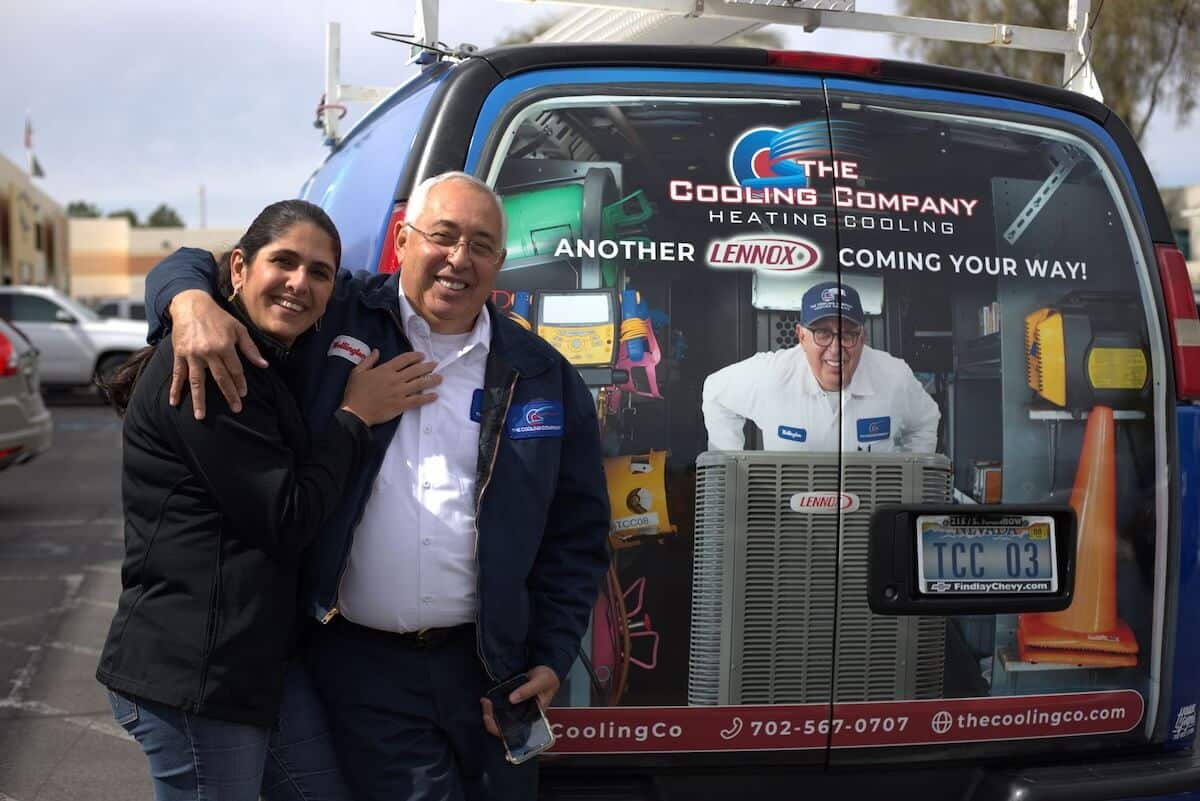
Short answer: What’s the best way to keep my home warm in the winter? How can I keep my energy bills low without sacrificing comfort? How do I know when it’s time for a new unit?
What Is a Heat Pump?
A heat pump, much like an air conditioner, is a versatile unit belonging to the broader HVAC system. Its effective heat transfer capability from one location to another, utilizing electricity as its power source, accentuates its value in both residential and commercial applications - similar to that of furnaces. Its dual functionality for both heating and cooling purposes makes it a preferred choice amid a variety of products deployed during construction projects in both residential and commercial environments. Its design seamlessly fits into any kinds of walls, be it concrete or otherwise, making it one of the go-to choices for HVAC solutions in new constructions or refurbishment projects. Moreover, its proper installation and usage ensure required safety standards. Like any sophisticated system, heat pumps and air conditioners – especially those with advanced features – can run into issues that hinder their performance due to space, influencing the equipment size or their durability. If your unit finds itself up against the wall of underperformance, notably during the hard years of its lifespan, it’s essential to promptly address these heat pump issues taking into account the unique requirements of your specific site, while also considering safety implications. One of the primary issues that heat pumps and air conditioners—the heart of the room's climate control, just as furnaces are in other contexts—may face is refrigerant leaks. Apart from affecting performance, leaks could also pose safety risks. A leak can drastically lower refrigerant levels, inhibiting the unit's ability to transfer heat effectively and leading to subpar cooling or heating performance that registers as decreased comfort. This could be the reason your living room feels cooler or warmer than it should due to the size and content of refrigerant within the system. Another issue could stem from a faulty compressor. This part, much like a central ingredient in any machine, is responsible for compressing and expanding gases to alter their temperature during the heat transfer process and has a significant impact on the lifespan of the system. Maintenance is essentially the safety net for the prolonged life and safe operation of your HVAC system. It's vital to ensure the health—functional and operational—of your heat pump or air conditioner, much like regular checkups are crucial for extending the lifespan of furnaces and their equipment. Regular inspections by a qualified technician can identify potential problems early and prevent hefty repair bills. Timely attention to these issues before they fuse into bigger problems is paramount. Safety should be a key consideration during these checks. A curated toolbox of troubleshooting steps, like a well-informed heat pump troubleshooting guide, is essential to ensure your family's consistent comfort, as well as energy-efficient heating and cooling, throughout the year. Are you in a quandary about whether your heat pump or air conditioner, just like furnaces, needs repair work or an outright replacement due to space requirements or the durability and lifespan of equipment and parts? Remember, aspects of safety should also be an important consideration in making this decision. Feel like you're caught in a labyrinth of decision-making room? The technology, types, and features behind these products can take many form, making them quite complex. However, there are a lot of signs and troubleshooting tips you can keep an eye out for to guide you in the right direction. Recognizing the cause of these signs such as a fainting thermostat display or clogged coils can be essential in homes to ensure comfort all year round. Don't worry if you're a couple who isn't experienced in HVAC, or even if you're more accustomed to dealing with a roofer than a technician, this guide will be your manual. An HVAC technician or a skilled contractor, more often known as an HVAC professional, has the experience and the rights to handle intricate parts such as motors, the compressor contactor, and thermostat problems. They are just as qualified enough to handle the technical and complex form of their trade as a roofer understanding the nuances of their trade. They are qualified to determine what needs to be fixed or replaced considering the space, types, size, durability and other requirements of your site to keep your home's temperature comfortable throughout the year. Be it analyzing thermostat settings, checking the level of air flow from your vents or registers, or scrutinizing the air handler components!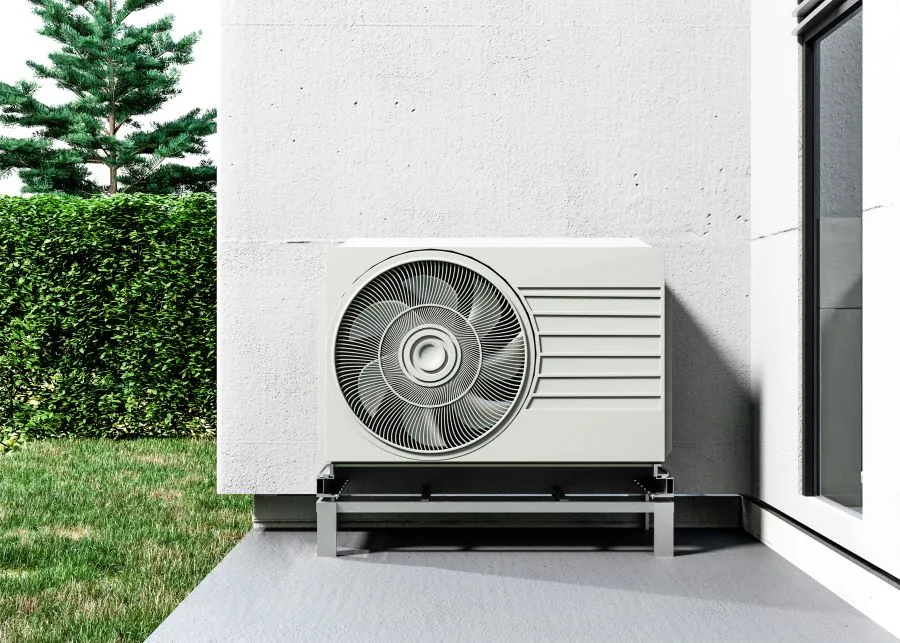
Signs Your Heat Pump Needs to Be Replaced
Here are the actions you can take, in the lot of your house or within your living spaces, to keep your heat pump and air conditioner in their best form: If your heat pump has been running for more than ten years, it likely needs replacement. Some people don’t know how old their heat pump is. The general rule of thumb is if your house is older than ten years old and has a system with a gas-fired furnace or gas water heater, it’s probably time to consider replacing it with a newer model. These systems are generally more expensive to repair than newer models. They often have parts that are no longer made or available on the market.If you live in a house that was built before 2000, it likely has a heat pump. A heat pump is a great way to keep your home warm and comfortable, using less energy than an old-fashioned furnace. However, heat pumps can wear out over time, lose efficiency, or break down completely. If you have signs that your heat pump may need to be replaced soon, it’s important to know what those signs are so you can act fast!Your conditioner is not cooling your home adequately (or at all).- Your system makes loud noises when running.Your system is constantly running.
- You don’t see any change in the temperature inside your home when it’s running.
- It’s not easy to control the temperature with precision (you can’t get it warm enough or cool enough)
- There are leaks around where your unit sits outside.
- It takes longer than usual to heat up or cool down the house.Your entire unit is blowing cold air.
What Do Some of These Signs Mean?
If your heat pump is on and you can hear the fan running, but no air is blowing out. This may be a sign that there is a blockage in the ductwork or an issue with the blower motor. You may need to call a professional HVAC technician to have this problem diagnosed and repaired. If your heat pump has been running for several days and not producing enough hot air, this could mean that the control board or compressor needs to be replaced or repaired by an HVAC technician. If your home feels too warm when it should feel cool and vice versa, this could mean an issue with your thermostat or wiring system. Whether to repair or replace an old appliance like a heat pump requires weighing several factors, much like deciding whether to patch up a leak or call in a roofer for a full replacement. This holds true for any item in the home, from your HVAC system right down to the shingles on your roof, driveways, and even the building structure itself. The right materials and sound installation, as key as the professional form of work of a skilled roofer, matters greatly. However, if you’re contemplating purchasing a new heat pump, considering roof replacement with a suitable roofing contractor, or revamping your driveway with stronger panels, diagnosing the issue and repairing the old one could save you money and ensure prolonged comfort in your home. A well-kept building harbours many advantages including health benefits and structural integrity. It's important to consult an HVAC or roofing professional who can efficiently troubleshoot and repair the electrical circuit or other parts of the heat pump, or even offer advice on the best roofing materials. Selecting professionals for this task should be done likewise as deciding upon a roofing contractor, based on experienced roofers and their reviews. This practice maximizes value and safeguards you from making uninformed decisions.
What Can You Do to Keep Your Heat Pump in Good Working Order?
Heat pumps are a great way to keep appropriate temperatures in your home in the winter and summer, but they can break down over time due to factors like overused coils or moisture seeping in. The correct form of maintenance can mitigate such issues. When this transpires, much like leakage issues on roofs or gutters that require a roofing contractor, or problems with the building's driveways, it's essential to diagnose and troubleshoot the problem, which could be anything from an unusual noise due to a broken circuit breaker to a blocked filter. Getting price quotes for repair parts from a roofing contractor or HVAC professional, delivery, or application services, and reading reviews should be part of your process to choose the right professionals for the job. Change the filters regularly. This will help keep dust and other allergens out of the unit and prevent it from needing service prematurely. Keep the fins on the outside of your unit clean of leaves and other debris that can clog them up and impair their performance. If you live in a very cold climate, consider adding a layer of foam insulation around your unit to help it retain heat more efficiently. Your heat pump, gutters, or even your home's roofing system that might need a roofing contractor, or driveways, the best thing you can do is contact The Cooling Company. Our team can troubleshoot your system, identify whether the problem is with the condenser, evaporator, abnormal flow of refrigerant charge, circuit breaker, or any other part. Our roofing contractors can offer solutions for leaking roofs, gutters, and determine the best course of action. Our HVAC professional will also inspect the thermostat and address any thermostat problems that are spoiling the comfort level of your home. By preserving the health of the entire building in this way, we offer a holistic approach to house maintenance.Repair Vs. Replace
Our job is to ensure your heat pump, gutters, and even the buildings it serves, operate efficiently and effectively. As homeowners, we understand that you want to save money on your utility bills and any roof or gutter replacement costs through a competent roofing contractor. If you need assistance with your system for troubleshooting thermostat problems from the bathroom to the attic, or would like a quote for repairs, replacements, or even a new warranty, give us a call. Our certified roofing contractor can offer a host of roofing services and even advise on the installation of energy-efficient roofs or gutters to further save on costs, giving your home a fresh look. If you've been experiencing problems with your heat pump, gutters, or require the services of a roofing contractor for roofing issues - whether it's due to frost formation, a noisy operation, or irregular cooling mode, it's time to contact us. Similarly, if your roofs or gutters need maintenance or replacement executed by a proficient roofing contractor, our well-reviewed team of roofers is at the ready for roof replacement or any other issues clients might have. If you've been experiencing problems with your heat pump, gutters, or require roofing services - whether it's due to frost formation, a noisy operation, or irregular cooling mode, it's time to contact us. Similarly, if your roofs or gutters need maintenance or replacement, our well-reviewed team of roofers is at the ready for roof replacement or any other issues clients might have. Our experts can diagnose, troubleshoot, and rectify any malfunction, whether it's a faulty condenser, evaporator coil, discovered after checking the manual, circuit breaker, or blocked filter in the bathroom, and get you back to enjoying the desired temperatures in your comfortable home. This includes handling issues with the fan motor, thermostat setting, or even the outdoor unit, especially when in defrost mode. We also extend our expertise to roofing concerns, be it material selection, price estimation or providing extensive roofing services to our clients. Your home is consistently too hot or cold Your energy bills are higher than normal Your unit won’t work when it’s supposed to.When You Need Professional Help, Who Do You Call?
The scope of our services extends not just to the floor of your heat pump system's problems but also to the roof, where vents allow hot or cool air to flow. Trust us to find every possible solution to make your home a more comfortable, and good-looking, place to live in. At our blog, we offer a wide range of services, including professional heat pump repair diagnosis, troubleshooting, and the rectification of malfunctions, along with expert roofing services. We also provide assistance with warranty claims, ensuring that you get the most out of your product use. Our aim is to protect your property, including its buildings and roof, and keep your system working efficiently across all areas. If you're reading this, we can only assume that your home's temperatures are being disrupted, and that you have come to a point where replacing your heat pump or roof has become a number one consideration. However, everything on your basis list, from gathering relevant information to weigh your options, to the intervention of diagnosis and repair process, can bring substantial benefits. We have been in business since 2011We have serviced thousands of customers in the area Our technicians are all licensed, insured, and certified by the EPA The truth is, there are pros and cons to both options. However, one thing is certain - the longer you wait to troubleshoot and fix your heat pump problems, or deal with your roofing services needs, the more costly damage it will incur, and the more cases of malfunctions you will encounter. We value the trust our clients put in us, and we're committed to getting the job done right. The truth is, there are pros and cons to both options. However, one thing is certain - the longer you wait to troubleshoot and fix your heat pump problems, the more costly damage it will incur, and the more cases of malfunctions you will encounter. So, the burning question arises: What should you do when your heat pump is not working and seems to be creating a discordant symphony of unusual noises? The solution lies in three simple steps - Diagnose. Troubleshoot. Understand the refrigerant charge and flow issues if any. This is a recurring theme that we aim to simplify and consistently address in our blog posts.Share This Page
Related service: Considering a heat pump for your Las Vegas home? Explore our heat pump installation and heating services services for Las Vegas homeowners.
Need HVAC Service in Las Vegas?
The Cooling Company provides expert HVAC service throughout Las Vegas, Henderson, and North Las Vegas. Our licensed technicians deliver honest assessments, upfront pricing, and reliable results.
Call (702) 567-0707 or visit heating, heat pump installation, heating maintenance, or installation for details.