

Short answer: Check your thermostat setting, circuit breaker, and air filter first — these three fixes solve most heater problems in under ten minutes. If you smell gas or hear a CO alarm, evacuate immediately and call 911. When basic checks don't restore heat, call a licensed HVAC technician at (702) 567-0707 for same-day diagnosis.
Start with easy checks: thermostat mode and batteries, power and breakers, filter, open vents, and the condensate drain. Smell gas or hear a CO alarm? Evacuate and call emergency services. If basic steps fail, note error codes and call a licensed HVAC tech for safe diagnosis and repair. (Source: ASHRAE Technical Resources)
Key Takeaways
- Check thermostat, power, filters, vents, and condensate drain first.
- Evacuate if you smell gas or a CO alarm sounds.
- Expect a diagnostic fee; minor repairs are usually affordable.
- Call a licensed HVAC tech for complex or unsafe issues.
Quick checks to try first?
When the heater stops heating, start with checks a homeowner can do safely. Look at thermostat mode and setpoint, test batteries, check the furnace power switch, and inspect the breaker. A few minutes of checks often bring the system back to life.
Be safe before you dig in. Turn power off at the switch or breaker when opening panels. If you smell gas, avoid power switches and open flames. Step back and call a licensed technician when you see signs of combustion or gas leaks.
Is the thermostat set to heat?
A thermostat set to COOL or OFF will not call for heat. Set the mode to HEAT and raise the target temperature five degrees. Smart thermostats can have schedule overrides, so check schedules or hold settings before assuming a failure.
Are thermostat batteries dead?
A blank or unresponsive thermostat often means dead batteries. Replace batteries every one to two years or when a low-battery icon appears. If problems persist after new batteries, check the wiring at the thermostat base with power off.
Is power reaching the furnace?
A furnace needs power from a local switch or the breaker panel to run. Look for a switch labeled FURNACE near the unit and confirm it is ON. If the unit shows no lights, check the main breaker and any fuses feeding the furnace.
Have you checked the circuit breaker?
A tripped breaker is a common reason for sudden no-heat faults. Reset a tripped breaker by switching it fully OFF, then ON. If the breaker trips again, do not keep resetting. Repeated trips suggest an electrical fault that needs a technician. (Source: ASHRAE Technical Resources)
Is the pilot light or ignition working?
Older furnaces use a standing pilot light while newer units use electronic igniters. Watch the ignition sequence through the furnace access if safe to do so. If the igniter clicks but no flame appears, ignition parts or gas valves may be at fault.
Are air filters clogged?
A dirty filter reduces airflow and may make the furnace overheat and shut down. Check the filter monthly in heavy use and replace disposable filters. Reusable filters need cleaning per the maker’s guidance to restore proper airflow.
Are vents and registers open?
Closed or blocked supply registers stop warm air from reaching rooms. Walk the house and open all supply vents. Check return vents too. Blocked returns can starve the system for air and cause short cycles or shutdowns.
Is the condensate drain clear?
High-efficiency furnaces make condensate that drains away. A clogged condensate line can trip a float switch and lock the furnace out. If the trap is accessible, flush with water or use a wet/dry vacuum to clear a visible clog.
Basic DIY fixes: what can you do?
Many common heating problems are simple and safe for homeowners. Replacing filters, swapping thermostat batteries, resetting breakers, and clearing vents are DIY tasks that fix many issues. Keep basic tools and replacement parts on hand for quick fixes.
Know your limits with gas and electrical work. Turn power off before touching wiring. For gas valves, burners, and internal electrical components, call a trained HVAC tech. Unsafe DIY work can cause gas leaks, fires, or carbon monoxide hazards.
Can you replace a dirty filter?
Yes. Replacing a disposable filter is a safe, low-cost fix. Turn the system off, slide out the old filter. Install the new one with the airflow arrow pointing toward the furnace. Mark the install date to track replacement intervals.
Should you reset the system?
A reset may clear temporary electronic lockouts. Switch the furnace power off for 30 seconds at the switch or breaker, then back on. Do not reset repeatedly if the unit locks out again; that often hides an underlying fault.
Can you bleed a radiator?
On hot-water radiator systems, trapped air can stop radiators from heating. Use a radiator key and bleed valve to release air until water appears. Check boiler pressure after bleeding and top up per the owner manual if needed.
Is thermostat recalibration simple?
Some thermostats allow a simple offset setting for calibration. Smart thermostats often include a temperature offset in the app. If the thermostat reads far from room temp, consider replacing it with a compatible digital or smart model for better control.
Are air registers blocked by furniture?
Furniture and rugs commonly block floor registers. Move couches and rugs away to let warm air flow. If rooms stay cold after unblocking vents, a tech can check duct balance and add solutions like booster fans or register adjustments.
When is this a safety risk?
Some heater problems are immediate hazards and need urgent action. Smell of gas, yellow flames, heavy soot, or active CO alarms are all signs to evacuate and notify emergency services. Do not run the appliance or enter the house until officials say it is safe. [Point 1] (Source: ASHRAE Technical Resources)
Other risks include loud banging noises, strong soot buildup, or persistent lockouts. These can indicate cracked heat exchangers or combustion problems. Avoid running the furnace and call a licensed HVAC technician right away when you see these signs.
What if you smell gas?
Smell of gas calls for immediate evacuation. Leave the house and avoid using phones or light switches indoors. From a safe distance call your gas utility or 911. A utility crew or a licensed pro will shut off gas and test piping for leaks.
When should you evacuate and call 911?
Evacuate if a CO alarm sounds or you smell gas. Move everyone, including pets, to fresh air and call emergency services. If anyone feels sick, get medical help. Do not return until authorities confirm the home is safe.
Can carbon monoxide cause no heat?
CO itself does not stop heat, but a cracked heat exchanger that leaks CO can trigger safety lockouts. CO exposure is a medical emergency. If you suspect CO, evacuate and call emergency services and an HVAC tech for inspection.
Is the flame color normal?
A proper gas flame is steady and mostly blue. Yellow or sooting flames show incomplete combustion and can produce CO. If you see yellow flames, call a technician to inspect burners and combustion air paths rather than running the unit.
Could a cracked heat exchanger be present?
A cracked heat exchanger is a severe safety issue. Signs include soot, rust, or CO alarms. Age and lack of maintenance raise the risk. If a technician confirms a crack, replacement is often the safest long-term solution.
Is there a carbon monoxide alarm installed?
Every home with combustion appliances should have CO alarms on each floor and near sleeping areas. Test alarms monthly and replace batteries as needed. A working CO alarm is the best defense against invisible CO gas.
When is DIY dangerous?
DIY is dangerous when you work on gas lines, burners, heat exchangers, or internal electrical parts. These tasks require training and specialty tools. If you are unsure, stop and call a licensed HVAC technician to avoid dangerous mistakes.
Costs and when to call a pro?
Some repairs are small and affordable, while others can be costly or need a replacement. Knowing likely costs helps you decide when to call a technician. Safety issues always warrant an immediate professional visit.
Check our heating repair cost guide for current cost estimates.
Call a pro for gas smells, CO alarms, repeated lockouts, or when basic checks don’t restore heat. For non-urgent repairs, a technician can often complete fixes the next day. Ask about diagnostic fees and warranties when booking.
What does a diagnostic visit cost?
Diagnostic fees vary by region and company. Typical fees often range from $75 to $200. Some companies waive the fee if you authorize repairs. Ask about this when booking to avoid surprises on the invoice.
How much for common repairs?
Common repair ranges: thermostat batteries around $20, filter replacement $10–$40, ignition parts $150–$350 installed, blower capacitors $60–$150, and blower motors $300–$900 installed. Costs vary with part brand and local labor rates. [Point 2] (Source: ASHRAE Technical Resources)
When does replacement make sense?
Replacement often makes sense when the furnace is old, repair costs exceed half the value of a new unit, or repairs are frequent. Units over 12-15 years commonly reach the threshold for replacement. Efficiency gains from new equipment can cut fuel bills. Our heater blowing cold air guide walks through how to diagnose whether your furnace issue is repairable or signals a deeper problem.
Troubleshooting by system type?
Different heating systems show different failures. Gas furnaces usually have ignition and flame sensing issues. Boilers can suffer from low pressure and trapped air. Heat pumps need refrigerant and defrost checks. Electric furnaces fail from blown elements or blower faults.
Identify the system type before troubleshooting. This helps narrow likely causes and guides safe checks. When calling a technician, note your system type, age, and any error codes to speed diagnosis and repairs. For step-by-step troubleshooting, see our heater not turning on guide.
What if you have a gas furnace?
Gas furnaces commonly fail due to dirty flame sensors, failed igniters, or faulty pressure switches. Technicians watch the ignition sequence and test safety switches. Regular cleaning and tune-ups reduce the chance of mid-season failures.
How do boilers lose heat?
Boilers lose heat from low water pressure, trapped air, or a failed circulator pump. Check the pressure gauge and bleed radiators to release air locks. If banging noises or pressure swings continue, call a heating contractor to inspect.
Why might a heat pump stop heating?
Heat pumps rely on the outdoor unit and refrigerant circuit. No heat can mean compressor or reversing valve issues, or a failing defrost cycle in cold weather. If the outdoor unit is iced, allow it to defrost and call a tech if the problem repeats.
Can an electric furnace fail differently?
Electric furnaces use heating elements and contactors instead of combustion. Common failures include blown elements and failed contactors. These systems have no CO risk but pose electrical hazards. Turn off power at the breaker before any inspection.
Why is the blower motor noisy?
Squeals, rattles, or grinding often mean worn bearings or a failing motor. Debris in the blower wheel or loose mounting can also cause noise. Addressing noise early often avoids a full motor replacement.
Are thermostat settings compatible with your system?
Not all thermostats work for every system. Heat pumps need thermostats that control a reversing valve. Many smart stats need a C-wire to power them. Wrong thermostat wiring can prevent a proper heat call to the system.
How old is your heating unit?
Age affects reliability. Units over 12–15 years often need more repairs and may lose efficiency. Parts for older models can be harder to find. Keep service records to decide when repair costs justify replacement.
What parts commonly fail with age?
Heat exchangers, control boards, ignition modules, blowers, and motors are common age-related failures. Capacitors and relays wear out. Condensate parts can clog on high-efficiency units. Budget for replacement if multiple major parts show wear.
You may qualify for rebates and promotions that reduce your upfront cost.
How to read error codes or LED lights?
Many modern furnaces show blink codes via an LED on the control board. Count blinks and consult the owner manual or the label inside the access panel for the code meaning. Take a photo of codes to share with your technician. [Point 3] (Source: ASHRAE Technical Resources)
Can a clogged condensate line stop heating?
Yes. A clogged condensate line on a high-efficiency furnace can trip a float switch and lock the system out. Clearing the trap and line often restores operation. Call a tech if the trap is inaccessible or the clog returns.
When to check the pilot assembly?
For older units with a standing pilot, confirm the pilot is lit and steady if the furnace will not start. Follow the owner manual when relighting. If the pilot repeatedly goes out, a thermocouple or gas valve may need service.
Are maintenance contracts worth it?
Are maintenance contracts worth it involves several important factors that homeowners should understand. Working with a qualified HVAC professional ensures you get accurate information tailored to your specific situation and local requirements.
Maintenance contracts provide scheduled tune-ups and priority service. They often include filter checks, combustion testing, and safety inspections. For many homeowners, contracts reduce emergency breakdowns and extend system life.
What seasonal prep helps prevent failures?
Schedule a heating tune-up every fall before heavy use. Replace filters regularly and keep outdoor units free of debris. Test CO detectors and make sure vents and flues are clear. These steps catch wear early and avoid mid-winter breakdowns.
Local essentials and Las Vegas challenges
Heater failures in Las Vegas often appear after long periods of minimal heating use, especially in milder winters. Dust buildup from dry desert air, occasional power surges, and attic duct losses can trigger safety lockouts when the system finally runs hard. Older homes near Downtown Las Vegas or East Las Vegas may also have aging thermostats or ductwork that make no-heat issues more common.
Cost drivers for heater-not-working repairs
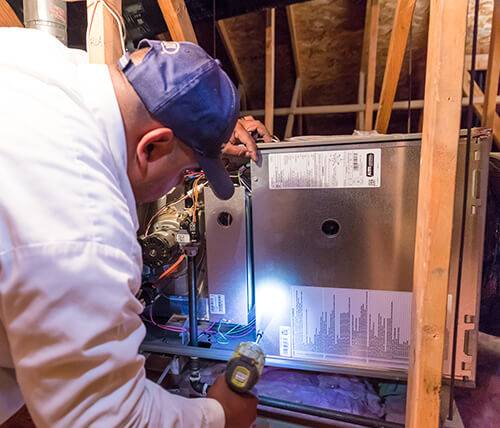
- Diagnostic time to interpret fault codes and test safeties.
- Igniters, flame sensors, or pressure switch replacements.
- Blower motors, capacitors, or control board repairs.
- Gas valve work or combustion tuning on older furnaces.
- Duct repairs if airflow problems are the root cause.
Decision guidance: repair vs replace
Repair usually makes sense when the system is under 10–12 years old and the fix is limited to a single component. Consider replacement if major parts fail repeatedly, if efficiency is very low, or if the system is beyond its expected lifespan. A written estimate with options helps compare short-term fixes against long-term reliability.
Prevention checklist to avoid mid-season outages
- Change filters every 30–90 days based on dust and pet load.
- Keep the furnace access panel fully seated to avoid safety lockouts.
- Test heating mode before the first cold week of the season.
- Schedule annual maintenance for combustion and airflow checks.
Las Vegas neighborhoods we serve
We serve East Las Vegas, Downtown Las Vegas, North Las Vegas, Henderson, Green Valley, Whitney Ranch, and Summerlin.
Trust and guarantees
- Serving Las Vegas since 2011
- 55+ years combined experience
- Licensed, EPA-certified technicians
- 100% satisfaction guarantee
- BBB A+ rated
- Lennox Premier Dealer
Service area map
Ready to book service?
When you are ready to schedule, gather make, model, and age of the unit. Note error codes, sounds, smells, and DIY steps already tried. Clear details help the technician bring the right parts and fix the problem faster.
Provide clear access to the furnace and keep pets away during the visit. Ask for an itemized estimate and a written explanation of the repairs. Confirm warranties on parts and labor before work begins to avoid later surprises.
Call to action - The Cooling Company, Las Vegas area service
If you are in Las Vegas, Henderson, or North Las Vegas, call The Cooling Company at (702) 567-0707 for fast, licensed heating service. We send NATE-trained techs who can diagnose, repair, and handle safety issues. Ask about same-day diagnostics, emergency response, and service plans for winter readiness.
If you are outside our area, look for NATE-certified technicians at natex.org to find a trained pro near you. We serve the Las Vegas region and can advise remote readers about triage steps and what to tell a local technician when they arrive.
How to prepare for a technician's visit?
Write down model and serial numbers from the unit if possible and note any error codes. Clear the path to the furnace and remove obstacles. Be ready to describe sounds, smells, and the checks you already did to help the tech work efficiently.
What should you expect in cost and timeline?
Expect a diagnostic fee and an upfront estimate for parts and labor. Minor repairs are often completed same day, taking one to three hours. Major replacements may need parts or permits and take longer. Ask for written estimates and warranties.
Key Takeaways
Start with safe, simple checks like thermostat settings, power, and the filter to restore heat quickly. Watch for safety signs such as gas smells or CO alarms and evacuate if they occur. Regular maintenance prevents most mid-winter failures and keeps your system running efficiently.
When in doubt, stop and call a licensed HVAC technician. Record error codes and take photos to speed diagnosis. In the Las Vegas area, call The Cooling Company at (702) 567-0707 for licensed service in Las Vegas, Henderson, and North Las Vegas. For readers outside our area, find NATE-certified pros at natex.org.
Related reading: what to explore next?
About The Cooling Company
- Phone: (702) 567-0707
References
- U.S. Department of Energy (Energy.gov) (accessed 2025-12-27)
- U.S. Environmental Protection Agency (EPA) (accessed 2025-12-27)
- ASHRAE (Standards and guidance) (accessed 2025-12-27)
- ENERGY STAR (Heating & cooling) (accessed 2025-12-27)
Share This Page
Related service: Dealing with a heating issue? Explore our heating repair and heating services services for Las Vegas homeowners.
Need Heating Service in Las Vegas?
The Cooling Company provides expert heating service throughout Las Vegas, Henderson, and North Las Vegas. Our licensed technicians deliver honest assessments, upfront pricing, and reliable results.
Call (702) 567-0707 or visit heating, heating repair, furnace repair, or installation for details.