

Short answer: Step out of a casino on the Strip and the air can feel surprisingly harsh. That is not imagination. A study of 28 Las Vegas Strip hotels found the worst indoor air quality was 80 times more polluted than the best, showing how dramatically conditions can change from building to building. Inside homes, the same hidden variability shows up as odors from heating and cooling systems. When a heater in Las Vegas suddenly smells bad, that odor can be a harmless annoyance, an early equipment warning, or a genuine emergency. Knowing which is which protects health, comfort, and the system itself.
Understanding Heater Odors
Heater odors are signals. Some simply reflect dust burning off or normal system operation, while others point to electrical problems, gas leaks, or indoor air quality issues. Because air is invisible, it is tempting to ignore faint smells or get used to them over time, yet those early hints often appear before any visible damage or obvious symptoms.Why Furnaces Produce Smells
Every forced-air system pulls in air, passes it across hot components, and pushes it back through ductwork. Along the way, that air carries dust, skin flakes, pet dander, cooking grease, cleaning-product residue, and moisture. When these contaminants settle on a hot heat exchanger, electric strip heater, or even within a gas flame area, they can volatilize and create distinctive odors. Metal expansion, slight oil residues from service work, and aging insulation can also produce short-lived or intermittent smells that are noticeable but not always dangerous.Normal vs Abnormal Odors
Some smells fit predictable patterns. A faint dusty or slightly burnt-paper odor during the first few heating cycles after a long cooling season is typical. That usually reflects dust that collected on heat surfaces over months of non-use. Abnormal odors tend to be stronger, sharper, or new. Rotten egg or sulfur notes, harsh chemical or solvent-like smells, acrid burning plastic, or a musty odor that lingers all signal conditions that deserve attention and often professional inspection.When Smells Become Safety Risks
Odors become a safety concern when they resemble natural gas additives, strong chemicals, overheating plastic, or smoke, or when they appear together with health symptoms. A classic cautionary example comes from an older Las Vegas property: a 1980 Health Hazard Evaluation by NIOSH at the Star Dust Hotel linked sewer-type odors with nausea, headaches, and upper respiratory symptoms in employees. That investigation was not about heaters specifically, but it illustrates how building odors can coincide with real health effects and should not be dismissed when people start feeling unwell.
Smell Triage (Quick Reference)
When an unfamiliar odor appears as the heat runs, a quick mental triage helps decide the next move: keep observing, shut the system down, or call for urgent help. Matching the smell category, intensity, and timing with a few simple rules often narrows the possibilities quickly and helps avoid both panic and complacency.Dusty/Burning Dust
A light dusty or slightly burnt smell that appears when the heater first runs after months of rest is usually burned-off dust on heat exchangers or electric elements. This is a good reminder that scheduling a fall heating tune-up before the first cold night can reduce these odors significantly. It should fade as that thin layer is consumed. If the smell is mild, not smoky, and gradually weaker each time the system runs, this typically falls into the “monitor but not urgent” category. However, if that same odor becomes thick, visibly hazy, or sets off smoke alarms, the situation moves into the safety zone and the system should be shut off and checked.Electrical/Plastic/Metallic
Acrid smells like hot plastic, wiring insulation, or singed rubber suggest overheating electrical components, failing blower motors, or contact with foreign objects. These odors are often sharper and can cause throat irritation quickly. Because electrical faults can escalate into fire hazards, this group deserves rapid shutoff of the system and evaluation by a qualified technician rather than continued “wait and see” operation.Rotten Egg/Sulfur
A rotten egg or sulfur scent is a red-flag odor near any gas-fired heater, water heater, or gas line. Utility suppliers add this smell to otherwise odorless natural gas so leaks are detectable. If that odor is clear and persistent near HVAC equipment, occupants should treat it as an emergency: turn off the system if it can be done safely, avoid operating electrical switches nearby, leave the building, and contact the gas utility or emergency services before re-entering.Musty/Mildew
Musty, damp-basement, or “dirty socks” odors suggest microbial growth somewhere in the air path. A 2024 NOAA study estimated that cooking emissions account for about 21% of human-caused volatile organic compounds in Las Vegas urban air, indicating just how much everyday indoor activity contributes to airborne chemicals that can feed odors and films on coils and ducts. When combined with moisture, these residues support mold and bacteria that release musty smells each time air moves across them.Chemical/Sewage/Animal
Strong chemical odors near supply registers, especially those that smell like solvents, paint thinner, or sewage, may indicate issues beyond the HVAC cabinet. These scents can come from sewer gas entering through dried drain traps, from stored chemicals near return grilles, or from dead pests in ductwork. Because some sewage and chemical fumes can be irritating or toxic at relatively low levels, they justify prompt investigation, improved ventilation, and, if necessary, professional remediation.Normal First-Use Odor
After a long Las Vegas cooling season, many homes turn the heat on only occasionally. That first switch from cooling to heating often produces a smell that feels alarming but falls within normal operation. Distinguishing that expected “burning dust” phase from more worrisome odors prevents unnecessary worry while still keeping safety front and center.What “Burning Dust” Is
During months when the furnace or electric heat has been idle, dust and fine particles settle on metal heat exchangers, burners, electric heating strips, and nearby components. When those parts finally warm up, the accumulated dust heats rapidly and oxidizes, releasing a dry, slightly toasted smell. Because air is invisible and small differences in contamination are hard to sense, it is easy to feel surprised at the intensity; as Raymond Wu of Wynd Technologies noted in discussing air quality, “air is invisible, and the subtleties of air quality between different spaces or buildings can be hard to discern with human senses” in the same hotel air-quality study, and the principle applies at home as well.How Long It Should Last
Under typical conditions, a normal burning-dust odor fades as the accumulated layer is consumed. That means the smell should diminish with each subsequent heating cycle. If filters are reasonably clean and air is flowing well, the odor often drops to barely noticeable levels after a short period of regular use. Continual light odor is not always a problem, but any trend toward stronger or smokier smells suggests the system is either getting dirty rapidly or something more than dust is being heated.When A Normal Smell Isn’t Normal
Several warning signs transform “probably dust” into “have this checked.” If the odor grows stronger over time, develops a sharp electrical or plastic edge, is accompanied by visible haze, or triggers respiratory irritation, the system may be overheating components or pulling in contaminants from outside the equipment. Similarly, if smoke alarms, carbon monoxide alarms, or occupants’ symptoms coincide with that odor, the situation should be treated as abnormal even if the smell started out as ordinary burning dust. The takeaway is simple: normal dust odors fade and stay mild; escalating or changing smells call for a shutdown and inspection.Emergency Odors (Shut It Off Now)
Certain heater smells are not worth experimenting with. When they appear, the safest path is to turn the system off, ventilate the space if possible, move people to fresh air, and involve professionals. Quick action can prevent property damage and reduce the chance of serious health effects.Rotten Egg/Sulfur = Possible Gas Leak
Rotten egg or sulfur odors near a gas furnace or along gas piping should always be assumed to signal a possible gas leak until proven otherwise by the utility or a qualified technician. Because natural gas is highly flammable and can accumulate in enclosed spaces, even a modest leak poses explosion and health risks. If that scent is clear and repeating, occupants should leave the building, avoid using phones or switches inside, and call emergency services or the gas provider from a safe location.Hot Plastic/Electrical/Smoky
A smell like hot plastic, burning rubber, or singed wiring insulation usually points to overheating electrical parts. Examples include blower motors seizing, loose connections arcing, or control boards failing. Sometimes the odor is accompanied by unusual noises such as grinding or humming from the air handler. Because these conditions can progress into actual smoke or fire, the system should be switched off at the thermostat, and, if safe to do so, at the breaker panel, followed by prompt professional service.Strong Chemical Or Metallic
Harsh chemical odors, metallic fumes, or a biting solvent smell can indicate combustion problems, off-gassing from overheated coatings, or contamination drawn into the return air stream. If the smell causes eye or throat irritation quickly, or if it is significantly stronger when the heater runs than when it is off, the condition should be treated as urgent. Opening windows, shutting down the HVAC, and leaving the area until the source is identified are sensible precautions.Odor Plus CO Alarm Or Symptoms
Some of the most serious furnace problems involve carbon monoxide, which is colorless and odorless but often appears alongside other clues. If anyone in the home experiences sudden headaches, dizziness, nausea, or confusion while the heater runs, or if a carbon monoxide alarm sounds in combination with any unusual odor, everyone should move outside or to fresh air immediately and call emergency services. The earlier NIOSH investigation at the Star Dust Hotel linked building odors with headaches and respiratory complaints; while that case focused on sewer gas, it underlines the principle that symptom clusters in a smelly building require respect, not reassurance. If you want a simple breakdown of the warning signs every homeowner should know, our carbon monoxide safety guide explains when furnace leaks and venting problems can lead to unsafe CO conditions and what steps to take next. If your heater also keeps turning on and off in short bursts, our heating short cycling guide shows how that pattern ties into safety devices, airflow problems, and when to bring in a professional.Common Questions or Objections
Homeowners often wonder whether they are overreacting by shutting a system down or calling for help when an odor might be minor. The key is that heating equipment is not supposed to smell strongly during normal operation. If an odor is intense enough to be distracting, resembles gas, burning plastic, or chemicals, or coincides with symptoms or alarms, erring on the side of caution is reasonable, not excessive. On the other hand, for faint, short-lived dusty smells without any other warning signs, monitoring closely while improving filtration and housekeeping is generally sufficient until the next routine maintenance visit.Musty Or “Dirty Socks” Smell
Musty or “dirty socks” odors are especially common in climates like Las Vegas, where homes cool for much of the year and then use heat on cooler nights. Because the same duct system and often the same air handler serve both functions, moisture and biological growth in one mode can show up as a smell in the other.Common IAQ Sources
Musty odors usually come from microbial growth on surfaces that stay damp: evaporator coils, drain pans, sections of ductwork near supply registers, or even carpets and walls close to vents. Cooking and cleaning activities leave organic films on these surfaces, and, as the NOAA research on Las Vegas showed, cooking emissions contribute a substantial share of the volatile organic compounds in the city’s urban air. Those compounds can be nutrients for mold and bacteria when moisture is present, especially in homes with limited filtration.Coil/Drain Pan/Duct Issues
A common pattern involves moisture left in the indoor coil and drain pan after cooling cycles. If the drain is partially clogged or the pan doesn’t empty completely, standing water allows microbial colonies to form. When the blower runs for heating, warmed air passes over these areas and carries the odor throughout the home. In some cases, poorly insulated or leaky ducts in attics or crawlspaces also draw in humid, dusty air that feeds growth inside the duct walls themselves, causing the musty scent to appear strongest at specific registers.Moisture & Filtration Fixes
Addressing musty heater smells usually means tackling both moisture and particles. Keeping condensate drains clear, ensuring the indoor coil is clean, and correcting duct leaks all reduce wet, nutrient-rich spots where microbes thrive. Upgrading air filtration to capture finer particles, combined with regular filter changes, cuts down on the organic load that lands on coils and pans. In very dusty or high-pollution neighborhoods, bringing in more outdoor air with controlled ventilation can also dilute indoor contaminants, especially when outdoor air quality is favorable. If you’re also seeing puddles, damp spots, or rust around the unit, our heating system leaking water guide explains the most common leak sources and what to do next before damage spreads.When To Schedule Duct Cleaning
Not every musty odor requires immediate duct cleaning, but some situations do justify it. For a deeper look at when duct work makes a real difference, see our air duct cleaning guide. If the smell is strongest right at the vents, persists despite coil and drain maintenance, or is accompanied by visible dust puffs or debris when the system starts, an inspection of the duct interior is appropriate. For homeowners, the takeaway is that duct cleaning is most useful when clear signs point to contamination inside the ducts themselves, not simply as a routine add-on.Electrical/Burning Plastic Smell
Among all heater odors, an electrical or burning plastic scent deserves some of the fastest responses. These smells usually originate from hot wiring insulation, overheated motors, or plastic components inside or near the air handler. Because the same invisible air that quietly transports cooking pollutants around Las Vegas homes, as highlighted by the NOAA emissions study, can just as easily carry fumes from overheating components, occupants often notice throat or eye irritation quickly. If that happens, the safest step is to turn the system off, avoid resetting breakers repeatedly, and have a licensed technician locate and correct the underlying fault before operating the heater again.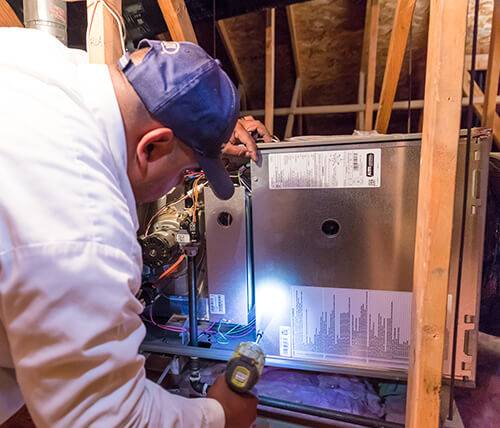
Local essentials and Las Vegas challenges
Las Vegas heating odors show up fast because desert dust, construction activity, and long cooling seasons let contaminants settle on coils and heat exchangers for months. Monsoon humidity spikes can briefly raise indoor moisture, and that combination of dust + moisture often creates musty odors in ducted systems. Homes with attic ductwork in areas like Summerlin or Centennial Hills are especially prone to pulling in fine grit and insulation fibers when seals are weak.
Cost drivers when a heater smells bad
- Basic inspection and safety testing, especially for gas odors or CO risks.
- Filter replacement and coil or blower cleaning if dust or microbial growth is the root cause.
- Electrical repairs for overheated motors, relays, or wiring insulation.
- Duct cleaning or duct sealing if odors trace to the duct system.
- Gas leak testing and combustion tuning if a sulfur or chemical odor is present.
Decision guidance: monitor vs call now
Monitor only mild, short-lived burning-dust odors that fade after a few heat cycles and do not trigger symptoms. Call for same-day service if odors are sharp, chemical, metallic, or electrical, or if the smell grows stronger over time. Evacuate and contact the utility immediately for rotten-egg gas odors or if a CO alarm sounds.
Prevention checklist for odor-free heating
- Replace filters on schedule and use a MERV rating your system can handle.
- Schedule fall maintenance to clean burners, heat exchangers, and the blower.
- Keep return grilles clear of stored items, pet beds, and rugs.
- Seal duct leaks and insulate attic runs to reduce dust and odor pickup.
- Run the fan briefly after cooking to clear indoor VOCs before heating starts.
Las Vegas neighborhoods we serve
We serve homeowners across the Las Vegas Valley, including Summerlin, Spring Valley, Paradise, Silverado Ranch, Centennial Hills, Aliante, and Green Valley.
Trust and guarantees
- Serving Las Vegas since 2011
- 55+ years combined experience
- Licensed, EPA-certified technicians
- 100% satisfaction guarantee
- BBB A+ rated
- Lennox Premier Dealer
Service area map
Resolve Unpleasant Heater Odors with Expert Service
Share This Page
Related service: Need heating help in Las Vegas? Explore our heating services, furnace repair, and indoor air quality services for Las Vegas homeowners.
Need Heating Service in Las Vegas?
The Cooling Company provides expert heating service throughout Las Vegas, Henderson, and North Las Vegas. Our licensed technicians deliver honest assessments, upfront pricing, and reliable results.
Call (702) 567-0707 or visit heating, furnace repair, indoor air quality, or heating maintenance for details.