

Short answer: Heating systems are the backbone of comfort during cold months, yet many homeowners and business operators hesitate maintenance costs. Whether it’s a simple tune-up or a major repair, understanding what influences these expenses can save you from unexpected bills and keep your system running smoothly, so review what maintenance includes. The global HVAC maintenance service market alone was valued at around $78.4 billion in 2023, with steady growth expected through the next decade, signaling how essential these services are worldwide. Zion Market Research highlights this growth, reflecting increased demand and evolving technology in heating and cooling systems. If you need Heating Maintenance in Las Vegas, make sure to contact The Cooling Company.
What Factors Influence Heating Maintenance Costs?
Heating maintenance costs vary widely depending on several key factors, including how often you schedule. The type of heating system you have—whether it’s a furnace, heat pump, boiler, or another setup—is essential. Older systems generally require more frequent repairs and can be less efficient, driving up costs. The size of your property and the complexity of the system also matter; commercial systems, for example, tend to be larger and more intricate, with installation costs ranging from $20,000 to $100,000 depending on size and complexity, according to ZipDo Education Reports. Additionally, the age of your heating system can impact maintenance costs significantly; newer models often come with warranties and advanced technology that can reduce the frequency of repairs. Another factor is the frequency and type of maintenance performed. Older systems generally require more frequent repairs and can be less efficient, driving up costs; watch for signs you need maintenance. Regular inspections and tune-ups can prevent costly breakdowns, but skipping these can lead to expensive repairs down the line. The average annual maintenance cost can range from $150 to over $1,200, depending on system size and usage, as reported by Wifitalents. Location and labor rates also influence pricing, with urban areas typically seeing higher service fees. Furthermore, seasonal demand can affect costs; during peak heating seasons, service providers may charge more due to increased demand for their services, making it essential to schedule maintenance during off-peak times whenever possible.Common Heating Maintenance Tasks and Their Costs
Routine heating maintenance usually includes cleaning or replacing filters, inspecting and cleaning burners, checking thermostats, lubricating moving parts and our pre-winter checklist shows what pros cover. These tasks help maintain efficiency and extend system lifespan. Minor repairs like replacing an air filter can cost as low as $75, while more complex repairs, such as compressor replacements, can reach up to $3,000, according to projections for 2025 by Jobber. In addition to these standard tasks, some maintenance services may offer additional checks, such as carbon monoxide testing and duct cleaning, which can further enhance system safety and efficiency. These costs might seem steep, but regular upkeep often prevents more significant expenses later. These tasks help maintain efficiency and extend system lifespan; learn more in the DOE furnaces guide. For example, neglecting a small issue can lead to system failure, requiring full replacement. Considering the average lifespan of a commercial HVAC system is 15-20 years, investing in maintenance can maximize this period and improve energy efficiency. Moreover, a well-maintained heating system not only operates more efficiently, potentially lowering energy bills, but also contributes to a healthier indoor environment by improving air quality. This is especially important for those with allergies or respiratory issues, as a clean and efficient heating system can significantly reduce airborne pollutants and allergens in your home or business.
Why Investing in High-Efficiency Systems Matters
Upgrading to a high-efficiency heating system can drastically reduce your energy bills and maintenance costs; see the DOE heat pumps overview. High-efficiency models use advanced technology to consume less energy, which translates into savings of up to 30% annually on energy costs, as noted by Wifitalents. This not only benefits your wallet but also reduces your environmental footprint. The reduction in energy consumption means fewer greenhouse gas emissions, contributing to a healthier planet. As more individuals and businesses commit to sustainability, the collective impact can lead to significant improvements in air quality and a reduction in climate change effects. In 2022, about 65% of new commercial HVAC systems installed in the U.S. Were energy-efficient models, indicating a clear industry trend toward sustainability and cost-effectiveness. These systems tend to have longer lifespans and require less frequent repairs, which can offset the higher upfront installation costs over time. Moreover, many high-efficiency systems are designed with smart technology that allows for better monitoring and control, enabling users to optimize their energy usage further. This not only enhances comfort but also provides valuable data that can help in making informed decisions about future energy consumption and system upgrades.Balancing Initial Costs with Long-Term Savings
While the initial investment in a high-efficiency system might be higher-sometimes significantly so-it’s important to weigh this against long-term savings. Additionally, many utility companies and government programs offer rebates or incentives for upgrading to energy-efficient systems, which can help mitigate upfront costs; for task selection, see DIY vs professional. For commercial properties, installation costs can vary widely, but the energy savings and reduced maintenance needs often justify the expense. Additionally, many utility companies and government programs offer rebates or incentives for upgrading to energy-efficient systems, which can help mitigate upfront costs. These financial incentives can significantly enhance the return on investment, making high-efficiency systems not just an environmentally conscious choice but also a financially savvy one. Furthermore, investing in high-efficiency systems can also improve the overall comfort of your space. These systems often provide more consistent heating and cooling, reducing hot and cold spots that can occur with less efficient models. Enhanced comfort can lead to increased productivity in commercial settings, as employees are less likely to be distracted by uncomfortable temperatures. In residential settings, a more comfortable home environment can enhance the quality of life for families, making it a worthwhile consideration for homeowners looking to improve their living conditions while also being mindful of their energy consumption.Understanding Maintenance Contracts and Their Value
Many HVAC service providers offer maintenance contracts that cover regular inspections, tune-ups, and priority repairs; compare with our maintenance membership. These contracts typically cost between $150 and $1,200 annually, depending on system size and service scope. For businesses and homeowners alike, these agreements can provide peace of mind and predictable expenses. Maintenance contracts often include benefits like discounted repair rates and emergency service, which can be invaluable during peak heating seasons. Given that the U.S. HVAC repair and maintenance industry generates about $80 billion annually, as reported by ZipDo Education Reports, it’s clear that many customers find ongoing service agreements worthwhile. Additionally, these contracts can help in maintaining energy efficiency, as regular servicing ensures that systems are running optimally, which can lead to lower utility bills over time. This not only contributes to cost savings but also supports environmental sustainability by reducing energy consumption.When to Consider a Maintenance Contract
If your heating system is older or you’ve experienced frequent breakdowns, a maintenance contract can be a smart investment. It ensures your system receives regular attention, potentially extending its lifespan and improving reliability. For commercial clients, contracts help manage budgets and reduce downtime, which can be costly. Furthermore, many contracts offer seasonal check-ups that prepare your system for the demands of summer cooling or winter heating, ensuring that you are not caught off-guard by unexpected failures during extreme weather conditions. This proactive approach can significantly enhance comfort levels within your home or business, making it essential for environments that rely heavily on climate control. Moreover, maintenance contracts often include comprehensive checks that go beyond just the HVAC unit itself. Technicians may inspect ductwork for leaks, assess thermostat accuracy, and clean or replace filters, which can all contribute to improved indoor air quality. This is especially important for individuals with allergies or respiratory conditions, as a well-maintained system can help minimize dust, pollen, and other allergens circulating in the air. By investing in a maintenance contract, you not only protect your HVAC system but also create a healthier living or working environment for everyone involved.Signs That Heating Maintenance or Replacement Is Needed
Knowing when to schedule maintenance or consider replacing your heating system is crucial. Ignoring these signs can lead to emergency repairs that are often more expensive and inconvenient; review NFPA heating safety. Common signs include uneven heating, rising energy bills, strange noises, and frequent repairs. If your system is approaching or exceeding its typical lifespan of 15-20 years, replacement might be more cost-effective than ongoing repairs. Additionally, if you notice that certain rooms are consistently colder or hotter than others, it could indicate that your heating system is struggling to distribute air effectively, which is a clear sign that maintenance is overdue or that a replacement is necessary. Ignoring these signs can lead to emergency repairs that are often more expensive and inconvenient. Regular maintenance helps catch issues early, but when a system is outdated, investing in a modern, energy-efficient model can save money and improve comfort. Furthermore, newer heating systems often come equipped with advanced technology that allows for better control over your indoor climate, including programmable thermostats and zoning capabilities that can enhance your overall comfort and convenience.Cost Implications of Replacement vs. Repair
Repair costs vary widely, but major repairs can reach thousands of dollars. In contrast, a new commercial HVAC installation ranges from $20,000 to $100,000, depending on size and complexity. While this is a significant expense, the benefits include improved energy efficiency, lower maintenance costs, and enhanced performance. The average profit margin for HVAC companies is around 5.3%, reflecting the competitive nature of the industry and the value placed on quality service, according to Workyard. Moreover, many modern heating systems qualify for energy rebates or tax credits, which can help offset the initial investment and make replacement a more financially viable option in the long run. It's also important to consider the long-term savings associated with energy-efficient systems. For instance, Energy Star-rated heating units can reduce your energy consumption significantly, leading to lower utility bills each month. Over time, these savings can accumulate, making the upfront cost of a new system more justifiable. Additionally, many homeowners find peace of mind in knowing that a new system is less likely to break down unexpectedly, allowing for a more reliable and comfortable living environment during the cold months.How to Budget for Heating Maintenance Costs
Budgeting for heating maintenance involves understanding your system’s needs and planning for both routine upkeep and unexpected repairs. Setting aside funds annually-between $150 and $1,200 depending on your system-can prevent financial strain when service is needed. For commercial properties, this budgeting becomes even more critical due to larger system sizes and higher usage. Consider scheduling maintenance during off-peak seasons when service providers might offer discounts and availability is higher. Also, factor in the potential energy savings from upgrading to a high-efficiency system, which can reduce operating costs significantly over time.Tips for Reducing Heating Maintenance Expenses
Simple actions can help lower your heating maintenance costs. Simple actions can help lower your heating maintenance costs; start with the ENERGY STAR checklist. Regularly replacing filters, keeping vents clear, and scheduling professional inspections can prevent many common issues. Additionally, investing in smart thermostats and other technology can optimize system performance and reduce wear and tear. Choosing reputable HVAC service providers and understanding the scope of their maintenance contracts will ensure you get value for your money. Given the industry's size and growth-projected to reach $129.1 billion by 2032 in the maintenance segment alone-there are plenty of options to find competitive and reliable service.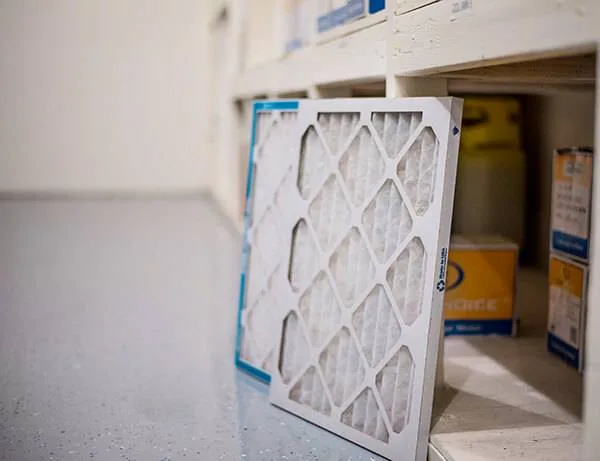
Local essentials and challenges in Las Vegas
Even in a general maintenance guide, Las Vegas deserves special mention. Desert dust, long cooling seasons, and ductwork routed through hot attics accelerate wear on blowers, filters, and seals. Mild winters can lull homeowners into skipping checks, but ignition and safety issues often show up during the first cold snap. Local service providers should emphasize airflow and combustion safety alongside standard cleaning.Cost drivers to watch
Maintenance cost ranges are most affected by system type, access to equipment, and whether a visit includes diagnostics like combustion analysis, refrigerant checks, or airflow measurements. Older systems with limited parts availability can require more labor time, which increases the bill even before repairs begin. Peak-season scheduling also raises costs due to demand.Decision guidance: which service level makes sense
If the system is newer and running smoothly, a standard tune-up is typically sufficient. If you notice uneven heating, frequent cycling, or rising bills, request a more comprehensive inspection that includes duct leakage and airflow. For systems near 15 years old, compare annual repair totals against the value of a replacement or a heat pump upgrade.Prevention steps that reduce long-term costs
Replace filters on schedule, keep supply and return vents clear, and avoid blocking airflow with furniture. Inspect around the outdoor unit for debris buildup after windy days, and schedule a pre-season check before winter or summer peaks. These steps reduce emergency calls and extend equipment life.Neighborhoods we serve in the Las Vegas Valley
- Summerlin
- Spring Valley
- Enterprise
- Centennial Hills
- North Las Vegas
- Paradise
- Henderson
- Green Valley
Trust and guarantees from The Cooling Company
- Serving Las Vegas since 2011 with 55+ years of combined experience
- Licensed, EPA-certified technicians and code-compliant service
- BBB A+ rated and Lennox Premier Dealer
- 100% satisfaction guarantee with documented service results
Service area map
Final Thoughts on Heating Maintenance Costs
Heating maintenance costs can seem daunting, but understanding the factors involved helps you make informed decisions. Regular upkeep not only extends the life of your system but also improves efficiency and comfort. Whether you’re a homeowner or manage a commercial property, investing in maintenance and considering energy-efficient upgrades can pay off in the long run. With the HVAC market continuing to grow and evolve, staying informed about industry trends and costs will empower you to manage your heating system effectively. For those looking to look at market insights, Wifitalents offers comprehensive statistics that shed light on the latest developments in HVAC technology and economics.Ready for Efficient Heating? Schedule Your Service Today!
See why homeowners trust us -- visit our About Us page.
Need Heating Maintenance in Las Vegas?
The Cooling Company provides expert heating maintenance throughout Las Vegas, Henderson, and North Las Vegas. Our licensed technicians deliver honest assessments, upfront pricing, and reliable results.
Call (702) 567-0707 or visit heating maintenance, heating, furnace repair, or HVAC services for details.