

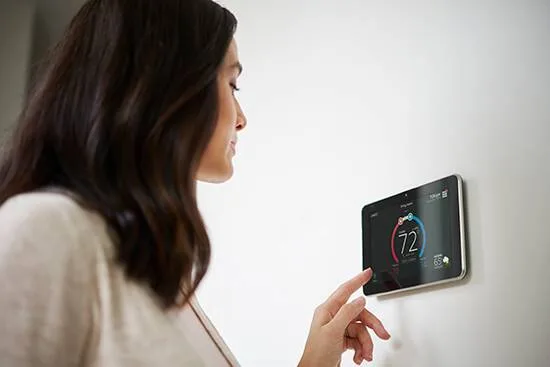
Short answer: Discover HVAC maintenance tips with typical Lennox thermostat prices ($50-$1,500 installed) and quick cost-saving setup advice to lower your energy bills.
Lennox thermostats can cost very little or quite a lot depending on the model and how it is installed. Retail models sold in stores typically range from about $50 to $350. Dealer and commercial controllers with expanded inputs, sequencing, or BMS integration can cost many hundreds per control point, and final installed prices often reach $1,500 or more per.
Key Takeaways
- Use a room-by-room Manual J load calculation (not a square-foot rule).
- Select equipment with Manual S and verify ducts with Manual D for comfort and efficiency.
- Avoid oversizing: short-cycling wastes fuel and can create uneven temperatures.
This guide breaks those ranges down. It explains what drives costs, when dealer service matters, and how to estimate budgets for homes and commercial retrofits. Read the items below, compare itemized quotes, and keep the preserved call to action and sources at the end so you know where to get a local estimate.
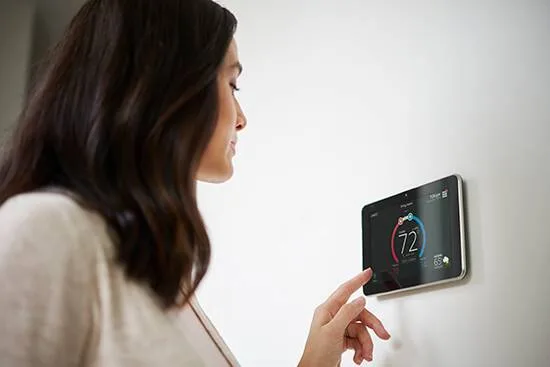
How much do Lennox thermostats cost?
Retail Lennox models fall into three broad tiers: basic digital, mid‑tier smart, and dealer‑grade controllers. Each tier targets a different user need. Basic digital units give simple setpoint control and schedules. Mid‑tier smart thermostats add Wi‑Fi, apps, and energy reporting. Dealer and commercial controllers add sequencing, many inputs, and integration for multi‑stage or zoned systems.
Hardware prices reflect that scope. Basic retail units commonly sell for about $50 to $150. Mid‑tier smart models usually cost $180 to $350 at retail. Dealer hardware often starts near $300 and can reach $450 or more before labor. Installed prices then depend on wiring, system complexity, and whether programming or commissioning is required, which often adds substantial labor charges.
Basic Lennox retail price range?
Basic retail thermostats provide on/off or simple stage control and basic scheduling. They are a good fit for single‑stage furnaces or heat pumps that do not need complex sequencing. Expect retail prices between $50 and $150 for these models. These units rarely include Wi‑Fi or advanced sensor networks, but they are reliable for straightforward systems and have low replacement costs.
Mid tier Lennox smart price?
Mid‑tier smart thermostats add Wi‑Fi control, mobile apps, and energy reporting. These models commonly sell for $180 to $350 at retail. They often require a 24VAC C‑wire or a power adapter for full features. If your home lacks a C‑wire, plan for extra installation labor or a compatible power kit to avoid intermittent operation or battery dependence.
High end Lennox dealer costs?
Dealer‑grade thermostats and commercial controllers target multi‑stage equipment, zoning, and building automation integration. Hardware alone for these controllers often ranges from $300 to $450 or more. Dealers add programming, commissioning, and warranty registration fees which can substantially increase the final price. When advanced sequencing or custom sensor networks are needed, expect higher installed totals.
What affects the installed price?
Installed cost depends largely on wiring, system complexity, and site access. Labor can add as much or more than the hardware in many installs. Homes without a C‑wire, older or nonstandard wiring, zoned systems, or multi‑stage equipment require more time to wire and test. Likewise, commercial sites that need BMS gateways or protocol conversion demand engineering and point mapping, which raises labor and engineering fees.
Materials and testing increase cost as well. Running new conductors, installing power extender kits, adding sensors, and completing full commissioning all add materials and technician hours. Travel, local labor rates, and the installer’s minimum service call charge also affect the final invoice. For accurate budgeting, always ask for an itemized quote that separates hardware, wiring, labor, and programming.
Installation labor cost breakdown?
A straightforward residential thermostat swap often takes 30 to 90 minutes for a trained technician. Labor for simple swaps commonly costs $100 to $300, depending on local rates and travel. More complex jobs that require running new wires, installing a power kit, or sequencing multi‑stage equipment can take several hours and cost more.
Estimate a higher labor line item when the job requires access to attic or crawlspace to run wires, lift equipment on scaffolds, or when the installer must coordinate with other trades. Full commissioning and documentation typically add time and should be listed separately on the quote.
DIY vs pro labor hours?
DIY swaps are possible when wiring matches and you have basic electrical confidence. A compatible wired swap can take under an hour. However, missing a C‑wire, misidentifying multi‑stage wires, or wiring into the wrong terminal can cause equipment issues and longer repairs. In those cases, the repair may cost more than hiring a pro initially.
Hiring a professional reduces the risk of damaging equipment or voiding warranty terms. Pros also handle commissioning and can register warranty coverage for you. For multi‑stage or zoned systems, professional installation is usually the safer and more cost‑effective choice in the long run.
Control wiring and C wire issues?
Many smart thermostats need a steady 24VAC common wire, called a C‑wire. Older homes frequently lack that conductor at the thermostat location. If you do not have a C‑wire, options include running a new wire from the air handler, installing a power extender kit, or choosing a model that uses batteries or an adapter.
Each solution has tradeoffs. Running a new wire is the cleanest and most reliable but costs more in labor. A power kit can work but sometimes limits features or complicates multi‑stage systems. Check wiring before purchase to avoid unexpected installation costs.
Our pricing guide breaks down the costs you can expect.
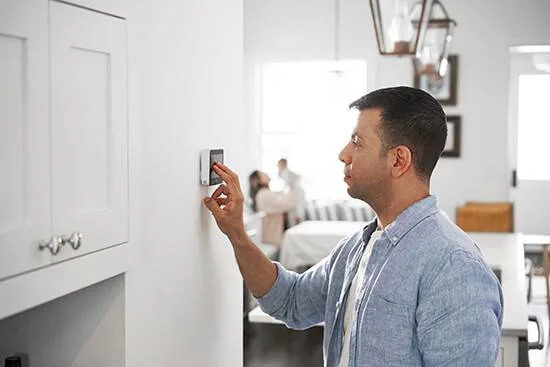
How do dealer and retail prices differ?
Dealer pricing often bundles hardware with on‑site setup, programming, and ongoing technical support. Dealers register warranties and may include callbacks or first‑year adjustments in their service. Retail purchases generally cover only the thermostat and box materials. That makes retail purchases cheaper up front but may mean you handle setup and warranty registration yourself.
For complex systems, dealer service can be essential. Dealer models provide sequencing and controls that must be enabled and tested on site. Dealers perform commissioning and document system behavior, which can be required for warranties or utility rebates. The extra service justifies higher installed costs when the system or rebate rules demand it.
Learn about available federal tax credits for energy-efficient HVAC equipment.
Why do Lennox dealers charge more?
Dealers charge more because they include trained labor, programming hours, and accountability for system performance. They also maintain parts inventories, handle warranty submissions, and may provide callbacks if problems arise. Certified technicians demand higher hourly rates, and their work includes testing and documentation that many homeowners do not provide on their own.
Dealers also assume liability for installs. When thermostats tie into multi‑stage systems or building controls, certified setup reduces risk of improper sequencing that could damage equipment or void manufacturer warranties. That risk transfer factors into dealer pricing.
Is dealer installation required for Lennox?
Some Lennox dealer‑only models require authorized setup or registration to enable full features and validate warranty or rebate eligibility. Local utility rebate programs sometimes require certified commissioning documentation. Before you buy, review the model documentation and rebate terms to see if dealer installation is mandatory.
If dealer installation is required, get that requirement in writing on your quote. This prevents surprises and helps ensure that any rebate or warranty condition is met. Dealers will also often provide post‑installation support for complex integrations.
How does Lennox warranty tie to dealer service?
Certain warranty terms can depend on proper installation, configuration, and registration. Dealers often register warranties on behalf of customers and submit any claims if parts fail. Keeping clear receipts and installer reports speeds warranty processing and clarifies who is responsible for follow‑up work.
For larger commercial systems, installation and commissioning reports can be contractual elements of the warranty. Make sure the installer includes required documentation and that you receive copies for your records.
How to estimate commercial retrofit costs?
Commercial retrofit budgets scale with the number of control points, required sensors, and the complexity of the BMS integration. Start by counting zones and control points. Estimate a per‑point hardware cost, then add engineering, gateway licensing, and field wiring labor. Legacy systems often require protocol conversion and point mapping, which adds engineering time and testing.
Testing and documentation are major cost drivers in commercial projects. Commissioning to prove sequences work under expected loads may require dedicated teams and written reports. Add contingency for difficult access, scaffolding, or downtime coordination. Early site walks and scoped proposals reduce surprises and help keep budgets accurate.
Estimating per zone Lennox controller costs?
Per‑zone hardware costs in commercial setups commonly range from $500 to $1,200 once you include hardware, local sensors, and basic programming. The range depends on sensor type, enclosure needs, and whether local displays are required. Wiring and calibration add to the per‑zone amount, particularly when conduit runs or lifts are needed.
Large projects can realize economies of scale, but complex sequencing or custom integration tends to push per‑zone costs up. Obtain line‑item pricing for hardware, labor per point, and any required gateway or controller licensing.
BMS integration cost factors for Lennox?
Integration costs depend on the chosen protocol and the number of points to map. BACnet/IP integration is often simpler to map than older serial protocols, but legacy systems may force more work. Engineering hours for point mapping, gateway licensing, and protocol translation add to the budget.
Also consider testing, documentation, and cybersecurity review. Gateways may require firmware configuration and access rules. Sample test plans and a phased integration approach help reduce errors that otherwise increase cost and schedule risk.
Commercial commissioning and testing costs?
Commissioning verifies that sequences, schedules, and alarms work under realistic conditions. Small projects may need a few hundred dollars per zone for basic testing. Larger jobs often demand full commissioning teams, extended testing windows, and formal reports. Those services can add several thousand dollars to the project budget.
Include commissioning in the initial budget and ask for a written scope that lists test scenarios, acceptance criteria, and deliverables. Proper commissioning reduces the risk of costly callbacks and improves long‑term energy performance.
How to choose the right Lennox thermostat for your home?
Match thermostat features to your system complexity. Single‑stage systems usually work well with mid‑tier smart units that provide Wi‑Fi, scheduling, and energy reports. Multi‑stage or zoned systems typically need dealer‑grade controls to correctly sequence compressors, stages, and dampers. Also check any available rebates and warranty fine print before purchase.
Request itemized quotes when comparing options. Ask installers whether a C‑wire is required and how they will handle missing power. Check for trade‑in deals or promotions that can lower your net cost. Make sure commissioning and any post‑installation follow up are included in the quote if you need certified setup for rebates or warranty.
Expected energy savings estimates?
Smart scheduling and proper setbacks commonly deliver 8 to 15 percent energy savings for many homes. Savings vary widely with climate, envelope quality, and occupant behavior. Good commissioning and correct setpoints help achieve the savings and keep comfort stable across the day.
Try our energy savings tips to see how much you could save.
To estimate savings for your home, review past utility bills and consider how often setpoints will be adjusted. Small behavioral changes combined with a well‑commissioned thermostat typically yield faster returns than hardware changes alone.
Smart home integration steps with Lennox?
Before buying, confirm Wi‑Fi and cloud feature compatibility for consumer models. After installation, create required device accounts and register the thermostat. Test remote control, notification settings, and any voice assistant links to verify reliable operation.
If you plan to integrate with other smart devices, verify supported protocols and whether local control is available. Some systems rely on vendor clouds for integrations, which can affect privacy and reliability.
Zoning and Lennox multi thermostat setups?
Zoning requires properly sized dampers, good airflow balance, and coordinated setpoints. Installers must ensure each sensor reports to the correct controller and that sequences avoid short cycling. Expect a follow‑up tune‑up after a few weeks to smooth temperature swings and fine tune schedules.
Ask for a written sequencing plan and post‑installation check to confirm zones behave as intended. This step prevents long‑term comfort issues and ensures efficiency goals are met.
Call to action
Las Vegas area homeowners and building managers, call The Cooling Company at (702) 567-0707 for a free on‑site Lennox thermostat estimate. Technicians can evaluate wiring, confirm C‑wire needs, and provide itemized quotes that separate hardware, labor, and commissioning scopes. The Cooling Company serves Las Vegas, Henderson, and North Las Vegas with NATE‑certified techs ready to help.
If you live outside the service area, request NATE‑certified technicians and written itemized quotes from local contractors. For dealer‑grade control or multi‑zone integration, always ask for a written sequencing plan and commissioning report before signing any agreement. Those documents protect comfort, performance, and rebate eligibility.
What to ask your installer
When you request an estimate, ask the installer for an itemized bid that lists hardware, wiring, labor, programming, and commissioning separately. Ask about C‑wire solutions and whether rebate paperwork will be completed. Confirm warranty registration responsibilities and any post‑installation tune‑up included in the price.
Document all terms in writing. A clear scope reduces the risk of surprise fees and ensures you know which party is responsible for follow‑up issues.
Rebate and warranty tips
Check local utility rebate programs and Lennox warranty conditions before choosing a model. Some rebates require certified commissioning or dealer installation. Keep copies of installation reports and registration confirmations to support any future claims.
Small paperwork errors can delay rebates, so have the installer provide completed forms and receipts at the time of service.
Service area and certifications
Confirm the installer’s certifications and service area. NATE certification and local licensing indicate trained staff and code compliance. Ask for references and recent examples of similar work. That background helps predict the quality of outcome and long‑term support.
Related reading: what to explore next?
Further reading helps you compare repair and replacement options. Look for articles on heating repair, thermostat compatibility, and zoning strategies to round out your plan. Discussing options with qualified professionals gives site‑specific guidance that general guides cannot provide.
If you want immediate local help, consider scheduling a checkup. Well‑informed decisions reduce the chance of costly callbacks and improve comfort and efficiency over time.
- Heating Repair Anthem: Book Same Day Repairs
- How Does Lennox Compare to Other HVAC Brands?
- Lennox Air Conditioner: Features, Models, and Pricing
- Smart Thermostat Guide: Features, Savings, and Setup
Sources and further reading
For technical context and indoor air quality guidance, see the EPA resources below. For commercial efficiency and HVAC technology information, consult the Better Buildings Solution Center and ASHRAE technical resources. These sources provide deeper background if you are planning a larger retrofit or need standards and testing guidance.
About The Cooling Company
The Cooling Company has been serving the Las Vegas valley with professional HVAC services for over a decade. Our team of licensed, NATE-certified technicians specializes in air conditioning repair, heating system maintenance, and complete HVAC installations. We're committed to providing honest, reliable service with upfront pricing and a 100% satisfaction guarantee on all work performed.
- Phone: (702) 567-0707
- Reviews: 4.8/5 stars (780+ reviews) - See reviews
Service Areas
We proudly serve homeowners and businesses throughout the Las Vegas metropolitan area, including Las Vegas, Henderson, and North Las Vegas. Our service technicians are available for same-day appointments in most areas, with emergency service available 24/7 for urgent HVAC issues.
Need HVAC Service in Las Vegas?
The Cooling Company provides expert HVAC service throughout Las Vegas, Henderson, and North Las Vegas. Our licensed technicians deliver honest assessments, upfront pricing, and reliable results.
Call (702) 567-0707 or visit AC repair, maintenance, heating, or installation for details.