

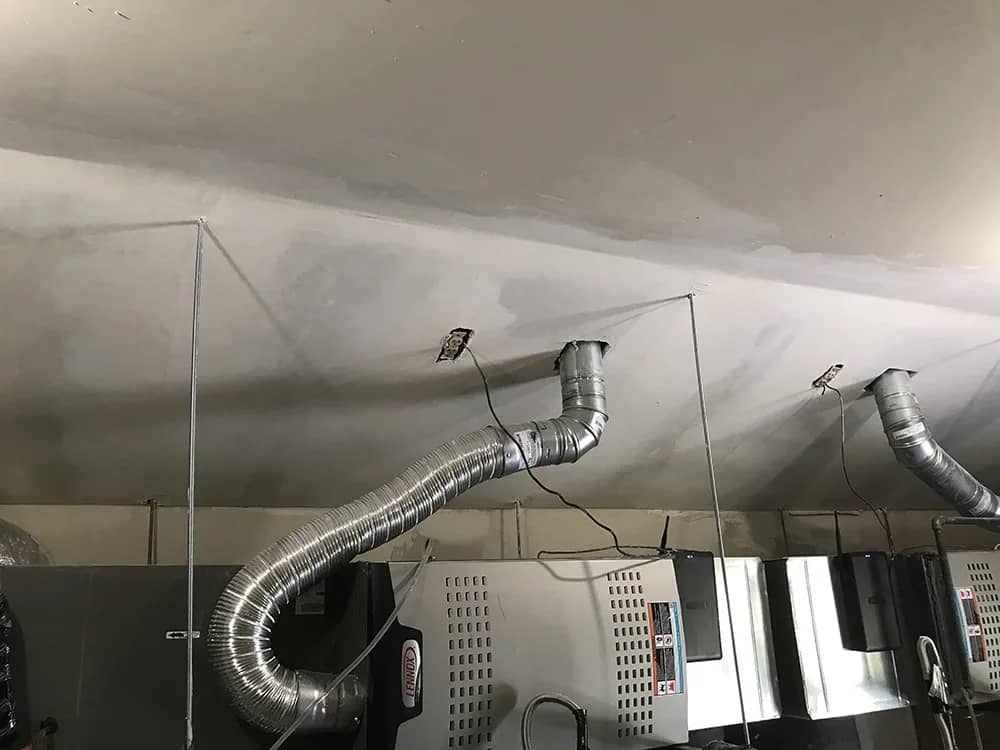
Short answer: Budget $3.50–$15.00 per square foot for new-construction HVAC, depending on system type. A central furnace and AC runs $3.50–$7.00/sq ft, a heat pump system $6.00–$12.00/sq ft, and multi-zone ductless $7.00–$15.00/sq ft. Get three itemized bids and require Manual J load calculations before signing.
Expect a full new-construction HVAC system to cost several thousand to tens of thousands of dollars. Costs depend on home size, climate, equipment, ductwork, and labor. Get a Manual J load and itemized bids to avoid surprises. Match efficiency to budget and long-term savings. (Source: ASHRAE Technical Resources)
Key Takeaways
- Budget HVAC early and require Manual J, D, and S before signing.
- Compare itemized bids, lifecycle costs, and expected rebates.
- Seal and test ducts; add commissioning to the scope.
- Prioritize envelope improvements to lower equipment size and cost.

What will an HVAC system cost for a new home?
A new home HVAC install can vary widely. Expect lower costs for a modest single-story home in a mild climate. Larger homes, multiple zones, or specialty systems push installed prices upward. Typical ranges start around eight thousand dollars and can exceed forty thousand for complex systems.
Several budget items sit beyond the outdoor unit. Include ductwork, electrical upgrades, gas lines, controls, and commissioning. Complex layouts and high ceilings add labor. Always add a 10 to 20 percent contingency for unknowns like hidden structural work.
Check our HVAC pricing guide for current cost estimates.
Good planning reduces cost surprises. Have the HVAC designer review architectural and window schedules early. If the builder can rough-in ducts during framing, you save finish-stage labor. That saves money and shortens the overall schedule.
How do size and load calculations affect price?
Correct load calculations determine right-sized equipment and duct needs. Manual J factors orientation, insulation, window sizes, and air leakage. Right sizing prevents short cycling, improves humidity control, and lowers lifetime costs.
When systems are oversized, they cost more and perform worse. Oversizing raises upfront cost and reduces dehumidification. Undersizing causes poor comfort on extreme days and leads to costly callbacks or early replacement.
What does Manual J and D require?
Manual J is the standard for residential heating and cooling loads. It needs house plans, insulation R-values, window U-factors, and an infiltration estimate. The report gives BTU or tonnage needs by room and for the whole house.
Manual D takes those loads and spells out duct sizes and runs to deliver the air. It sets static pressure targets and register locations. Poor duct design causes noise, uneven rooms, and wasted energy, so insist on both reports before you sign.
How much does equipment selection change cost?
Equipment choice can change the project by thousands. A basic split system heat pump with matched air handler sits in the mid-range. Upgrading to inverter-driven or variable-speed compressors adds cost but improves efficiency and comfort.
Look at SEER and HSPF for cooling and heat pumps, and AFUE for furnaces. Higher numbers lower bills in many cases. Check local electric and gas prices, then run a simple payback to compare options. (Source: ASHRAE Technical Resources)
Use our energy savings calculator to estimate your potential savings.
How are HVAC costs broken down?
Installed HVAC cost splits into equipment, ductwork, labor, controls, and extras. Equipment often makes up thirty to fifty percent of the total. Ductwork and labor usually take the remaining share, with controls and commissioning adding smaller amounts.
Accessories like ERVs, zoning dampers, or radiant floors raise first cost but can improve comfort. Electrical panel upgrades and gas piping are often separate line items. Ask bidders to list those extras so you can compare bids directly.
Plan for permit and inspection fees. Those costs vary by jurisdiction but can affect your cash flow. Having permits and inspections covered in the contract prevents surprises when the inspector signs off.
Which cost categories matter most?
Equipment, labor, and duct systems are the main drivers of both first cost and performance. Equipment brand and warranty affect future value. Labor skill sets decide how well the system is installed and balanced.
Hidden costs include electrician time, gas piping, and roof curb work for rooftop units. Contractors who list these items give more honest comparisons. Ask for common extras and their likely ranges in the bid.
How do equipment vs labor costs compare?
Equipment can be roughly one-third to one-half of the installed price. In high-labor markets the labor share can eclipse equipment. Complex ductwork raises labor and material costs quickly.
A high-efficiency unit shifts cost toward equipment. The key is installed cost with a full scope and warranties, not just the piece price. Compare like-for-like when you get bids.
You may qualify for federal tax credits that reduce your upfront cost.
What role do efficiency ratings play?
Ratings like SEER, HSPF, and AFUE predict seasonal performance. Higher ratings usually reduce energy use. The value of higher efficiency depends on local climate and how often you run the system.
In hot climates higher SEER often has faster payback. Cold climates may favor high AFUE or cold-climate heat pumps. Check incentives and electricity or gas prices before making a final choice.
How do duct design and sealing impact bills?
Leaky ducts waste conditioned air and raise bills. Well-sealed and insulated ducts reduce energy loss and improve comfort. A leaky system can reduce effective capacity by ten to thirty percent in some cases.
Testing and balancing at startup finds leaks and airflow issues. Contractors should include duct sealing with mastic and UL-181 tape where needed. Commissioning proves the system meets design goals.
How do you size and design the HVAC system?
Sizing starts with accurate inputs and clear coordination with the builder. Manual J loads drive equipment choices. Manual D defines duct sizes and paths. Manual S pairs specific equipment to house loads and duct static pressure.
Design choices should consider orientation, insulation, and window performance. Early coordination between the architect, builder, and HVAC designer reduces costly changes. That planning also helps select a sensible ventilation strategy.
When envelope upgrades are possible, do them before finalizing HVAC design. Better insulation and windows can let you pick smaller equipment and save both install and operating costs.
What is Manual J and why is it required?
Manual J is the industry method for residential load calculations. It determines heating and cooling needs room by room. Inputs include insulation levels, window specs, and air infiltration. [Point 1] (Source: ASHRAE Technical Resources)
Many reputable contractors perform Manual J before final bids. Some rebate programs and jurisdictions require it for approval. Having a signed Manual J reduces the risk of wrong-sized equipment.
How does Manual D shape duct costs?
Manual D translates load results into duct sizes and layout. It targets pressure drop and register placement to deliver balanced airflow. Proper design helps avoid noise and uneven room temperatures.
Duct length, direction changes, and number of runs change material and labor costs. Ducts routed through conditioned space cost more in labor but better preserve conditioned air than attic ducts.
When is Manual S used for equipment selection?
Manual S matches load numbers to specific equipment models. It checks that the unit performs at expected loads and duct conditions. Manufacturer software usually helps with the selection.
Using Manual S reduces mismatch risk between the house and equipment. It also shows whether multi-stage or variable-speed technology will give real benefits for your design.
How do insulation and windows affect sizing?
Better insulation and tighter windows cut loads and let you pick smaller units. A better envelope often lowers installed HVAC cost and future bills. Investing in envelope work early is usually cheaper than retrofits.
If you plan upgrades, finalize them before the load calculation. The calculation then shows the smaller capacity you need and can reduce equipment and duct sizes.
Can HVAC be phased into construction?
Yes, HVAC is commonly phased with the builder’s schedule. Duct rough-in happens during framing. Equipment set and startup occur near the finishing stage. Phasing avoids trade conflict and lowers change orders.
Plan electrical and structural provisions early. Late permits or delayed equipment deliveries can push timelines. A clear schedule and fixed milestones keep costs down and avoid rush fees.
Who should perform load calculations?
A licensed HVAC contractor, independent HVAC designer, or certified energy rater should do Manual J. Use designers familiar with new construction and software like Wrightsoft or Cool Calc. Ask for signed reports and the calculation files.
Third-party verification is useful for large builds or high-efficiency goals. Some utility rebates require certified calculations or proof for eligibility, so factor that in early.
What does commissioning include?
Commissioning verifies system performance after installation. It covers airflow, refrigerant charge, combustion safety, thermostat setup, and duct leakage testing. Written test reports prove compliance with design.
Include commissioning in the contract. Fixes found during commissioning often cost much less than post-occupancy callbacks. Require written results and corrective action documentation.
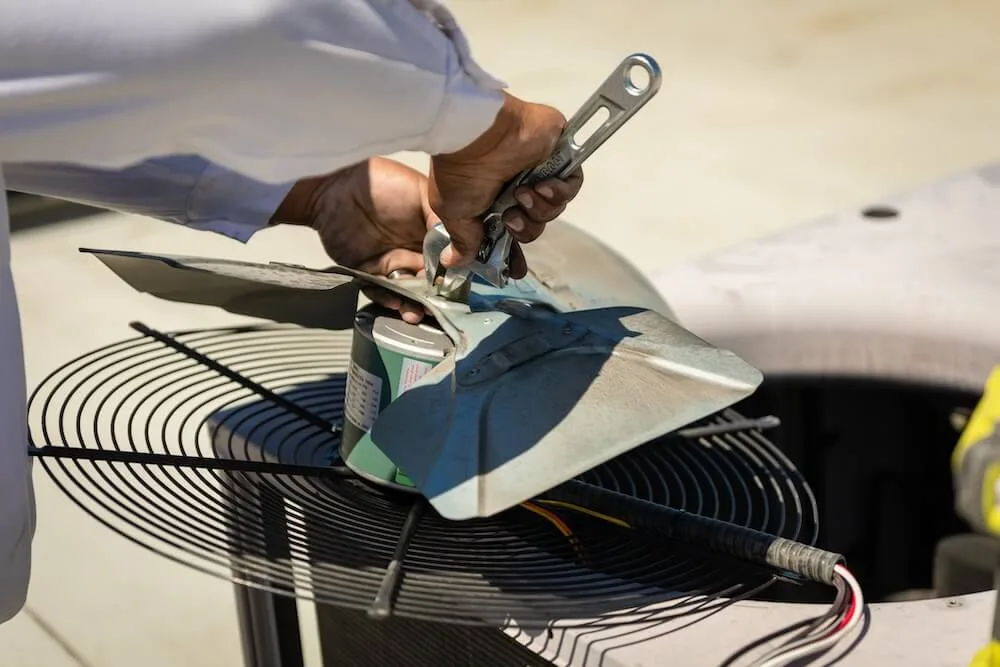
Which system type is best for your new home?
System choice depends on climate, fuel availability, and home layout. Heat pumps now work well in many cold climates. Furnace-plus-AC still makes sense where gas is cheap and winters are very cold.
Radiant heating suits slab-on-grade homes and owners who value even floor warmth. It works well with boilers or efficient heat pumps. Expect higher upfront cost but strong comfort benefits in some situations. [Point 2] (Source: ASHRAE Technical Resources)
Choose systems by comparing lifecycle costs, not just upfront price. Run a simple model of annual energy use and local fuel rates and include maintenance and expected life in your decision.
Is a heat pump right in my climate?
Modern cold-climate heat pumps perform well in many winters. They provide both heating and cooling and cut or remove fossil fuel use. Savings depend on electricity and gas price spreads in your area.
In very cold climates you might need a backup heat source. Hybrid systems combine a heat pump with a high-efficiency furnace to optimize cost across the year. Evaluate local energy prices and load profiles.
When should you choose furnace plus AC?
Choose furnace plus AC where gas is inexpensive and winters are severe. Gas furnaces deliver reliable heat when temperatures drop very low. Pairing with a high-efficiency AC gives good summer comfort.
If a home already has a gas line or you prefer combustion heat, this option may be the best value. Consider high AFUE models and regular maintenance to keep operating costs low.
How does radiant heating compare?
Radiant heating gives silent, even warmth from floors or walls. It lowers temperature stratification and lets owners set lower thermostat levels while staying comfortable. Radiant often pairs with boilers or efficient heat pumps.
Installation ties into floors or slabs and can add schedule complexity. Upfront cost is higher, but owners report good comfort and steady indoor temperatures during heating seasons.
How do you compare bids and contractors?
Comparing bids means matching scopes and assumptions. Itemized proposals show differences in equipment, duct design, labor, and exclusions. Avoid comparing one lump-sum bid to another without details.
Ask for Manual J, D, and S files, duct layouts, and commissioning plans. Bidders should list warranties, lead times, and permit responsibilities. Those items reveal which contractor understands new construction projects.
Check references, recent project photos, and commissioning reports. A contractor that documents their work and shows test reports is more likely to perform well on your job.
What should a complete written bid include?
A complete bid shows equipment make, model, and efficiency ratings. It includes duct drawings, labor hours, permit fees, and an installation timeline. Written warranties and maintenance suggestions belong in the proposal.
The bid must state assumptions like house tightness or insulation levels. Conditional items and exclusions need to be clear. A fixed-price scope lowers the risk of surprise change orders during construction.
How to verify Manual J and D were done?
Ask to see the finished Manual J and Manual D reports with inputs. Check that window sizes, insulation R-values, and room dimensions match your plans. Confirm the final equipment selection matches Manual S.
Treat reluctance to provide these reports as a red flag. Reputable installers will share calculation files and explain their assumptions plainly for comparison.
Which licensing and insurance should you check?
Confirm the contractor holds local HVAC licensing and trades credentials. Verify general liability and workers’ compensation. Ask for proof and license numbers before signing a contract. [Point 3] (Source: ASHRAE Technical Resources)
Also verify EPA Section 608 certification for refrigerant handling. That certification is required for safe and legal refrigerant work in the United States.
How do warranties and maintenance affect value?
Equipment warranties protect against defects for a set number of years. Installation or workmanship warranties cover how the system was put in. Both matter for long-term cost and resale value.
A maintenance agreement keeps the system in peak condition and reduces the chance of major failures. Include regular tune-ups in your lifecycle cost model to estimate total ownership cost.
What are smart control and thermostat options?
Smart thermostats add scheduling, remote control, and energy reports. Zoning controls integrate with dampers and multiple thermostats to condition only occupied areas. Those features improve comfort and can lower use.
Make sure thermostats match your HVAC control signals, especially with variable-speed equipment. Have the installer program and test controls during commissioning to avoid comfort issues after move-in.
How can energy modeling predict bills?
Energy models simulate annual use using climate data, equipment efficiency, and thermostat settings. They estimate yearly bills and help compare systems on lifecycle cost. Modeling helps prioritize upgrades.
Some utilities require modeling for rebate eligibility. Use realistic occupancy and setpoint assumptions to get useful results for decision making.
What questions reveal installer quality?
Ask about their experience with similar homes and systems. Request references and recent commissioning reports. Ask about technician training and certifications and how they handle callbacks.
A clear plan for warranty claims and support shows a contractor stands behind their work. Ask for expected response times and escalation paths in writing.
Call to action
Las Vegas area builders and homeowners: for precise estimates, design, and pro installation call The Cooling Company at (702) 567-0707. We serve Las Vegas, Henderson, and North Las Vegas. Ask for a full Manual J, D, and S package, a detailed itemized bid, and commissioning with written test reports.
Outside our service area, seek NATE-certified contractors and use NATE resources at natex.org for guidance on contractor qualifications. Local owners can still call The Cooling Company for plan review, fixed-price bids. Help with permits and inspections if your project is in our service area.
Contracting early and demanding design deliverables saves money and time. Get the load calculations and duct drawings before final selections. Require commissioning and written test reports so your new home delivers comfort and low bills from move-in.
Final summary
New-construction HVAC is a major budget item and a strong chance to lock in comfort and low bills. Start with accurate load calculations and prioritize duct sealing and commissioning. Compare lifecycle costs and check incentives before finalizing equipment.
Early decisions on zoning, controls, and envelope improvements shape both first cost and living comfort. Make design deliverables contractually required and verify startup testing. Those steps reduce callbacks and keep the project on budget and on time.
Related reading: what to explore next?
About The Cooling Company
- Phone: (702) 567-0707
References
- U.S. Department of Energy (Energy.gov) (accessed 2025-12-29)
- U.S. Environmental Protection Agency (EPA) (accessed 2025-12-29)
- ASHRAE (Standards and guidance) (accessed 2025-12-29)
- ENERGY STAR (Heating & cooling) (accessed 2025-12-29)
Related service: Planning an AC installation or upgrade? Explore our AC installation and AC replacement services for Las Vegas homeowners.
Need HVAC Service in Las Vegas?
The Cooling Company provides expert HVAC service throughout Las Vegas, Henderson, and North Las Vegas. Our licensed technicians deliver honest assessments, upfront pricing, and reliable results.
Call (702) 567-0707 or visit AC repair, maintenance, heating, or installation for details.