

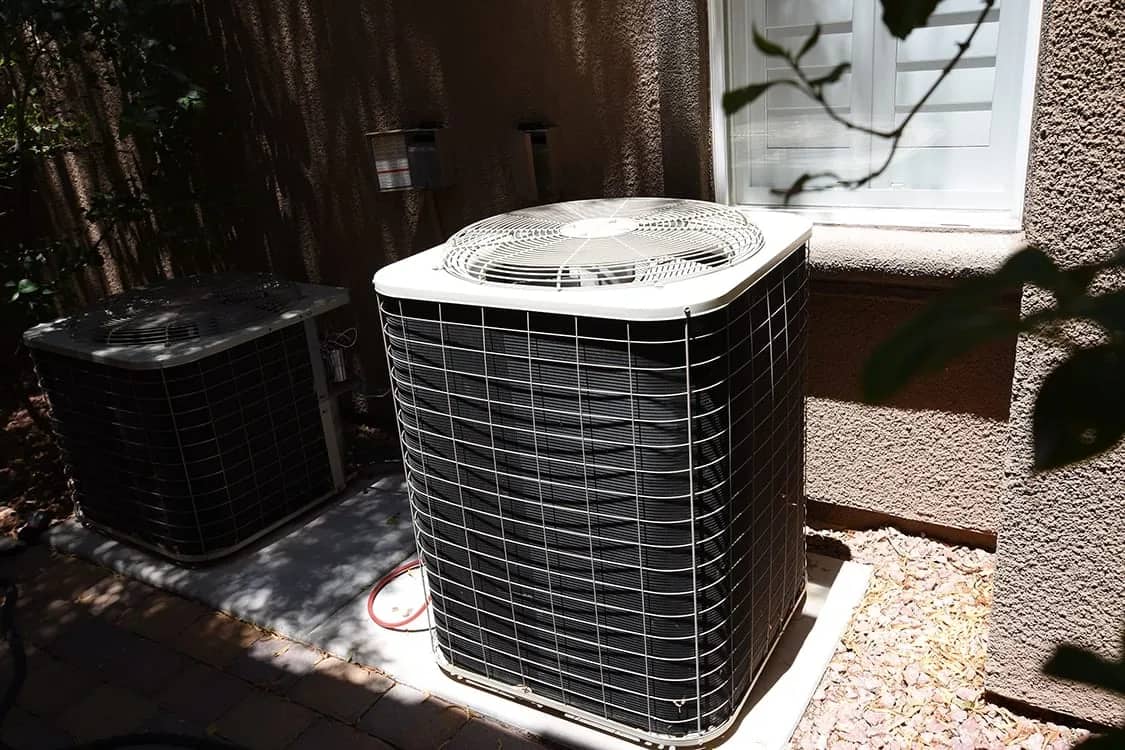
Short answer: The performance and longevity of HVAC systems rest on thorough and systematic inspection practices that are grounded in both current research and local realities. This guide details what technicians should review during every visit, integrating field insights and rigorous benchmarks like the Smart Buildings Control Suite to enhance reliability and efficiency.
What this HVAC inspection checklist covers
An HVAC inspection checklist should comprehensively address the physical and operational integrity of an HVAC unit, focusing on safety, performance, and efficiency. It includes reviewing components from filters and coils to thermostat functions and electrical connections. The detailed checklist here blends expert recommendations with practical steps for ensuring optimal HVAC performance. A key focus is on preemptive measures that prevent breakdowns. Detailed guidelines based on industry studies, such as those highlighted in the HVAC Inspection – Industry Vetted source, empower potential repairs from being overlooked during routine checks. For new or replacement systems, you can pair this inspection guide with our HVAC installation checklist to cover both what should happen on installation day and what should be reviewed at every service visit.Who this residential HVAC inspection checklist is for
This checklist benefits homeowners, property managers, and technicians alike. It is especially vital for those in areas where extreme weather conditions and dust loads, as evident in Las Vegas and similar climates, put added strain on HVAC systems. It is aimed at property owners seeking a clear guide to understanding the mechanics behind HVAC inspections and the specific issues that may indicate system failures or energy loss.When to use this checklist before during and after a visit
Homeowners should reference this checklist prior to scheduling a maintenance visit, ensuring that any obvious issues are documented, and discuss relevant symptoms with the technician upon arrival. During the inspection, technicians can cross-check each item as part of their diagnostic process. After the visit, reviewing the checklist provides homeowners with a transparent account of what was assessed and what future steps might be necessary to maintain system performance.How this checklist helps you understand what techs are checking
The list demystifies the processes technicians undertake, offering a window into the critical points that need inspection. It explains why each component, from airflow and refrigerant parameters to electrical controls, matters. Providing specific details drawn from industry standards, this checklist aids homeowners in verifying that each element of the HVAC system is operating within acceptable ranges, ensuring compliance with recommendations from guidelines like those available from DOE/EERE.The difference between a quick glance and a real HVAC inspection
A quick visual check might miss underlying inefficiencies or potential safety hazards. A thorough HVAC inspection involves a systematic verification of each component, analysis of recent performance trends, and detailed reporting of any discrepancies. This comprehensive approach reduces the likelihood of unexpected breakdowns and repairs, echoing findings in studies such as the field demonstrations of model predictive control which indicate significant cost savings when early issues are identified and managed correctly.How often you should schedule an HVAC inspection
Experts recommend scheduling an HVAC inspection at least once a year; however, in areas like Las Vegas where the system is under constant stress from heat and dust, inspections twice a year can be particularly advantageous. Regular assessments help identify potential issues early and optimize system efficiency. Seasonal tune-ups, especially before and after the summer heat, provide windows to address dust accumulation, coil fouling and outdoor condenser performance.How this checklist fits into your ongoing maintenance plan
The checklist should become an integral part of a regular maintenance routine. Not only does it facilitate early detection of performance deviations, but it also ensures that repairs and replacements are timely and aligned with warranty or insurance requirements. Incorporating these inspection points in a year-round strategy contributes to extending the lifespan of HVAC systems by mitigating the risks associated with overlooked faults.Questions this guide will help you answer
This guide addresses several key queries: Which components are most vulnerable in harsh climates? How does regular maintenance translate to energy savings? And what specific operational abnormalities should prompt a technician’s intervention? The detailed checklist offers answers by outlining step-by-step checks and explaining the importance of each diagnostic test, thus enhancing the homeowner’s understanding of system health and necessary interventions.Signs you may be overdue for an HVAC inspection
Indicators that an inspection is overdue include uneven room temperatures, unexpected spikes in energy bills or unusual noises during operation. Additionally, visible dust buildup or signs of coil deterioration may also signal the need for a professional review. This section of the checklist serves as a reminder that periodic oversight, even in the absence of overt problems, is critical to maintaining both efficiency and safety in HVAC systems.What to have ready before your technician arrives
Prior to the technician's visit, homeowners should compile relevant documentation such as past invoices, warranties and previous maintenance reports. Having a record of recent system performance issues or irregularities aids in tailoring the inspection to the specific history of the unit. Being proactive with documentation ensures that the technician can quickly locate potential issues and reference former repairs or noted inefficiencies for a more accurate analysis.
Why an HVAC inspection checklist matters
A structured HVAC inspection checklist is crucial in preventing unexpected breakdowns and ensuring that all safety and performance protocols are met. It serves as a functional tool for both technicians and homeowners by documenting the assessment stages and providing a record for future reference. Industries have highlighted the importance of clear documentation during inspections, as noted in the HVAC Inspection Manual 2016, which underlines that substantiated reporting builds long-term credibility and informed maintenance strategies.How a structured HVAC checklist prevents surprise breakdowns
Regular, systematic checks help catch early signs of wear and tear before they escalate into significant malfunctions. A well-documented checklist identifies inefficiencies such as dirty coils or compromised electrical connections. This proactive approach supports timely repairs and replacement, potentially avoiding extensive damage. Early detection of operational abnormalities can reduce repair costs and prevent complete system failures, ensuring a consistent comfort level and indoor air quality.Why inspections are more than just checking if it turns on
Terming an HVAC check as merely turning the unit on fails to address the complexities of system performance. A comprehensive inspection delves into the improvements necessary in areas like airflow dynamics, sensor accuracy, and refrigerant integrity. This in-depth review uncovers underlying issues that a superficial check would miss. For instance, research shows that around 17% of U.S. carbon emissions from commercial buildings can be traced back to HVAC inefficiencies (Smart Buildings Control Suite), emphasizing the need for meticulous maintenance.How inspection trends reveal early warning signs
Regularly applied inspection checklists help technicians detect patterns in equipment degradation long before they reach critical levels. Observing these trends can signal when adjustments-such as duct cleaning or coil maintenance-are necessary. It essentially aids in forecasting and planning preventative repairs. Over time, consistent inspection reports build a dataset that can inform decisions about system upgrades and capacity adjustments, ensuring continued efficiency in energy use.How a clear HVAC inspection report builds trust
A detailed and transparent report from the technician reinforces the quality of service, making it easier for homeowners to trust the subsequent recommendations. Each item on the checklist, when verified and explained, strengthens the relationship between the client and the professional. This level of clarity supports decision making regarding both immediate repairs and long-term system investments, enabling consumers to feel secure in their maintenance approaches.How inspections support repair and replacement decisions
Data-driven insights from routine HVAV checks are essential when deciding on repairs or full system replacements. A clear record of performance metrics-such as those related to operating temperatures and electrical integrity-offers a solid basis for recommending corrective action. For instance, recent demonstrations on model predictive control have shown cost savings that underscore the benefits of maintaining an updated inspection record (Stochastic HVAC Control). By assessing trends over time, these records help technicians compare the performance of older systems against the efficiency of potential replacements, ensuring an informed, balanced decision-making process.Why inspections are critical during home purchases and sales
An HVAC inspection checklist is invaluable during property transactions. Detailed records of system performance and maintenance history can significantly influence the buyer’s decision, clarifying the condition of the HVAC and indicating potential future expenses. This transparency can lead to more equitable negotiations and realistic assessments of the system's future reliability. A thorough report serves as a cornerstone for ensuring that both parties understand the existing condition of the system, preventing unwelcome surprises post-purchase. Homeowner takeaway: regular inspections build a robust framework for informed financial decisions.Pre inspection HVAC checklist for homeowners
This section outlines actionable items homeowners can complete before the technician arrives. A proactive approach in preparing the premises and relevant documentation streamlines the inspection process and allows for a more detailed evaluation by the professional. Using a checklist not only ensures that no area is overlooked but also empowers homeowners to actively participate in the maintenance of their system.Confirming your appointment time and access details
Before the inspection, verify your appointment time and ensure that all areas of the home where the HVAC components are located are easily accessible. This includes indoor units as well as the outdoor condenser, where clearance around the equipment is vital for optimal airflow and effective performance. Providing clear details about access can minimize delays and ensures that the technician can conduct a thorough evaluation without unnecessary interruptions.Clearing the areas around indoor and outdoor equipment
Technicians need clear access to both indoor and outdoor HVAC units to assess components such as filters, coils, and bypass airflow. Walls obstructed by furniture or overgrown landscaping around outdoor units may hide issues that could affect performance. Clearing these areas in advance aids in a comprehensive inspection. Ensuring ample space around the equipment not only speeds up the process but also reduces the likelihood of missing crucial diagnostics.Finding past invoices warranties and prior reports
Homeowners should gather any previous records of HVAC maintenance, including past invoices, warranty documents, and inspection reports. This historical data provides technicians with context regarding recurring issues or past repairs, facilitating a more accurate diagnosis of current performance. The availability of maintenance records helps in cross-referencing issues and ensuring that any recurring patterns receive proper attention. Homeowner takeaway: thorough documentation is an essential pre-inspection step.Listing comfort issues noises and hot or cold spots
Maintaining a list of observed issues, such as unusual noises, uneven temperatures across rooms or persistent comfort complaints, enables the technician to focus on specific areas of the HVAC system. Noting these details can reveal problems that a visual inspection may not readily detect. This step empowers homeowners to contribute valuable observational data, which supports a more targeted and effective diagnostic process.Noting any recent repairs or changes to the system
It is important to record any recent maintenance or repairs, as well as modifications made to the system. This context helps the technician identify potential causes behind lingering issues, ensuring that the inspection accounts for all recent interventions. Documenting these changes sets a clearer baseline for understanding the system’s current state, reinforcing the accuracy of the inspection process.Safety items to note before the tech arrives
Ensure that safety aspects such as clear egress paths, unobstructed electrical panels, and accessible shut-off switches are accounted for before the technician’s arrival. This preparedness facilitates the technician’s work while maintaining a safe environment around the operational equipment. Confirm that no safety hazards or impediments exist, which can delay critical diagnostic procedures.Questions to write down for your technician
Prepare a list of questions that address common issues, such as the impact of dust load on system efficiency, energy usage, and potential cost-saving strategies. Questions regarding the performance of individual components, like the thermostat and airflow mechanisms, can lead to a deeper understanding of the system's operational health. Having this list ready ensures a productive conversation and helps clarify any uncertainties during the inspection. Homeowner takeaway: preparation leads to clarity and effective service outcomes.
Common Questions or Objections
Homeowners often wonder whether the cost of regular inspections justifies the expense, or if minor issues observed during self-checks warrant a professional visit. Others consider skipping inspections and doing more work themselves. If you are on the fence about that, our DIY HVAC installation vs professional installation guide walks through the real risks and where the line should be. The checklist clarifies these uncertainties by detailing every aspect of the HVAC evaluation process, substantiated by expert recommendations. Questions such as "Is it normal for my system to make certain noises?" or "What indicators should trigger a repair call?" are answered through a systematic inspection process. When in doubt, a professional review can validate your observations and prevent future costly repairs.Why an HVAC inspection checklist matters (Final Insight)
The checklist ties together the need for a systematic approach to HVAC maintenance. It highlights issues that could lead to system failure and ensures that each component functions properly, ultimately protecting energy investments. For instance, clear records from inspections can help when deciding on major repairs or full system replacements. This structure is essential in the real world, where even minor inefficiencies can lead to larger energy losses, as suggested by recent studies from academic research on HVAC efficiency. Homeowner takeaway: a detailed checklist interlocks with ongoing maintenance for lasting system performance.Pre inspection HVAC checklist for homeowners (Additional Tips)
Review the previously discussed items to ensure that all groundwork is covered before scheduling your next HVAC inspection. From clearing access areas to gathering historical reports, each step reinforces the accuracy of the technician’s findings and aligns maintenance with local challenges typical of high heat and dust load areas. This section of the checklist also helps anticipate potential issues that may be specific to regions like Las Vegas, where high attic temperatures and monsoon moisture are common challenges. By addressing these before the inspector arrives, homeowners can facilitate a seamless and thorough service experience. A good maintenance plan becomes an extension of proactive home management.Confirming your appointment time and access details (Reiteration)
Double-check the scheduled visit and confirm that accessible entry arrangements are in place both inside your home and for any external units. This small investment in coordination ensures that the HVAC technician can carry out a complete inspection with minimal delays. This attention to detail underscores the overall significance of the maintenance routine and sets expectations for an efficient service call.Getting the most from your inspection checklist
Effective use of the checklist goes beyond ticking boxes; it provides an opportunity for homeowners to gain insights into the operational health of their HVAC systems. A structured review, incorporating industry benchmarks and field-tested observations, supports robust long-term maintenance strategies. Notably, research shows that a systematic approach in inspections can lead to up to a 16% cost saving in some fields (model predictive control studies). The underlying goal is to empower property owners with actionable data that aids in communication with professionals and informs decisions on necessary repairs, system upgrades or even replacements. Homeowner takeaway: well-informed checks foster sustainability and improved performance. This comprehensive inspection guide forms a bridge between technical evaluation and everyday understanding, ensuring that both experienced homeowners and newcomers can navigate HVAC maintenance with clarity and confidence.Ensure Your HVAC System's Peak Performance with The Cooling Company
Related service: Need AC service in Las Vegas? Explore our AC repair and AC maintenance services for Las Vegas homeowners.
Need HVAC Service in Las Vegas?
The Cooling Company provides expert HVAC service throughout Las Vegas, Henderson, and North Las Vegas. Our licensed technicians deliver honest assessments, upfront pricing, and reliable results.
Call (702) 567-0707 or visit AC repair, maintenance, heating, or installation for details.