

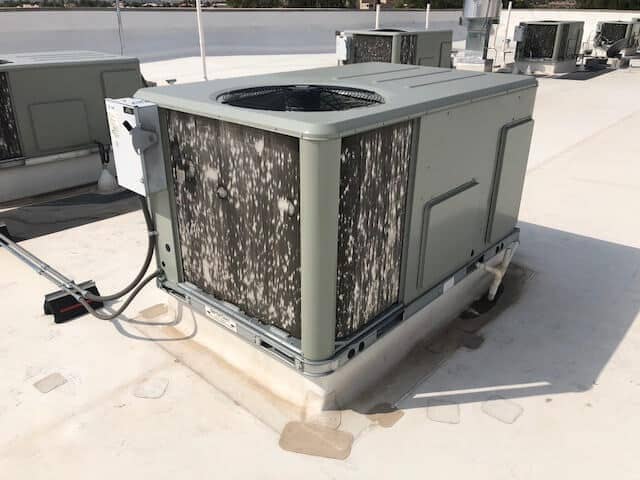
Short answer: For Las Vegas homeowners, understanding the HVAC installation process is crucial. This guide provides a detailed walkthrough from the initial evaluation to the final walkthrough, ensuring clarity and preparedness for a full installation. Proper installation enhances efficiency, safety, and home comfort, as highlighted by experts.
What the HVAC installation process includes
This guide covers the comprehensive tasks involved in the installation process. Each step adheres to professional guidelines and standards, ensuring compliance with codes and best practices. The process includes essential checks, from ductwork inspection to post-installation performance evaluation. For a step by step list you can print or keep on your phone, use our HVAC Installation Checklist: Step by Step Guide for Las Vegas Homeowners while you go through this guide. Las Vegas homeowners gain significant benefits from understanding this process, which not only ensures comfort but also prolongs system life. The Department of Energy underscores the importance of proper installation to reduce energy loss and extend equipment lifespan (DOE/EERE study). For a breakdown of what a thorough inspection looks like after the system is installed, see our HVAC inspection checklist so you know exactly what technicians should be checking on every visit.From first phone call to final walkthrough
The process begins with an initial consultation to discuss comfort needs, current issues, and budget expectations. A thorough pre-visit evaluation sets the foundation for the entire installation process. Completing the installation involves more than just activating the unit; it concludes with a detailed walkthrough to ensure the system meets all operational, safety, and efficiency standards.Who is involved in a professional HVAC install
The installation requires teamwork between the homeowner, a licensed comfort advisor, and professional technicians. Each party plays a role in ensuring the installation meets local building codes and manufacturer recommendations. Expert oversight at every stage prevents errors that could lead to energy waste or premature system failures. Skilled installers follow a strict routine, compliant with guidelines from industry groups like ACCA.Common questions homeowners have before installation
Homeowners often have questions about system sizing, costs, installation duration, and potential disruptions. With HVAC replacement costs in Las Vegas typically ranging from $7,000 to $13,000, budget planning is a common concern. Clarifications include what constitutes proper installation versus shortcuts, how ductwork is evaluated, and whether system components meet new standards like SEER2. Comprehensive answers help set realistic expectations.How this guide helps you spot rushed work
Understanding each step in the installation process makes it easier to identify rushed work. If you have ever wondered about doing a project yourself, read our DIY HVAC install guide first so you can see what is actually safe to handle on your own and what must be left to a licensed professional. Homeowners should be vigilant about skipped evaluations or errors in duct sizing that could lead to inefficiencies and uneven temperatures. Quality installation involves specific load calculations and thorough inspections, ensuring the system is tailored to Las Vegas's unique challenges, such as high dust loads and extreme heat.When to use this HVAC installation process guide
This guide is most useful when scheduling a new HVAC system installation, planning a replacement for aging equipment, or addressing comfort issues from past subpar installations. It provides a transparent framework for what to expect from professionals. Armed with this information, homeowners can confidently evaluate estimates, understand technical jargon, and identify red flags during consultations.Key terms you will see during the process
Understanding key terms is crucial. Terms like Manual J load calculations determine the heating and cooling loads needed for a space. Manual D addresses duct design, while AHRI certification confirms that equipment numbers match industry standards. Other terms include SEER2, indicating the system's seasonal energy efficiency, and static pressure, a measure of resistance in ductwork. Familiarity with these terms ensures clarity during evaluation and installation stages.How this process fits into your overall comfort plan
The HVAC installation process is integral to overall home comfort plans, directly impacting long-term energy efficiency and system performance. A well-installed system remains reliable, even during intense Las Vegas summer heat. When installation and maintenance are in sync, homeowners enjoy consistent temperatures, reduced energy bills, and fewer unexpected breakdowns. Proper installation is the foundation of home comfort.How long a typical HVAC installation takes
HVAC installations generally require several hours, though the overall process—including evaluations, permitting, and post-install verification—can extend over several days. Technicians follow a detailed checklist to ensure all system components function as intended. A careful approach minimizes the risk of errors that could lead to costly repairs. If you want a simple way to track each stage on installation day, follow along with our HVAC installation checklist so nothing gets skipped. Adequate time invested in installation translates directly to a longer system lifespan.Signs you might need a new HVAC system first
Indicators such as inconsistent temperatures, frequent repairs, or escalating energy costs suggest a new system might be needed. Inefficient installations often manifest through these symptoms. For example, improper duct sizing can lead to “hot master, cold upstairs” scenarios. Recognizing these signs early can prevent further energy waste and comfort discrepancies.
Why the HVAC installation process matters more than the brand
While selecting a reputable brand is important, the quality of installation can have an even greater impact on system performance. An expertly installed system avoids common pitfalls resulting from rushed or incomplete work. Studies from the U.S. Department of Energy stress that even the finest equipment will underperform if the installation is shortcut (DOE/EERE research). Homeowners should prioritize experienced technicians who customize installations for local conditions.Installation quality vs equipment quality
The installation process ensures that equipment performs at its highest capacity. High-quality equipment installed incorrectly will often deliver subpar results. A comprehensive installation process addresses issues like proper insulation, correct load calculation, and meticulous ductwork design. When installation quality is poor, even equipment with high SEER2 ratings can fall short. This balance between job execution and system quality is critical to enjoying year-round comfort.How poor installation creates hot and cold spots
Uneven temperatures in a home are frequently linked to rushed installations. Faulty duct design or skipped static pressure checks result in air imbalances that contribute to noticeable hot and cold spots in the house. Understanding that such issues are rooted in installation practices rather than equipment failure empowers homeowners to insist on thorough evaluations before beginning any work.How shortcuts lead to high energy bills and repairs
Shortcuts during installation can inadvertently reduce system efficiency. For example, failing to correctly size ductwork or skipping manual load calculations can cause energy waste and premature component wear . The long-term costs, including higher energy bills and frequent repairs, far outweigh any initial savings from a hurried installation process.Las Vegas specific stress on HVAC systems
The high temperatures and significant dust loads in Las Vegas place extra demands on HVAC installations. Attic temperatures often exceed 140°F, affecting duct losses and system efficiency. These conditions test the integrity of even the best-installed systems. Local installers need to account for seasonal fluctuations and the heavy-duty nature of local climate loads. Proper understanding of these stresses helps homeowners avoid pitfalls that might otherwise go unchecked.Red flags that your installation process is being rushed
Signs of a rushed installation include a lack of detailed pre-visit evaluations, insufficient documentation of code and safety concerns, and incomplete ductwork assessments. When installers skip crucial steps like Manual J load calculations, it can be a red flag. Recognizing these elements early on can save homeowners from future headaches. A transparent process with proper planning is a homeowner’s safeguard against long-term issues. Homeowner takeaway: A methodical process builds a strong foundation for future reliability.Step one of the HVAC installation process pre visit and evaluation
The initial phase of the installation process involves a detailed site visit and evaluation. During this pre-visit, technicians gather essential data about your home, including existing ductwork, insulation levels, and potential code issues. This phase forms the basis for all subsequent installation decisions. A robust evaluation is particularly important in Las Vegas, where high dust loads and intense summer heat demand a tailored system design. Evaluators often start with a complete system review and layout, ensuring that every detail is recorded and verified. For example, understanding how high ambient temperatures affect static pressure and duct airflow helps in formulating a responsive installation plan.What happens during the initial home evaluation
The initial evaluation is a comprehensive inspection that documents home layout, duct conditions, and current HVAC challenges. Technicians conduct measurements and visual inspections to ensure the chosen system will meet your home’s needs. This evaluation includes verifying whether the interior spaces are accurately represented in the Manual J load calculations, as well as identifying any issues that might heighten installation risks.Manual J load calculations and system sizing
Manual J load calculations determine the heating and cooling demand for the space. This process involves precise measurements of square footage, insulation quality, window efficiency, and more. Proper system sizing is critical. An oversized or undersized unit can lead to efficiency losses and comfort issues. A system sized too large may short cycle, while one sized too small will run continuously without achieving target temperatures.Ductwork and airflow evaluation
Evaluating ductwork is crucial in ensuring that air flows efficiently throughout the home. Improper duct sizing or leakage can lead to uneven heating and cooling. Special attention is given to how dust and high attic temperatures in Las Vegas might affect duct performance. A thorough airflow evaluation prevents issues such as clogged filters and insufficient room-to-room air distribution.Static pressure checks and existing issues
Static pressure, the resistance to airflow in the ductwork, is measured during installation evaluations. Excessive static pressure can reduce system performance and efficiency. Identifying existing issues early, like duct leakage or unbalanced airflow, helps technicians design solutions that rectify or mitigate future operational problems.Gathering comfort concerns and budget
A key part of the pre-visit is to understand the specific comfort issues the homeowner is experiencing. This might include hot spots, uneven temperatures, or high energy bills. Budget discussions occur at this stage to align the system design with financial expectations. Transparent communications between the evaluator and the homeowner pave the way for a tailored installation plan.Documenting code issues and safety concerns
The evaluation phase includes identifying any local code requirements or safety concerns. This documentation is critical in ensuring that the installation meets all legal and technical standards. Since safety and compliance are non-negotiable, all code violations and potential hazards are meticulously recorded for resolution prior to installation.How to prepare for the evaluation visit
Homeowners can prepare by clearing the installation area, ensuring that access to ductwork and electrical panels is unobstructed. Documentation of past HVAC issues can also be helpful. Providing accurate historical data of the system’s performance and any prior modifications informs the technician’s approach. Being present during the evaluation allows homeowners to ask questions and understand the process.Questions to ask your comfort advisor
Curiosity should be met with questions like: What load calculations were used? How will duct leakage be addressed? Are there any additional safety concerns that need to be documented? Ensuring clarity before installation is vital to avoid surprises later. A well-informed conversation helps both parties reach a mutually beneficial outcome. Homeowner takeaway: Preparation and clear communication ensure a smooth installation process.Related service: Planning an AC installation or upgrade? Explore our AC installation and AC replacement services for Las Vegas homeowners.
Ready for Comfort? Schedule Your HVAC Service with The Cooling Company
See why homeowners trust us — view our industry awards and certifications.
Need HVAC Service in Las Vegas?
The Cooling Company provides expert HVAC service throughout Las Vegas, Henderson, and North Las Vegas. Our licensed technicians deliver honest assessments, upfront pricing, and reliable results.
Call (702) 567-0707 or visit AC repair, maintenance, heating, or installation for details.