


Short answer: Discover HVAC maintenance tips that cut energy bills and emergency repairs, helping you save hundreds with simple scheduled tune-ups—learn how today.
Key Takeaways
- Use a room-by-room Manual J load calculation (not a square-foot rule).
- Select equipment with Manual S and verify ducts with Manual D for comfort and efficiency.
- Avoid oversizing: short-cycling wastes fuel and can create uneven temperatures.
Routine HVAC maintenance averages $75–$200 for homes and $100–$500 per RTU visit for small commercial units. (Energy gov HVAC Efficiency Basics) Budgeting planned visits cuts energy use, lowers emergency repairs, and extends equipment life to delay costly replacements.
What does HVAC maintenance cost?
Understanding the costs helps you make better choices. Costs vary by system type, access, local labor rates, and service depth. A basic residential tune-up often costs $75–$200. Packaged rooftop units and light commercial visits usually run $100–$500 per visit. Central plants and chillers can require much higher annual budgets that include planned spare parts and labor blocks.
When contractors provide quotes, request itemized lists. An itemized quote lists labor, parts, refrigerant, travel, and specific tests. That makes comparisons easier and reduces surprise fees. Also ask about travel charges and minimum call fees, which affect short visits in low-density service areas.
What does a standard HVAC tune up include?
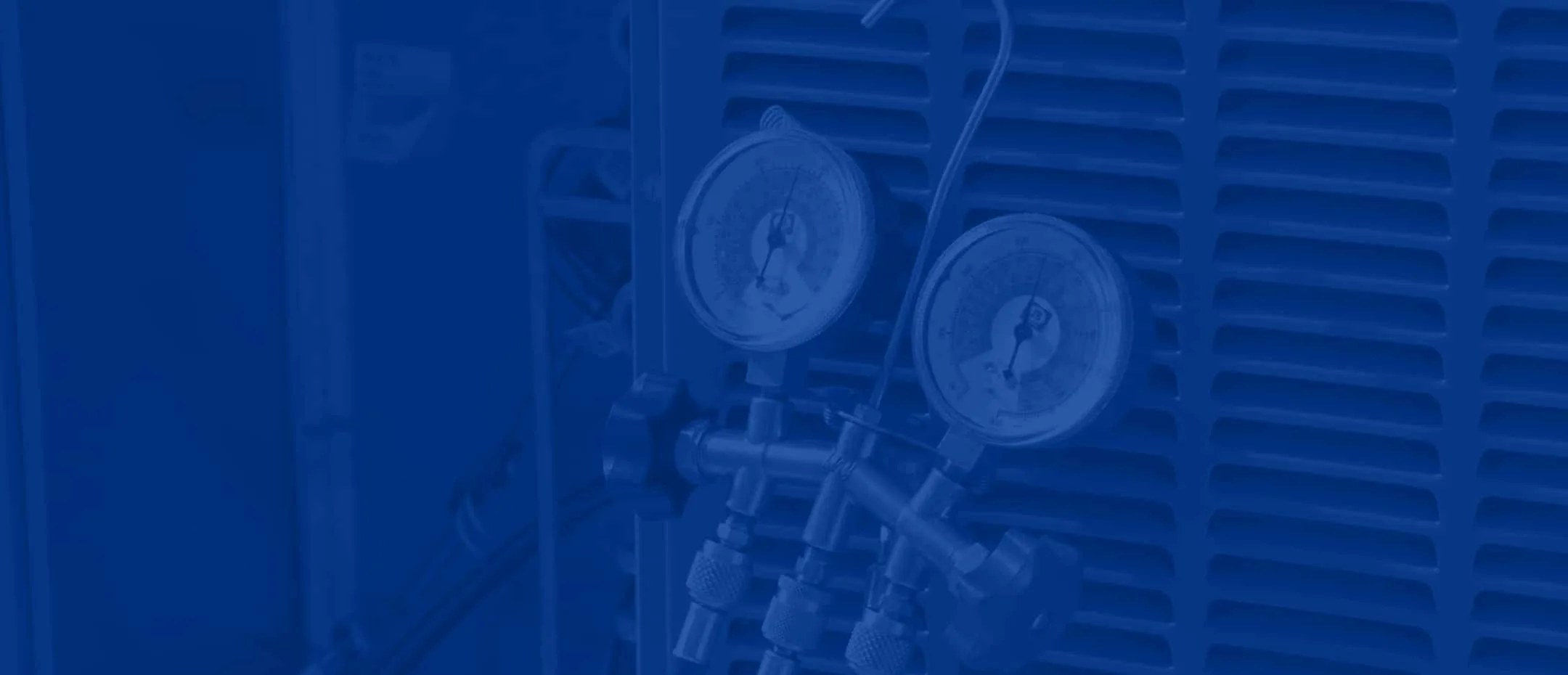
A standard tune-up inspects and adjusts basic controls. Typical tasks include replacing or checking filters, testing and calibrating thermostats, tightening electrical connections, and verifying system controls. Technicians also measure airflow, check refrigerant charge, and clean coils where needed.
Technicians will often test compressor amps, inspect belts and pulleys, and verify safety controls. If refrigerant is low, they may trace leaks and advise on next steps. Routine checks catch small issues before they become costly failures and preserve efficiency. (Building America Solution Center HVAC Guides)
How much does a residential tune up cost?
Residential tune-ups typically run $75–$200. Price depends on travel time, system complexity, and required parts. Heat pumps, two-stage systems, and high-efficiency units may take more time and cost more to service.
Learn about available federal tax credits for energy-efficient HVAC equipment.
Higher-MERV or specialty filters add $20–$60 to the job. Ask for a written description of included tasks. A clear PM checklist helps you see value and avoid surprise add-ons on the final invoice.
What are typical commercial maintenance rates?
Commercial preventive maintenance varies widely. Small rooftop units (RTUs) often cost $100–$500 per visit. For a five-ton RTU, expect annual costs around $200–$600 if you plan two visits a year. Larger systems, central plants, and chillers scale up quickly in cost and complexity.
Central plants can need $5,000–$50,000+ per year for planned service depending on tonnage, redundancy requirements, and controls. Those budgets include predictive monitoring, spare parts, and scheduled overhauls for mission-critical systems.
Which factors drive maintenance costs?
Labor rates, parts pricing, equipment age, and how easy it is to access components are the main cost drivers. Climate impacts the frequency of coil cleaning, corrosion controls, and refrigerant servicing. Warranty status and refrigerant type also affect cost; some refrigerants require trained technicians and higher charges.
Planned spare parts and scheduled inspections reduce emergency replacements. Investing in predictable spare parts inventory often lowers total cost of ownership. Discuss access constraints with your contractor since difficult access increases labor hours.
Check our HVAC pricing guide for current cost estimates.
How much should homeowners budget?
Homeowners should create a realistic annual budget based on system type, age, local climate, and indoor air quality (IAQ) needs. For many homes a baseline budget covers one tune-up per year, basic filters, and minor repairs. Older systems and homes with special IAQ needs should plan for higher annual spend.
Use simple rules of thumb to guide decisions. One approach is to set aside 1–4% of replacement value annually for maintenance and small repairs. Another uses a fixed range: $150–$400 per year for most homes, with $400–$1,000 for older or more demanding situations.
What annual budget fits a typical home?
For a typical single-family home, plan $150–$400 annually. This covers a single preventive tune-up, routine filters, and occasional small repairs. If your home has pets, smokers, or high pollen loads, budget toward the upper end of the range.
Older HVAC systems or homes with higher IAQ requirements should budget $400–$1,000 annually. A good practice is to update the budget after each service to reflect actual repairs and trends in operating cost.
Try our energy savings calculator to see how much you could save.
How to budget for central systems?
Central plants need a larger, more structured budget. Start with a base annual contract for planned PM and add variable funds for parts and emergency labor. Many plants begin with a $5,000 baseline, rising with tonnage and criticality.
Include predictive monitoring subscriptions, scheduled major overhauls, and reserves for controls upgrades. Tracking lifecycle costs and downtime impact is essential to determine the right annual reserve for a central system.
Do service contracts lower long term costs per ACCA?
Service contracts can lower long-term expenses when they emphasize preventive visits and documented, consistent procedures. ACCA-aligned PM checklists help contractors deliver repeatable, quality work and make it easier to compare bids.
Look for contracts that include uptime targets, clear parts-pricing terms, and documented work reports. A mature PM program aims to keep reactive spending under 30% of total maintenance spend.
Which maintenance plan is right?
Choosing the best plan depends on asset criticality, budget, and tolerance for downtime. Small homes often do well with annual preventive visits. Facilities that cannot tolerate downtime benefit from scheduled PM combined with predictive monitoring.
Reactive-only approaches can appear cheaper at first but usually cost more over time. Emergency work has higher labor rates and more collateral damage risks. A planned program spreads costs and helps maintain efficiency.
What is reactive vs scheduled maintenance?
Reactive maintenance means fixing equipment after it fails. It often triggers emergency labor, expedited parts, and lost productivity. These events add up quickly in cost.
Scheduled maintenance follows a calendar with routine inspections, cleaning, and testing. Scheduled PM reduces emergency calls, helps manage budget predictably, and extends equipment life.
How does predictive maintenance work?
Predictive maintenance uses sensors and trend analysis to spot degradation before a failure. Vibration, bearing temperature, pressure, and electrical signals feed analytics platforms that predict when service is needed.
This targeted approach reduces unnecessary part swaps and focuses labor where it creates the most value. Predictive methods are most cost-effective for mission-critical assets or large central plants.
Which plan best reduces emergency breakdowns?
Combining scheduled PM with predictive monitoring gives the largest reduction in unplanned downtime. Scheduled PM addresses known wear points while predictive tools catch hidden, early-stage faults.
When both strategies are used, facilities often see emergency breakdowns fall dramatically. The exact improvement depends on system complexity and existing maintenance maturity.
When should you replace equipment?
Timing replacement properly limits downtime, reduces long-term cost, and can improve comfort. Replacement planning should consider system age, repair frequency, efficiency loss, and regulatory changes such as refrigerant phase-outs. Use lifecycle cost models and simple rules of thumb to decide when to replace rather than keep repairing.
Plan replacements in off-peak months if possible. Contractors have more availability in shoulder seasons and you can often book work with shorter lead times. But do not defer replacement past the point where emergency failures become common.
What age suggests replacement over repair?
Heat pumps and air conditioners often reach economic end-of-life at 12–15 years. Furnaces typically last 15–20 years. If major components fail after the midpoint of expected life and repairs exceed 30–50% of replacement cost, replacement is usually the better financial option.
Also consider system reliability and downtime impact. If frequent outages affect comfort or operations, that hidden cost can justify earlier replacement.
How do efficiency gains factor into replacement?
New equipment usually offers higher SEER or AFUE ratings and lower operating costs. Compare estimated annual energy savings against replacement cost to calculate simple payback or lifecycle savings.
Incentives and utility rebates can shorten payback. Also evaluate whole-system improvements, such as duct sealing, better controls, and thermostats. These upgrades often magnify the savings from new equipment.
When do lifecycle costs favor new equipment?
A lifecycle analysis favors new equipment when continued maintenance plus lost efficiency and downtime exceed new-system costs over a chosen horizon. Include utility rates, expected maintenance, rebates, and potential refrigerant compliance costs in the model.
Vendors and independent calculators can help test scenarios. Use conservative assumptions for energy prices and repair frequency to avoid optimistic bias.
What DIY checks cut costs?
Owners can perform low-risk tasks to reduce failures and costs. Simple checks and habits keep equipment running better between professional visits. Changing filters, clearing debris from outdoor units, and keeping thermostat schedules reasonable reduce workload on the system and on your service budget.
Keep a log of filter changes, service visits, and repairs. That log helps technicians diagnose trends faster and can prove useful for warranty or insurance claims. Small habits add up to meaningful savings over the life of the equipment.
Which filter types save energy per ASHRAE?
ASHRAE recommends matching filter efficiency to system capacity and fan capability. Filters with low pressure drop save fan energy and are often the best balance of IAQ and efficiency. MERV 8 filters are common for many homes and light commercial systems.
Upgrading to high-MERV filters can improve IAQ, but if the system cannot handle the added resistance, fan energy and operating cost may rise. Check with your contractor before changing to very high-efficiency filters.
How often should you change filters?
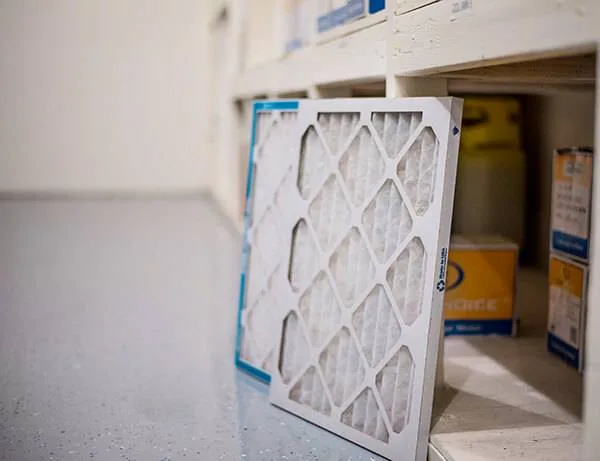
Change basic fiberglass or pleated filters every 1–3 months. High-use homes, households with pets, or locations with heavy pollen or dust need more frequent changes. In peak seasons, check filters monthly and replace when they show visible dirt or high resistance.
A clogged filter raises system strain, lowers airflow, and can cause freeze-ups on cooling systems. Mark filter dates on a calendar or use a phone reminder to keep replacement on schedule.
Start saving now
Putting a clear maintenance plan in place protects comfort and controls long-term costs. If you have not had a professional tune-up this year, start with one. Track energy use year over year after service to measure impact. Small, consistent steps often produce the biggest value over time.
For larger facilities, begin by auditing your current PM program and spend. Move reactive work into scheduled visits first, then add predictive monitoring on the highest-value assets. Use itemized reports from contractors to refine budgets and scope.
Request a free estimate
Las Vegas-area readers: call The Cooling Company at (702) 567-0707 for a free estimate and local service. We serve Las Vegas, Henderson, and North Las Vegas. Ask for NATE-certified technicians and an itemized PM plan when you call. An on-site assessment helps build a realistic annual budget and a written checklist for recurring visits.
Download the maintenance checklist
Outside our service area? Ask any contractor for NATE-certified techs and an ACCA-style checklist. Request an itemized report with delta-T, amperage readings, refrigerant levels, and recommended follow-up items. If you are local, request our checklist during your free estimate. The Cooling Company offers customized plans and seasonal reminders for homeowners and managers.
Final notes and sources
Maintenance reduces energy use and emergency costs. Budget $75–$200 per home and plan two RTU visits for small commercial units. Use age and cost thresholds (10–20% of replacement) to trigger replacement evaluations. Aim to keep reactive spend under 30% with a mature preventive program.
Sources: U.S. Department of Energy HVAC efficiency basics and the Building America Solution Center HVAC guides are good starting points for technical references and recommended practices. (Energy gov HVAC Efficiency Basics) (Building America Solution Center HVAC Guides)
Related reading: what to explore next?
Expand your knowledge with these related guides from our experts. Each article provides in-depth information to help you make informed decisions about your HVAC system and home comfort needs.
- Benefits of Humidifier in Las Vegas: What to Try Right Now
- Average HVAC Maintenance Cost in Las Vegas (2025 Guide)
- HVAC Maintenance Checklist: What Should Be Included in Your Service?
- HVAC Tune-Up Checklist: 18 Steps for Peak AC Performance
Need HVAC service help in Las Vegas?
If you're facing an HVAC emergency in Las Vegas, Henderson, or North Las Vegas, The Cooling Company offers fast, reliable service from licensed technicians. We understand that heating and cooling emergencies don't wait for business hours.
Call us now at (702) 567-0707 for emergency service. Our team is ready to help restore your comfort quickly and safely.
About The Cooling Company
The Cooling Company has been serving the Las Vegas valley with professional HVAC services for over a decade. Our team of licensed, NATE-certified technicians specializes in air conditioning repair, heating system maintenance, and complete HVAC installations. We're committed to providing honest, reliable service with upfront pricing and a 100% satisfaction guarantee on all work performed.
- Phone: (702) 567-0707
- Reviews: 4.8/5 stars (780+ reviews) - See reviews
Service Areas
We proudly serve homeowners and businesses throughout the Las Vegas metropolitan area, including Las Vegas, Henderson, and North Las Vegas. Our service technicians are available for same-day appointments in most areas, with emergency service available 24/7 for urgent HVAC issues.
Need HVAC Service in Las Vegas?
The Cooling Company provides expert HVAC service throughout Las Vegas, Henderson, and North Las Vegas. Our licensed technicians deliver honest assessments, upfront pricing, and reliable results.
Call (702) 567-0707 or visit AC repair, maintenance, heating, or installation for details.