
Short answer: You spend a sizable amount of money on utility bills, so you quite naturally look for ways to conserve energy. Intuitively, you turn to your HVAC system, with its programmable features and controllable airflow, because of how much it affects your utilities and your wallet. When you ask for help in your fight against high energy costs, some HVAC companies, with their enticing renewable energy sales pitches, will try to sell you a new, energy-efficient system. This could include added filters to improve air quality. Buying a new system can torpedo your budget faster than your power bills can.
HVAC System Updates That Save You Money
HVAC technology evolves just like technology in other industries. You can leverage technology to upgrade rather than replace your HVAC system. Some of the options available to you, such as regular maintenance and tune-ups or perhaps even installing solar panels to take advantage of renewable energy, will reduce your energy usage for many years to come. In addition, you could consider sealing and caulking your doors and windows to further reduce energy waste. For more ways to cut costs, read our HVAC energy-saving tips. These 3 HVAC system updates will help you get started.Zone Damper Systems
Ordinarily, you have one thermostat to control the climate in your entire house. A zone damper system segments your home, adding additional thermostats, so you can stop spending money on heating and cooling rooms that you rarely, if ever, in use. The system has a programmable feature and can also help compensate for rooms that naturally stay warmer or cooler than the rest of your house. The Zone Damper System, also known as the Straight Jacket HVAC System, is used to cool offices or homes down during the summer months when it’s hot outside. Straight Jacket has made a name for itself by offering both low-cost and high-quality products that will keep you and your family cool throughout the day. Adding energy-saving filters enhances the efficiency of these units. In the last few years, the world has changed and so have HVAC systems. Zone damper systems not only save energy but also extend the life of your electrical system. This is done by adjusting the thermostat to match your actual energy use. Furthermore, solar energy is a viable renewable resource that can be used to supplement your HVAC system usage. The efficiency of HVAC systems has been increasing rapidly over the last several years. This is good for homeowners who save energy by improving the way they heat and cool their homes. Zone damper systems are a great way to save space while still keeping the indoor environment clean. They eliminate mold, mildew, dirt, dust, stains, and pollutants that build up inside a home as a result of poor ventilation. Your damper system will control how much outside air, filtered through efficient filters, gets to mix with the return air in your vents.Mobile HVAC Controls
Your mobile phone can remotely monitor the climate inside your home and allow you to adjust your thermostat accordingly. You can program your thermostat to send you mobile alerts based on temperature or humidity. This gives you the ability to control your HVAC system and further manage your utility bills, which might include savings from solar panel use. Communications technology is evolving at a lightning pace. It used to take months to get Network Management Systems (NSMS) up and running, and even longer to install and maintain. Today, with the availability of cell phones and the potential for high-speed data transmission, HVAC systems are far more mobile. You can connect to the Internet almost instantaneously. This means that there are many more opportunities to improve the efficiency of your HVAC systems, for example by optimizing airflow through design improvements and routine maintenance. A recent study found that the average American switches off their air conditioning system 2.5 times a week. By adopting energy-saving strategies such as improvements in sealing and caulking around doors and windows, and making use of programmable features, your home’s HVAC system should be able to save you more than $450 a year if you’re using smart scheduling, remote monitoring, and weather station data. This lets you send automatically adjusted heating and cooling settings to each room in your home. That is about half of the energy bill for heating and cooling for the average American household. According to ENERGY STAR, we spend approximately $900 annually on the heating and cooling part of our energy consumption. With a setup like this in place, incorporating smart appliances and lighting, you can easily adjust the temperature in your home remotely through WiFi, even controlling the shades or blinds for added energy savings. So you no longer have to reach out to a neighbor or call a family member to drop by if you’re on vacation. You can simply adjust your energy-star rated HVAC systems heating or cooling settings via your mobile device. Many smart thermostats can be scheduled to make temperature adjustments at a particular time. This way, you don’t need to worry about this at all. In effect, your system can be more energy efficient. The overall performance of these systems could be significantly improved through addition of weatherstripping. It’s important to use modern techniques to patch leaking ductwork. Original installations of HVAC ductwork often use substandard sealants that degrade over time. You can have modern duct sealants installed that provide R-6 or R-8 insulation and meet UL 181 standards. By upgrading the seals in your ductwork, through proper installation methods, you can pocket huge savings that will keep your current HVAC system affordable well into the future. Additionally, you can use antimicrobial duct lining to reduce the number of allergens and pathogens circulating in your home.Duct Resealing
Energy conservation is an essential part of effective HVAC system maintenance. As a result, it’s critical to use energy-efficient ductwork and seals to maintain the desired temperature within your home. Simultaneously, ensuring proper functioning of your HVAC systems is equally important for energy savings. Your air conditioning vents can develop leaks for a variety of reasons. However, the most common reason is a loose duct connection. It’s not at all unusual for air leaks to develop in a duct system. If you’ve had your ducts cleaned recently, ask the service technician to look for obvious signs of air leakage. So look for gaps between sections of ductwork, disconnected ducts, and open seams on metal ducts are most common. Over time, it isn’t unusual for joints in metal ductwork to widen or gap as the rivets that hold them together wear down or fall out. This can ultimately impact the performance of your HVAC systems. The following are some of the other reasons your air conditioning vents might leak: If you notice any of these problems, you should consider calling a professional with expertise in HVAC system installation and maintenance.- Poorly installed ductwork.
- Damaged or faulty insulation.
- Ducts that are too small for the system.
- A defective or leaking evaporator coil.
- A leaky condensate drain line.
- A loose connection between the ducts and the furnace or air handler unit (AHU).

Consider Replacing Your Furnace
If your furnace is more than 15 years old, chances are it’s using a lot more energy than it needs to. When furnaces get this old, their performance decreases because their parts start to break down and wear out. They also tend to be less efficient because new models use new technology and techniques that help them use less fuel. You can’t do anything about the price of electricity or gas, but you can take action to reduce the amount of energy you use. If your furnace is sucking energy, while being inefficient, then it’s time to consider an upgrade, possibly to an energy-star rated model. The equipment, including appliances and HVAC systems, we use in our homes is important because they help us stay comfortable, but we should also consider their energy performance for both cost and environmental reasons.When it's time for an HVAC replacement, especially as temperatures continue to fluctuate, we want to know that whatever we purchase, whether it's energy-efficient air conditioners or a heat pump, will effectively do the job, keep going for years, and not use excess energy. To aid in this energy efficiency, features such as SEER (Seasonal Energy Efficiency Ratio) rating are considerable factors in reducing energy consumption. Contact TCC for a free consultation and estimate! One strategic way to cut your heating and cooling costs is to upgrade the insulation of your home. Proper insulation not only keeps conditioned air in but also blocks unconditioned air out, which helps to maintain temperatures and reduce excess demand on your air conditioners and heat pumps. Both high-quality insulation and regular replacement of air filters can significantly save you money by improving your HVAC efficiency.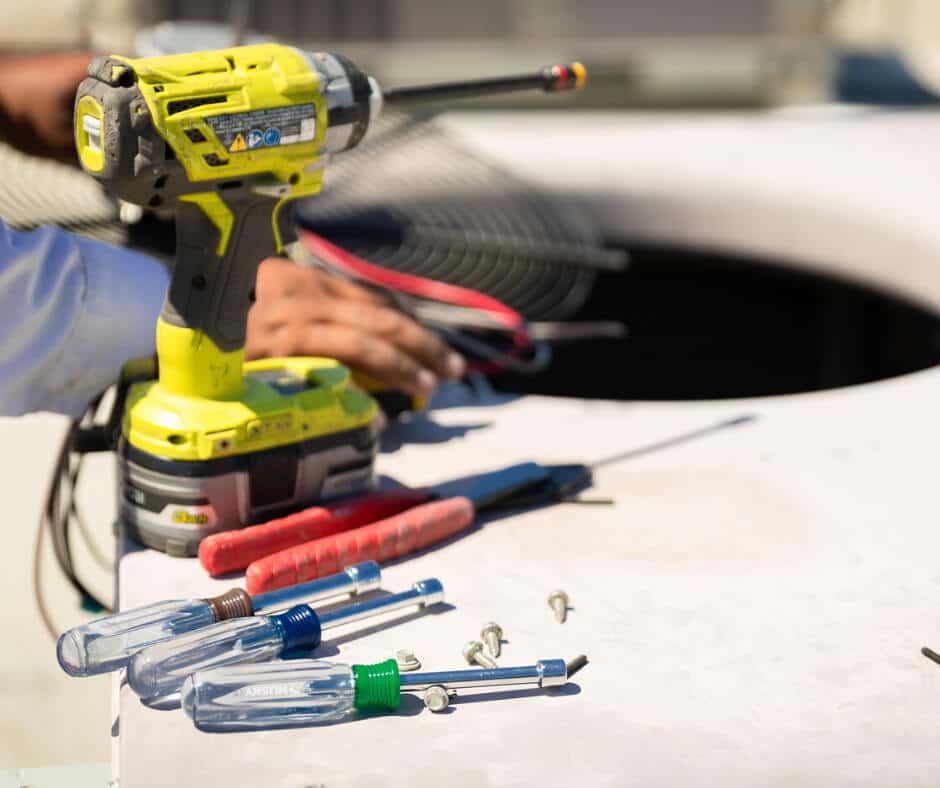
Install insulation
Installing insulation conserves energy because it acts as a barrier to the transfer of heat, reducing the need for your HVAC system to work overtime to maintain preferred temperatures. The more heat you can prevent from entering your home in the summer, and efficiently retain inside during winter, the less water and power your HVAC system will have to consume. You can add insulation throughout various zones in your home including the attic, basement, crawl space, walls, floors, and ceilings. Applying insulation to these areas can help with better temperature control year-round which, in turn, saves energy and money on heating and cooling costs. The best type of insulation for your space may vary depending on the application area. Consult with a certified HVAC technician to determine which types would work best in your situation. Fiberglass batts in unfinished attics or foam insulation sprayed on unfinished basement walls are some of the options available. Financing options might also be available to help complete your project. The air inside your home may be more polluted than the external environment. If you've ever noticed dust or dirt indoors even after cleaning, this could be attributed to stale indoor air being recirculated through your HVAC system. A solution is the installation of an energy recovery ventilator (ERV), which brings in fresh outdoor air while extracting stale air from within the home.Energy Recovery Ventilators
The efficiency of energy recovery ventilators stems from their ability to reutilize the heat otherwise lost when air is expelled out of the building by applying it to incoming fresh air. This feature allows one to maintain comfortable indoor temperatures while ensuring fresh, clean air circulates property-wide. Apart from transferring heat between the exhaust and intake air streams, many ERVs can also helm humidity transfer between the two air streams, optimally maintaining humidity levels even during hot summer months and reducing the strain on your dehumidifying systems. An ERV system can uphold a healthy indoor environment without consuming as much energy, translating to lower utility bills and increased home comfort levels. Regular HVAC maintenance can significantly save you money on your energy bills. A well-maintained system operates more efficiently and boasts a longer lifespan. Booking an annual inspection and maintenance just before the start of each heating or cooling season is highly beneficial. The inspection technician will check for leaks, clean parts, and ensure everything is working optimally. This single step can extend your HVAC's life and boost its performance.Get regular check-ups and tune-ups
Does your HVAC system require a professional examination? Contact us for an exhaustive inspection and diagnosis. Let's get your HVAC unit operating at optimal efficiency today! Schedule Now before the start of each heating or cooling season. The technician will check for leaks, clean parts, and make sure everything is working properly. This simple step can make your HVAC last longer and perform better. Need a professional check-up for your HVAC system? Contact Us for a thorough inspection and diagnosis. Get your HVAC unit to perform at optimal efficiency today!Need HVAC Service in Las Vegas?
The Cooling Company provides expert HVAC service throughout Las Vegas, Henderson, and North Las Vegas. Our licensed technicians deliver honest assessments, upfront pricing, and reliable results.
Call (702) 567-0707 or visit AC repair, maintenance, heating, or installation for details.