


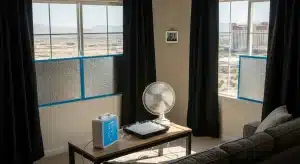
Short answer: When your air conditioner gives out on a 110 °F Las Vegas afternoon, every minute without cool air feels like an eternity. Extended indoor heat exposure can lead to heat cramps, dehydration, and even life-threatening heat stroke. While you wait for your scheduled or emergency repair appointment, these proven strategies will help you stay safe, comfortable, and in control of your temperature. From airflow engineering to body-cooling hacks, nutrition tips, portable devices, and community resources, we’ve compiled a complete blueprint to beat the heat until your AC repair tech arrives.
1. Recognize Heat Stress and Establish Safe Thresholds
Your body normally runs at around 98.6 °F. When indoor temperatures exceed 90 °F and humidity is high, sweat evaporation—your natural cooling system—becomes less effective. Prolonged exposure above 95 °F can cause:- Heat cramps: Muscle spasms due to electrolyte loss.
- Heat exhaustion: Profuse sweating, weakness, nausea, headache.
- Heat stroke: Confusion, loss of consciousness, core temperature over 104 °F—medical emergency.
2. Optimize Cross-Ventilation and Airflow Dynamics
Airflow is your first defense against indoor heat buildup. Proper cross-ventilation flushes hot air out while drawing cooler outdoor air in.Timing Your Windows
- Morning breeze: Open windows on opposite sides before 8 AM when outdoor temps fall below 80 °F.
- Evening refresh: Reopen windows after 7 PM to capture nighttime cooling.
- Midday sealing: Keep windows closed and covered between 10 AM–5 PM to block heat ingress.
Dual-Fan Strategy
- Exhaust fan: Place a box fan facing out in the hottest room to expel trapped heat.
- Intake fan: Position another fan facing in on the shaded side to draw fresh air.
- Height alignment: Exhaust low, intake high—uses convection to boost airflow.
3. Solar Heat Control: Window Treatments and Reflective Barriers
Windows account for up to 75% of unwanted solar heat gain. Blocking or reflecting that energy dramatically reduces indoor temperature.Blackout & Thermal-Backed Drapes
- Install insulated curtains with thermal lining and blackout cores.
- Mount tracks close to the wall or ceiling to minimize light gaps.
- Overlap panels by a few inches to block edge leakage.
Reflective Film & Foam Panels
- Solar film: Peel-and-stick low-E film reflects ~60% of infrared heat.
- Foam boards: Cut white foam-core or aluminum-faced bubble wrap to window size; use during peak sun for up to 80% reflectivity.
4. Evaporative and Phase-Change Cooling Hacks
Evaporation absorbs large amounts of heat—540 cal/g for water—making it a powerful cooling mechanism.Ice-&-Fan Method
- Fill shallow trays with ice cubes or frozen water bottles.
- Place directly in front of oscillating fans set to medium-high.
- As the ice melts, the airflow carries chilled, moist air across the room.
Wet Sheet Curtain
- Hang damp cotton sheets in open doorways or windows.
- Position a fan to blow through the fabric; evaporation chills incoming air.
- Resoak sheets when they begin to dry for continuous effect.
DIY Phase-Change Packs
- Freeze gel packs or sponge-wrapped water in resealable bags.
- Place behind neck fans or under a pillow for direct conductive cooling.
5. Core Temperature Management: Hydration and Nutrition
Maintaining proper hydration and internal cooling via diet are critical for thermoregulation.Electrolyte-Rich Hydration
- Mix ½ tsp salt and 1 Tbsp sugar into 1 liter of water for a homemade oral rehydration solution.
- Sip 8–12 oz every 15–20 minutes when temperatures exceed 95 °F.
- Supplement with coconut water or balanced sports drinks.
Cooling Foods
- Water-rich fruits: watermelon, strawberries, cucumbers (>90% water).
- Yogurt smoothies: blend Greek yogurt with frozen berries and mint for probiotics and chill.
- Avoid alcohol, caffeine, and heavy meals—they increase metabolic heat.
6. Smart Attire and Body Positioning for Heat Dissipation
Your clothing choice and resting position significantly influence heat loss.Fabric & Fit
- Choose loose-fitting, breathable fabrics like linen, bamboo, or moisture-wicking blends.
- Avoid damp cotton—it traps moisture when airflow is low.
Pulse-Point Cooling
- Apply cold packs or soaked towels to wrists, neck, and temples to cool blood flow.
- Use fan-assisted neck coolers for targeted relief.
Floor-Level Refuge
- Heat rises—floor surfaces stay cooler. Recline on tile or concrete for a few degrees of relief.
7. Portable and Personal Cooling Devices
Small-scale devices can create localized comfort zones.Neck & Wrist Fans
- Battery-operated fans wrap around the neck, directing airflow at pulse points.
- Wristbands with gel packs provide conductive cooling to major blood vessels.
Mini “Cool Box” System
- Place a shallow cooler filled with ice at your feet or next to your desk.
- Position a small USB fan on top, blowing cool air upward.
- The enclosed space traps chilled air, creating a mini air-conditioned bubble.
Handheld Mist Sprayer
- Fill a fine-mist spray bottle with ice-cold water.
- Mist face, neck, and arms; evaporation enhances cooling efficiency.
8. Emergency Cooling and Community Resources
If home strategies aren’t enough, escalate to safer, cooler environments.Local Cooling Centers
- Public libraries, community centers, and malls often open extended hours during heat waves—monitor City of Las Angeles alerts.
- Bring ID, water, and a lightweight mask if required.
Short-Term Hotel or Day-Use Facilities
- Book day passes at nearby hotels through last-minute apps for guaranteed AC comfort.
- Negotiate discounted rates for a few hours of respite.
Vehicle Cooling Option
- Park in shaded areas and run the car’s AC briefly, then recline on a car mat with windows cracked. Never leave the engine idling unattended.
9. Combining Techniques for Maximum Impact
Layer multiple strategies for compound cooling effects:- Start cross-ventilation in early morning → seal windows midday.
- Set up blackout curtains and reflective panels before 10 AM.
- Run ice-&-fan while sipping chilled electrolyte drinks.
- Wear breathable fabrics and apply pulse-point coolers periodically.
- Switch to a mini “cool box” at your workstation by afternoon.
10. When Heat Illness Warning Signs Appear
Be alert for:- Excessive thirst, confusion, or irritability
- Dark urine, dizziness, or fainting
- Rapid heartbeat, headache, or nausea
- Core temperature over 101 °F (use a home thermometer)
- Move to the coolest location available.
- Apply cold compresses and hydrate immediately.
- Call 911 if confusion, loss of consciousness, or high fever occur.
11. Planning for Future Outages: Long-Term Preparedness
Build resilience for the next heatwave:- Whole-House Fans & Backup Generators: Provide interim cooling or power during outages.
- Portable Evaporative Coolers & Mini-Splits: Supplemental units offer localized relief.
- Heat-Outage Kit: Stock up on bottled water, electrolyte packets, rechargeable fans, reflective curtains, and sunscreen.
- Service Agreements: Schedule annual AC tune-ups and join a maintenance plan for priority emergency service.
Conclusion
No one plans for an AC outage, but with the right knowledge and tools, you can turn a dangerous situation into a manageable one. Layer these airflow tactics, reflective treatments, evaporative hacks, hydration strategies, smart attire, personal devices, and community resources to survive the heat confidently. And for guaranteed, rapid relief, book AC Repair Services in Las Vegas now—our licensed technicians are on call 24/7 to restore your comfort and peace of mind.Related reading: emergency AC repair in Las Vegas, cooling a room without AC, and AC troubleshooting tips.
Need HVAC Service in Las Vegas?
The Cooling Company provides expert HVAC service throughout Las Vegas, Henderson, and North Las Vegas. Our licensed technicians deliver honest assessments, upfront pricing, and reliable results.
Call (702) 567-0707 or visit AC repair, maintenance, heating, or installation for details.