

AC Repair for Rental Properties in Las Vegas
Short answer: Las Vegas property managers need fast AC repair response, clear documentation, and preventive maintenance plans. Same-day triage during heat waves protects tenant comfort, reduces emergency costs, and helps maintain occupancy rates. Prioritize top-floor units and units with vulnerable tenants during peak summer demand.

Las Vegas Property Manager Context
Las Vegas rental properties face unique AC repair challenges. Summer temperatures regularly exceed 100°F, creating urgency for fast response to maintain habitability and tenant satisfaction. Property managers managing multiple units need streamlined processes for triage, documentation, and vendor coordination. Top-floor units and units with poor insulation are especially vulnerable during afternoon heat spikes. Establishing relationships with reliable HVAC contractors who offer priority scheduling and clear communication helps property managers respond quickly while controlling costs.
Cost Drivers for Rental AC Repairs
Understanding cost drivers helps property managers budget and compare quotes accurately. Several factors significantly impact repair costs:
- After-hours and peak season demand: Emergency calls during evenings, weekends, or July-August heat waves typically add 20-50% to labor rates
- Unit age and parts availability: Older units (12+ years) may require discontinued parts or custom fabrication, increasing costs and downtime
- Airflow issues from dirty filters or ducts: Neglected maintenance leads to frozen coils, blower motor strain, and compressor damage, simple filter changes prevent expensive repairs
- Refrigerant leaks vs. electrical failures: Sealed system repairs (refrigerant leaks) cost more than electrical component replacements (capacitors, contactors)
- Access challenges: Attic units, rooftop equipment, or gated communities add time and may require specialized equipment or permits
- Multi-unit coordination: Scheduling multiple units in one visit can reduce per-unit costs, while scattered calls increase travel time
AC Repair Triage Checklist for Property Managers
Use this triage checklist when a tenant reports an AC issue to determine urgency and gather information for the technician:
- Confirm symptoms: Is there no cooling at all, weak airflow, strange noises, or water leaks? Document indoor temperature if possible
- Check tenant troubleshooting: Verify thermostat is set to "cool" and temperature is below room temp; confirm breakers haven't tripped
- Assess urgency: Top-floor units, units with infants/elderly, or indoor temps above 85°F during heat waves need same-day response
- Gather access information: Confirm unit location (attic, rooftop, ground level), gate codes, lockbox codes, or preferred contact windows
- Review unit history: Check maintenance records, recent filter changes, previous repairs, or recurring issues help prioritize
- Dispatch licensed technician: Contact your preferred HVAC contractor with all details; request written diagnosis and estimate before work begins
- Set approval limits: Establish a not-to-exceed amount for repairs without owner approval to prevent delays
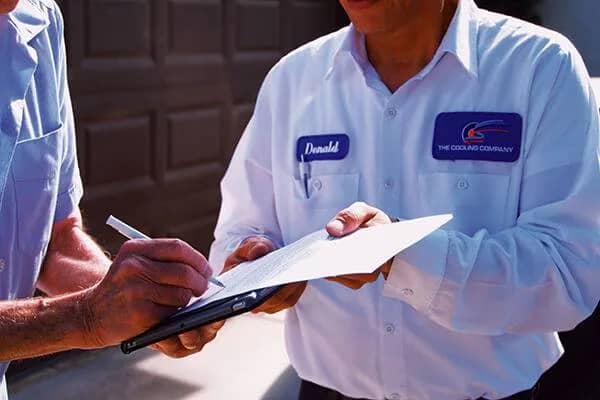
- Document everything: Save work orders, invoices, photos of repairs, and note any tenant complaints or follow-up needs
Preventive Maintenance Plan
- Spring tune-up before peak season
- Filter change at each turnover
- Mid-season airflow check in July
Tenant Communication Tips
- Provide a simple troubleshooting checklist
- Set clear response windows for emergencies
- Encourage early reporting of weak airflow
Repair vs Replace Guidance
If a unit is older than 12 to 15 years or has repeated refrigerant leaks, replacement may be the more reliable option. Compare repair cost to replacement cost and consider downtime risk.
Our AC repair cost guide breaks down the costs you can expect.
Plan for Peak Season Demand
Schedule inspections in spring and avoid waiting until July for replacements. This reduces emergency pricing and tenant disruption.
Common Rental AC Failures
- Dirty filters and restricted airflow
- Frozen coils
- Electrical issues like capacitors and contactors
- Refrigerant leaks
What a quality service visit should include
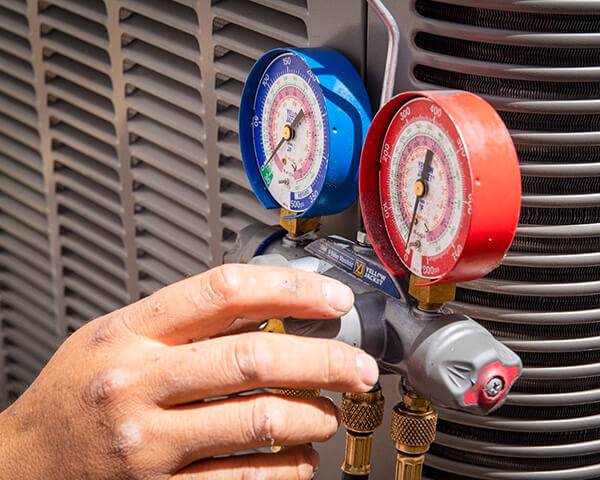
- Airflow verification and temperature split testing
- Electrical testing for capacitors and contactors
- Coil inspection and drain line checks
- Written diagnosis and repair options
Helpful resources for rental owners
- Commercial HVAC
- Commercial HVAC services
- Commercial HVAC maintenance agreement
- Commercial AC maintenance cost
- Repair or replace decision guide
Las Vegas Rental Response Playbook
- Document indoor temperature when the call comes in.
- Confirm access codes and preferred contact windows for tenants.
- Prioritize top-floor units during afternoon heat spikes.
- Track repeat calls by unit to flag airflow or duct issues.
Owner Evidence Checklist
- Written diagnosis with root cause and options.
- Airflow and temperature split readings after repair.
- Photos of failed parts and coil condition.
- Next maintenance date and filter size noted.
Emergency Response Plan for Rentals
- Single approval contact with a not-to-exceed limit.
- Access instructions for gated communities or lockboxes.
- Priority list for seniors, infants, or medical needs.
- Same-day triage steps shared with tenants.
FAQs About Rental Property AC Repairs
How can I reduce emergency calls?
Use a preventive maintenance schedule and respond to early warning signs.
Do you work with property managers?
Yes. We support landlords and property managers across the valley.
Can you provide service records?
Yes. We provide itemized invoices and documentation.
Do you offer priority scheduling?
Yes. Maintenance plans include faster response windows.
Do you service Henderson and North Las Vegas?
Yes. We serve the entire Las Vegas Valley.
Can you coordinate with tenants directly?
Yes. We can coordinate scheduling with tenants when authorized by the owner.
Should I standardize filters across units?
When possible, yes. It simplifies maintenance and reduces downtime.
Share This Page