


Short answer: Discover HVAC maintenance tips for Lennox heat pump installation: 5 fast checks, Manual J, ducts, airflow, refrigerant and proof to lower energy bills.
Lennox heat pump installation: 5 fast checks to cut energy bills (Energy gov Heat Pump Tips)
Key Takeaways
- Require a written Manual J load calculation before you buy.
- Verify the installer holds EPA 608 and local licensing.
- Confirm measured airflow and refrigerant‑charge verification at startup.
A properly installed Lennox heat pump can cut energy bills and improve comfort quickly. Insist on a Manual J load calculation, duct inspection, electrical verification, measured airflow, and refrigerant‑charge checks. Keep paperwork for rebates and warranty claims. Hire EPA‑608 or NATE‑certified technicians for refrigerant work and commissioning. This guide lays out practical checks, vetting steps for contractors, expected costs, and documentation to protect your investment.

Is a Lennox heat pump right for my home?
Heat pumps can provide both heating and cooling with one system. They often lower operating costs when installed and sized correctly, particularly in climates with moderate winters. Before switching, evaluate your goals, fuel prices, and the condition of insulation and ductwork. Blanket statements about savings do not apply to every house; the installation details do.
Try our energy savings calculator to see how much you could save.
Start the decision with a Manual J load calculation performed by the contractor or a third party. Manual J estimates heating and cooling loads in BTU per hour for each room. Match equipment capacity to the calculated load rather than basing sizing on house square footage. Correct sizing prevents short cycling and improves comfort and dehumidification.
What are the main Lennox heat pump models?
Lennox offers models across entry, mid, and premium tiers with single‑stage, two‑stage, and variable‑speed inverter compressors. Premium models tend to offer higher SEER2 and HSPF2 ratings and quieter outdoor operation. When choosing a model, match the rated capacity and seasonal efficiency to your Manual J results and budget, not simply the highest advertised rating.
For a detailed cost breakdown, see our HVAC pricing guide.
Consider whether you need a cold‑climate variant. Cold‑climate Lennox models include compressor and refrigerant circuit changes to maintain capacity at lower temperatures. Use manufacturer capacity tables to choose equipment that meets your local design temperatures.
How does heat pump efficiency affect bills?
SEER2 rates cooling performance and HSPF2 rates seasonal heating efficiency. Higher SEER2 and HSPF2 numbers generally reduce annual electricity use, but the dollar savings depend on your local electric rate and hours of operation. Calculate expected annual energy use for candidate models using your electric rate and local degree‑days to estimate real savings.
Also factor in rebates and tax credits. Many incentive programs require specific SEER2/HSPF2 thresholds. Include those requirements in the bidding scope to ensure eligibility and avoid surprises after installation.
Will a heat pump work in cold climates?
Modern cold‑climate heat pumps maintain higher capacity at low outdoor temperatures using inverter compressors and optimized refrigerant designs. Still, in very cold regions a backup heat source may be needed to cover design‑day heating loads. Backup options include a gas furnace in a dual‑fuel setup or electric resistance heat as a last resort.
Ask the installer for capacity tables that show performance at your local design temperature. Confirm that the system can meet heating load targets or that the contract includes a hybrid system plan and controls for automatic changeover.
How to check existing ductwork condition?
Ductwork problems can erase the efficiency gains from a new heat pump. Inspect ducts in attics and crawlspaces for detached joints, crushed runs, and missing insulation. Unsealed ducts can leak 20–40% of conditioned air in some homes. A visual inspection alone is not enough; request a duct leakage test to measure loss in cubic feet per minute (CFM).
If ducts require repair or redesign, include that scope and cost in the bid. Proper sealing, correct sizing, and adequate insulation in unconditioned spaces protect delivery of conditioned air and reduce run times.
Can I pair a Lennox heat pump with my furnace?
Yes. In a dual‑fuel setup the heat pump runs as the primary source until temperatures fall below a setpoint. Then the furnace takes over for more efficient heat delivery. Controls and the thermostat must sequence the changeover smoothly to avoid cycling or comfort lapses.
Confirm thermostat compatibility in the proposal. Ask the installer to test hybrid control behavior during startup and show the changeover operation in a signed startup report.
What electrical upgrades might be needed?
Heat pump circuits must follow manufacturer specs for breaker size and wire gauge. Smaller systems may use 20–30 amp breakers while larger cold‑climate models can need 40–60 amp circuits. If your service panel is near capacity, expect a subpanel or full service upgrade.
The installer should list required breaker sizes, conduit runs, and disconnects in the proposal. If an upgrade is needed, get a separate line item and timeline in writing so permits and parts don’t delay the project.
How long does a typical install take?
A straight swap of like‑for‑like equipment often completes in one to two days. Jobs that include duct redesign, panel upgrades, or permitting can take several days or weeks. Permit timelines vary widely by locality and can add unexpected lead time.
Ask the contractor for a realistic schedule in writing that includes permit pull time, equipment delivery windows, and expected inspection dates. That helps you plan around occupancy or weather constraints.
What warranties come with Lennox units?
Lennox provides parts and compressor warranties that vary by model. Premium units may include longer compressor coverage. Labor warranty length and coverage come from the installer, not Lennox. Confirm labor warranty terms in the contract.
Register the equipment per manufacturer instructions and keep install records and the signed startup sheet to preserve warranty rights. Missing registration or startup documentation can complicate future claims.
What are common install pitfalls to avoid?
Common issues include oversizing, leaky or undersized ducts, incorrect refrigerant charge, and skipping commissioning. Oversized systems short‑cycle and fail to remove humidity properly. Improper refrigerant charge reduces capacity and increases power use.
Demand measured airflow, static pressure readings, and refrigerant verification at startup. Hold final payment until the startup sheet is signed and the installer corrects any failures.
Which 5 fast checks cut energy bills today?
Before and immediately after installation, five checks catch common errors that waste energy. These checks focus on correct sizing, duct condition, electrical readiness, thermostat compatibility, and formal commissioning. Make documented evidence for each item a contract requirement to avoid surprises and to preserve rebate eligibility.
Learn about available federal tax credits for energy-efficient HVAC equipment.
If an installer resists documentation, consider other bids. Clear testing and paperwork helps ensure the job qualifies for rebates that require proof of testing and commissioning. Below are details for each check and the reason to insist on them.
Is the heat pump sized correctly?
Sizing should start with an ACCA Manual J heat‑load calculation. Manual J provides room‑by‑room heating and cooling loads. Aim for equipment capacity within 0–15% of the calculated tonnage and match sensible and latent cooling needs.
Oversized systems will short‑cycle, creating uneven comfort and poor humidity control. Undersized systems cannot meet design conditions. Keep the Manual J report with the contract and verify the quoted model and coil match the load calculation.
Are ducts sealed and insulated?
Sealed ducts reduce leakage and improve delivered airflow. Insulate ducts in unconditioned spaces to prevent heat loss. Ask for a duct leakage test and a written plan that lists sealing methods, insulation R‑value, and costs.
Include duct repair tasks in the contract, not as an open‑ended add‑on. Proper sealing and insulation often pay back quickly through lower fan and heating/cooling runtime.
Does electrical service meet needs?
Confirm the main breaker and wire gauge can handle the proposed load. The installer should list breaker size, conduit runs, and disconnect location in the proposal. If a service upgrade or new subpanel is required, get a separate line item and timeline in writing.
Electrical work can delay projects when discovered after equipment is ordered. Ask for a pre‑visit to confirm panel capacity before purchase to avoid schedule slips and add‑on costs.
Is thermostat and controls compatible?
Many Lennox variable‑speed and communicating systems need compatible thermostats to run at peak efficiency. Ensure the quoted thermostat supports all control functions, including staging, communicating protocols, and remote access if required.
Test thermostat‑to‑unit communication during startup and ask the installer to demonstrate app functionality and changeover behavior. Document compatibility and settings in the startup report.
Is commissioning and testing included?
Commissioning verifies the system meets manufacturer specs and design targets. A proper startup includes measured airflow, static pressure, superheat or subcooling tests, refrigerant verification, and control checks. Require a signed startup sheet listing measured numbers, technician name, and date before releasing final payment.
Commissioned systems are less likely to need early repairs. Make commissioning a contract requirement and keep a copy for rebate and warranty support.
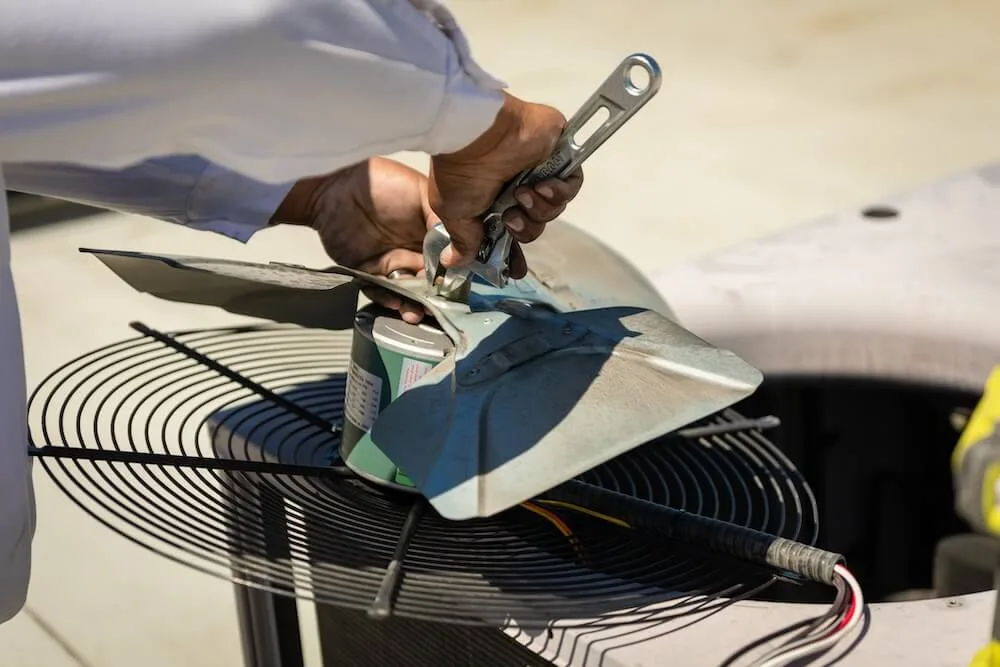
How to vet and hire a Lennox installer
The installer matters more than the brand. Proper installers follow ACCA standards, document work, and perform full commissioning. They provide itemized quotes that list equipment details, airflow targets, and permit tasks. Get at least three itemized quotes with the same scope to compare fairly.
Check for technical skill, clear communication, and documented testing. Avoid the lowest bid if it leaves out testing or permits. Installers who photograph work and hand over a startup packet often provide better long‑term service and easier warranty claims.
What credentials should installers have?
Ask for local HVAC licensing, EPA 608 certification, and manufacturer dealer status. NATE certification and Lennox training are good indicators of current best practices. Confirm license numbers and dealer status before signing a contract to avoid permit or warranty issues.
Record credential numbers and request copies of certifications. Those documents may also be required by rebate programs.
How to compare written quotes?
Compare model numbers, SEER2/HSPF2 ratings, coil type, and included services. Check whether duct sealing, commissioning, permits, and electrical work are included. Line‑item comparisons help spot hidden fees and differing scopes.
Favor a clear scope and documented testing over the lowest price. A concise, comparable bid makes it easier to evaluate long‑term value rather than short‑term cost.
Which Lennox warranties cover labor?
Manufacturer warranties typically cover parts and compressors. Labor warranty is provided by the installer and varies by company. Ask for a written labor warranty that lists duration, coverage limits, and procedures for claim handling.
Confirm any required steps to activate manufacturer warranties, such as registration or recorded startup, and include those actions in the contract timeline.
How to check contractor references?
Request recent local projects similar to your job and contact past customers. Ask about schedule adherence, site cleanup, and whether the installer provided startup reports and documentation. Look for consistent patterns in reviews rather than single comments.
Also check with local trade licensing boards and the Better Business Bureau for unresolved complaints. Quality contractors are usually proud to share references and startup documentation.
What qualifications for refrigerant handling?
EPA 608 certification is required in the U.S. For refrigerant work. Newer refrigerants may also require manufacturer training and proper recovery equipment. Ask which refrigerant the unit will use and confirm the techs have experience and equipment to handle it safely.
Improper refrigerant handling can void warranties and harm equipment performance. Verify tech credentials in writing.
How to spot high-quality workmanship?
Look for neat piping, secure insulation, vibration isolation, and labeled breakers. Indoor air handlers should be level and access panels sealed. Photographs of the work during and after installation are useful evidence of quality.
A tidy site and clear documentation often correlate with technicians who care about long‑term system operation and customer satisfaction.
What red flags appear in a proposal?
Vague scope, missing Manual J, or equipment‑only quotes are warning signs. Avoid bids that skip permits or testing, and beware of pressure sales tactics or large upfront deposits. Insist on a clear timeline, payment schedule, and documented scope before committing.
If a bid lacks testing or a startup checklist, ask the contractor to add those items or seek other quotes. Clear contract language prevents disputes and protects rebates.
Are permits and code inspections required?
Most localities require permits for HVAC replacements and new equipment. Permits ensure work meets electrical and refrigerant codes. The installer should pull required permits and schedule inspections. Confirm who covers permit fees in the contract to avoid surprises.
Permitting timelines differ by jurisdiction. Ask the contractor to include expected permit processing time in the schedule.
How long should job site cleanup take?
Cleanup should conclude on the last install day. The crew should remove old units, scrap copper, and packaging. They should vacuum and repair minor damage before leaving. Inspect the site before final payment and hold final funds until cleanup is complete.
Photograph final conditions and save the images with the startup report in case of later disputes.
What installation costs should I expect?
Installed costs vary by model, home size, and required work. Basic retrofits in many markets may run $6,000–$9,000. More complex installations with panel upgrades, duct repairs, or rooftop rigging can range $9,000–$15,000 or higher. Local labor rates and permit costs influence the final number.
Consider life‑cycle cost rather than upfront price alone. Higher efficiency equipment and proper ductwork may raise initial cost but lower yearly bills. Factor in rebates and tax credits to calculate net cost and payback.
What is the typical price range?
For many homes, a 3‑ton Lennox retrofit typically falls in the $6,000–$9,000 range. A cold‑climate inverter unit with duct repairs and electrical work often sits in the $9,000–$14,000 range. Prices vary widely by region and scope.
Obtain itemized bids and verify included services so you can compare apples to apples.
Which hidden costs increase quotes?
Hidden costs can include electrical service upgrades, crane or forklift charges for rooftop installs, duct redesign, or hazardous material abatement. Permit and inspection fees also add to the bill. Ask the installer for a list of potential add‑ons and set a contingency budget for surprises.
Request allowances for likely scenarios and require contractor approval before proceeding with extra work to avoid unexpected charges.
How to estimate payback and ROI?
Estimate annual savings by comparing the heat pump’s expected energy use with your current system and local electric rates. Subtract rebates and tax credits from the installed cost to calculate net investment. Divide net cost by projected annual savings to estimate years to payback.
Use conservative assumptions for runtime and savings to avoid optimistic payback timelines. Keep all calculations and documentation for future resale or rebate audits.
How do rebates and tax credits apply?
Federal, state, and utility incentives change often and can reduce net cost substantially. Many programs require specific SEER2 or HSPF2 thresholds and documented commissioning. Verify current program rules and include required paperwork in the contract to preserve eligibility.
Keep all spec sheets, AHRI certificates, permits, and the signed startup report. Some rebates require pre‑approval or post‑installation inspection. Missing a required step can void the incentive, so follow each program’s instructions closely.
What federal tax credits are available?
Federal rules can provide tax credits for qualifying heat pump installations. Eligibility often depends on equipment efficiency and program dates. Credit amounts and conditions change; consult current IRS guidance or a tax professional before counting on a specific amount.
Save all invoices and documentation needed to substantiate the credit when filing.
Do local incentives affect Lennox installs?
Utility and state programs often offer rebates for high‑efficiency heat pumps and related work such as duct sealing or insulation. These programs may require specific equipment tiers and certified installers. Ask contractors which local programs they have helped customers redeem.
Confirm rebate rules before signing so required steps like pre‑approval or documented commissioning are completed.
How to find utility rebate programs?
Check your utility website and state energy office for current offers. Contact the utility if rules are unclear, and save approval emails or application numbers. Some rebates require pre‑approval before equipment purchase.
Ask your installer which local incentives they commonly work with and whether they can help submit paperwork.
What paperwork proves efficiency?
Keep the manufacturer spec sheet, AHRI certificate, unit serial numbers, and the signed startup sheet showing measured airflow and refrigerant verification. Store digital copies of all documents for rebates, warranty claims, and tax records.
Organized documentation speeds applications and reduces the chance of a denied incentive claim.
How do contractor certifications affect rebates?
Some programs require certified installers, such as Lennox dealer status or NATE certification. Rebates may be denied if the installer lacks required credentials. Confirm installer eligibility for incentives before signing a contract to avoid losing funds later.
Request proof of the contractor’s standing with required programs and save that proof with rebate applications.
Can rebates cover additional electrical work?
Certain programs pay for electrical upgrades tied to heat pump installations, but coverage varies. Some incentives include service upgrades or smart meter hardware. Ask the program and installer which electrical items qualify and what paperwork to submit.
Clarify reimbursement timing and any pre‑approval steps before starting work.
What role does SEER2 and HSPF2 play?
SEER2 and HSPF2 are updated DOE seasonal metrics for cooling and heating. Many incentives reference these values rather than legacy SEER/HSPF numbers. Confirm the quoted model lists SEER2 and HSPF2 ratings and request those figures in the proposal.
Include the spec sheet with the proposal to avoid mismatches when applying for incentives.
How long do incentive applications take?
Processing times range from weeks to months. Utility rebates can be instant or take several weeks; federal tax credits follow your tax return timeline. Submit documents promptly and follow up with the program office if responses lag.
Keep copies of submission receipts and application IDs for tracking.
Are retrofit installs eligible for credits?
Many retrofit jobs qualify, but program rules differ. Some incentives require replacing fossil fuel systems or hitting efficiency thresholds. Get written confirmation from the program before purchase to avoid losing incentives after installation.
Document eligibility and include it in the contract if the incentive is part of your financing plan.
What documentation should you keep?
Store Manual J printouts, equipment invoices, AHRI certificates, permits, and the signed startup report. Keep both paper and digital copies for ease of access. Organized records help with rebates, resale value, and warranty claims.
Create a single folder or cloud directory labeled with the installation date and system serial numbers for future reference.
How do seasonal factors change performance?
Heat pump output and efficiency vary with outdoor temperature. Cooling aligns with SEER2, while heating follows HSPF2 and the unit’s cold‑climate capacity tables. Expect reduced capacity and lower efficiency in extreme cold.
Plan for backup heat if local design temperatures fall below the unit’s rated capacity. Verify expected performance in manufacturer tables and the Manual J assumptions.
What maintenance lowers long-term cost?
Replace or clean filters monthly during heavy use. Clean outdoor coils and check refrigerant lines and drain pans yearly. Schedule annual tune‑ups with a licensed technician to catch small issues early. Keep a log of services and findings to track trends.
Professional maintenance preserves efficiency and extends equipment life, improving long‑term cost outcomes.
Where to get professional commissioning?
Licensed Lennox dealers and trained HVAC contractors provide professional commissioning. Some incentives require third‑party verification, so ask if the contractor offers that service and include it in the contract. Keep the signed commissioning report for rebate and warranty documentation.
Commissioning is a small fraction of total cost but yields outsized value by preventing early failures and ensuring efficiency.
Ready to schedule an install?
When you are ready, book a site visit with clear expectations. Ask for a pre‑visit to confirm electrical capacity, inspect ducts, and run a Manual J. Make commissioning, permits, and a signed startup sheet part of your contract to protect comfort and incentives. Get at least three itemized quotes and compare like for like.
Confirm rebate eligibility and timeline, and ask for a detailed schedule and payment plan. A clear plan avoids last‑minute surprises and keeps the project on budget. Hold final payment until you receive the signed startup report and confirm measured airflow and refrigerant verification.
How to request a site visit?
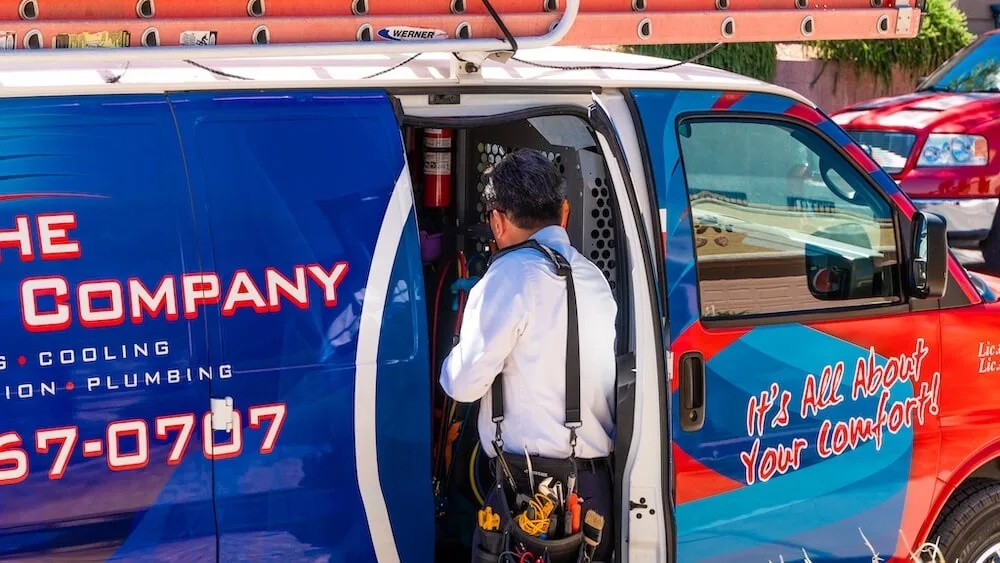
For Las Vegas area homeowners, call The Cooling Company at (702) 567-0707 to schedule a site visit. Ask for a Manual J, detailed duct documentation, and a written quote that lists SEER2 and HSPF2 ratings. Request EPA‑608 or NATE‑certified technicians and a full startup checklist.
Outside Las Vegas, ask local installers for NATE certification and proof of Manual J and commissioning. Request copies of licensing and EPA 608 certificates before the visit. Compare those documents to choose a qualified installer in your region.
What happens after you book service?
The installer will confirm access and may schedule a pre‑visit to check panel capacity and inspect ducts. Permits are pulled and equipment ordered after Manual J and panel checks are complete. On install day expect removal of old gear, pad or mount work, piping, vacuuming, charging, and commissioning.
Do not release final payment until you receive the signed startup report and confirm measured airflow and refrigerant verification. Keep all documents for rebates and warranties and store them in a single folder for future use. Ready to schedule? Call The Cooling Company at (702) 567-0707 for service in Las Vegas, Henderson, and North Las Vegas. We run Manual J loads, test ducts, and provide EPA‑608 certified technicians who perform full commissioning. If you live outside our service area, ask installers for NATE certification and Lennox dealer training before you commit.
You Might Also Like
This aspect deserves careful consideration as you evaluate your options. Understanding the details helps you make more informed decisions. Consulting with qualified professionals provides additional insights specific to your situation. Take time to consider how this information applies to your particular needs and circumstances. Making well‑informed choices typically leads to better long‑term outcomes and greater satisfaction.
- ac repair costs
- troubleshooting hvac odors
- ruud furnace problems
- trane furnace repair henderson
- how much to install hvac system in old house
Sources and notes:
- U.S. Department of Energy, Heat Pump Systems: Energy gov Heat Pump Tips
Critical compliance notes: Keep all startup documentation, Manual J load calculations, AHRI certificates, permits, and signed commissioning reports. Require EPA‑608 or NATE certification for refrigerant handling and commissioning. Put simply, hold final payment until the startup sheet is signed.
About The Cooling Company
The Cooling Company has been serving the Las Vegas valley with professional HVAC services for over a decade. Our team of licensed, NATE-certified technicians specializes in air conditioning repair, heating system maintenance, and complete HVAC installations. We're committed to providing honest, reliable service with upfront pricing and a 100% satisfaction guarantee on all work performed.
- Phone: (702) 567-0707
- Reviews: 4.8/5 stars (780+ reviews) - See reviews
Service Areas
We proudly serve homeowners and businesses throughout the Las Vegas metropolitan area, including Las Vegas, Henderson, and North Las Vegas. Our service technicians are available for same-day appointments in most areas, with emergency service available 24/7 for urgent HVAC issues.
References
- U.S. Department of Energy (Energy.gov) (accessed 2026-01-01)
- U.S. Environmental Protection Agency (EPA) (accessed 2026-01-01)
- ASHRAE (Standards and guidance) (accessed 2026-01-01)
- ENERGY STAR (Heating & cooling) (accessed 2026-01-01)
Need HVAC Service in Las Vegas?
The Cooling Company provides expert HVAC service throughout Las Vegas, Henderson, and North Las Vegas. Our licensed technicians deliver honest assessments, upfront pricing, and reliable results.
Call (702) 567-0707 or visit heating, furnace repair, heat pump installation, or heating maintenance for details.