
Short answer: Photo the iComfort code, note timestamps, and power-cycle the thermostat at the breaker for 30 seconds. Check the C‑wire, batteries, and Wi‑Fi. Inspect the outdoor unit for airflow and debris, replace filters, and log symptoms. If codes return, contact a Lennox/NATE technician in Summerlin for diagnostics. (ASHRAE Technical Resources)
Key Takeaways
- Photograph the code, save timestamps, and record conditions before fixes.
- Power-cycle the thermostat, check the C‑wire and Wi‑Fi, and clear outdoor airflow.
- Replace filters and inspect wiring; note oil or hissing on lines for leaks.
- Call a Lennox/NATE tech when compressor, refrigerant, or electrical faults persist.
What do iComfort error codes mean?
iComfort codes are short fault messages the thermostat shows when it sees a problem. They match wiring, sensors, or safety limits inside your HVAC system. Reading the code gives fast clues about whether the issue is simple or needs a certified repair. Many codes point to electrical or airflow problems rather than the thermostat itself. In hot Summerlin weather, high pressures, long run times, and weak voltage often trigger codes. Keep a note of the exact code and the conditions when it appeared.How do I capture an iComfort code?
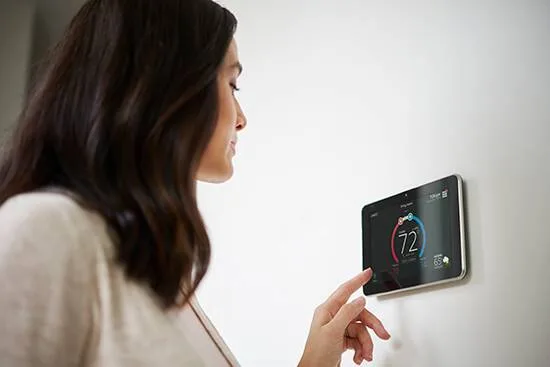
Use your phone to take a clear photo of the thermostat screen and the iComfort app. Include the mode, setpoint, and indoor temperature in the same image when possible. These photos help a technician match codes with system logs. Send screenshots of the app alert history to support staff before a visit. Include the time the code started and whether it was steady or intermittent. Clear evidence reduces guesswork and may cut diagnostic time.Where does the thermostat show codes?
Codes appear on the iComfort touchscreen and inside the mobile app alert list. Some models also store a short event history you can screenshot. If the display is blank, the control board or 24VAC supply may be at fault. Check the air handler control board for LED patterns or error lights if the thermostat shows no information. Those LEDs often map directly to common faults and help technicians confirm the problem remotely.Which codes are most common in Summerlin?
Summerlin homes often see communication errors, sensor opens, and low-voltage faults during heat waves. High head pressure and compressor lockouts also show up more in hot, dusty months. These conditions stress contactors and capacitors. Humidity and long run times raise the chance of failed motors or capacitors. Keep records of when codes occur and local weather to help technicians spot patterns tied to heat or voltage dips.How do I troubleshoot basic faults?
Start with low-risk checks that do not void warranties or expose you to power. Photograph the code, log timestamps, and power-cycle the thermostat at the breaker for 30 seconds. Confirm Wi‑Fi connectivity and app status before doing any wiring work. (ASHRAE Technical Resources) If you smell burning or musty odors, consult troubleshooting hvac odors for safe guidance. Next, inspect the outdoor unit for debris and check that vents are clear. Replace a dirty air filter and note any unusual noises. If a fault returns soon after these steps, save photos and call a certified tech for safe diagnostics.How to check thermostat wiring safely?
Turn the breaker off before removing the thermostat cover to inspect wires. Take a photo of the thermostat wiring terminals so you can restore them exactly. Look for loose or corroded wires on the R, C, Y, W, and G terminals. If you do not feel comfortable touching low-voltage wiring, stop and call an HVAC pro. A wrong wire move can damage the control board or cause new faults that were not there before.Should I check the circuit breaker?
Confirm your outdoor condenser breaker and the air handler breaker are on. A tripped 240V breaker will stop the compressor but may leave the thermostat powered when a C‑wire is present. Reset a single trip once and watch. Do not repeatedly reset a breaker that trips right away. Repeated trips usually mean a short in the compressor or fan motor, both of which need a licensed technician and proper tools to diagnose safely.Can outdoor unit obstructions cause errors?
Outdoor blockages reduce airflow and raise head pressure, which can trigger safety lockouts. Keep at least two feet clear around the condenser and remove leaves, toys, and overgrown plants before calling a tech. Clearing debris often restores normal operation. Check for debris in the top of the condenser and bent fins on the coil. Dirty coils increase operating pressure and can make the system run longer. Often leads to control codes related to high pressure or overheating.How often should I replace the air filter?
Change standard filters every one to three months in hot, dusty climates like Summerlin. A clogged filter reduces airflow, raises system pressure, and often causes faults that look electrical but are actually airflow related. Keep spare filters on hand. If you use a high-efficiency filter, check it monthly at first and adjust replacement intervals based on how dirty it gets. Good filter maintenance reduces service calls and keeps the system running efficiently.When must I call a pro?
Call a certified technician when codes persist after safe checks, or if faults name compressor or refrigerant. Also call if you see oil stains, hear grinding noises, or find tripped breakers that reset and trip again. Those signs point to work needing certification. For furnace-specific symptoms, articles like ruud furnace problems explain common signs and next steps. Emergency service is wise for no-cool conditions, repeated compressor lockouts, or visible refrigerant leaks. These problems can quickly increase repair costs and, in extreme heat, risk home comfort and food safety. (ASHRAE Technical Resources)What risks void Lennox warranty?
Unauthorized work on refrigerant lines or control boards can void Lennox warranties. Using non-OEM parts for covered items also risks denial of claims. Keep repair records and ask your tech to document any replaced Lennox parts on the invoice. If warranty service is a factor, request a Lennox-authorized dealer. That helps ensure replaced components match factory expectations and that you keep warranty coverage intact for future issues.Why does refrigerant service need a licensed tech?
Federal law requires certified handling of refrigerant due to environmental and safety rules. Licensed techs carry gauges, leak detectors, and recovery machines for legal and safe work. Homeowners should not attempt refrigerant charging or repairs. A licensed technician can also test system pressures correctly and find leaks before charging. That saves money by avoiding repeated refrigerant top-ups that hide the real issue.When is a NATE-certified technician required?
Use a NATE-certified tech for complex diagnostics, control-board swaps, or warranty work. NATE certification shows the tech passed industry tests and has verified knowledge about HVAC systems. This helps when you need accurate troubleshooting. Ask the company about their NATE technicians and Lennox authorization before scheduling work. That gives you confidence the technician meets manufacturer and industry standards.How costly are compressor failures?
Compressor replacement can cost several thousand dollars, depending on model and system access. Prices typically range from low four figures to higher, based on SEER rating and labor difficulty. Early electrical or airflow fixes can often prevent this large expense. For budgeting and regional estimates, see ac repair costs. You can also review our comprehensive Lennox repair guide for model-specific cost ranges and the most common failure patterns in Las Vegas. Document codes and symptoms early to give techs the context they need. Quick diagnosis of electrical faults or blocked airflow can often save the compressor from premature failure.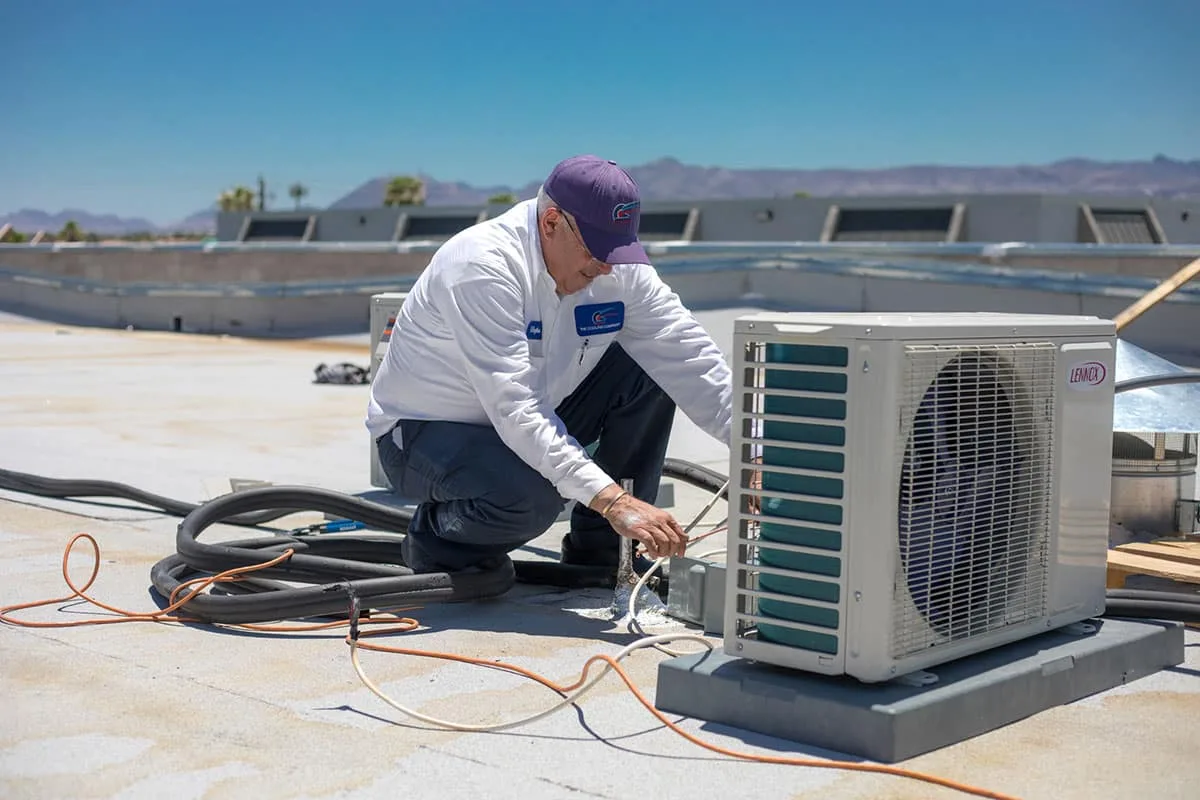
What preventative maintenance helps?
Regular upkeep cuts error frequency and keeps efficiency high. Replace filters, clear the outdoor unit, and test capacitors and contactors during tune-ups. A good maintenance plan identifies weak components before they fail under stress. Schedule seasonal checks twice yearly in hot areas. Preventive work reduces emergency calls in the summer and keeps warranty terms clear. A documented service history also supports any future parts claims with Lennox.What maintenance reduces error frequency?
Two annual tune-ups catch early wear on capacitors, contactors, and motors. Techs clean coils, test electrical components, and verify refrigerant charge. Replacing weak capacitors before they fail reduces sudden lockouts and no-cool calls. Simple owner tasks like filter changes and clearing debris around the condenser make a big difference. These steps are low cost and cut the chance of error codes that look more complex than they are.When should I schedule seasonal tune ups?
Book a spring tune-up before the cooling season and a fall check after heavy use. Early scheduling in high-demand areas like Summerlin secures appointments and avoids long waits during heat waves. Busy seasons often fill weeks in advance. (ASHRAE Technical Resources) Ask techs to test start capacitors and contactor pull-in, and to record control-board LED states. Those notes can help diagnose intermittent codes that only appear under load.How to use iComfort schedules efficiently?
Let the iComfort thermostat run gradual setbacks rather than wide, sudden changes. Moderate setpoint changes reduce compressor cycling and protect the system from stress. Use home/away features to limit runtime while keeping comfort. Avoid extreme overnight setpoints that force hard cooling when the system cycles on. Consistent, small adjustments often give the best energy savings and reduce the chance of control safeties tripping.How to interpret advanced iComfort codes?
Advanced codes often indicate communication, low-voltage faults, or safety lockouts. Many times the root cause is wiring, transformer failure, or airflow rather than the thermostat. Matching codes to symptoms speeds accurate repairs. Provide technicians with app screenshots, photos of the air handler control board, and timestamps. That information helps techs run targeted checks and bring the right tools and parts on the first visit.What causes thermostat communication errors?
Loose or corroded wiring between the thermostat and air handler commonly causes communication faults. Failed 24VAC transformers or tripped control fuses can also cut comms. Power dips from the grid may create transient errors. If the app shows an offline status while the thermostat screen works, focus on the air handler 24VAC supply. Techs will test voltage and continuity to find weak links in the control path.How to check WiFi and app connectivity?
Confirm your router is online and your phone has internet access before blaming the thermostat. Restarting the router and power-cycling the thermostat can reconnect cloud services. Make sure the thermostat shows a solid link in its network settings. If the app reads offline after these steps, save an app screenshot and the thermostat model number. That helps a technician determine whether the unit needs firmware updates or a deeper network check.When is a factory reset appropriate?
Use a factory reset only after you back up schedules and capture event history. Resetting removes custom setpoints and stored alerts. Try resets for persistent software loops or display glitches after other steps fail. Ask your technician to advise before a reset if the system is under warranty. They can often extract logs and avoid losing diagnostic data the reset would erase.What transformer or low-voltage faults appear?
Faults include blown 24VAC transformers, tripped control fuses, and low-voltage lockouts. Symptoms are blank displays, relays that click erratically, and codes that name power faults. These problems often need meter tests to confirm. A qualified tech checks the transformer secondary voltage under load to reveal weak supplies. Replacing a failing transformer or fixing corroded terminals often cures recurring communication codes. (ASHRAE Technical Resources)Ready to contact a certified technician?
Choose a local, Lennox-authorized dealer with NATE-certified techs for complex problems. Ask about parts availability, diagnostic fees, and warranty handling before the visit. Good communication reduces repeat trips and saves money. If you’re considering full replacement instead of repair, review how much to install hvac system in old house for guidance on older homes. Collect photos, app screenshots, and timestamps to send before the appointment. That background helps techs pre-order parts and show up prepared. Fast, accurate diagnosis often restores cooling in a single visit.How to choose a Summerlin service partner?
Pick a licensed company that lists Lennox authorization and NATE-certified technicians. Read local reviews for response times and written estimates. Ask whether the techs can run remote diagnostics through the iComfort app to speed repairs. Check if the dealer stocks common parts like capacitors and contactors. Local crews that carry spare parts usually complete repairs faster than those that order parts during the visit.What to expect during a technician visit?
Expect a visual inspection, system voltage checks, and readings of static and running pressures. The tech should document control-board LEDs, thermostat codes, and compressor start behavior. Ask for photos and a written estimate. A clear technician will explain repair options and show which parts failed. Insist on OEM Lennox parts for warranty work, and ask that the tech record the original codes on the invoice.What are the quick troubleshooting steps?
Photo the thermostat code, save timestamps, and power-cycle the thermostat at the breaker for 30 seconds. Check the C‑wire, batteries, and Wi‑Fi. Inspect the outdoor unit for airflow and clear debris. Replace the air filter and note any oil, hissing, or frost on lines. If a code returns after these actions, stop further work and call a certified technician with your logs.What should I log before a service call?
Save photos of the thermostat code, app alerts, air handler control-board LEDs, and the outdoor unit nameplate. Record the exact times the code appears and clears, and note indoor and outdoor temperatures. Include recent power events. Email or text these items to the technician before arrival. That gives the tech context and may allow remote checks before the onsite visit, speeding repair time and reducing trip charges. Call The Cooling Company at (702) 567-0707 for fast, Lennox-authorized service in Las Vegas, Henderson, and North Las Vegas. Summerlin homeowners can get same-day or next-day diagnostics from NATE-certified techs who carry common Lennox parts. If you live outside our area, ask any service partner for NATE certification and insist on OEM Lennox parts. Customers in Henderson often search trane furnace repair henderson for local service options.About The Cooling Company
The Cooling Company has been serving the Las Vegas valley with professional HVAC services for over a decade. Our team of licensed, NATE-certified technicians specializes in air conditioning repair, heating system maintenance, and complete HVAC installations. We're committed to providing honest, reliable service with upfront pricing and a 100% satisfaction guarantee on all work performed.- Phone: (702) 567-0707
- Reviews: 4.8/5 stars (780+ reviews) - See reviews
Service Areas
We proudly serve homeowners and businesses throughout the Las Vegas metropolitan area, including Las Vegas, Henderson, and North Las Vegas. Our service technicians are available for same-day appointments in most areas, with emergency service available 24/7 for urgent HVAC issues.References
- U.S. Department of Energy (Energy.gov) (accessed 2026-01-02)
- U.S. Environmental Protection Agency (EPA) (accessed 2026-01-02)
- ASHRAE (Standards and guidance) (accessed 2026-01-02)
- ENERGY STAR (Heating & cooling) (accessed 2026-01-02)
Need HVAC Service in Las Vegas?
The Cooling Company provides expert HVAC service throughout Las Vegas, Henderson, and North Las Vegas. Our licensed technicians deliver honest assessments, upfront pricing, and reliable results.
Call (702) 567-0707 or visit HVAC services, HVAC maintenance, heating, or AC repair for details.