


Short answer: Discover HVAC maintenance tips and a clear breakdown of Lennox ML14XC1 installed costs in Las Vegas so you can compare quotes and save on your install.
This guide explains installed costs for the Lennox ML14XC1 in the Las Vegas area. It covers typical price ranges, what drives costs up or down, how to compare bids, and what to expect during installation and start-up. The goal is to help you get clear, comparable estimates and avoid surprises.
Key Takeaways
- Use a room-by-room Manual J load calculation (not a square-foot rule).
- Select equipment with Manual S and verify ducts with Manual D for comfort and efficiency.
- Avoid oversizing: short-cycling wastes fuel and can create uneven temperatures.
The typical installed cost range in Las Vegas is $2,400–$8,200 depending on scope. Always get three line-item bids, request an AHRI match, and require a Manual J load report. Keep paperwork for warranties and future service.

How do baseline prices break down?
Installed price includes the outdoor condenser, labor, permits, disposal, and basic start-up testing. That price also assumes basic electrical and a straight swap with a compatible indoor coil. Dealers and installers often split the job into clear line items on the estimate so you can compare bids.
Breakdowns usually list the outdoor unit, indoor coil work, electrical items, duct repairs, permit fees, and start-up testing. Seeing each of these items helps you spot exclusions. It also makes it easy to compare similar bids and find the real differences in scope.
Contractors list equipment cost separately from labor and permit fees. Local taxes and disposal fees appear on many bids. Freight, dealer markup, and short-term promotions also change the equipment line. Ask for unit model and serial numbers on the estimate to lock the quoted equipment to the price.
What does a straight swap cost?
A straight swap replaces only the outdoor compressor/condenser. The indoor coil, refrigerant lines, and wiring stay the same. In Las Vegas, straight-swap installs often fall near the lower end of the installed range.
Expect labor and minor parts to add a few hundred to a couple thousand dollars beyond the bare unit. Contractors often need small wiring changes or mounting tweaks. Confirm whether refrigerant recovery and disposal of the old unit are included in the quote.
What if a new coil is required?
Replacing the indoor coil raises both parts and labor costs. A matched coil ensures the system meets AHRI-rated performance and keeps the final SEER close to the rated 14 SEER for the ML14XC1.
Use our energy savings calculator to estimate your potential savings.
Coil swaps often turn a one-day job into a two-day job. That increases labor time and access needs. Tight attic or furnace access raises the labor portion of the bid. Ask for a coil-specific line item and a written AHRI match on the estimate.
Lennox Ml14xc1: What drives price variation for this condenser?
Several factors push an installed price up or down. Unit tonnage is a main driver because larger systems cost more. Electrical service condition, indoor coil compatibility, permit needs, and duct repairs also matter. Each of these can add hundreds or thousands to the final invoice.
Seasonal demand and local labor rates affect labor costs. Installers may add a 5–15% premium in peak summer months. Lead time and availability of technicians can also raise the price for rush work. Check local supply and labor conditions when you compare bids.
Warranty registration and extended service plans change the effective cost. A lower bid with weak start-up testing or no AHRI match can cost more in the long run. Compare the full scope instead of price alone to avoid hidden future costs.
How does tonnage affect the price?
Higher tonnage units cost more for equipment and may need heavier concrete pads and larger refrigerant lines. The added weight or size can increase labor time and materials. For example, a 3-ton unit usually costs more than a 1.5-ton unit both in equipment and installation complexity.
Ask the contractor to list price per ton on the estimate. That helps you see how capacity choice changes equipment versus labor costs. Confirm the quoted capacity matches your Manual J load calculation for best results.
How much can electrical upgrades add?
Small wiring work may cost a few hundred dollars for a dedicated run or a new breaker. If a new service panel or higher service capacity is needed, expect $800 to $2,500 or more depending on the electrician rate and permit needs.
Some installers include minor electrical work in the bid. Others subcontract a licensed electrician. Confirm who performs electrical work and whether it is itemized to avoid surprise invoices at completion.
Will duct work change the total much?
Leaky or undersized ducts reduce efficiency and can push contractors to recommend repairs. Small duct sealing jobs often add a few hundred dollars. Moderate repairs or rework can add a couple thousand dollars.
Large duct replacement due to severe damage adds far more. Ask the contractor for a separate duct inspection report and an itemized price for any repairs. That gives you the option to delay or phase the work if needed.
Check our HVAC pricing guide for current cost estimates.
How do you compare three contractor bids?
Comparing bids starts with requiring line-item estimates that name model numbers and list every major task. Avoid low bids that hide exclusions or leave out testing and permit work. Make sure each bid includes AHRI match paperwork and a Manual J load report.
A quality bid shows start-up testing like refrigerant charge verification, airflow checks, and electrical tests. Those start-up steps help preserve manufacturer warranties. Check warranty terms and confirm who will register the warranty for the system.
Ask each contractor to explain their testing process for charge and airflow. Insist on written test results after start-up. A good contractor will explain everything in clear terms and provide documentation for future reference.
What should a fair written estimate include?
A fair estimate lists the outdoor unit model and tonnage, any indoor coil work, electrical upgrades, permit fees, labor hours, and disposal. It should specify whether a Manual J load calculation is included or pending. Also include warranty and payment terms.
Require that each bid show an AHRI match or a clear reason for any non-matched pairing. Ask for the estimated completion date and any contingencies. Clear, written scope reduces misunderstandings on the job.
How to verify contractor licensing and credentials?
Ask for the Nevada contractor license number and current insurance certificates. Verify these on the Nevada State Contractors Board website or by phone. Confirm technicians are NATE-certified or have equivalent documented training.
Request recent local references and inspect online reviews. Reputable firms provide references and a clear warranty policy. Check that the warranty terms match what the dealer verbally promises.
Are there common hidden fees to watch for?
Watch for vague line items labeled as miscellaneous parts or unscoped labor. Those can hide chargeable work. Ensure permits, disposal, refrigerant recovery, and taxes are listed explicitly to reduce surprises.
Insist that the unit model number and serial be written into the estimate. That ties the quote to a specific product and prevents swaps to cheaper parts later. Ask for an itemized list before signing any contract.
Should you upgrade to higher SEER?
Upgrading from 14 SEER to 16+ SEER reduces electricity use but increases upfront cost. Decide based on how long you plan to keep the system, local electric rates, and how much you run the AC. In Las Vegas, long cooling seasons often shorten the payback period for higher-SEER equipment.
Higher-SEER units often include variable-speed fans or two-stage compressors. Those features improve humidity control and comfort. They also add to equipment and installation cost. Use a simple payback calculation to compare choices and include any local rebates.
You may qualify for federal tax credits that reduce your upfront cost.
If you plan to sell the home in a few years, evaluate whether buyers will value the higher-SEER system. If you expect long-term ownership, a higher-SEER unit may make sense when combined with sensible financing and local incentives.
What long-term savings can you expect from 16+ SEER?
A 16+ SEER unit uses less energy across the cooling season than a 14 SEER unit. Savings depend on local electric rates, runtime, and system sizing. In Las Vegas, higher cooling hours make savings more noticeable.
Estimate annual energy savings with a local rate and expected annual run hours. Include any rebates or tax incentives to lower the effective upfront cost. That calculation gives a clearer payback period.
When is a heat pump a better choice?
Heat pumps provide both cooling and efficient heat in mild winters. If your home has no gas furnace, a heat pump can replace separate equipment for cooling and heating. In Las Vegas, heat pumps often perform well year-round.
Heat pumps may cost more up front but can reduce the need for separate heating equipment. Compare the total system cost and seasonal energy use. Consider climate, roofline, and duct system when deciding between a heat pump and a standard split system.
How to compare upfront cost to energy savings?
Calculate simple payback by dividing the extra upfront cost by annual energy savings. The result shows years to recover the additional investment. If you plan to keep the system longer than the payback, the upgrade is often reasonable.
Include rebates and financing options that lower the immediate cash outlay. That can change whether a higher-SEER choice fits your budget. Also include expected maintenance costs and any service plan benefits.
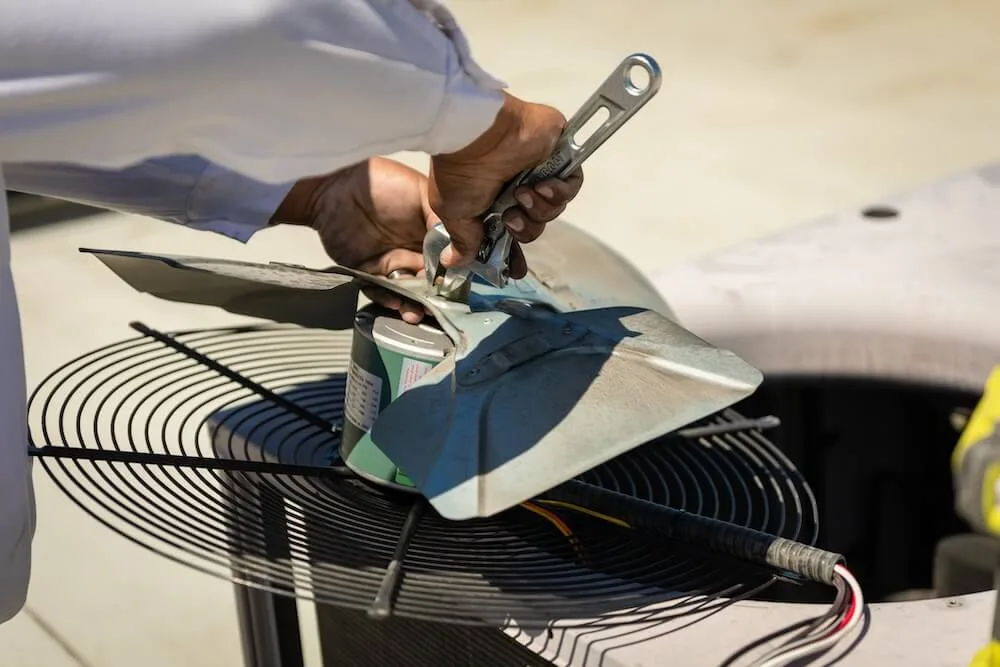
How should you prepare for installation?
Preparing the site speeds work and lowers the chance of damage. Clear around the outdoor unit location, secure pets, and provide easy parking for the crew. Good access helps crews finish a swap in a single day when no extra work exists.
Confirm who pulls permits and who arranges inspections. Ask for a projected timeline and any expected interruptions to power. A tidy, accessible site often shortens labor time and lowers the chance of additional charges.
Provide clear notes on access routes, gate codes, and special needs. If the indoor coil sits in an attic or crawl space, clear paths and secure loose items to reduce delays. Small homeowner tasks make the job smoother and cheaper.
What homeowner tasks help the crew?
Homeowners should move garden pots, trim plants, and clear a 6–8 foot zone around the condenser. Mark underground utilities and tell the crew about hidden irrigation lines. Label interior equipment access points and move fragile items near the work areas.
If the indoor coil is in tight quarters, clear attic or crawl space access. These small steps reduce labor time and the risk of accidental damage. They also help the crew finish on schedule.
How to protect landscaping and hardscapes?
Protect plants and hardscapes with plywood paths for heavy equipment and tarps over nearby shrubs. Ask contractors to lay protective boards where heavy units or tools will pass. That prevents scratches or soil compaction.
Discuss responsibility for accidental damage before work starts, and get agreement in writing. That prevents disputes after the job and ensures the contractor takes care with your landscaping.
What start-up and testing should you expect?
Technicians should check refrigerant charge, measure airflow, verify electrical connections, and run a temperature split test. These checks confirm the system operates within manufacturer specs and meets expected efficiency.
Request written test results and an explanation of the readings. A thorough start-up report helps with future troubleshooting. It also supports warranty claims if performance problems appear later.
When will the final walkthrough happen?
The final walkthrough should happen after start-up checks and any local inspection sign-offs. During the walkthrough the crew should show you the AHRI match certificate and explain thermostat settings and routine care.
Get operation and maintenance instructions in writing, and make a punch list of any remaining items. Keep copies of all paperwork for warranty and resale needs.
What warranty and service options should you consider?
Warranties vary by model and dealer. Factory warranties cover parts and often the compressor for specified years. Labor coverage is separate and dealers can offer extended plans that include labor and priority service.
Service plans commonly include annual tune-ups and priority dispatch. Regular maintenance keeps efficiency high and helps spot small issues before they become major. Keep service records to support warranty claims and improve resale value.
How does the Lennox warranty work?
Factory warranties list covered parts and time limits and may require registration within a set number of days. Labor coverage is usually a separate dealer option. Extended warranties can add labor protection for a fee.
Ask the dealer to explain transferability, any required maintenance, and whether special installers are needed to keep the warranty valid. Get written warranty terms and keep copies with your install paperwork.
What should a homeowner maintenance plan include?
A homeowner plan should include annual professional tune-ups and quarterly filter checks. Coil cleaning and duct inspections every few years help maintain airflow and efficiency. Keep written records of all service visits for warranty compliance and resale value.
Simple tasks like replacing filters and keeping the outdoor coil clear improve system performance and reduce repair risk. Combine homeowner checks with an annual pro visit for best results.
Ready to compare local installers?
Get three written bids showing exact model numbers, AHRI match, Manual J results, and line-item costs. Compare scope and testing standards, not just price. Confirm Nevada licensing, proof of insurance, and technician certifications before signing.
If you are in Las Vegas, Henderson, or North Las Vegas, call The Cooling Company at (702) 567-0707 for fast, written bids and NATE-certified technicians. Outside our service area, ask for NATE-certified techs, AHRI match, and a Manual J when you request bids.
The Cooling Company serves Las Vegas, Henderson, and North Las Vegas and can provide local references. Keep copies of all bids and paperwork and verify the permit and inspection plan before work starts.
How to get three bids fast?
Gather photos of your outdoor unit, the indoor coil, and the electrical panel. Email the same photos to each contractor and ask for a clear timeline. That speeds the quoting process and yields more comparable bids.
Follow up with a short on-site visit request if quotes need confirmation. Quick site checks often resolve small scope differences that cause large cost swings.
Final steps before saying yes?
Confirm the written estimate matches the conversation. Verify that permit fees, disposal, refrigerant recovery, and start-up testing are included. Ask about payment schedule and when the warranty will be registered.
Keep copies of all estimates and paperwork. That folder will help if you need to submit a warranty claim or compare future bids. Make sure the final contract includes completion date and a clear scope of work.
Learn More
This aspect deserves careful consideration as you evaluate your options. Understanding the details helps you make more informed decisions. Consulting with qualified professionals provides additional insights specific to your situation.
Take time to consider how this information applies to your particular needs and circumstances. Making well-informed choices typically leads to better long-term outcomes and greater satisfaction.
- “lennox ml merit series”
- "hvac installation cost las vegas"
- Ask a qualified HVAC pro to document the sizing calculation and assumptions.
How does this affect homeowners?
Following the proper process ensures optimal results and prevents common mistakes. Start by gathering the necessary information and understanding your specific needs. Consult with qualified professionals who can assess your situation and recommend the best approach.
Document important details throughout the process for future reference. Taking these steps systematically leads to better outcomes and helps you avoid potential complications.
About The Cooling Company
The Cooling Company has been serving the Las Vegas valley with professional HVAC services for over a decade. Our team of licensed, NATE-certified technicians specializes in air conditioning repair, heating system maintenance, and complete HVAC installations. We're committed to providing honest, reliable service with upfront pricing and a 100% satisfaction guarantee on all work performed.
- Phone: (702) 567-0707
- Reviews: 4.9/5 stars (500 reviews) - See reviews
Service Areas
We proudly serve homeowners and businesses throughout the Las Vegas metropolitan area, including Las Vegas, Henderson, and North Las Vegas. Our service technicians are available for same-day appointments in most areas, with emergency service available 24/7 for urgent HVAC issues.
Sources and further reading?
- Energy.gov – HVAC Efficiency Basics
- EPA Indoor Air Quality (IAQ)
- ASHRAE Technical Resources
- DOE Better Buildings – HVAC
- U.S. Department of Energy (Energy.gov) (accessed 2026-01-01)
- U.S. Environmental Protection Agency (EPA) (accessed 2026-01-01)
- ASHRAE (Standards and guidance) (accessed 2026-01-01)
- ENERGY STAR (Heating & cooling) (accessed 2026-01-01)
Related reading: Lennox EL16XC pricing.
Need HVAC Service in Las Vegas?
The Cooling Company provides expert HVAC service throughout Las Vegas, Henderson, and North Las Vegas. Our licensed technicians deliver honest assessments, upfront pricing, and reliable results.
Call (702) 567-0707 or visit AC repair, maintenance, heating, or installation for details.