

Short answer: Learn HVAC maintenance tips and whether the Lennox ML14XP1 heat pump is worth buying in Summerlin; save energy with proper sizing and decide today.
The Lennox ML14XP1 is a mid-efficiency single-stage heat pump. This review explains how that unit performs in Summerlin and nearby Las Vegas neighborhoods. It focuses on real-world comfort, expected energy use, installation checks, and what to demand from your contractor. Summerlin homes face long, hot seasons and low humidity. That changes how much value a mid-efficiency, single-stage unit delivers compared.
Key Takeaways
- ML14XP1 is a mid-efficiency, single-stage heat pump that lowers purchase cost versus variable-speed units.
- Require a Manual J load, AHRI matched system certificate, and written startup commissioning report.
- Expect modest energy savings compared to very old systems; dehumidification is weaker than multi-stage units.
- Budget for duct repairs, permit fees, and possible electrical upgrades when comparing bids.
This guide keeps the emphasis on facts you can verify. It covers efficiency ratings, sizing, ductwork, expected costs, and the paperwork you should require. It also notes environmental and refrigerant considerations. For basic guidance on heat pumps, see Energy gov Heat Pump Tips and keep the AHRI certificate handy when you buy.
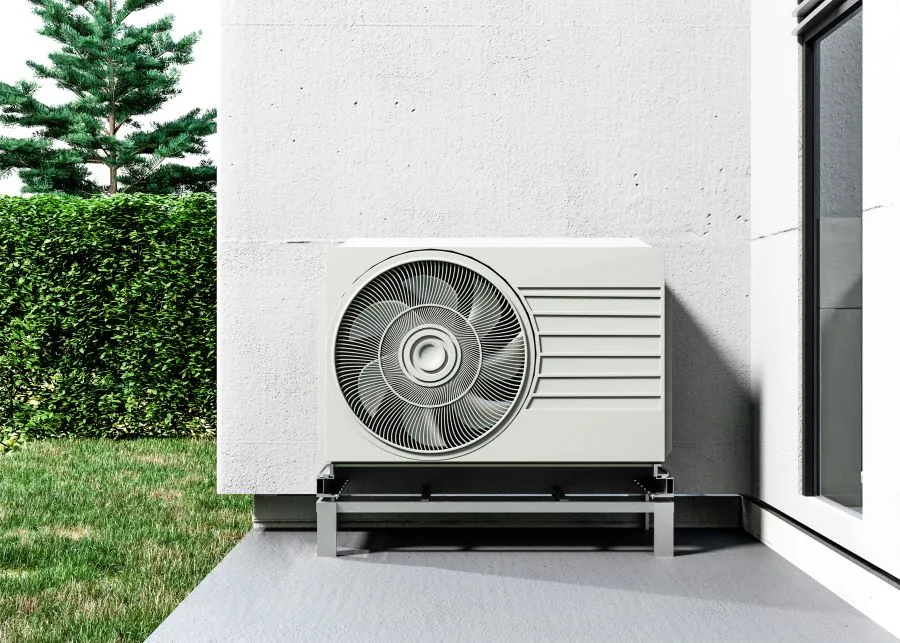
N/A: What this review covers
This section explains the scope and how to use this review. It lists the key topics and the documents you should ask for from vendors. The items below are meant to help you compare bids and avoid common mistakes. You will find details on efficiency, sizing, installation steps, running costs, and local considerations that matter in Summerlin.
The goal is practical. If you need a short summary, read the Key takeaways section. If you want technical checks to insist on, read the Installation and commissioning section. Keep copies of the Manual J, AHRI certificate, and the installers signed startup checklist. Those three documents protect your warranty and show the system was set up properly.
What is the Lennox ML14XP1?
The Lennox ML14XP1 is built as a value-focused outdoor unit in Lennoxs product lineup. It uses a single-stage compressor that runs at full capacity when the system calls for cooling or heating. That design keeps controls and repair costs simpler than two-stage or variable-speed compressors. It also tends to cost less at purchase and on some repair parts.
Because it runs at one speed, the ML14XP1 meets peak demand well. It does not modulate to lower speeds for part-load efficiency or superior humidity control. Pairing with the correct indoor coil and good ducts is critical to reach the rated efficiency and to avoid short cycling. Installers must match components correctly for AHRI rating validation.
How does efficiency compare to other heat pumps?
The ML14XP1 commonly rates near 14 SEER. Many older units in homes are 1012 SEER. That means the ML14XP1 can reduce cooling energy compared with an older condenser. High-end variable-speed systems can reach 18 SEER or higher and save more energy during shoulder seasons and nights. In mild weather, variable-speed compressors run slower and consume much less power.
If your home already has a moderately efficient system, the incremental savings from stepping to 14 SEER may be modest. The most important gains come from correct sizing, good airflow, and tight ducts.
What are the ML14XP1 SEER and HSPF ratings?
Typical published ratings for this model list about 14 SEER for cooling efficiency and a mid-range HSPF for heating. Exact numbers depend on the matched indoor coil and installation. Always ask the dealer for the AHRI certificate for the exact outdoor and indoor combination you will buy. That certificate is the verified performance measure you should use for rebates and comparisons.
Learn about available federal tax credits for energy-efficient HVAC equipment.
Try our energy savings calculator to see how much you could save.
What refrigerant does it use and why?
Most ML14XP1 units use R-410A refrigerant. R-410A is common in modern systems but has a higher global warming potential than some next-generation refrigerants. EPA rules require certified technicians for handling R-410A. If you prefer lower-GWP refrigerants, ask dealers about newer Lennox lines or planned replacements that use alternative refrigerants.
How does size affect performance and comfort?
Correct sizing starts with a Manual J calculation. Oversized units can short-cycle, which reduces dehumidification and raises wear on components. Undersized units may run continuously and still fail on the hottest days. Proper airflow, duct balance, and matched indoor coils help the unit meet comfort goals while delivering expected efficiency.
How noisy is the unit in real homes?
Manufacturers publish decibel ratings measured at specific distances, but real-world noise depends on placement and mounting. A condenser placed near windows or up against a fence will sound louder. Simple measures like a vibration-isolating pad, rubber mounts, or a small sound screen reduce perceived noise. When noise matters to neighbors or HOA rules, verify placement and sound levels before install.
Is the ML14XP1 a good fit for Summerlin homes?
Summerlins climate includes long, hot summers and low relative humidity. In that context, the ML14XP1 can be a practical choice when budget is the limiting factor. It provides steady full-capacity cooling and performs well when properly sized. However, its single-stage operation makes dehumidification less robust than variable-speed options that run longer at low speeds.
For a detailed cost breakdown, see our HVAC pricing guide.
Decide based on how long you will keep the system, local electricity rates, and how much you value tighter humidity control. If you plan to live in the home long-term and electricity costs are high, a higher-SEER unit may pay back. If you expect a short stay and need to limit upfront cost, the ML14XP1 is often a sensible trade-off.
How does desert cooling demand affect efficiency?
Desert climates increase run hours and full-load cycles. Single-stage compressors supply peak capacity well but cannot throttle during cooler evenings or shoulder days. Variable-speed systems provide better part-load savings by running at low speeds more often. In Summerlin, those part-load savings add up across long hot seasons and can matter for utility bills.
What peak temperatures should inform sizing decisions?
Contractors should use local design temperatures for Manual J calculations. Summerlin can exceed 100F on peak days. Proper sizing must cover these extremes while avoiding oversizing that causes short cycling. Include attic gains, window area, and insulation in the load inputs to get an accurate tonnage recommendation.
How to evaluate contractor load calculations?
Ask the installer for a written Manual J with input assumptions clearly listed. Check that they used correct local design temperatures and listed insulation, window types, and internal loads. If a contractor cannot or will not provide the calculation, get a second opinion from a licensed installer. Transparent data reduces the risk of oversizing and poor comfort.
What impact does poor ductwork have on comfort?
Leaky or undersized ducts reduce airflow and lower cooling delivery. Reduced airflow raises runtime and lowers system efficiency. Often, sealing and insulating ducts improves comfort more than upgrading to a higher-SEER outdoor unit. Budget for duct repairs when replacing the condenser, as they can change the final performance dramatically.
How do utility rates in Summerlin change savings estimates?
Higher electricity rates increase the value of improved efficiency. Use local NV Energy rates to estimate savings. For a rough rule, replacing a 10-SEER system with a 14-SEER unit can lower cooling energy roughly 20 30 percent. Multiply your cooling portion of the bill by that percentage to estimate annual dollar savings.
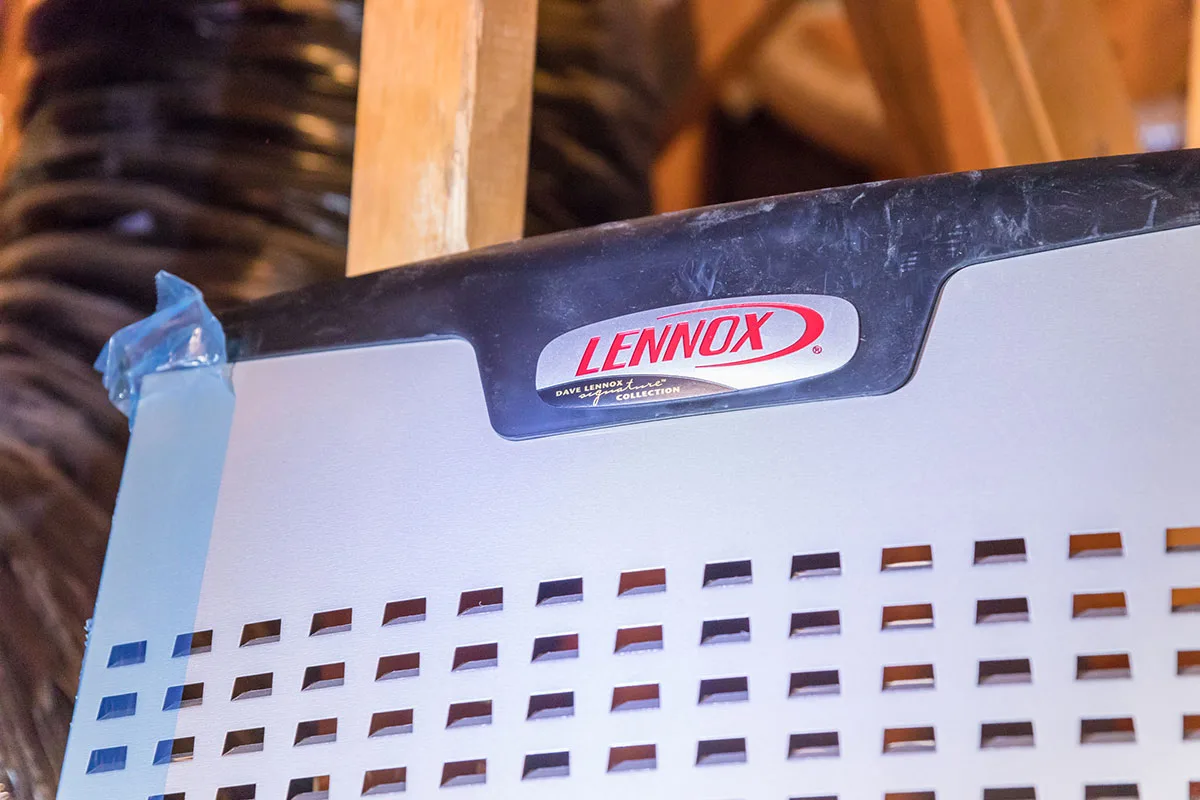
How much will the ML14XP1 cost to buy and run?
Installed cost varies with home size, duct condition, and any required electrical upgrades. A simple outdoor unit swap is cheaper than a full system replacement. Typical Las Vegas-area installed prices for similar replacements range widely because contractors include different items. Get several itemized bids and compare parts, labor, permits, and warranties.
Running costs depend on SEER, HSPF, hours of use, and your electric rate. Keep in mind that proper commissioning reduces excess runtime and that regular annual maintenance preserves efficiency. Include expected maintenance costs when you compare lifecycle value rather than only upfront price.
What is the typical installed price range in Las Vegas?
Local installed prices often fall between $5,000 and $12,000 for straight replacements. This range depends on tonnage, duct work, and any panel upgrades. An itemized bid helps you compare labor, parts, permit fees, and warranty offerings. Ask for a breakdown before you sign so you can compare apples to apples across bids.
How much can homeowners save on utility bills yearly?
Savings depend on the unit being replaced and how the system is used. Replacing a 10-SEER unit with a 14-SEER unit can often cut cooling energy use by roughly 20 30 percent. Use last years cooling portion of your bill and multiply by the expected percent improvement to estimate annual dollar savings. Keep in mind that behavior and thermostat settings influence actual savings.
Are there federal tax credits or local rebates available?
Rebate programs change over time and may apply to certain heat pumps. NV Energy and manufacturer rebates appear periodically. Federal incentives sometimes target high-efficiency systems. Save AHRI certificates, receipts, and the startup commissioning report; rebate programs almost always require documentation and proof of a matched system.
How to verify Lennox AHRI and DOE performance claims?
Request the AHRI certificate for your exact outdoor and indoor coil match from the installer. The Department of Energy publishes certified appliance ratings as well. Do not accept model names alone; verify documented ratings for the matched system you will buy. This is the only way to confirm the real SEER/HSPF your installed system will have.
What hidden costs do homeowners often miss?
Common extras include permit fees, pad relocation, added circuit work, HOA approvals, and refrigerant recovery fees. Rebate paperwork and warranty registration may also require time or professional help. Plan an extra 10 20 percent buffer in the project budget for unforeseen items during install.
What are expected maintenance costs over 10 years?
Plan for annual tune-ups, filter changes, and occasional repairs. Typical annual service runs $100 $300 depending on the contractor and included checks. Major replacements like a compressor or fan motor appear less often. Regular maintenance reduces the risk of costly emergency repairs and helps maintain efficiency over time.
What installation and commissioning steps protect performance?
Good installation prevents most common performance issues and preserves warranty rights. Start with a written Manual J load calculation and a clear parts list. Confirm electrical capacity and that the indoor coil matches the outdoor unit. Require measured startup checks and a signed commissioning form. Those records are essential for rebates and warranty claims.
Documented startup provides proof the installer verified refrigerant charge, airflow, and thermostat calibration. Without those checks, you lose leverage if the system underperforms. A proper startup also helps the tech tune airflow and refrigerant to achieve rated SEER.
What should a dealer include in a load calculation?
A complete Manual J lists insulation levels, window types, orientation, internal loads, and local design temperatures. It should show recommended tonnage and target airflow. If key inputs are missing, ask for more detail or a second opinion. A thorough load study reduces the risk of oversizing and poor humidity control.
How is system airflow verified at startup?
Technicians measure supply and return temperatures and calculate CFM per ton. A common target is near 400 CFM per ton in many setups, though some systems use slightly different targets. Measuring static pressures, register flows, and duct balancing ensures the system moves the air it needs for comfort and efficiency.
What commissioning checks protect the warranty?
Startup checks should include refrigerant charge verification by weight or performance, electrical load and safety checks, condenser and coil cleanliness, and thermostat calibration. The installer should provide a signed startup checklist. Keep copies for rebate and warranty paperwork. Those records also help if you need service later.
How does the ML14XP1 compare to similar models?
The ML14XP1 competes on price and simplicity rather than top-tier efficiency. Buyers trade advanced staging and variable-speed control for a simpler single-stage compressor. Local results hinge on proper installation and duct quality. A higher-SEER unit installed poorly often underperforms compared with a mid-SEER unit installed correctly.
When comparing models, focus on AHRI ratings for matched systems, warranty terms, and installer competence. Read multiple installer reviews in your area for consistent feedback rather than relying on brand reputation alone.
What advantages does Lennox claim for this model?
Lennox positions the ML14XP1 as a reliable, value-focused option with wide dealer support and parts availability. For buyers on a budget, it offers predictable service paths and lower upfront cost. Confirm local dealer experience with Lennox units before you buy to ensure good installation and support.
How does efficiency compare with higher-end Lennox units?
Higher-end Lennox models use two-stage or variable-speed compressors that cut part-load energy use and improve moisture control by running longer at low speeds. The ML14XP1 performs well for peak loads but lacks those part-load efficiency gains. That difference shows up most during evenings and shoulder seasons when cooling demand drops.
What tradeoffs exist versus comparable brands?
Other brands may offer similar SEER at a different price or with different warranty terms. Service networks and installer skill vary by area. Compare AHRI numbers and local installer reviews rather than the SEER number alone. The quality of the install often matters more than slightly higher SEER.
How do two-stage compressors affect comfort?
Two-stage or variable-speed compressors reduce temperature swings and remove more moisture by running longer at lower speeds. That improves perceived comfort and lowers peak power use. Single-stage units like the ML14XP1 are simpler and cheaper but can cycle more and remove less humidity during short cycles.
What do real Summerlin installations report about cooling?
Local installers report good real-world cooling when units are sized correctly and ducts are sealed. Most homeowner complaints trace back to wrong sizing or poor duct systems rather than the outdoor unit itself. Proper startup tuning and airflow adjustments make a large difference in daily comfort.
What controls and thermostats are compatible?
Standard single-stage thermostats work correctly with the ML14XP1. For improved scheduling and diagnostics, consider smart thermostats that support heat pump mode and auxiliary heat. Ask the installer which thermostats they support and how they will configure heating and cooling cycles.
Call to action
If you live in the Las Vegas area and want a clear, documented quote, insist on a Manual J, AHRI certificate, and a signed startup commissioning checklist. These three items protect your efficiency, warranty, and rebate eligibility. Get multiple itemized bids and compare documentation and contractor references.
For local service or to schedule a site visit, contact The Cooling Company. We provide written quotes that include a Manual J load report, AHRI verification, and a signed startup commissioning checklist. Our service area covers Las Vegas, Henderson, and North Las Vegas.
How to get a quote from local Lennox dealers?
For Las Vegas-area homeowners, call The Cooling Company at (702) 567-0707 to schedule a site visit and written quote. We serve Las Vegas, Henderson, and North Las Vegas. Each quote includes a Manual J load report, AHRI verification, and a signed startup commissioning checklist with the install.
FAQs
If you live outside our service area, request NATE-certified technicians and insist on the AHRI certificate and a signed commissioning checklist. Those documents matter most for any installer, regardless of brand. For local service or to schedule a quote, call The Cooling Company at (702) 567-0707.
You Might Also Like
This aspect deserves careful consideration as you evaluate your options. Understanding the details helps you make more informed decisions. Consulting with qualified professionals provides additional insights specific to your situation. Take time to consider how this information applies to your particular needs and circumstances.
- Troubleshooting HVAC odors
- Ruud furnace problems
- Trane furnace repair Henderson
- How much to install HVAC system in old house
- Urgent AC repair Las Vegas
About The Cooling Company
The Cooling Company has been serving the Las Vegas valley with professional HVAC services for over a decade. Our team of licensed, NATE-certified technicians specializes in air conditioning repair, heating system maintenance, and complete HVAC installations. We're committed to providing honest, reliable service with upfront pricing and a 100% satisfaction guarantee on all work performed.
- Phone: (702) 567-0707
- Reviews: 4.9/5 stars (500 reviews) - See reviews
Service Areas
We proudly serve homeowners and businesses throughout the Las Vegas metropolitan area, including Las Vegas, Henderson, and North Las Vegas. Our service technicians are available for same-day appointments in most areas, with emergency service available 24/7 for urgent HVAC issues.
Sources
Understanding sources is essential for homeowners looking to make informed decisions about their HVAC systems. This section covers the key factors you need to consider and provides practical guidance based on industry best practices.
- U.S. Department of Energy (Energy.gov) (accessed 2026-01-01)
- U.S. Environmental Protection Agency (EPA) (accessed 2026-01-01)
- ASHRAE (Standards and guidance) (accessed 2026-01-01)
- ENERGY STAR (Heating & cooling) (accessed 2026-01-01)
When evaluating sources, several important considerations come into play. Professional HVAC technicians recommend assessing your specific situation, including the age of your current system, your home's size and layout, and your local climate conditions. These factors all influence the best approach for your particular needs.
- For general heat pump guidance, see the Department of Energy: Energy gov Heat Pump Tips
Need HVAC Service in Las Vegas?
The Cooling Company provides expert HVAC service throughout Las Vegas, Henderson, and North Las Vegas. Our licensed technicians deliver honest assessments, upfront pricing, and reliable results.
Call (702) 567-0707 or visit HVAC services, HVAC maintenance, heating, or AC repair for details.