

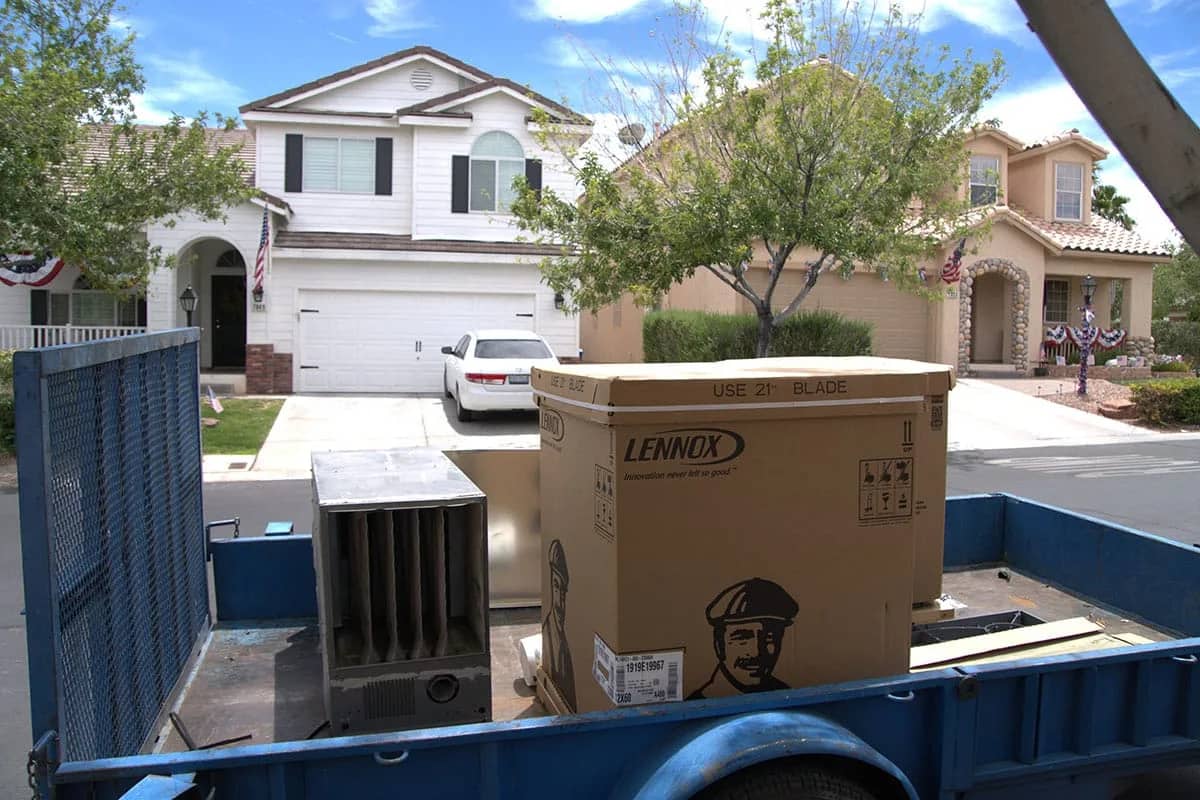
Short answer: Discover HVAC maintenance tips and how Lennox vs Carrier furnaces stack up for Henderson homes, so you can pick the right blower, size, and dealer today.
Lennox and Carrier both make solid furnaces. Choose by local heating needs, dealer support, blower tech, and duct condition. For Henderson homes, blower efficiency and correct sizing often matter more than the highest AFUE number. Balance initial price, expected run hours, and local rebates when you decide. See the ASHRAE Technical Resources for deeper reading on system sizing and testing.
Key Takeaways
- Use a room-by-room Manual J load calculation (not a square-foot rule). Manual J finds actual heat loss and is the foundation for right-sizing equipment.
- Select equipment with Manual S and verify ducts with Manual D for comfort and efficiency. Manual S matches equipment capability to the calculated load.
- Avoid oversizing: short-cycling wastes fuel and can create uneven temperatures. Oversized burners turn on and off too fast and do not deliver steady comfort.
This guide lays out practical steps for Henderson homeowners who must choose between Lennox and Carrier furnaces. It does not chase brand hype. Instead it focuses on measurable practices: Manual J load calculations, duct testing, blower selection, and documented start-up. The content is written for people who want usable guidance and clear comparison points.
Lennox Vs Carrier Furnace Henderson: Why compare brands?
Comparing Lennox and Carrier is useful, but the comparison should focus on features that matter locally. Both brands offer models across efficiency bands and blower configurations. The local climate in Henderson is mild, so runtime and part-load performance are often more important than the absolute highest AFUE rating. That changes value calculations compared with colder regions.
Dealer representation is a major factor. A brand with well-trained, factory-authorized dealers in Henderson reduces risk. Good dealers document their work, register warranties promptly, and provide clear start-up testing. When comparing bids, look beyond the model numbers to the installer’s stated testing and documentation practices.
Local dealer performance often beats product badges?
Factory specs provide a starting point, but install quality decides real-world comfort. A high-AFUE furnace in a leaky duct system will not save as much as expected. Local contractors who follow measurement-based practices - Manual J, duct leakage testing, and documented start-up - provide consistent results. Prioritize bids that include these tests in writing.
Weather, runtime, and payback in Henderson?
Henderson has short, mild heating seasons. Homes there run heat fewer hours than in cold climates. That lowers the annual gas usage and extends the payback time for ultra-high-efficiency furnaces. For many local homes, a mid-high efficiency model with a good blower often gives the best cost-to-comfort balance. Only very tight, low-load homes typically justify premium condensing or modulating models.
Learn about available federal tax credits for energy-efficient HVAC equipment.
AFUE, blower tech, and real efficiency differences?
AFUE (Annual Fuel Utilization Efficiency) describes how much fuel a furnace converts to heat in laboratory test conditions. Lennox and Carrier offer models from 80% up to near 98% AFUE. AHRI-certified ratings allow cross-brand comparison. However, lab ratings assume ideal ducts and perfect installation, which most homes do not have.
A leaky or poorly balanced duct system can remove much of the efficiency benefit of a higher AFUE furnace. Blower motors and controls are equally important. ECM motors and variable-speed blowers lower fan power and improve part-load airflow. In mild climates like Henderson, equipment often runs at part-load, so blower tech affects comfort and operating cost noticeably.
How to read AFUE in real homes
Treat AFUE as a comparative number, not a guarantee. Real-world efficiency depends on duct leakage, cycling losses, and correct airflow. If ducts leak into an attic or crawlspace, much conditioned air never reaches living spaces. Fix duct problems before selecting a higher-AFUE unit to ensure expected savings show up on your bills.
Why variable-speed blowers improve comfort
Variable-speed blowers run at lower speeds for longer periods and ramp up only as needed. That reduces short cycles and improves mixing. The result is steadier temperatures, fewer hot and cold spots, and lower noise. In shoulder seasons, long low-speed runs help with humidity control. These benefits can be more noticeable than small AFUE jumps in a mild climate.
Modulating burners: pros and cons?
Modulating burners adjust output smoothly and can maintain a set temperature with minimal cycling. This improves comfort and often lowers fuel use in tightly sealed homes. The trade-offs include higher purchase and installation cost and increased control complexity. Modulating systems need careful commissioning and a compatible duct design to perform optimally.
For a detailed cost breakdown, see our HVAC pricing guide.
Which models best suit Henderson winters
For many Henderson homes, the best balance is a furnace rated between 92% and 96% AFUE with an ECM or variable-speed blower. These models provide meaningful gas savings over older 80% units without a large added installation cost. They integrate well with common duct layouts and do not always require major venting revisions.
For tight, well-insulated homes with low heating loads, condensing or modulating furnaces can give superior control and efficiency. However, in average local homes the extra upfront cost may not pay back quickly. Always use a Manual J and a duct evaluation to match model features to the home’s real load.
Should I choose 92%–96% AFUE models?
Yes for many Henderson homes. These units offer solid efficiency gains over 80% models while keeping venting and install complexity moderate. They often provide a reasonable payback in houses with normal heating hours. Pair such a furnace with a variable-speed blower to get both gas savings and better comfort control.
Are condensing furnaces worth the extra cost?
Condensing furnaces use a secondary heat exchanger to reclaim heat from flue gases and reach AFUEs near or above 97%. They can save fuel, but the payback depends on runtime. In Henderson’s shorter heating season, savings are smaller unless incentives reduce the net cost. Also factor in condensate handling and different venting materials when evaluating them.
Matching model features to home type?
Match features to your envelope, not just brand. Tight, well-insulated homes benefit most from modulating burners and precise controls. Older, leakier homes often see larger gains from duct sealing and adding a variable-speed blower to a mid-efficiency furnace. Have the contractor explain why a given feature suits your home, using load and duct test results.
Warranties, dealer roles, and documentation?
Both Lennox and Carrier offer warranty packages across their product lines. Terms vary by model and often depend on dealer registration and start-up documentation. Heat exchanger coverage, parts warranties, and optional extended plans are common. Read the warranty language and confirm registration steps to avoid surprises.
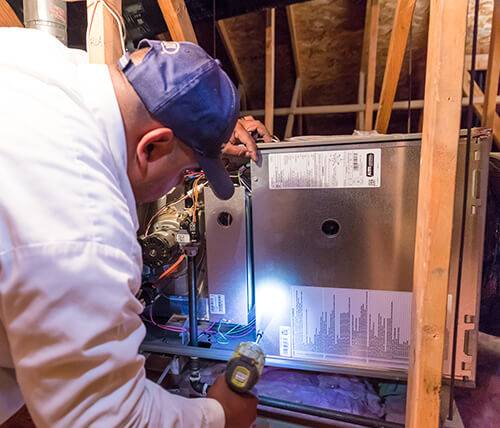
Dealers directly affects warranty activation. Many manufacturers require the installing dealer to register the unit and to complete a documented start-up. Failure to follow those steps can limit coverage. Keep copies of all paperwork, including invoices, start-up reports, and registration confirmations.
How to get full warranty coverage
Ask the dealer to register the unit immediately after start-up and to give you a copy of the registration confirmation. Save the written start-up report and any factory checklists. If registration is delayed, request proof of submission and copies of the email or online confirmation. These documents matter if you later file a claim.
Do dealer installs affect warranty length?
Yes. Some manufacturers offer longer or enhanced warranties if the unit is installed by a factory-authorized dealer or if certain start-up steps are documented. Unauthorized installations or missing paperwork can void or reduce coverage, especially for extended warranty options. Ask contractors how they manage registration and authorization.
What to request in the contract
Require the contract to include Manual J results, any Manual D changes, duct leakage test results, and the blower airflow target. Insist on an itemized bid showing unit price, labor, permits, and testing fees. Include a start-up and final test plan and require copies of documentation on completion. Clear contract items reduce disputes and protect warranty rights.
Installation costs, permits, and budgeting for upgrades
Installed prices vary by model, labor, and the duct work needed. Basic replacements cost less than systems that require new venting or condensate handling. Modulating or condensing units increase both parts and labor costs. Plan for permit fees and possible gas piping upgrades if needed. Get at least two itemized quotes to compare apples to apples.
Include the cost of testing and start-up in the quoted price. Missing items often reappear as change orders. If bids differ, compare labor hours, blower model specifications, and whether the contractor will seal ducts or provide access panels. Budget for these items up front to avoid surprises.
Typical upfront price ranges in Henderson
Installed costs vary by home access and the model selected. Basic 80% furnace replacements commonly start in lower price tiers. Mid-efficiency units with ECM blowers and moderate venting changes fall into a middle range. High-end modulating or condensing systems with duct replacement can cost significantly more. Ask for a written breakdown to understand the differences.
Budgeting for duct repair and sealing
Duct sealing and repairs often give higher returns than a small AFUE upgrade. Reducing duct leakage and insulating ducts in unconditioned spaces cut waste and improve comfort. Costs vary with access difficulty, but these repairs often pay back faster than an incremental efficiency jump in the furnace itself. Prioritize sealing major leaks and insulating ducts where appropriate.
Commercial vs residential labor differences
Commercial installations can add labor and documentation requirements. Larger gas lines, safety checks, and permits can increase time and cost. On comparable equipment, commercial labor expenses may be higher due to scale and compliance needs. If you see commercial bids for residential-sized work, ask for a clear start-up and test plan and make sure the scope matches your needs.
Ductwork: testing, repair priorities, and ROI
Large duct leaks can erase efficiency gains from a better furnace. Leaks and poor layout can waste 20% to 40% of conditioned air before it reaches rooms. High static pressure from restricted ducts forces blowers to run harder and reduces effective airflow. Fix ducts first so a new furnace can deliver rated performance to living spaces.
A duct leakage test creates a measurable baseline and helps prioritize repairs. Use that result to decide whether to invest more in the furnace or in duct sealing. Often sealing and balancing the system gives larger comfort and efficiency gains than moving to the highest-AFUE option alone.
How to test duct leakage
Ask the contractor for a duct leakage test using a duct tester or a blower door with a duct adapter. The report should show leakage in cubic feet per minute or as a percent of total system flow. Test before and after the work to document improvements. A clear before-and-after record supports rebate claims and proves value.
Browse our project portfolio to see examples of our installation work.
Repairs that deliver the best immediate ROI
Sealing accessible joints and large return leaks typically yields the fastest return. Insulating ducts in unconditioned spaces and improving return paths reduce heat loss and improve balance. Shortening very long flex runs and fixing restricted grilles can improve airflow. These changes often improve comfort in priority rooms more than upgrading a furnace alone.
Duct-related signs to watch for
Look for uneven heating between rooms, large temperature swings, and unusual noise. High energy bills paired with an apparently properly sized furnace can also indicate duct problems. If you see these signs, ask for a duct audit before buying a premium furnace model.
Additional options and final decision steps
Consider a heat pump or a hybrid approach as an alternative. Modern heat pumps work well in Henderson and can cover most heating needs while also providing cooling. Hybrids pair a heat pump with a gas furnace for backup during the coldest hours. Compare lifecycle costs, incentives, and your preference for gas backup.
When you have bids, compare them line by line. Require Manual J and duct leakage results. Confirm warranty registration steps and timelines in writing. Ensure the contract lists airflow targets and start-up test plans. With those items documented, you increase the chance of a reliable installation and better long-term comfort.
If you're facing an HVAC emergency in Las Vegas, Henderson, or North Las Vegas, The Cooling Company offers fast, reliable service from licensed technicians. We understand that heating and cooling emergencies don't wait for business hours. Call us now at (702) 567-0707 for emergency service. Our team is ready to help restore your comfort quickly and safely.
How to compare two bids clearly
When you have two bids, compare them line by line. Look at unit cost, labor hours, permit fees, testing, and any accessory items. Pay particular attention to the blower model and the documented target airflow. If one bid lacks Manual J or duct testing, treat it as incomplete. The lowest price rarely wins if key testing is missing.
Final checklist before signing
Require Manual J and duct leakage reports. Confirm warranty registration steps and timelines in writing. Ensure the contract lists airflow targets and start-up test plans. Verify the dealer’s factory authorization if that affects warranty length. With these items in hand, you will be set for a reliable installation and better long-term comfort.
If you want to see how Lennox and Carrier compare against every other major manufacturer, check out our complete 2026 air conditioning brand rankings.
You Might Also Like
This aspect deserves careful consideration as you evaluate your options. Understanding the details helps you make more informed decisions. Consulting with qualified professionals provides additional insights specific to your situation. Take time to consider how this information applies to your particular needs.
- ac repair costs
- troubleshooting hvac odors
- ruud furnace problems
- trane furnace repair henderson
- how much to install hvac system in old house
Sources and further reading include the ASHRAE Technical Resources referenced earlier. Keep quotes, start-up reports, and test results in case you need them for warranty or rebate claims.
Need HVAC service help in Las Vegas?
If you're facing an HVAC emergency in Las Vegas, Henderson, or North Las Vegas, The Cooling Company offers fast, reliable service from licensed technicians. We understand that heating and cooling emergencies don't wait for business hours.
Call us now at (702) 567-0707 for emergency service. Our team is ready to help restore your comfort quickly and safely.
About The Cooling Company
The Cooling Company has been serving the Las Vegas valley with professional HVAC services for over a decade. Our team of licensed, NATE-certified technicians specializes in air conditioning repair, heating system maintenance, and complete HVAC installations. We're committed to providing honest, reliable service with upfront pricing and a 100% satisfaction guarantee on all work performed.
- Phone: (702) 567-0707
- Reviews: 4.8/5 stars (780+ reviews) - See reviews
Service Areas
We proudly serve homeowners and businesses throughout the Las Vegas metropolitan area, including Las Vegas, Henderson, and North Las Vegas. Our service technicians are available for same-day appointments in most areas, with emergency service available 24/7 for urgent HVAC issues.
References
- U.S. Department of Energy (Energy.gov) (accessed 2026-01-01)
- U.S. Environmental Protection Agency (EPA) (accessed 2026-01-01)
- ASHRAE (Standards and guidance) (accessed 2026-01-01)
- ENERGY STAR (Heating & cooling) (accessed 2026-01-01)
Need HVAC Service in Las Vegas?
The Cooling Company provides expert HVAC service throughout Las Vegas, Henderson, and North Las Vegas. Our licensed technicians deliver honest assessments, upfront pricing, and reliable results.
Call (702) 567-0707 or visit heating, furnace repair, heat pump installation, or heating maintenance for details.