


Short answer: Discover HVAC maintenance tips to pick the best Lennox or Rheem heat pump for Summerlin, securing high EER2 at 95°F; compare local dealers today.
Summerlin homeowners face long, hot summers and a desert climate that stresses cooling equipment. This guide compares Lennox and Rheem heat pumps for Summerlin conditions. It focuses on real performance at 95°F, installation practices, commissioning, and local service issues. Where applicable, it references the U.S. Department of Energy guidance on heat pump systems for basic best practices ([Energy.
Key Takeaways
- Use a room-by-room Manual J load calculation (not a square-foot rule).
- Select equipment with Manual S and verify ducts with Manual D for comfort and efficiency.
- Avoid oversizing: short-cycling wastes fuel and can create uneven temperatures.
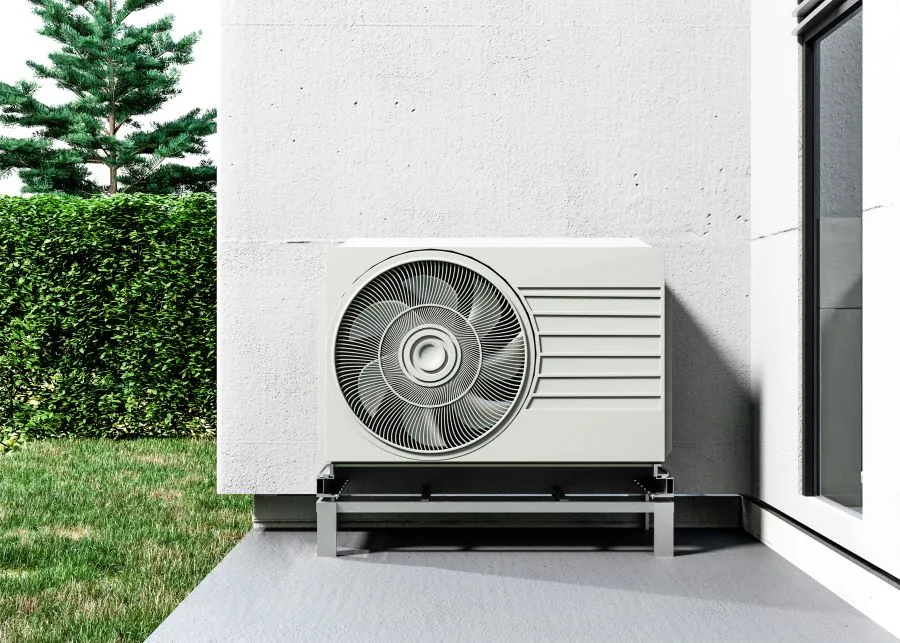
Lennox Vs Rheem Heat Pump Summerlin: Which brand fits Summerlin's desert climate?
Summerlin has very hot, dry summers with high sensible cooling loads and low humidity. In this context, steady on-peak capacity and high EER2 at 95°F matter more than seasonal SEER2 alone. A unit that drops capacity on hot days will struggle to keep indoor temperatures stable during evening hours.
Local dealer knowledge and parts availability matter nearly as much as brand. If a dealer lacks technicians or replacement parts in stock, downtime during heat waves can be long. Confirm how many technicians the dealer employs, their parts stocking strategy, and average summer response times before you sign a contract.
How does peak cooling differ between Lennox and Rheem?
Peak cooling depends on a few measurable specs: steady-state EER2 at 95°F, condensing fan efficiency, condenser coil surface area, and compressor control strategy. Compare AHRI steady-state numbers rather than relying solely on SEER2 to judge hot-day performance.
Lennox often emphasizes part-load efficiency and premium inverter tuning with advanced ECM fans. Rheem frequently balances steady-state EER and cost, offering competitive peak numbers on many models. Always pull the AHRI model listing for the exact matched outdoor and indoor coil pair to compare apples to apples.
Which models offer the best peak EER2 for hot days?
For Lennox, look at Signature Series inverter families and models with optimized fan curves and larger condenser coil surfaces. These are designed to hold capacity at high condensing temps. For Rheem, examine inverter-equipped Prestige or EcoNet-compatible models that list higher steady EER2 values.
When collecting bids, insist on AHRI 210/240 sheets showing EER2 at 95°F. Submit those sheets to qualify for NV Energy or local rebate programs. This step prevents surprises at final inspection and ensures the unit you buy meets the performance you paid for.
How do Lennox and Rheem compare on specs?
Compare SEER2, EER2, and HSPF2 to understand seasonal and on-peak performance. Check compressor type (inverter vs. Single-stage), fan motor class (ECM vs. PSC), and matched coil sizing. These items predict daytime performance and runtime hours during design-day conditions.
Remember that field variables like duct leakage, incorrect airflow, and poor commissioning often change real-world efficiency more than small spec differences. A well-installed, properly commissioned lower-cost unit can outperform a premium model installed poorly. Always require measured start-up values in writing.
Do inverter compressors reduce cycling?
Yes. Inverter compressors modulate capacity and reduce the on/off cycles common to single-stage units. That modulation yields longer run times at lower capacity, which improves temperature stability and lowers start-up current spikes during peak hours.
Reduced cycling also lowers mechanical stress on the refrigerant circuit and improves sensible heat removal in dry climates like Summerlin. Verify inverter control curves and modulation range at commissioning so you know how the unit will behave under load.
What SEER2 and EER2 numbers should I expect?
Modern inverter residential heat pumps typically show SEER2 from roughly 16 to 22. For steady-state EER2 at 95°F, inverter models commonly range from about 9.5 to 13. Higher-end designs aimed at peak-day performance may exceed these numbers but always confirm with AHRI documentation.
Manufacturers publish ratings under controlled conditions. Field results depend on airflow, duct condition, static pressure, and refrigerant charge. Use AHRI sheets during bidding and require measured CFM per ton and static pressure during start-up to validate expected performance.
How important is HSPF2 for Summerlin homes?
HSPF2 measures heat pump heating efficiency and is less critical where heating runs are infrequent. If you plan to use the heat pump for year-round heating, include HSPF2 in your decision process. A model with decent HSPF2 reduces electric heating costs during occasional cold snaps.
However, for most Summerlin homeowners, prioritize EER2 and peak cooling performance. Check local incentives: some rebate programs still offer credit for higher winter efficiency. Include HSPF2 numbers in bids only if you expect regular heating usage.
Learn about available federal tax credits for energy-efficient HVAC equipment.
What will installation and costs look like?
Installed cost varies with tonnage, duct work, start-up testing, permit fees, and local labor rates. A contractor that includes commissioning, proper refrigerant charge verification, and a 30-day follow-up will usually cost more up front but will protect long-term performance and rebate eligibility.
Get itemized bids that break out equipment, labor, permits, start-up testing, and rebate handling. Compare bids on the same AHRI model and matching coil, and confirm who will file rebate paperwork. Clear scopes reduce change orders and limit disputes over missing services at final payment.
How much does a standard residential install cost?
A typical 2.5-ton heat pump replacement often ranges from $6,000 to $10,000 installed in Summerlin. The price depends on model efficiency, required duct repairs, pad or roof work, and included commissioning.
Ask bidders to list permit and start-up costs separately. Financing and warranty add-ons affect monthly payments and can provide protection against surprise repairs. Get at least three local bids and verify references from recent Summerlin installs.
What are light commercial install price ranges?
Small office or light commercial installs around 5 tons commonly range from $12,000 to $20,000. Rooftop packaged units, rooftop curb work, and extra controls push costs higher.
Commercial bids should show lead times, factory start-up obligations, and required controls for tenant comfort. Warranty conditions on packaged units sometimes require factory start-up to validate coverage; include these items in the contract.
Does Lennox cost more to install than Rheem?
Lennox premium lines often carry higher MSRP, which can raise installed cost. Rheem typically offers competitive pricing while maintaining solid EER2 figures. However, installed cost often depends more on dealer markup and included commissioning work than on brand alone.
Ask each contractor for exact AHRI model numbers to compare apples to apples. Also check what warranty registration and extended coverage are included in each bid before making a purchase decision.
What rebate and incentive options apply in Summerlin?
NV Energy and some local programs offer rebates for AHRI-listed, high-efficiency equipment. Rebate rules change, so require bidders to verify current terms. Many rebate programs use EER2 at 95°F as an eligibility metric.
Have contractors include rebate paperwork and expected net pricing after rebates in their bids. That approach avoids later disagreements and speeds qualification for incentive payments. Keep copies of AHRI sheets for rebate submission.
How do labor and materials affect the final bid?
Crew experience, prevailing wages, and materials quality determine labor costs. Complex jobs with difficult access, roofing work, or high permit fees increase the final price. Contractors with Summerlin experience often avoid surprises and reduce extra costs.
Request contractor resumes or recent job lists for local installs. A visible record of similar installations in Summerlin gives confidence they understand roof pad placement, condenser location, and hot-day startup checks.
Can AHRI and performance verification change price?
Requiring AHRI sheets and field testing may increase upfront cost but protects long-term performance and rebate eligibility. Pay more now to avoid a mismatched system and future efficiency loss.
Include written start-up tests and a 30-day follow-up requirement in the contract. That clause obligates the contractor to correct airflow, charge, or control tuning problems that appear after initial operation.
How to size and commission for Summerlin
Correct sizing and commissioning prevent short cycling and undersized cooling during extreme heat. Start with precise envelope, window, shading, and infiltration data to run Manual J. Use Manual S to select the correct equipment and matched coil.
Require a written commissioning checklist and a signed acceptance test as part of the contract. That document should include measured airflow, suction and subcooling values, inverter curve settings, and blower rpm or static pressure numbers. Keep those records for warranty and resale.
Why is correct sizing critical in hot dry climates?
Oversizing leads to short cycling even in dry climates. Short cycles increase wear and reduce efficiency at peak hours. Correct sizing yields longer, stable runs and allows inverter modulation to work as intended.
Undersizing risks failing to meet design-day loads and lets indoor temperatures climb too high. Use an accurate Manual J to avoid both oversizing and undersizing.
How to perform Manual J and Manual S correctly?
Hire a licensed contractor who uses measured window, wall, attic, and infiltration inputs in Manual J. Include attic and roof properties and any external shading. Manual J defines the correct tonnage for your home.
Use Manual S to pick a matched outdoor unit and indoor coil. Verify duct performance and blower curves so you can confirm design CFM during start-up. Ask bidders to include both reports as part of their proposal.
When should inverter tuning and commissioning occur?
Commissioning should occur at initial start-up and again after 30 days of operation. The first visit catches obvious charge and airflow problems. The second visit observes how the system behaves after sustained operation and seasonal conditions.
Require the installer to deliver a signed commissioning checklist and to correct deficiencies. The checklist should document airflow, static pressure, refrigerant charge by superheat/subcooling, and inverter curve settings.
What are warranty and service differences?
Warranties vary by model, serial number registration, and dealer policies. Both Lennox and Rheem offer base parts warranties and dealer options for extended labor coverage. Factory parts availability and local service speed become crucial during Summerlin peak seasons.
Obtain warranty sheets, registration rules, and dealer support terms in writing before purchase. Confirm whether labor and compressor replacement require factory authorization, as that can delay repairs during busy periods.
What warranty terms does Lennox offer?
Lennox commonly provides parts warranties from five to ten years depending on model and timely registration. Dealers often sell extended labor coverage and maintenance plans. Read exclusions and registration windows carefully to confirm coverage.
Ask the installer to register the unit immediately and provide proof at handover. Registration can activate longer warranty periods and clarifies who handles first-line warranty claims.
How do Rheem warranty terms compare?
Rheem offers similar base parts warranties and dealer options for labor coverage. Some Rheem models have competitive compressor warranties and a broad parts network. Check transferability and serial-number rules for extended protection.
Confirm whether major component replacements require manufacturer authorization. That requirement can add time to repairs if factory approval is slow during peak season.
How fast are typical Summerlin service response times?
Peak-season response times commonly range from 24 to 72 hours depending on dealer backlog. Companies with dedicated summer crews and local parts stock usually respond faster and provide priority service to maintenance plan customers.
Ask potential contractors for guaranteed response times in writing if rapid service matters. Consider a maintenance plan that offers priority dispatch and keeps inverter curves tuned for peak weather.
When is factory authorization required for repairs?
Major components like compressors or proprietary control modules sometimes need manufacturer authorization. Authorization preserves warranty coverage but can delay repairs while documentation is reviewed.
Ask installers how they handle factory approvals and what paperwork they keep on file. Having start-up and commissioning paperwork ready speeds warranty claims and reduces manufacturer disputes.
Are transferable warranties important for resale?
Transferable warranties increase resale value and buyer confidence. Verify transfer rules, fees, and required documentation. Include transfer information in the home sale folder to simplify buyer claims.
Have the installer supply a signed registration and start-up test in the home sale packet. That documentation helps buyers claim any remaining warranty and supports higher sale prices.
Curious how Lennox and Rheem stack up against the broader market? See our 2026 guide to all 25 major AC brands for a full comparison of efficiency, cost, and reliability.
Get a local quote and next steps
Gather AHRI model sheets, Manual J and Manual S reports, and a written commissioning clause before asking for bids. Provide bidders with an itemized scope and require permit handling and rebate submission as part of the contract.
Call for at least three local bids that list AHRI numbers and a commissioning checklist. Compare net prices after rebates and consider dealer response times, local parts stock, and warranty transfer rules when choosing a contractor.
See why homeowners trust us — view our industry awards and certifications.
What checklist should I give contractors for bids?
Require AHRI 210/240 model sheets, detailed Manual J and Manual S reports, and a written commissioning start-up test. Ask bidders to include permit handling, rebate submission, and warranty registration in the bid.
Itemized labor and parts help you compare true costs. Include expected design day runtime and projected energy savings based on AHRI numbers. Contractors who refuse to provide these items may not follow best commissioning practices.
Sources and contacts
Ready to get a local quote? Call The Cooling Company at (702) 567-0707 for Summerlin, Las Vegas, Henderson, and North Las Vegas installs. We provide AHRI-verified proposals, Manual J/S reports, and a signed commissioning checklist. Outside our area? Ask for NATE-certified technicians and require AHRI sheets, then consider calling us if you need a trusted local reference.
You Might Also Like
- "ac repair costs"
- "troubleshooting hvac odors"
- "ruud furnace problems"
- "trane furnace repair henderson"
- "how much to install hvac system in old house"
Need HVAC service help in Las Vegas?
If you're facing an HVAC emergency in Las Vegas, Henderson, or North Las Vegas, The Cooling Company offers fast, reliable service from licensed technicians. We understand that heating and cooling emergencies don't wait for business hours.
Call us now at (702) 567-0707 for emergency service. Our team is ready to help restore your comfort quickly and safely.
About The Cooling Company
The Cooling Company has been serving the Las Vegas valley with professional HVAC services for over a decade. Our team of licensed, NATE-certified technicians specializes in air conditioning repair, heating system maintenance, and complete HVAC installations. We're committed to providing honest, reliable service with upfront pricing and a 100% satisfaction guarantee on all work performed.
- Phone: (702) 567-0707
- Reviews: 4.9/5 stars (500 reviews) - See reviews
Service Areas
We proudly serve homeowners and businesses throughout the Las Vegas metropolitan area, including Las Vegas, Henderson, and North Las Vegas. Our service technicians are available for same-day appointments in most areas, with emergency service available 24/7 for urgent HVAC issues.
References
- U.S. Department of Energy (Energy.gov) (accessed 2026-01-02)
- U.S. Environmental Protection Agency (EPA) (accessed 2026-01-02)
- ASHRAE (Standards and guidance) (accessed 2026-01-02)
- ENERGY STAR (Heating & cooling) (accessed 2026-01-02)
Need HVAC Service in Las Vegas?
The Cooling Company provides expert HVAC service throughout Las Vegas, Henderson, and North Las Vegas. Our licensed technicians deliver honest assessments, upfront pricing, and reliable results.
Call (702) 567-0707 or visit HVAC services, HVAC maintenance, heating, or AC repair for details.