

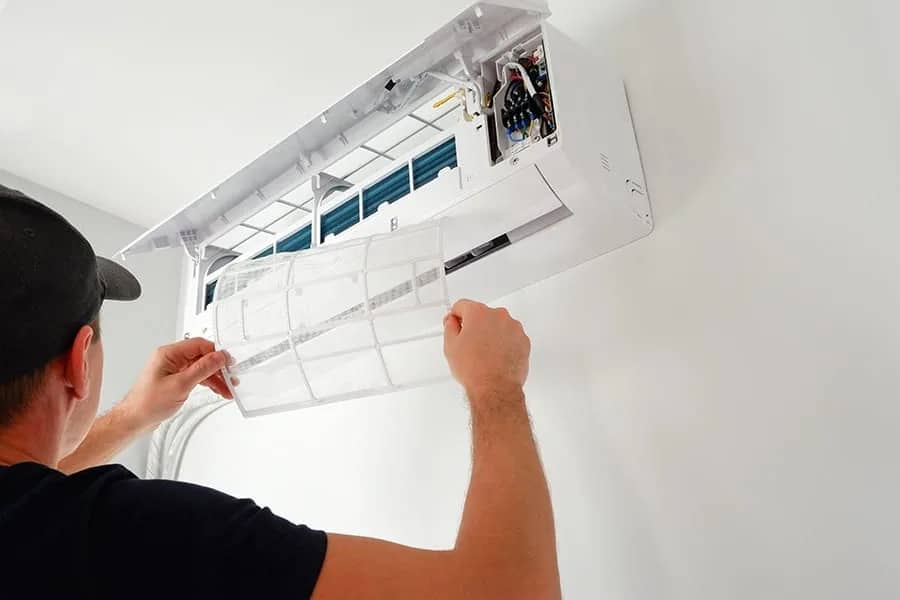
Short answer: The most efficient mini-split heat pumps reach 30+ SEER2 for cooling and 13+ HSPF2 for heating, using inverter-driven compressors that modulate output to match the load. Brands like Mitsubishi, Daikin, and Fujitsu lead efficiency ratings, but proper sizing and installation matter more than the brand name.
High-efficiency mini-split heat pumps can cut seasonal energy use by up to fifty percent when sized and installed correctly. Choose units with high SEER2 and HSPF2, inverter compressors, and good low-ambient COP. Professional Manual J sizing and careful commissioning unlock real savings and steady comfort year round. (Source: Energy gov Heat Pump Tips)
Key Takeaways
- Focus on SEER2 for cooling and HSPF2 for heating when comparing models.
- Pick inverter compressors and check low-ambient COP for cold winters.
- Require a Manual J load calc and pro commissioning to get rated savings.
- Verify AHRI-matched ratings and look for ENERGY STAR or cold-climate listings.
What makes a mini split most efficient?
A mini split’s seasonal efficiency starts with rated values like SEER2 and HSPF2. These ratings give a baseline for how the unit should perform in lab tests under set conditions. Real savings depend on how the equipment runs in your house and how installers set it up.
Controls and part-load behavior also matter a great deal for seasonal results. Inverter compressors and refined firmware let systems modulate and use less power at typical loads. Proper airflow, head placement, and system matching keep the unit near its rated numbers in daily use.
How do SEER2 and HSPF2 differ?
SEER2 measures seasonal cooling efficiency under the updated DOE test method. It shows cooling output over a typical season divided by electricity used. A higher SEER2 lowers summer bills in cooling-heavy climates and for owners who run cooling a lot.
HSPF2 measures seasonal heat-pump heating efficiency with the new DOE procedure. It sums heating output over a season and divides by electricity used. Prioritize HSPF2 in heating-dominant climates or for homes that run heat through long winters.
What is COP and why does it matter?
COP shows heating efficiency at a single outdoor temperature. It is heat output divided by electrical input at that condition. Check COP numbers at temperatures your area sees often, like 47°F, 17°F, or below zero, to know real winter performance.
COP tells you how much real heat the unit makes per watt at a given temp. A higher COP at low ambient temps means less backup heat and lower electric bills on cold days. Use COP to compare models for your winter weather.
How does inverter technology improve efficiency?
Inverter compressors vary speed to match the home load instead of cycling on and off. This reduces short cycling and runs the unit at efficient speeds for longer. The result is better comfort, lower wear, and higher seasonal COP in most homes.
When a home has many part-load hours, an inverter system saves more energy than a fixed-speed unit. Look for wide modulation ranges and stable low-speed operation. These features keep the compressor in an efficient window for daily use.
Which mini split models lead in efficiency?
Top efficiency models blend high SEER2 and HSPF2 with solid low-ambient COP numbers. Major brands like Mitsubishi, Daikin, Fujitsu, and LG offer high-efficiency lines and cold-climate options. Compare AHRI-certified matched-system data rather than sales copy when shopping.
Learn about available rebates on new HVAC systems for energy-efficient equipment.
Installer experience matters as much as brand. A great unit poorly installed will underperform a slightly lower-rated unit installed correctly. Choose local installers who commission systems and follow manufacturer start-up checklists for best real-world savings.
What cold-climate mini split models excel?
Cold-climate models keep capacity and COP down to low temperatures by using enhanced compressors and heat exchangers. Examples include Mitsubishi Hyper-Heating series, Fujitsu cold-climate lines, and Daikin cold-climate variants. These models also use smarter defrost logic.
When reviewing models, check AHRI capacity and COP at 5°F and below. Verify defrost strategy notes and installer guidance. Pick a unit whose published low-temp numbers match your winter extremes for fewer surprises.
How do SEER2 ratings rank top models?
Premium single-zone mini splits now hit SEER2 in the mid-20s to low-30s. Multi-zone outdoor units often list slightly lower numbers but still outperform older gear. Compare SEER2 across matched-system listings to ensure fair comparisons.
Remember that SEER2 matters most where cooling hours dominate the year. Balance SEER2 with HSPF2 and low-ambient COP for homes with mixed heating and cooling needs. Use AHRI to check matched system ratings.
Which units keep COP high below 0 F?
Certain cold-climate units maintain COPs in the 1.5 to 2.5 range at -13°F, depending on the model and site. These units use optimized compressors and controls to limit capacity loss at extreme temps. Higher COP at low temps reduces reliance on backup heat. (Source: Energy gov Heat Pump Tips)
If your area sees many subfreezing days, favor models with strong low-temp published COP. That avoids frequent electric strip heat and keeps winter bills closer to heat-pump levels rather than resistance heat costs.
How do multi-zone systems compare?
Multi-zone outdoor units can serve several indoor heads efficiently when loads vary by room. These systems gain part-load efficiency when only some zones run. Matched AHRI ratings show seasonal performance for typical multi-zone configurations.
Complex piping and charge control need expert installers. Long line runs, many indoor heads, and varied loads require careful design. Use installers familiar with multi-zone commissioning to keep seasonal performance high.
What trade-offs come with ultra high SEER units?
Ultra-high SEER models cost more up front and include advanced controls and premium heads. They save most in cooling-heavy climates or in houses that run cooling many hours. Payback varies with local electricity prices and usage patterns.
Compare mini split options in our ducted mini split guide for Las Vegas.
High-end units may need careful commissioning and occasional firmware updates. Factor install quality, local labor, and warranty support into your value calculations. A modestly lower SEER unit installed right can beat a high-SEER unit installed poorly.
How should you size a mini split?
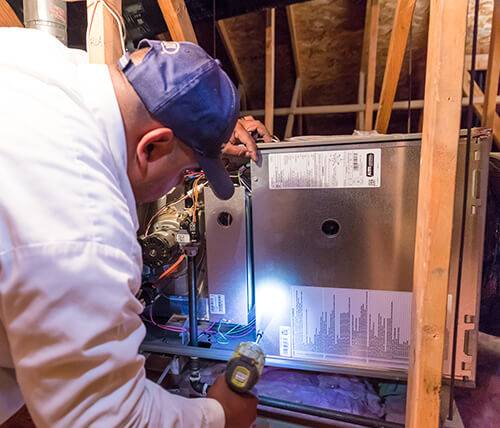
Sizing starts with a Manual J load calculation that captures windows, insulation, orientation, and occupancy. That calculation finds the heat loss and cooling load for your home. Use Manual J data to pick unit capacity that avoids big oversize or undersize errors.
A slightly smaller inverter unit often beats an oversized unit in daily operation. Longer run times let the compressor operate in efficient ranges and aid dehumidification. Talk with your installer about load results and sensible zone planning.
Why perform a Manual J load calculation?
Manual J calculates your home’s true heating and cooling needs using construction and climate data. It avoids rule-of-thumb sizing that often leads to oversize. Accurate loads let installers pick indoor heads and outdoor units that match reality.
Skip Manual J and you risk short cycling, poor humidity control, or lack of capacity. Make a load calc non-negotiable before buying equipment. Ask for the printed report and a discussion of results.
How does oversizing reduce efficiency?
Oversized systems hit setpoint quickly then shut off. Short cycles waste start-up energy and lower dehumidification during cooling. Even inverter units struggle to modulate correctly when grossly oversized, cutting seasonal COP.
Keep oversizing small and use Manual J to avoid large errors. Proper sizing improves comfort, reduces wear, and yields better long-term savings than an oversized condenser.
When is zoning advantageous?
Zoning helps when rooms have different loads or schedules. Use zones to heat or cool only occupied areas. That lowers runtime and raises part-load efficiency.
Plan piping and control strategies so zones can run independently. Remote sensors and smart schedules make zoning more effective. Ask your installer about recommended zone groupings for your floor plan.
How to match capacity to heat loss?
Match indoor head sizes to room-level heat loss data from Manual J. Adjust head placement for sunlit rooms or rooms with large glass area. Give higher gain spaces a head with extra capacity if needed.
Think about part-load operation and choose a unit that can modulate. Discuss the coldest design day and backup heat plans with your installer to ensure comfort on extreme days.
Can a contractor fine tune sizing?
Experienced contractors tune sizing based on house specifics and occupant habits. They may run Manual J variants to show effects of different insulation levels or window upgrades. Fine tuning includes head type choices and control planning.
Ask about post-install validation steps. Installers who measure system COP and verify charge across load conditions provide better real-world efficiency. Insist on documented commissioning.
Which sensor locations affect control accuracy?
Sensor placement changes how the system senses room conditions. Avoid putting sensors near windows, doors, or direct sun. Those spots give false high or low readings that cause cycling.
Place sensors where people spend most time or where average room temperature sits. Remote sensors in bedrooms or living spaces give better control and reduce wasted conditioning. [Point 1] (Source: Energy gov Heat Pump Tips)
How do running schedules affect savings?
Align schedules with occupancy to reduce wasted runtime. Setbacks when rooms are empty cut energy use. Use simple timers or smart controls to automate changes.
For multi-zone systems, run only zones you need. That lowers compressor draw and increases part-load efficiency. Avoid running every head if most of the house is empty.
What is optimal thermostat strategy?
Aim for steady operation rather than wide swings. Small setbacks save energy without triggering extra strip heat. Use fan speeds and modest setpoint changes to keep runtime efficient.
Link remote sensors or occupancy data to setpoints when possible. That prevents over-conditioning unused rooms and supports better comfort for occupied spaces.
How do building envelopes change sizing?
Tighter envelopes and added insulation reduce required capacity. Smaller loads let you choose smaller, more efficient mini splits. Air sealing and insulation upgrades can cut installed costs and boost comfort.
If you plan envelope work, delay final equipment choices until after upgrades. Sizing for the improved home prevents oversize and improves seasonal COP and payback.
What installation factors affect efficiency?
Installation quality often matters as much as equipment choice for seasonal efficiency. Proper refrigerant charge, line-set sizing, airflow balance, and outdoor unit clearance are essential. Skipping these steps prevents systems from reaching rated SEER2 and HSPF2.
Commissioning after installation verifies charge, airflow, and controls. A well-commissioned system runs quieter and lasts longer. Ask installers for their start-up checklist and measured pressures and temps.
How does refrigerant line sizing matter?
Line-set diameter affects refrigerant velocity and pressure drop. Wrong sizing lowers capacity and hurts COP. Installers should follow manufacturer guidelines and consider oil return for long runs.
In multi-zone systems or long piping runs, larger line sizes or special oil traps may be needed. Proper line sizing keeps the compressor in its efficient window and helps meet AHRI performance.
What is the impact of line set length?
Long line sets increase pressure drop and reduce capacity. Manufacturers list maximum line lengths for matched systems. Exceeding those limits can cut performance and raise electric use.
If long runs are unavoidable, consider larger outdoor unit capacity or consult manufacturer options. Plan for correct insulation and service valves to minimize field losses.
How does outdoor unit siting affect efficiency?
Outdoor units need clear airflow and minimal sun load. Mount on a firm pad with two to three feet clearance on all sides. Blocked airflow increases run times and reduces capacity.
In cold climates, elevate the unit above likely snow levels and keep the area clear of ice. Sheltered but ventilated locations help defrost and reduce heat gain from nearby exhausts.
How important is indoor airflow balance?
Correct indoor airflow moves the right amount of air across the coil for efficient heat transfer. Too little airflow reduces capacity and raises run time. Too much airflow can cause uncomfortable drafts and noise.
Installers should tune fan speeds and check register placement. Proper head placement and ducting for ducted units keeps comfort even and preserves rated efficiency.
Why verify firmware and controls at start-up?
Firmware controls defrost logic and modulation curves that affect seasonal COP. New firmware can fix issues and improve part-load response. Verify the unit runs the latest, stable firmware at commissioning.
Ask the installer to document firmware version and control settings. Proper control setup helps the system limit unnecessary defrosts and run more efficiently over the year.

What maintenance and operation choices boost efficiency?
Routine maintenance preserves the unit’s heat transfer and airflow. Tasks like cleaning filters, clearing outdoor coils, and checking drains keep the system near rated efficiency. Small checks stop minor issues from reducing COP. [Point 2] (Source: Energy gov Heat Pump Tips)
Operation choices also matter. Use sensible schedules, avoid wide temperature swings, and run only needed zones. Firmware updates and occasional control tuning keep long-term performance healthy.
What routine maintenance preserves efficiency?
Regular maintenance includes cleaning or replacing filters and keeping indoor coils free of dust. Check outdoor coils and clear debris that blocks airflow. Inspect drain pans and lines to avoid water issues that reduce airflow.
Have a qualified tech do an annual check of pressures, superheat, and subcooling. That confirms correct refrigerant charge and operation. Routine service helps prevent small issues from becoming big problems.
How often should filters be replaced?
Clean indoor filters every one to three months in normal homes. Homes with pets or lots of dust may need monthly cleaning. Replace disposable filters per the maker’s guidance or when they wear.
Clean filters keep airflow steady and protect coils. A clogged filter raises fan power and lowers heat transfer. Track filter changes with a simple calendar reminder.
Does coil cleaning improve COP?
Dirty coils reduce heat transfer and lower system COP. Cleaning indoor and outdoor coils restores capacity and efficiency. Use gentle methods to avoid damaging coil fins or coatings.
For tough buildup, a professional cleaning may be wise. Technicians can also check for corrosion and recommend protective measures. Clean coils mean better seasonal performance.
How do firmware updates affect performance?
Firmware updates can refine defrost logic and modulation. Updated control code can reduce unnecessary defrosts and improve part-load behavior. These changes often boost seasonal efficiency.
Ask installers to note firmware versions during commissioning and service visits. Keeping controls current helps the system run with the latest efficiency improvements.
Can smart scheduling cut energy use?
Smart scheduling aligns runtime with actual occupancy and cuts wasted conditioning. Timers, geofencing, and occupancy sensors make adjustments automatic. That often beats manual setpoint changes.
Savings vary by behavior, but automation tends to reduce runtime while keeping comfort. Use zone control to run only the areas in use and avoid conditioning empty rooms.
What settings reduce defrost energy loss?
Adaptive defrost and optimized coil sensors minimize defrost cycles. Some systems modulate compressors during defrost to speed recovery. Less defrost time means higher average COP during heating runs.
During commissioning, set defrost-related firmware to maker-recommended defaults. Confirm the model’s defrost strategy and ensure it is enabled to limit energy penalties.
How does fan speed choice change COP?
Indoor fan speed affects airflow and return air temperature. Lower fan speeds reduce noise and can lengthen run times, sometimes improving COP. Higher speeds raise heat transfer but use more fan power.
Balance fan speed for comfort and efficiency. For dehumidification, moderate fan speeds help remove moisture better than short, high-speed cycles.
Do quiet modes lower efficiency?
Quiet modes reduce fan speeds and sometimes compressor power to lower noise. This can slightly reduce efficiency if it causes longer run times or more cycling. Often the trade-off is worth it for better comfort.
Use quiet mode at night or when noise matters most. For peak savings, return to normal mode during high-load periods when noise is less of a concern.
How do remote sensors improve control?
Remote sensors place temperature sensing closer to occupants and offer more accurate control. They prevent over-conditioning rooms that are already comfortable. That reduces wasted runtime and improves comfort.
Place sensors away from drafts and sun to get reliable readings. Pair remote sensors with zoning and inverter control to keep systems running efficiently for occupied areas. [Point 3] (Source: Energy gov Heat Pump Tips)
When should you service refrigerant charge?
Service the charge if you see lower capacity, longer run times, or big jumps in electric use. Low or high charge reduces COP and can damage compressors. Technicians check pressures, superheat, and subcooling to validate charge.
If performance drops, schedule a charge check early. Fixing charge issues quickly avoids expensive compressor failures and restores seasonal efficiency.
What warranty terms affect long-term value?
Compressor and parts warranty length affects total ownership cost. Check for exclusions that can void warranties, like DIY refrigerant work. Look for prorated and labor coverage details.
Keep commissioning records and receipts. Proper documentation makes future warranty claims easier and protects your investment in high-efficiency gear.
Which signs show declining performance?
Watch for longer run times, rising bills, lower capacity, and increased noise. Frost build-up or frequent defrosts also signal problems. Any sudden change in comfort or runtime deserves a service check.
Address issues quickly so small fixes restore efficiency. Early action keeps maintenance costs lower and preserves seasonal COP and comfort.
Cost, rebates, and payback?
High-efficiency mini splits cost more up front but cut operating bills over time. Installed prices vary with zones, line lengths, and labor rates. Use installer savings estimates and local rates to calculate payback for your home.
Look for incentives and tax credits to lower initial cost. Many utilities and governments offer rebates for high HSPF2 and SEER2 units. Confirm program rules before purchase to capture the savings.
How much do high efficiency units cost upfront?
Single-zone premium mini splits typically cost about $3,000 to $7,000 installed. Multi-zone systems for a whole home often run $7,500 to $20,000, depending on complexity and brand. Long line runs and added heads raise the price.
Ask for an itemized quote showing heads, outdoor unit, line sets, labor, and commissioning. Compare installed costs and projected annual savings to decide which option fits your budget.
What rebates and tax credits are available?
Federal, state, and utility programs may offer credits or rebates for heat pump installations. Programs often require specific HSPF2 and SEER2 thresholds or AHRI listings. Check local offers before you buy.
Use resources like DSIRE and program pages to find current incentives. Your installer can often help document eligibility and submit paperwork to secure rebates.
How to get professional help?
Hire a contractor who does Manual J and Manual S and who commissions systems with measured data. A qualified installer documents charge, airflow, and firmware. That documentation helps keep the unit near rated performance.
If you live in the Las Vegas area, choose a team that knows local loads and climate. Regional experience helps pick models and set controls for best seasonal COP and comfort.
How to get a professional load and quote?
Schedule an in-home visit with an installer who performs Manual J and Manual S. The Cooling Company offers these services and full commissioning in Las Vegas, Henderson, and North Las Vegas. Call (702) 567-0707 to book a detailed assessment and an itemized quote.
During the visit expect an inspection of insulation, windows, and existing systems. The contractor will propose AHRI-matched systems and show expected seasonal use based on your local climate and house data.
What next steps maximize your savings?
Start with a Manual J and plan envelope improvements like air sealing and insulation when possible. Choose a cold-climate model if winters are cold. Insist on AHRI-certified matched-system ratings and documented commissioning.
For Las Vegas area residents call The Cooling Company at (702) 567-0707 to schedule a site visit and professional installation in Las Vegas, Henderson, or North Las Vegas. Outside our area, find NATE-certified installers at natex.org and ask them for the same commissioning checklist we use.
Final call to action
Choose a pro who will run load calculations and document commissioning. The Cooling Company gives Manual J, equipment selection, and pro start-up in Las Vegas, Henderson, and North Las Vegas. Call The Cooling Company at (702) 567-0707 for a local quote and installation tailored to your home.
If you are outside our service area, use natex.org to find NATE-certified technicians near you. Ask any installer for AHRI-matched ratings, measured charge verification, and firmware status at commissioning. Those steps protect efficiency and your long-term savings.
Related reading: what to explore next?
- Electrical Panel Upgrade Tax Credit: What Qualifies and How to Claim
- Daikin Ductless Heat Pump Las Vegas: Premium Mini-Split Guide
- Ductless Mini Split Heat Pump Las Vegas
Related service: Considering a heat pump for your Las Vegas home? Explore our heat pump installation and heating services services for Las Vegas homeowners.
Need HVAC service help in Las Vegas?
While many homeowners can handle basic HVAC maintenance, some tasks require professional expertise. If you're in the Las Vegas area and need help beyond DIY solutions, The Cooling Company is here for you.
Call (702) 567-0707 to schedule a professional assessment. Our licensed technicians can identify issues that might not be obvious and ensure your system runs efficiently.
About The Cooling Company
- Phone: (702) 567-0707
References
- U.S. Department of Energy (Energy.gov) (accessed 2025-12-26)
- U.S. Environmental Protection Agency (EPA) (accessed 2025-12-26)
- ASHRAE (Standards and guidance) (accessed 2025-12-26)
- ENERGY STAR (Heating & cooling) (accessed 2025-12-26)
Need HVAC Service in Las Vegas?
The Cooling Company provides expert HVAC service throughout Las Vegas, Henderson, and North Las Vegas. Our licensed technicians deliver honest assessments, upfront pricing, and reliable results.
Call (702) 567-0707 or visit heating, heat pump installation, furnace repair, or heating maintenance for details.