

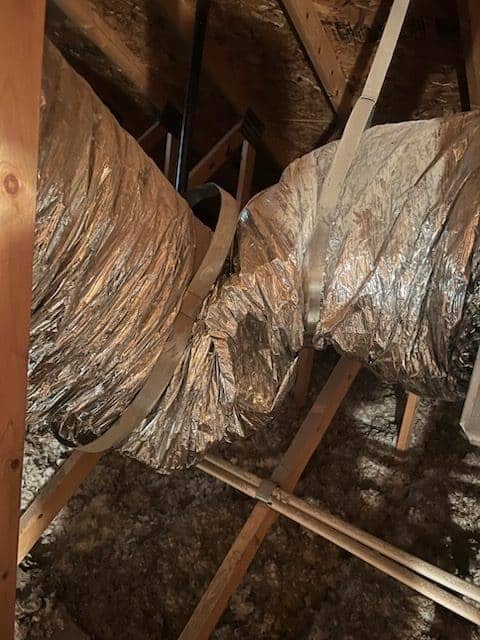
Replacing both a furnace and central AC usually costs $9,000–$18,000 for typical U.S. Homes. Final price depends on equipment, efficiency, duct work, permits, and local labor. Expect simple swap-outs to take one to three days and complex jobs up to two weeks, with added permit fees. (Source: ASHRAE Technical Resources)
Key Takeaways
Short answer: A new furnace and air conditioner together typically cost $9,000–$18,000 installed, depending on efficiency rating, home size, and ductwork condition. In Las Vegas, where cooling demand is extreme, investing in a properly matched and sized system pays off in lower energy bills and longer equipment life. Call (702) 567-0707 or book online for a free estimate from The Cooling Company.
- Expect most full furnace + AC replacements to range roughly $9,000–$18,000 for typical homes.
- Ask for a Manual J load calc, matched indoor/outdoor units, and at least three written bids.
- Budget extra for duct repairs, permits, electrical upgrades, and a 10–20% contingency.
How much does replacing both systems cost?
Replacing both systems at once means higher upfront cash outlay. Bundling saves labor and staging costs. Still, total price depends on equipment quality, efficiency ratings, duct condition, and local labor. Expect a mid-range job near $9,000–$14,000 and more for high-efficiency gear or big duct work.
Simple swap-outs often finish in one to three days. Jobs that need new ducts, venting, or electrical upgrades can take one to two weeks. Contractors usually list timelines and permit steps in the written quote. Allow extra days for inspections and parts lead times.
What are typical national price ranges?
Nationally, combined furnace and central AC replacement commonly runs from $9,000 to $18,000 for most homes. Low-end installs with basic equipment and easy access can approach $6,500 to $9,000. High-end jobs, full duct replacement, or specialty equipment can push costs to $15,000–$25,000 or more depending on region.
Check our furnace prices guide for current cost estimates.
Average furnace price by efficiency?
Furnace prices vary by AFUE rating and brand. A basic 80% AFUE gas furnace sits at the low end for equipment cost. Mid-range 92% AFUE models often cost $1,800–$3,500 equipment-only. High-efficiency 95%–98% AFUE furnaces can run $3,000–$6,000 before labor and venting work.
Typical central AC price range?
Central AC costs hinge on tonnage and SEER. A common 3-ton, 14 SEER condenser often costs $2,500–$4,000 equipment-only. Higher SEER units, say 16–20, often cost $4,000–$7,000. Add the matching coil, refrigerant lines, and labor. Replacing R-22 systems can add cost when converting to modern refrigerants. (Source: ASHRAE Technical Resources)
For a breakdown by system size, see our AC prices by size guide.
What affects your furnace+AC price?
Several key factors drive final price. Equipment efficiency, home size, duct condition, and local labor rates matter most. Permit fees, need for electrical upgrades, and venting work also change totals. Knowing these drivers helps you compare bids fairly and avoid surprises during install.
Choices on brand, efficiency, and add-ons affect both upfront and lifetime costs. Installation quality and proper sizing often matter more than the brand. A thorough on-site inspection that includes duct and vent checks prevents costly change orders after work starts.
Which efficiency ratings matter most?
For furnaces, AFUE shows annual fuel conversion efficiency. Higher AFUE means less fuel waste and lower heating bills. For AC, SEER measures seasonal cooling efficiency. Higher SEER lowers cooling energy use in hot climates. Balance efficiency with proper sizing and installation for real savings.
How does AFUE change furnace cost?
Higher AFUE typically raises equipment cost but reduces fuel use. Moving from 80% to 95% AFUE can add $1,000–$3,000 for equipment. Installation for condensing furnaces also needs PVC drains and different venting. Ask for annual fuel savings estimates to judge payback in your climate.
What savings does SEER deliver?
SEER increases lower cooling energy use, but returns depend on climate and runtime. Each SEER point can cut energy use by a few percent. Hot climates see larger dollar savings when moving from 14 to 18 SEER. Check local electricity rates and rebates to estimate payback.
You may qualify for rebates on new HVAC systems that reduce your upfront cost.
How to estimate lifetime operating costs?
Estimating lifetime cost helps decide whether higher-efficiency gear pays off. Start with annual heating and cooling hours, local fuel and electric rates, and unit efficiency. Then add expected maintenance, filter costs, and likely repair events. Conservative assumptions yield safer payback estimates.
Account for efficiency loss over time and duct leakage in your calculations. Include a maintenance budget and examine warranty coverage. Running a few scenarios with different energy price paths clarifies how robust a savings claim is over 10–15 years.
Calculating annual fuel and electricity use?
Use your Manual J or past energy bills to estimate annual use. Convert furnace AFUE to fuel use and AC SEER to electricity use with simple formulas. Multiply energy saved by local rates to get dollars saved per year. If you lack data, utility calculators offer good starting points. [Point 1] (Source: ASHRAE Technical Resources)
What role does local climate play?
Climate strongly influences savings and sizing choices. Cold regions value higher AFUE more. Hot, humid areas benefit from higher SEER and good dehumidification. Extreme climates drive more runtime and may shorten component life, so budget for slightly higher maintenance in those zones.
How long until efficiency upgrades pay back?
Payback varies widely by climate, energy prices, and runtime. In hot areas, moving from 14 to 18 SEER often pays back in 5–10 years. In milder climates, payback can be much longer. Non-financial benefits like comfort and lower noise also matter when deciding upgrades.
Should you replace both now or phase?
Deciding to replace both depends on system age, condition, and budget. Replacing both at once gives matched components and may save on labor. It also reduces risk of mismatched coils or refrigerant types that lower efficiency or void warranties.
Phasing replacements spreads cost over time. Replace only the failed system if the other still runs reliably. Be aware that an old indoor coil paired with a new outdoor unit can reduce efficiency. Consider future rebates and refrigerant rules before phasing.
When is combining replacements best?
Combining is best when both systems are near end of life or when ducts need major work. A matched system ensures rated SEER and AFUE and often improves comfort. Bundling also cuts total install time and may lower contractor mobilization costs, saving you money overall.
What are pros of phasing replacements?
Phasing reduces immediate cash needs and lets you plan for the next upgrade later. If one unit is healthy and the other fails, replacing only the failed unit is sensible. Keep in mind potential efficiency loss and the possibility of higher future refrigerant or equipment costs.
How to decide using age and condition?
Check ages and repair history of both units. Furnaces older than 15 years and AC units older than 12 years often warrant replacement. Frequent breakdowns, rising bills, and uneven comfort suggest replacement. Get a written assessment and compare furnace repair versus replace costs before committing to a full system purchase.
How to choose equipment and contractor?
Selecting the right gear and installer matters more than picking the top brand. Hire contractors who perform Manual J calculations, offer matched systems, and provide clear, itemized quotes. Verify licenses, insurance, and references before signing. Good installers protect performance and warranties. [Point 2] (Source: ASHRAE Technical Resources)
Look for detailed warranties and maintenance options. A reputable contractor explains trade-offs among efficiency, upfront cost, and payback. They should inspect ducts, venting, and electrical service in person and include findings in the bid.
What questions should you ask contractors?
Ask for a Manual J load calculation and proof they will use it. Request model numbers, AFUE/SEER ratings, and whether indoor and outdoor units match. Also ask how they will handle ducts, permits, and refrigerant type during the job.
Request timeline, warranty details, and final cleanup standards. Ask for references from recent jobs in similar homes. Confirm whether technicians are NATE-certified and how the company handles warranty service and callbacks.
How to compare written bids?
Compare bids line by line and normalize for equipment performance and included services. Check model numbers, coil matches, refrigerant, labor, ductwork, permit fees, and warranties. Beware of low bids that skip duct work or permits and thus undercut true costs.
Create a simple comparison sheet to weigh long-term value, not just sticker price. A higher bid that includes duct sealing and a solid labor warranty often saves money over time. Ask contractors to explain unclear line items.
How important is proper sizing?
Sizing is critical to comfort and efficiency. Properly sized units avoid short cycling and control humidity. Manual J is the industry standard for sizing. Demand a Manual J report and refuse bids that size by rule-of-thumb or square footage alone.
Correct sizing reduces service calls and may extend equipment life. The cost for a proper load calc is small compared to the cost of an oversized or undersized system. Pay for accuracy to avoid long-term issues.
How to assess installer credentials?
Verify state or local HVAC licenses and proof of insurance. Look for NATE certification on technicians and trade group membership for the company. Good contractors provide references and documentation without delay, which shows professionalism and local experience. [Point 3] (Source: ASHRAE Technical Resources)
Check online reviews and the Better Business Bureau for patterns. Call references and ask about timeliness, cleanup, warranty handling, and how the crew treated the home. A reputable company welcomes these checks.
What warranty terms matter most?
Look for multi-year parts and compressor warranties and clear labor warranty terms. Manufacturer warranties often cover parts but not labor. Installer labor warranties protect you against poor workmanship and should be in writing with clear terms and length.
Watch for conditional warranties that require registration and annual professional maintenance. Ask who handles warranty calls and how quickly warranty service typically occurs in your area to avoid long downtime.
What maintenance plans should you consider?
Maintenance plans usually include annual furnace tune-ups and seasonal AC checks. Plans often offer priority service, discounted repairs, and scheduled filter changes. Regular maintenance catches small issues early and supports warranty claims, which reduces long-term costs.
Choose a plan that documents each visit and lists tasks performed. Documentation matters for warranty support. Compare plan prices to typical one-off service call costs to judge value.
Ready to request a free estimate?
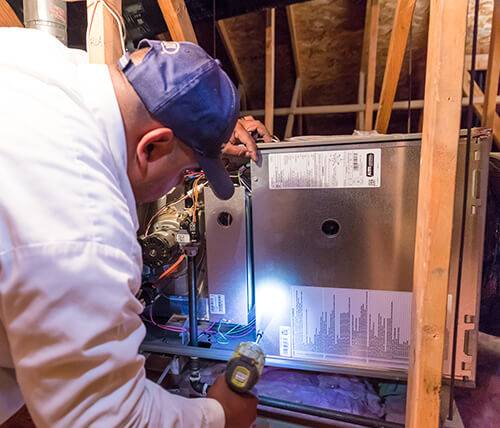
Getting a good estimate starts with preparation. Gather your current unit model, age, and maintenance records. Note comfort issues and show technicians access to attics, crawlspaces, or the mechanical closet. This saves time and improves quote accuracy.
Ask the contractor to include a Manual J load calc, model numbers, AFUE/SEER ratings, duct notes, permit handling, and a clear labor warranty. Request three written bids and budget a 10–20% contingency for hidden duct or structural issues.
How to prepare for a free estimate?
Before the visit, collect system age, model numbers, and past service invoices. Mark rooms with comfort problems and identify access points for the technician. Clear attic or crawlspace paths so the inspector can see ducts and equipment easily.
Prepare a list of questions about sizing, duct condition, and financing. Ask the contractor to show example bids and explain permits, timelines, and typical add-ons. A good installer explains tradeoffs in plain language and documents everything in the written quote.
Call to action
If you live in Las Vegas, Henderson, or North Las Vegas and are ready to get a fair, detailed estimate, call The Cooling Company at (702) 567-0707. Our team provides on‑site Manual J sizing, matched systems, duct diagnostics, permit handling, and detailed written quotes. We also explain rebates and financing to fit your budget.
Outside southern Nevada? Find a certified technician through NATE at natex.org for reliable help. If you are in our area, request The Cooling Company at (702) 567-0707 to schedule a no‑pressure, on‑site estimate with clear pricing and warranty details.
Related reading: what to explore next?
- AC Monitoring System: Catch Problems Early with Smart Alerts
- Replace Furnace and AC at Same Time: Cost Guide
- New HVAC System Cost: Save Thousands with Smart Upgrades
About The Cooling Company
- Phone: (702) 567-0707
References
- U.S. Department of Energy (Energy.gov) (accessed 2025-12-29)
- U.S. Environmental Protection Agency (EPA) (accessed 2025-12-29)
- ASHRAE (Standards and guidance) (accessed 2025-12-29)
- ENERGY STAR (Heating & cooling) (accessed 2025-12-29)
Related service: Planning a furnace installation in Las Vegas? Explore our furnace installation and heating services for Las Vegas homeowners.
Need HVAC Service in Las Vegas?
The Cooling Company provides expert HVAC service throughout Las Vegas, Henderson, and North Las Vegas. Our licensed technicians deliver honest assessments, upfront pricing, and reliable results.
Call (702) 567-0707 or visit AC repair, maintenance, heating, or installation for details.